
Pruning
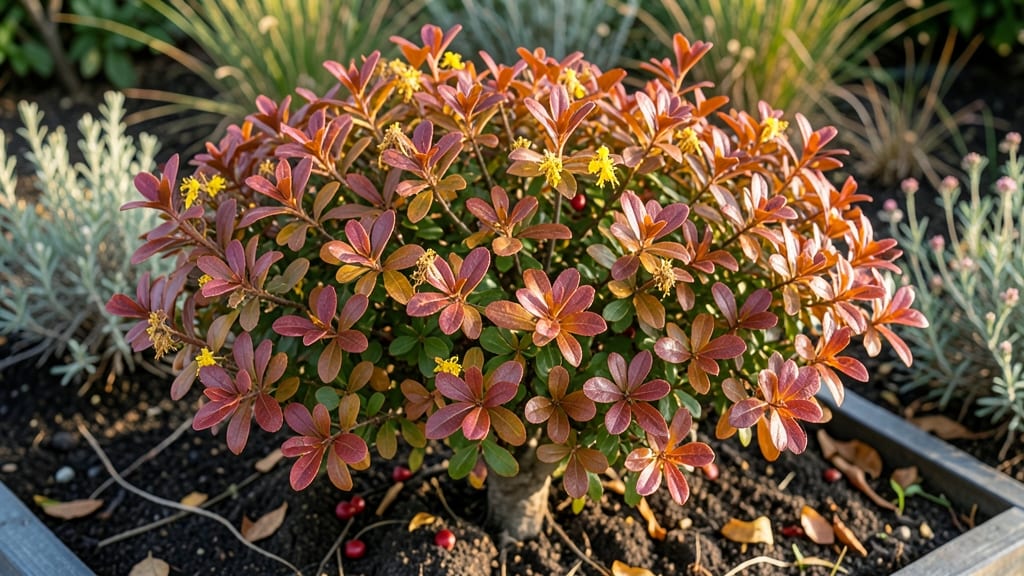
Pruning your curry bush tree (Bergerocactus emoryi) in the Pacific Northwest isn’t just about keeping it tidy—it’s about preparing it to survive winter frosts while maximizing its fragrant, edible blooms.
I’ve learned the hard way that skipping this step means leggy growth and fewer flowers, but with the right cuts, your plant stays compact, productive, and resilient.
The key is timing: prune right after flowering in late summer, before the first frost hits, to encourage fresh growth that hardens off before winter.
You’ll only need a few tools—a sharp pair of pruners, rubbing alcohol for sterilizing, and a bucket for clippings. Focus on removing dead or crossing branches first, then trim back any overly long stems by about a third to maintain that lush, bushy shape.
Curry bush trees are forgiving, so don’t stress over perfection—just aim for an open center to let light and air circulate. This also makes harvesting those delicate, citrus-scented flowers easier when they appear in early summer.
What you’ll end up with is a tree that bursts into fragrant white blooms year after year, even in cooler climates. The flowers taste like a mix of curry and citrus, perfect for garnishes or infusions, and the plant itself adds a striking silhouette to your garden.
Plus, it thrives on neglect—drought-tolerant, pest-resistant, and happy in containers if your winters get chilly. Once you’ve mastered the pruning rhythm, your curry bush becomes the ultimate low-maintenance star.
For Pacific Northwest gardeners, container-growing is a great option if you’re worried about frosts. Just bring it indoors during the coldest months and resume outdoor life when temperatures stabilize.
The same pruning rules apply—just adjust for the smaller space. Now, let’s get those shears ready and turn your curry bush into a frost-proof, flavor-packed powerhouse.
📚 In This Guide
- What you need
- Instructions
- Tips and common mistakes
- Wrapping up and next steps
What you need
- ● Pruning shears: Sharp, bypass-style (for clean cuts), sterilized (70% isopropyl alcohol or bleach solution). Recommended: Felco F-2 or similar.
- ● Pruning saw: Curved-blade for thicker branches (1"–2" diameter). Example: Fiskars X27.
- ● Loppers: Long-handled (24"–36") for high branches. Spec: 30" reach, bypass blades.
- ● Gloves: Heavy-duty, cut-resistant (e.g., Mechanix Wear M-Pact). Why? Curry bush thorns are sharp!
- ● Disinfectant: 1-part bleach to 9 parts water (or 70% isopropyl alcohol) to sterilize tools between cuts.
- ● Ladder: Sturdy, extendable (16'–20' height) with non-slip feet for tall trees.
- ● Trash bags: Heavy-duty, 30-gallon (2–3 bags) for pruned debris.
- ● Rake: Bow rake (for clearing fallen leaves/debris post-prune).
- ● Weather check: Prune on a dry, calm day (avoid frost warnings; PNW mornings can be chilly!).
- ○ Safety gear (optional but recommended): Safety glasses (for debris protection).
- ● Earplugs (if using a chainsaw for large branches).
- ● Long sleeves/pants (to avoid thorn scratches).
- ● Tree health assessment: Inspect for pests/disease (e.g., powdery mildew, spider mites) before pruning.
- ○ Mulch (optional): Shredded bark (2–3 inches deep) to protect roots post-prune.
- ○ Fertilizer (optional): Balanced 10-10-10 (apply 4–6 weeks after pruning).
Step-by-step guide for pruning curry bush trees in the Pacific Northwest
Here's how I keep my curry bush trees healthy through frosty winters and lush summers.
Time Your Pruning for Frost Resilience
Prune your curry bush tree in late winter or early spring, just as new growth begins but before the first buds swell. This timing ensures the tree has time to harden off before summer heat arrives. I always wait until after the last frost date in my zone—usually mid-March for the Pacific Northwest.
If you prune too early, you risk exposing tender new growth to late frosts. If you wait too long, you'll cut back growth that could have strengthened the tree. Watch for the first pale green flush of leaves along the branches—that's your signal.
Use Sharp Tools and Clean Cuts
Grab your pruning shears and loppers—keep them sharp to avoid tearing the bark. I sterilize my tools with rubbing alcohol before and after pruning to prevent spreading disease. Make cuts just outside the branch collar, the swollen area where the branch meets the trunk.
Never leave stubs. A clean cut heals faster and reduces the risk of rot or pest entry. For larger branches over ½ inch thick, use your loppers and cut at a 45-degree angle to help water run off. Small branches can be snipped straight across.
Shape for Airflow and Sunlight
Step back and assess the tree's natural shape. Curry bush trees thrive with open, airy canopies—this prevents fungal issues common in dense foliage. Remove any crossing branches first, cutting the smaller of the two to avoid creating wounds.
Next, thin out overcrowded areas by selecting branches that grow inward or downward. Aim to let light reach the inner branches—this encourages even growth. I like to keep the tree slightly wider at the base than the top for stability.
Control Size and Encourage New Growth
If your curry bush tree has outgrown its space, prune back one-third of the oldest branches to the ground. This rejuvenates the tree and stimulates fresh growth from the base. For smaller trees, simply trim back the tips of the longest branches by ¼ to ⅓ to encourage bushier growth.
Watch for water sprouts—those fast-growing, vertical shoots that appear after pruning. Remove them immediately, as they sap energy from the tree. Focus on keeping the tree's natural form while maintaining its frost-resistant structure.
Clean Up and Monitor Recovery
Rake up and dispose of all pruned branches and debris. Leaving them on the ground can harbor pests or diseases. After pruning, water the tree deeply to help it recover. I add a layer of mulch around the base to retain moisture and protect roots from temperature swings.
Over the next 4-6 weeks, watch for new growth at the pruned areas. If you see yellowing leaves or stunted growth, it could mean the tree is stressed—reduce watering slightly and avoid further pruning until it recovers. A well-pruned curry bush tree should show vigorous new shoots by early summer.
Tips & tricks for perfect curry bush tree pruning
Here's what I learned after years of perfecting my Pacific Northwest pruning technique—avoid these common mistakes and keep your tree thriving.
Timing is Everything: The late winter to early spring window is critical for frost resilience. If you miss the pale green flush of new leaves, wait until after the last frost date in your zone—usually mid-March here. I've learned the hard way that pruning too early risks frost damage to tender new growth, while waiting too long cuts back the tree's strengthening growth. Check your local frost calendar if you're unsure.
Tool Preparation Matters: Sterilize your pruning shears and loppers with rubbing alcohol before starting—this prevents spreading disease between cuts. I also keep a small brush in my toolkit to clean off sap and debris after each cut. For branches over ½ inch thick, use your loppers at a 45-degree angle to create proper water runoff, which prevents rot at the cut site.
Shape with Purpose: When thinning overcrowded areas, focus on branches growing inward or downward—they block sunlight and airflow. I like to visualize the tree's natural form, aiming for an open canopy that lets light reach all branches. This simple shaping technique has dramatically reduced fungal issues in my trees over the years. Remember to always cut the smaller of two crossing branches to minimize wound size.
Recovery Monitoring: After pruning, watch for vigorous new shoots within 4-6 weeks as a sign of healthy recovery. If you notice yellowing leaves or stunted growth, reduce watering slightly and hold off on further pruning—your tree is telling you it's stressed. I've found that adding a 2-inch layer of mulch around the base helps protect roots from temperature swings during recovery.
Pro Tips for Curry Bush Tree
- Here's what I learned after years of perfecting my Pacific Northwest pruning technique—avoid these common mistakes and keep your tree thriving.
- Timing is Everything: The late winter to early spring window is critical for frost resilience.
- Tool Preparation Matters: Sterilize your pruning shears and loppers with rubbing alcohol before starting—this prevents spreading disease between cuts.
Frequently asked questions
Got questions about pruning your curry bush tree (Canthium parvifolium) in the Pacific Northwest? You’re not alone! Here are some of the most common queries—plus quick answers to keep your frost-hardy beauty thriving.
When is the best time to prune my curry bush tree?
The ideal window is late winter or early spring (February–March in the PNW), just before new growth starts. This timing minimizes stress and ensures the tree enters dormancy with a clean slate. Avoid pruning in fall—it can stimulate tender new growth that won’t survive winter frosts.
How do I protect my curry bush from frost after pruning?
Curry bushes are frost-tolerant, but newly pruned branches are vulnerable. Mulch the base with 2–3 inches of wood chips or straw to insulate roots, and avoid heavy pruning in late summer. If a hard freeze is forecast, drape frost cloth loosely over the canopy (don’t smother it!).
Can I prune my curry bush tree in summer?
Yes, but lightly! Summer pruning is best for shaping or removing deadwood, but avoid heavy cuts—it stresses the tree and can invite pests. If you must prune, do it on a cool, overcast day to reduce water loss. Never prune after Labor Day in the PNW to prevent frost damage to fresh cuts.
What if my curry bush isn’t leafing out after pruning?
Don’t panic! Check for these issues:
- Over-pruning: You may have cut too aggressively. Next time, remove no more than 25% of the canopy per year.
- Frost damage: Young leaves are sensitive—wait until late spring to see if new growth emerges.
- Root stress: Ensure the tree has consistent moisture (but not soggy soil) and a well-draining spot.
Are there alternatives to pruning if my curry bush is small?
For young or dwarf curry bushes (under 5 feet), you can skip formal pruning and focus on selective trimming:
- Remove dead or crossing branches anytime.
- Pinch back tips of leggy stems in spring to encourage bushier growth.
- Use hand pruners for precision—no need for heavy tools!
Wrapping up and next steps
The curry bush tree thrives in the Pacific Northwest’s climate when pruned with care—balancing shape, health, and resilience against frost. By following this blueprint, you’ve learned how to trim for airflow, encourage growth, and protect your plant from winter’s chill. Your green thumb is making a difference!
Ready to take the next step? Monitor your tree’s progress after pruning, and don’t hesitate to adjust your approach based on its response. Happy gardening—your curry bush tree will thank you with vibrant foliage and bountiful harvests! 🌿✨