
Pruning
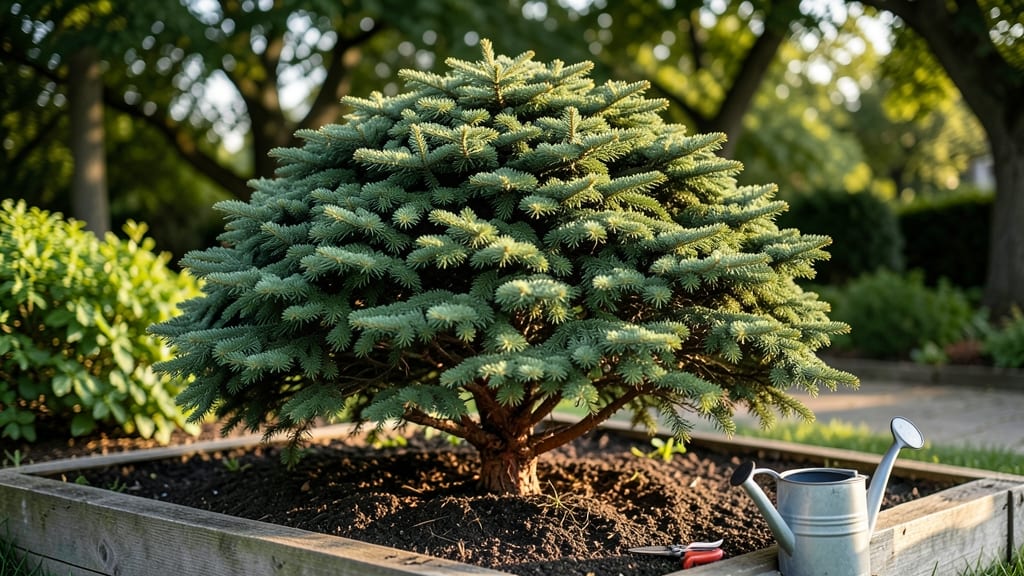
The Japanese yew tree thrives in Pacific Northwest winters, its glossy needles turning a deeper green with frost. I’ve pruned mine for years, and the key is working with its natural shape—never shearing it like a hedge.
This evergreen stays dense on its own, making it perfect for year-round structure without constant maintenance.
You’ll need sharp pruners, a ladder for taller branches, and a clear day to avoid damp wood. The best time to prune is late winter or early spring, just as new growth begins.
Focus on removing dead branches first, then thin out crowded areas to let light reach the center. Japanese yews handle pruning well, so you can shape them gradually over time.
After pruning, you’ll notice thicker foliage and a more open canopy that lets sunlight filter through. The tree’s natural elegance shines through, especially in winter when other plants lose their leaves. It’s also deer-resistant, which is a bonus in rural areas.
This tree works beautifully as a hedge, specimen plant, or even a topiary subject. Just avoid over-pruning—Japanese yews respond best to gentle shaping. With the right care, yours will stay healthy and striking for decades.
📚 In This Guide
- What you need
- Instructions
- Tips and common mistakes
- Wrapping up and next steps
What you need
- ● Pruning Shears: Bypass pruners (for small branches, ¼"–¾" diameter). Choose sharp, high-quality stainless steel blades for clean cuts. (Example: Felco F-2 or Corona Tools)
- ● Loppers: For medium branches (¾"–2" diameter). Opt for long-handled, ratcheting loppers for leverage. (Example: Fiskars X27)
- ● Pruning Saw: For thick branches (2"+ diameter). A curved blade saw works best for yew wood. (Example: Felco F-21)
- ● Gloves: Heavy-duty gardening gloves (cut-resistant, 12"+ length) to protect hands from thorns and sap.
- ● Disinfectant: 70% isopropyl alcohol or a pruning sealant (e.g., Tanglefoot Pruning Seal) to prevent disease spread.
- ● Ladder or Stool: Sturdy, extendable ladder (if tree exceeds 6 feet) or a stable step stool for safety.
- ● Trash Bags: Heavy-duty contractor bags (30+ gallon) for debris disposal.
- ○ Sharpie or Marking Tape: To label branches for removal (optional but helpful for complex pruning).
- ● Handheld Leaf Blower: Clears debris quickly after pruning.
- ● Tree Wrap: Protects fresh cuts from harsh PNW winds (especially for young trees).
- ● Pole Pruner: Extendable tool for high branches (10'+) without a ladder.
- ● Safety Glasses: Protects eyes from flying debris.
- ● Notebook & Pen: Track pruning notes (e.g., branch sizes, growth patterns) for future reference.
Step-by-Step guide to pruning Japanese yew trees in cold climates
Here's how to shape your frost-hardy evergreen for dense, healthy growth all season long.
Time Your Pruning for Frost Resilience
Prune Japanese yews (Taxus cuspidata) in early spring—just as new growth begins to swell but before tender shoots emerge. This timing lets the tree recover fully before winter's return. In the Pacific Northwest, aim for mid-March to early April when daytime temperatures hover around 50-60°F. Avoid pruning in late summer or fall, as new growth won't harden off before frost.
Watch for the first flush of bright green buds along the stems—that's your signal. If you prune too early, you risk exposing old wood to winter dieback. If you wait too long, you'll encourage soft growth that won't survive our chilly nights. I always mark my calendar with the last frost date in my zone, then prune 2-3 weeks before that date to give the tree time to heal.
Use Sharp Tools for Clean Cuts
Grab your bypass pruners for branches up to ½ inch thick, and a pruning saw for anything thicker. Dull tools crush stems, leaving jagged edges that invite disease. I sharpen my pruners annually with a diamond file and test them on a scrap piece of yew wood—clean cuts should look like they were made with a razor.
Make cuts just outside the branch collar (that swollen area where the branch meets the trunk). Never cut flush to the trunk, or you'll damage the tree's natural healing tissue. For larger branches, cut in three stages: first undercut the bottom, then make your final cut from the top, and finally clean up any stubs. This prevents bark from tearing away from the trunk.
Shape for Density and Airflow
Japanese yews thrive when you encourage a dense, bushy form. Start by thinning out 10-20% of the oldest, thickest branches to improve airflow and sunlight penetration. Focus on removing branches that cross or rub against others—these create wounds that weaken the tree. I like to work from the inside out, reaching up into the canopy to remove any dead or diseased wood first.
For formal shapes, use the third-bud method: count three buds from where you want the branch to end, then make your cut just above the third bud. This ensures the new growth will fill out neatly. For natural shapes, simply remove branches that spoil the tree's silhouette or block walkways. Step back often to check your progress—you'll see the tree's natural form emerge as you go.
Clean Up and Protect Wounds
After pruning, remove all fallen branches and debris from the work area to prevent fungal spores from infecting fresh cuts. I always sterilize my tools with 70% rubbing alcohol between cuts to stop disease spread. For larger wounds, apply a thin layer of pruning sealant (like Tanglefoot Tree Wound Pruning Sealer) only if the cut is bigger than ¼ inch wide. Small cuts seal naturally and don't need treatment.
Water the tree deeply after pruning to help it recover. In the Pacific Northwest's damp climate, yews rarely need extra water, but a good soaking encourages root growth. Mulch the base with 2-3 inches of organic mulch (like shredded bark) to retain moisture and protect roots from temperature swings. Avoid piling mulch against the trunk—keep it 2-3 inches away to prevent rot.
Tips & tricks for perfect Japanese yew tree pruning
These tried-and-true techniques will help you shape your Pacific Northwest yew into a thriving, frost-resistant beauty that stands the test of time.
Timing is Everything: In Step 1, those bright green buds are your golden signal—wait until they're just starting to swell but haven't opened yet. I've learned the hard way that pruning too early exposes old wood to winter dieback, while waiting too long risks soft growth that won't survive our chilly nights. For extra precision, check your local last frost date and schedule pruning 2-3 weeks before that date to give the tree maximum healing time before winter returns.
Tool Precision Matters: When you reach Step 2, take an extra moment to test your bypass pruners on a scrap piece of yew wood. You'll notice the difference between clean cuts and crushed stems immediately. For branches thicker than ½ inch, use the three-stage cutting method—this prevents bark from tearing away from the trunk, which is crucial for preventing disease entry points. I keep a small bottle of 70% rubbing alcohol handy to sterilize tools between cuts, especially when working with multiple branches.
Shape with Purpose: In Step 3, when you're thinning out branches, focus on removing 10-20% of the oldest, thickest branches first. These are the ones that compete with new growth for nutrients. For formal shapes, the third-bud method is your secret weapon—counting three buds ensures your cuts will create dense, bushy new growth. Step back frequently to check your progress; you'll be amazed how much the tree's natural form emerges as you work from the inside out.
Post-Pruning Care: After completing Step 4, don't just walk away! Water the tree deeply to encourage root growth, especially in our Pacific Northwest climate where occasional dry spells can occur. When mulching, keep that 2-3 inches of organic mulch 2-3 inches away from the trunk—this prevents rot while protecting roots from temperature swings. I've seen too many trees suffer from mulch piled directly against the bark.
Pro Tips for Japanese Yew Tree
- These tried-and-true techniques will help you shape your Pacific Northwest yew into a thriving, frost-resistant beauty that stands the test of time.
- Timing is Everything: In Step 1, those bright green buds are your golden signal—wait until they're just starting to swell but haven't opened yet.
- Tool Precision Matters: When you reach Step 2, take an extra moment to test your bypass pruners on a scrap piece of yew wood.
Frequently asked questions
When is the best time to prune a Japanese yew tree in the Pacific Northwest?
The ideal time to prune your Japanese yew (Taxus cuspidata) is late winter to early spring (February–March), just before new growth begins. This timing minimizes stress and encourages healthy regrowth. Avoid heavy pruning in fall, as it can stimulate tender new shoots vulnerable to frost.
How much can I safely prune a Japanese yew tree at once?
Never remove more than 25–30% of the foliage in a single session. Japanese yews tolerate light shaping but can struggle with aggressive cuts. For mature trees, spread pruning over 2–3 years. Pro tip: Thin out dense areas first to improve airflow and reduce disease risk.
Will pruning help my Japanese yew survive harsh PNW winters?
Pruning alone won’t guarantee frost survival, but proper cuts improve resilience. Avoid late-season pruning (after August), as new growth is frost-sensitive. Focus on removing dead wood and shaping to reduce wind exposure. Mulch heavily in fall to protect roots from freezing.
Are there alternatives to traditional pruning for maintaining shape?
Yes! For a low-maintenance look, try:
- Selective thinning (removing only overcrowded branches).
- Topiary training (gradual shaping with hand shears).
- Naturalistic pruning (letting the tree grow organically with light trims).
Japanese yews adapt well to minimal intervention if planted in suitable conditions.
Why are my Japanese yew branches turning brown after pruning?
Brown tips or branches often signal over-pruning or disease. Check for:
- Fungal issues (like Phytophthora)—remove affected branches immediately.
- Drought stress—water deeply after pruning.
- Improper cuts—use sharp tools to avoid tearing bark.
If browning persists, test soil moisture and adjust care accordingly.
Wrapping up and next steps
Pruning your Japanese Yew Tree isn’t just about shaping—it’s about nurturing a resilient, frost-hardy masterpiece that thrives in the Pacific Northwest’s unique climate. 🌿 With the right tools, timing, and techniques, you’ll keep your tree healthy, lush, and ready to face winter’s chill.
Now that you’re armed with expert tips, grab those shears and get pruning! Start small, observe your tree’s response, and gradually refine your approach for a stunning, long-lasting canopy.
🌱 Next Steps:
- Schedule a session: Pick a mild day and dedicate 1-2 hours to pruning.
- Monitor progress: Check for new growth and adjust as needed.
- Share your wins: Tag us in your before-and-after pics! 📸