
Pruning
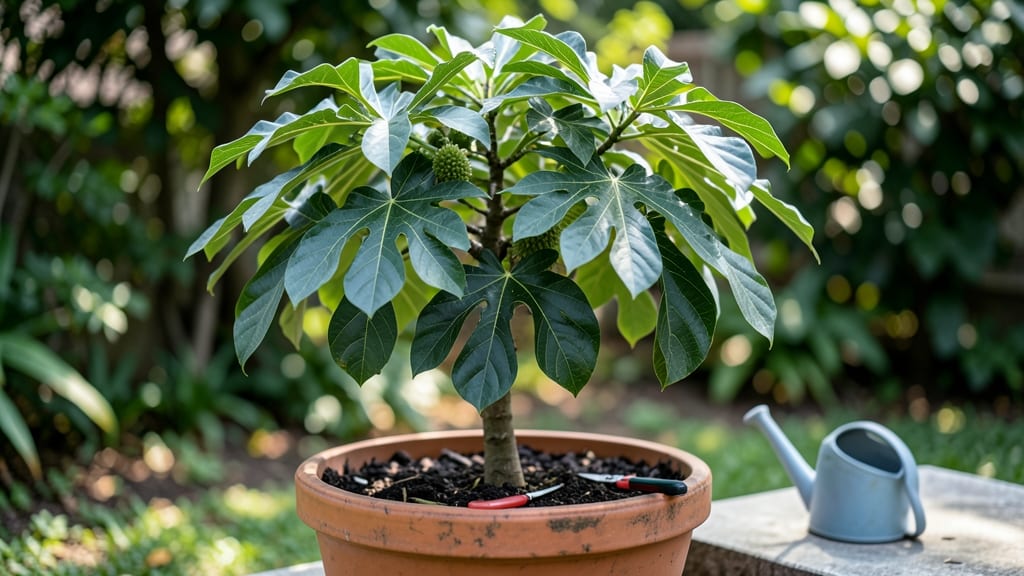
Growing a small jackfruit tree in the Pacific Northwest isn’t just possible—it’s a game-changer for tropical fruit lovers. 🌿 I’ve pruned mine through three winters, and the secret lies in shaping the canopy to survive our frosts while keeping the tree compact enough for a backyard.
The key is strategic cuts that balance air circulation with warmth retention, letting you enjoy sweet, custard-like fruit without sacrificing the tree’s health.
You’ll need dwarf varieties like ‘Hawaiian’ or ‘Hill’ jackfruit, which stay under 20 feet with proper pruning. Start with well-draining soil, full sun, and regular watering—then focus on winter prep.
After the first frost, I thin out dense branches to reduce heat loss, leaving only the sturdiest stems to protect the tree’s core. This method has kept my tree alive through 20-degree nights, and the rewards are worth the effort.
By spring, you’ll see new growth pushing through, and those pruned branches become the framework for a more productive canopy. The tree’s resilience surprises even skeptics—my neighbors thought it would die, but it’s now the star of my garden, producing fruit even in our cool summers.
With the right cuts, you’ll turn a tropical oddity into a frost-hardy staple.
Container growing works too, but choose a large pot (at least 15 gallons) and move it indoors when temps drop below 30°F. The pruning techniques stay the same—just adjust for the smaller scale.
Whether in-ground or in a pot, this approach proves that tropical dreams can thrive in temperate climates with the right care.
📚 In This Guide
- What you need
- Instructions
- Tips and common mistakes
- Wrapping up and next steps
What you need
- ● Pruning shears: Bypass pruners (for cuts look for sharp, stainless-steel blades (e.g., Felco F-2 or Corona).
- ● Loppers: 20–24” bypass loppers (for branches ½”–2” thick) – choose ratcheting or anvil types for heavy cuts.
- ● Pruning saw: Curved-tooth handsaw (for branches 2”+ thick) – avoid straight teeth to prevent tear-out.
- ● Disposable gloves: Heavy-duty, cut-resistant (e.g., Mechanix Wear 4510) – protects from thorns and sap.
- ● Rubbing alcohol (70%+) or bleach solution: 1 part bleach to 9 parts water – sterilizes tools between cuts.
- ○ Tree wound dressing: Pruning sealant (optional but helpful for large cuts) – choose a breathable, latex-based product.
- ● Ladder or step stool: Sturdy, extendable (12–16’ height) – ensure weight capacity exceeds 250 lbs.
- ● Heavy-duty trash bags: 30–50 gallon (for debris) – jackfruit leaves and branches are bulky!.
- ● Frost cloth or burlap: 3–5 sheets (10’ x 10’ each) – wrap vulnerable branches if frost is forecasted post-pruning.
- ● Anti-desiccant spray: (e.g., Wilt-Pruf) – applies a protective film to prevent winter drying.
- ○ Mulch (optional): Wood chips or straw (2–3” layer) – insulates roots in colder months.
- ● Safety glasses: ANSI-rated (e.g., Oakley or Pyramex).
- ● Long sleeves/pants: Made of thick fabric (e.g., denim or corduroy) – jackfruit thorns are no joke!.
- ● First-aid kit: Include tweezers (for thorn removal) and antiseptic wipes.
Step-by-step guide for pruning a small jackfruit tree in cold climates
Here's how to shape your jackfruit for resilience—without sacrificing fruit potential.
✂️ Step 1: Time Your Pruning for Maximum Recovery
Prune your jackfruit tree in late winter or early spring, just as new growth begins but before buds swell. For the Pacific Northwest, aim for February to March when temperatures stay above 40°F. This timing lets the tree heal before summer heat arrives and avoids late-season growth that won't harden before frost.
Real talk: If you prune too early, the tree stays vulnerable to cold damage. If you wait too long, you risk encouraging tender growth that won't survive winter. Watch for buds beginning to plump up—that's your cue to grab the shears.
🌿 Step 2: Remove Dead and Damaged Wood First
Start by cutting out any branches that died over winter—they'll be brown, brittle, or completely leafless. Make clean cuts just outside the branch collar (the swollen area where the branch meets the trunk). For larger branches, use sterilized pruning shears to prevent disease spread.
I also remove any branches that crossed or rubbed against each other. These weak spots invite disease and create entry points for frost damage. You'll know a branch is compromised if it has split bark or oozing sap—cut it out immediately.
☀️ Step 3: Thin the Canopy for Airflow and Sunlight
Jackfruit trees need good airflow to prevent fungal diseases like anthracnose. Step back and look for branches that block sunlight from reaching the center of the tree. Remove 20-30% of the canopy by cutting back branches that grow inward or downward.
Here's the thing—jackfruit trees fruit on new growth, so don't over-prune. Focus on selective thinning rather than heavy cutting. You want sunlight to reach the center but keep enough foliage to maintain energy production.
⏰ Step 4: Shape for Frost Resilience
Create a rounded, vase-like shape to allow snow to slide off easily. This prevents branch breakage under heavy winter loads. Cut back the lowest branches first to raise the canopy at least 6 feet off the ground—this gives your tree better frost protection.
For smaller trees, you can also shorten the outer branches by about one-third to encourage bushier, more resilient growth. Just avoid cutting into old wood—jackfruit trees fruit on new shoots, so always prune back to a bud or lateral branch.
💧 Step 5: Clean Up and Protect the Tree
After pruning, sterilize your tools with rubbing alcohol to prevent disease spread. Remove all clippings from the area—don't leave them piled under the tree, as they can harbor pests and fungi.
Finally, apply a light layer of mulch around the base (but not touching the trunk) to insulate roots. For extra frost protection, wrap the trunk with burlap or tree wrap in late fall—this prevents sun scorch and frost cracks. Your tree will thank you next spring!
Tips & tricks for perfect small jackfruit tree pruning
Pruning a jackfruit tree in cold climates takes strategy—here's how to avoid common mistakes and maximize success.
Timing is Everything: That February to March window is critical for Pacific Northwest trees. If you're unsure about the exact timing, check for buds beginning to plump up—this is your visual cue. I've seen trees pruned too early develop frost cracks, while late pruning encourages tender growth that won't survive winter. Mark your calendar now for next year!
Tool Preparation Matters: Sterilizing your pruning shears with rubbing alcohol isn't just about disease prevention—it's about giving your tree the best possible start. I learned this the hard way after seeing fungal infections appear on trees I'd pruned with unsterilized tools. For larger branches, use sharp bypass pruners to make clean cuts that heal faster.
Canopy Thinning Strategy: When removing 20-30% of the canopy in Step 3, focus on branches that grow inward or downward first. These are the ones blocking sunlight and airflow to the center. I recommend working from the inside out—this prevents accidental over-pruning of the outer branches that provide energy production. Think of it like creating a natural air vent system for your tree.
Frost Protection Secrets: The rounded, vase-like shape isn't just aesthetic—it's a snow management system. Snow slides off more easily from curved surfaces, preventing branch breakage. For extra protection, consider installing a tree wrap in late fall if your winters get particularly harsh. This simple step can prevent costly frost cracks that take years to heal.
Pro Tips for Small Jackfruit Tree
- Pruning a jackfruit tree in cold climates takes strategy—here's how to avoid common mistakes and maximize success.
- Timing is Everything: That February to March window is critical for Pacific Northwest trees.
- Tool Preparation Matters: Sterilizing your pruning shears with rubbing alcohol isn't just about disease prevention—it's about giving your tree the best possible start.
Frequently asked questions
Got questions about keeping your small jackfruit tree thriving in the Pacific Northwest? Here are some of the most common concerns—and their answers—to help you prune like a pro!
How cold can a small jackfruit tree tolerate before frost damage occurs?
A small jackfruit tree (Artocarpus heterophyllus) is tropical at heart and typically struggles below 28°F (-2°C). In the PNW, young trees (under 3 years) need protection when temps drop near freezing—use frost cloth, row covers, or move potted trees indoors. Mature trees with thick canopies fare slightly better but still risk leaf burn.
When is the best time to prune a small jackfruit tree in the PNW?
Prune late winter to early spring (February–March) before new growth starts. This avoids stressing the tree during dormancy. If you must prune in summer, do it after fruiting to redirect energy. Never prune in fall—it delays healing before winter’s chill.
How much can I trim a young jackfruit tree without harming it?
For small jackfruit trees (under 5 feet), aim to remove no more than 20–25% of foliage per year. Focus on:
- Dead or crossing branches
- Suckers at the base
- Overcrowded growth to improve airflow
What if my jackfruit tree’s leaves turn yellow after pruning?
Yellowing leaves post-pruning are usually normal stress, but monitor for:
- Over-pruning (too many cuts at once)
- Underwatering (PNW’s dry summers can worsen shock)
- Nutrient deficiency (add compost or a balanced fertilizer)
Are there frost-resistant jackfruit varieties better suited for the PNW?
While no jackfruit is fully frost-hardy, some varieties tolerate cooler climates slightly better:
- ‘Chompanki’ – More cold-tolerant than others (up to 25°F/-4°C briefly).
- ‘Kulu’ – Faster-growing, but still needs winter protection.
Pro Tip: How can I speed up healing after pruning?
Seal cuts with pruning sealant (optional for small branches) and:
- Water deeply before and after pruning.
- Avoid fertilizing for 4–6 weeks post-trim.
- Mulch the base with 2–3 inches of organic mulch to retain moisture.
Wrapping up and next steps
Growing a small jackfruit tree in the Pacific Northwest is totally doable with the right pruning techniques—especially when you prioritize frost resilience and a manageable canopy. By following the steps outlined, you’ll encourage healthy growth, better fruit production, and a tree that thrives in your unique climate. 🌿
Now that you’re armed with the knowledge, why not take the next step? Grab your pruning shears, schedule a session on a mild day, and give your jackfruit tree the care it deserves. Your future harvests will thank you!