
Pruning
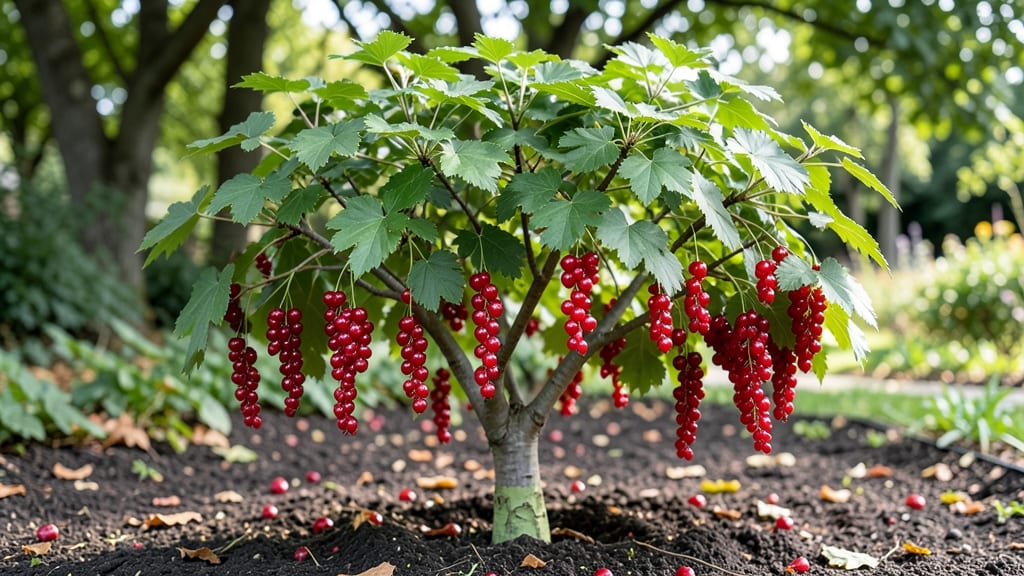
The red currant tree (Ribes rubrum) transforms from a tangled mess to a productive, open-canopied powerhouse with just a few well-timed cuts. I’ve pruned mine every winter for three years—each time, the difference in fruit yield and branch health is shocking.
The key isn’t just cutting back; it’s shaping the tree to let sunlight and air reach every branch, which means fewer diseases and more berries.
You’ll need sharp pruning shears, a ladder (for mature trees), and about 30 minutes per season to do this right. Start by removing dead or crossing branches first—those are the easy wins. Then focus on thinning out older wood to encourage new growth where the fruit forms.
Red currants reward precision over brute force; every cut should have a purpose, whether it’s opening up the center or redirecting energy to fruit-bearing spurs.
By late summer, you’ll see the payoff: clusters of glossy red berries hanging where sunlight hits, instead of sparse, shaded spots. The tree stays compact enough for easy harvesting, and the open structure makes it easier to spot pests before they become a problem.
Prune at the right time, and you’ll turn a once-neglected corner of your yard into a foolproof berry producer that keeps giving for decades.
Works in zones 3-7, whether you’re growing one tree in a backyard or a small orchard. The same principles apply whether you’re shaping a young sapling or renovating an overgrown mature plant. Let’s get those shears ready—your tree’s best years are ahead.
📚 In This Guide
- What you need
- Instructions
- Tips and common mistakes
- Wrapping up and next steps
What you need
- ● Pruning shears: Bypass pruners (sharp, clean, and disinfected—blank">bleach solution (1 part bleach to 9 parts water) works great!). Size: 6–8 inches for precision.
- ● Loppers: For thicker branches (½–1½ inches in diameter). Look for: Long handles (30+ inches) and a ratcheting or bypass blade.
- ● Pruning saw: For stubborn, woody stems (20–24 inches long). Type: Bow saw or curved-blade pruning saw.
- ● Gloves: Heavy-duty, cut-resistant (e.g., blank">mechanics’ gloves) to protect against thorns and sap.
- ● Disinfectant: 70% isopropyl alcohol or blank">copper-based fungicide to sterilize tools between cuts (prevents disease spread!).
- ● Tarp or drop cloth: 4x6 ft to collect debris and protect the ground.
- ● Rubbing alcohol or hand sanitizer: For cleaning hands after handling sap (which can irritate skin).
- ● Pruning sealant: (e.g., blank">Tanglefoot Tree Wound Pruning Seal) for large cuts >2 inches in diameter—controversial but some swear by it!
- ● Ladder or step stool: If your tree is over 6 feet tall (safety first!). Tip: Use a stable, 3-sided ladder.
- ● Marking spray: (e.g., blank">fluorescent paint) to tag branches for removal (great for complex pruning plans).
- ● Compost bin or bucket: For repurposing pruned branches as mulch or compost.
- ● Safety glasses: To shield eyes from flying debris (especially when using a saw).
- ● Research: Know your tree’s age, health status, and last pruning date. Red currants thrive with annual light pruning and major shaping every 3–5 years.
- ● Weather check: Prune on a dry, calm day (avoid rain/wind for 24 hours post-pruning).
- ● Tool sharpening: Dull tools crush branches—hone blades with a blank">file or sharpening stone before starting.
- ● Safety brief: Wear long sleeves/pants to avoid sap burns and thorns. Pro tip: A long-sleeve shirt + gloves = game-changer!
Instructions for pruning a red currant tree for optimal growth
Pruning red currants isn't just about shaping—it's about unlocking their full potential. Here's how to keep your tree healthy and productive year after year.
Time Your Pruning for Best Results
Winter is the ideal time to prune red currants, between late fall and early spring while the tree is dormant. This timing prevents disease spread and allows fresh cuts to heal properly before new growth begins. Avoid pruning during wet conditions—damp wood is more susceptible to fungal infections.
If you notice broken or diseased branches anytime, remove them immediately. Just don't prune for shaping during active growth periods. The tree's energy should focus on establishing roots and preparing for next season's fruit production.
Remove Dead, Diseased, and Weak Wood First
Start by eliminating any branches that are dead, diseased, or crossing others. Use clean, sharp pruning shears to make cuts at a 45-degree angle just outside the branch collar—this prevents water from pooling and causing rot. Look for branches with no green tissue when scratched or those showing signs of fungal growth like black spots.
Thin out crowded branches to improve airflow and sunlight penetration. This reduces humidity in the canopy, which is crucial for preventing mildew—a common problem with red currants. Aim to keep the center of the tree open so light reaches all parts of the canopy.
Shape the Tree for Balance and Airflow
Step back and visualize the tree's natural shape. Red currants respond well to an open-center form, allowing sunlight to reach the lower branches where fruit develops. Remove any branches growing inward or rubbing against others—these will eventually cause damage or disease.
Focus on maintaining a balanced structure with a strong central leader. Cut back any overly vigorous shoots to prevent the tree from becoming top-heavy. For established trees, limit annual pruning to about 20-25% of the total growth to avoid shocking the plant.
Encourage Fruit Production Through Strategic Cuts
Fruit develops on one-year-old wood, so avoid heavy pruning of last year's growth. Instead, focus on removing older branches that have stopped producing well. Cut these back to a strong lateral branch or bud. This stimulates new growth that will bear fruit next season.
For younger trees, prune to encourage a well-branched structure. Make cuts just above an outward-facing bud to promote branches that grow away from the center. This creates a sturdy framework for future fruit production and makes future pruning easier.
Clean Up and Maintain Tools
After pruning, collect all debris and dispose of it away from the garden to prevent disease spread. Sterilize your pruning tools with rubbing alcohol between cuts, especially if you're working with diseased branches. This simple step prevents cross-contamination that could harm healthy parts of the tree.
Finally, apply a fresh layer of mulch around the base of the tree to retain moisture and regulate soil temperature. Keep mulch 2-3 inches thick but avoid piling it against the trunk. This protects the tree's roots and encourages strong growth for next year's harvest.
Tips & tricks for perfect red currant tree pruning
Pruning your red currant tree right can mean the difference between a modest harvest and a bounty of sweet berries. Here's what I've learned from years of hands-on experience—and a few mistakes along the way.
Timing is Everything: That winter dormant period between late fall and early spring isn't just ideal—it's critical. The tree's energy is focused on root development rather than healing cuts, which means cleaner wounds and fewer disease issues. I've seen pruning in wet conditions lead to black spot fungus within weeks, so always check the forecast. A dry, calm day is your best friend.
Look Beyond the Obvious: Don't just focus on dead branches—scratch the bark of suspicious branches with your fingernail. Healthy wood has green underneath, while diseased wood will show brown or black. I once missed a hidden infection because I didn't check beneath the surface, and it took me two seasons to catch up. Also, those crossing branches might seem harmless, but they'll eventually rub against each other, creating wounds that invite disease.
The 20-25% Rule: For established trees, this isn't just a suggestion—it's a guideline that prevents shock. I learned this the hard way when I over-enthused and pruned too much in one season. The tree struggled to recover, and my harvest dropped by nearly half the next year. Think of it as giving your tree a haircut—not a buzz cut. Spread out heavier pruning over two seasons if needed.
Mulch Matters: That 2-3 inch layer of mulch isn't just for looks—it's a protective barrier. I always mulch after pruning because it helps regulate soil temperature and retains moisture, which is especially important during the tree's recovery period. Just remember to keep it away from the trunk to prevent rot. A well-mulched tree looks after itself better during the growing season.
Pro Tips for Red Currant Tree
- Pruning your red currant tree right can mean the difference between a modest harvest and a bounty of sweet berries.
- Timing is Everything: That winter dormant period between late fall and early spring isn't just ideal—it's critical.
- Look Beyond the Obvious: Don't just focus on dead branches—scratch the bark of suspicious branches with your fingernail.
Frequently asked questions
Got questions about pruning your red currant tree? You’re not alone! Whether you’re a first-time pruner or a seasoned gardener tweaking your routine, these answers will help you keep your tree thriving. Let’s dive in:
When is the best time to prune a red currant tree?
The ideal time is late winter or early spring (before buds break) to avoid spreading fungal diseases. Avoid pruning in fall, as wet conditions can invite infections. If you must prune in summer, do so during dry weather and sterilize tools to minimize risks.
How much of my red currant tree can I safely prune?
Aim to remove 15–25% of the tree’s oldest wood each year to encourage new growth and airflow. Avoid over-pruning—never cut more than 30% in a single session, or you risk stressing the tree. Focus on shaping, thinning, and removing dead/diseased branches first.
My red currant tree has brown, mushy stems—what’s wrong?
This is likely bacterial canker, a common disease in currants. Act fast: Prune infected branches 6 inches below the damage, sterilize tools with rubbing alcohol, and dispose of clippings (don’t compost!). Apply copper fungicide as a preventive measure in spring.
Can I prune a red currant tree in containers or small spaces?
Yes! Container-grown red currants need regular pruning to control size and shape. Use dwarf varieties (like ‘Red Lake’) for tight spaces, and prune aggressively in early spring to maintain a compact form. Ensure containers have drainage and room for roots to expand.
Will pruning affect next year’s fruit harvest?
Not if done correctly! Pruning promotes larger, healthier fruit by improving airflow and sunlight. However, avoid heavy cuts in fruit-bearing years—focus on thinning crowded branches and removing suckers. Balance is key: 3–4 main branches with good spacing yields the best results.
Pro tip: Label branches with twine if you’re unsure which to prune—it’s easier to spot dead wood in winter!
Wrapping up and next steps
Pruning your red currant tree isn’t just about keeping it tidy—it’s the secret to a thriving, fruit-filled future! 🌿 By mastering the art of strategic cuts, you’ll boost airflow, prevent disease, and encourage lush growth.
Whether you’re a seasoned gardener or just starting, every snip brings you closer to a healthier tree and a bountiful harvest.
Ready to take action? Grab those pruners and start small! Begin with one branch at a time, follow the steps you’ve learned, and watch your red currant tree transform. Happy pruning—your garden (and taste buds) will thank you! 🌟