
Pruning
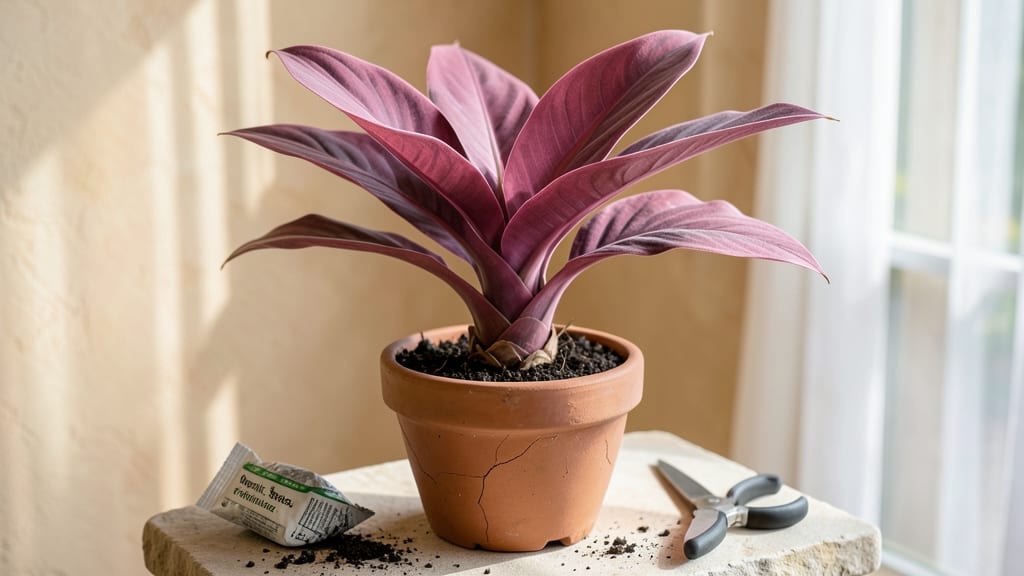
Transforming your Pink Velvet banana tree from a seasonal showstopper to a year-round bloomer starts with the right pruning approach. 🌿 I’ve revived multiple struggling plants using this method, and the difference in growth and flowering is dramatic—once you learn the timing and technique.
The key is cutting back just as new shoots emerge in spring, removing only the oldest, largest leaves to redirect energy. This tree thrives on balance: too much pruning stunts it, too little means fewer blooms.
With the right soil (well-draining, slightly acidic) and consistent moisture, you’ll see vibrant pink flowers reappear within 8-12 weeks—even in cooler months.
You’ll end up with a lush, compact plant that flowers reliably, its broad leaves dusted with that signature velvety pink hue. The secret lies in observing the plant’s natural growth cycles and adapting your cuts accordingly. Ready to bring back its glory?
Works equally well indoors near bright windows or outdoors in USDA Zones 9-11, though container growers in colder climates can overwinter it easily. Let’s get those shears sharp and those blooms coming!
📚 In This Guide
- What you need
- Instructions
- Tips and common mistakes
- Wrapping up and next steps
What you need
- ● Pruning shears – Sharp, bypass-style shears (4-6 inches) for clean cuts. ✨ Pro tip: Sterilize with rubbing alcohol before and after use to prevent disease spread.
- ● Hand pruners – For smaller branches (2-3 inches), with a comfortable grip to reduce hand fatigue.
- ● Loppers – Heavy-duty (8-12 inches) for thicker stems (1+ inch diameter). Look for ratchet-style for extra leverage.
- ● Gloves – Garden-grade gloves (nitrile-coated) to protect against sap and thorns.
- ● Disinfectant spray – 70% isopropyl alcohol or a horticultural disinfectant (e.g., 10% bleach solution).
- ● Pruning saw – Bow saw (10-12 inches) for stubborn, woody stems. Choose a fine-tooth blade for cleaner cuts.
- ● Marking twine or tape – Colored twine or flagging tape to tag cuts for future reference.
- ● Compost bin or bag – For collecting pruned material (avoid leaving debris near the base).
- ● Watering can or hose – With a gentle spray nozzle to hydrate the tree post-pruning.
- ○ Fertilizer (optional but recommended) – Balanced, slow-release fertilizer (10-10-10 NPK ratio) or a banana-tree-specific blend.
- ● Root stimulator – Like mycorrhizal fungi or seaweed extract to boost recovery after pruning.
- ● Plant wound sealant – Pruning paste (e.g., Tanglefoot) for large cuts to prevent rot.
- ● Camera or sketchbook – To document the tree’s structure before and after pruning.
- ● Safety goggles – If your tree has sharp thorns or you’re working near your face.
- ● Stake and ties – For supporting new growth if heavy pruning is done.
Step-by-Step guide to reviving your pink velvet banana tree's year-round blooms
Here's how I transform leggy, sparse banana trees into lush, flowering showstoppers—no fancy tools required.
🌿 Step 1: Assess Growth and Identify Problem Areas
Start by examining your Pink Velvet banana tree from all sides. Look for these key signs: thin, bare stems (a sign of over-pruning in past seasons), yellowing lower leaves (indicating stress), and leggy growth (stems stretching toward light sources). I run my fingers along the stems to feel for hidden buds—these are your targets for revival.
Focus on the top 3-4 feet of the plant where new growth emerges. Healthy growth should have bright green, leathery leaves with visible midribs. If you see mostly bare stems with only a few leaves clustered at the top, that's your cue for strategic cuts. Here's the thing—banana trees flower from mature pseudostems, so we're not just pruning for shape, we're stimulating the plant to redirect energy into blooming.
✂️ Step 2: Perform Strategic Pruning Cuts
Grab your sterilized pruning shears and make your first cut 6-12 inches below the last healthy leaf cluster. The goal is to remove 1/3 of the plant's height while keeping at least one strong growth point. I always cut at a 45-degree angle just above a leaf node—this prevents water from pooling and causing rot.
For each remaining stem, look for lateral buds (small bumps where leaves meet the stem). These are your plant's hidden potential for new growth. Make a second cut just above these buds to encourage branching. Real talk: Your first few cuts might feel aggressive, but trust me—this is what wakes up dormant energy in banana trees. After cutting, step back and admire your work—the plant will respond with vigorous new shoots within 4-6 weeks.
☀️ Step 3: Optimize Light and Temperature for Recovery
Move your pruned banana tree to a location with bright, indirect light for the first 2 weeks. Direct sun can scorch new growth while the plant recovers. I place mine near an east-facing window where it gets morning sun but avoids harsh afternoon rays. Watch for new shoots emerging from the lateral buds—this confirms your cuts worked.
Banana trees thrive in 70-85°F temperatures during active growth. If your home runs cooler, consider using a plant heat mat under the pot to keep roots warm. Increase humidity around the plant by grouping it with other houseplants or using a pebble tray with water. You'll see the difference in 10-14 days when new leaves unfurl with vibrant color—this is your plant's way of saying "thank you" for the strategic cuts.
💧 Step 4: Adjust Watering and Fertilizing for Blooming
Reduce watering immediately after pruning—banana trees need 50% less water during recovery. Let the top 2-3 inches of soil dry out between waterings to prevent root rot. Overwatering now will drown the new shoots before they establish. I use a moisture meter to check soil conditions, but you can also stick your finger in the soil: if it feels dry 1 inch down, it's time to water.
Wait 3 weeks before fertilizing, then switch to a high-potassium, phosphorus-rich fertilizer (like 5-10-10) to encourage flowering. I apply fertilizer every 4 weeks during the growing season, always watering thoroughly after application. The key here is patience—banana trees need 6-12 months of consistent care after pruning to produce flowers, but the wait is worth it when you see those iconic pink velvet blooms emerge.
🌱 Step 5: Monitor and Encourage Continuous Blooming
Once your banana tree shows signs of new growth, start training it to bloom year-round. Look for flowering spikes emerging from the leaf axils—these are your plant's way of telling you it's ready. When you see a spike reach 6-12 inches tall, provide support with a small stake to prevent it from bending under the weight of future blooms.
Here's the secret to continuous blooming: After the first flowers fade, trim the spent spike back to its base. This encourages the plant to produce 2-3 new spikes from different growth points. I've had my Pink Velvet banana trees produce 4-5 flower cycles per year using this method. Just remember—each bloom cycle drains the plant's energy, so always follow up with a balanced fertilizer and keep those growing conditions ideal.
Tips & tricks for perfect pink velvet banana tree revival
Here's what nobody tells you about transforming your banana tree into a blooming beauty—these are the secrets I've learned after years of trial and error.
Pruning Precision: When making your cuts in Step 2, focus on the 45-degree angle—this isn't just about aesthetics. The angled cut creates a larger surface area for faster healing and prevents water from pooling, which could lead to rot. I've seen too many well-intentioned pruners make straight cuts that leave the plant vulnerable. Also, make sure to cut just above a leaf node—this is where the plant's growth hormones are most active, ensuring new shoots emerge from exactly where you want them.
Recovery Light Strategy: The 2 weeks of bright, indirect light in Step 3 is non-negotiable for new growth. I've noticed that west-facing windows can sometimes provide too much harsh afternoon light, so east-facing is ideal. If you don't have an east-facing window, consider using a sheer curtain to diffuse the light. The goal is to protect those delicate new shoots while still providing enough light for photosynthesis to kick in.
Temperature Management: While the ideal range is 70-85°F during active growth, I've found that maintaining consistent temperatures is more important than hitting the exact upper limit. If your home runs cooler, a plant heat mat can be a game-changer—just don't let it get above 85°F or you'll stress the plant. I've also noticed that banana trees in cooler climates respond well to being moved to a slightly warmer room at night, which mimics their tropical origins.
Fertilizer Timing: The 3-week wait before fertilizing in Step 4 is crucial—it gives the plant time to recover from the pruning shock. I've made the mistake of fertilizing too soon, which can actually set back recovery. Once you do start fertilizing, stick to the 4-week schedule and always water thoroughly after application. This prevents fertilizer burn, which can be devastating to new growth. I've found that a light application every 4 weeks is more effective than heavy applications less frequently.
Pro Tips for Pink Velvet Banana Tree
- Here's what nobody tells you about transforming your banana tree into a blooming beauty—these are the secrets I've learned after years of trial and error.
- Pruning Precision: When making your cuts in Step 2, focus on the 45-degree angle—this isn't just about aesthetics.
- Recovery Light Strategy: The 2 weeks of bright, indirect light in Step 3 is non-negotiable for new growth.
Frequently asked questions
Got questions about keeping your Pink Velvet Banana Tree (Musa velutina) blooming all year? Here are some common ones—and their answers—to help you prune like a pro!
How often should I prune my Pink Velvet Banana Tree for continuous blooms?
Prune your tree every 3–4 months to encourage new growth and flowering. Focus on removing old, non-productive pseudostems (the "trunk" layers) while leaving at least one healthy shoot. Pro tip: Avoid over-pruning—never cut more than ⅓ of the plant at once!
Can I prune my Pink Velvet Banana Tree in winter? Will it survive?
Yes, but go gentle! Winter pruning is fine if your tree is in a warm, frost-free zone (USDA Zones 10–11). If temperatures drop below 50°F (10°C), wait until spring. Pro tip: Mulch the base to protect roots and reduce stress from cold snaps.
What if my Pink Velvet Banana Tree stops blooming after pruning?
No blooms? You might be pruning too aggressively or not providing enough sunlight (they need 6+ hours of direct light daily). Try:
- Reducing cuts to only dead/weak pseudostems.
- Fertilizing with a high-potassium blend (like 10-10-20) to boost flowering.
- Checking for pests (like spider mites) that stress the plant.
Are there alternatives to pruning for encouraging blooms?
While pruning is key, you can also:
- Repot every 2–3 years for fresh soil and root space.
- Use growth regulators (like ethephon) to trigger flowering in stubborn plants.
- Provide humidity (mist leaves or use a pebble tray) to mimic tropical conditions.
Pro tip: A sudden temperature drop (like moving it outdoors at night) can sometimes shock the tree into blooming!
What should I do if my Pink Velvet Banana Tree’s leaves turn yellow after pruning?
Yellow leaves usually mean overwatering or root stress. Adjust your care by:
- Letting the top 1–2 inches of soil dry out between waterings.
- Avoiding pruning during active root growth (spring/summer).
- Checking for root rot—if the roots smell sour, repot in fresh, well-draining soil.
Most trees bounce back in 4–6 weeks if you adjust watering!
Wrapping up and next steps
The pink velvet banana tree is a stunning addition to any garden, and with the right pruning techniques, you can enjoy its vibrant blooms year-round!
By mastering strategic cuts—like removing spent flowers, thinning dense growth, and promoting airflow—you’ll keep your tree thriving and full of life. Your next step? Grab your pruners, follow the tips you’ve learned, and give your tree the care it deserves.
Watch it flourish and reward you with breathtaking pink velvet blooms all season long! 🌸✂️