
Pruning
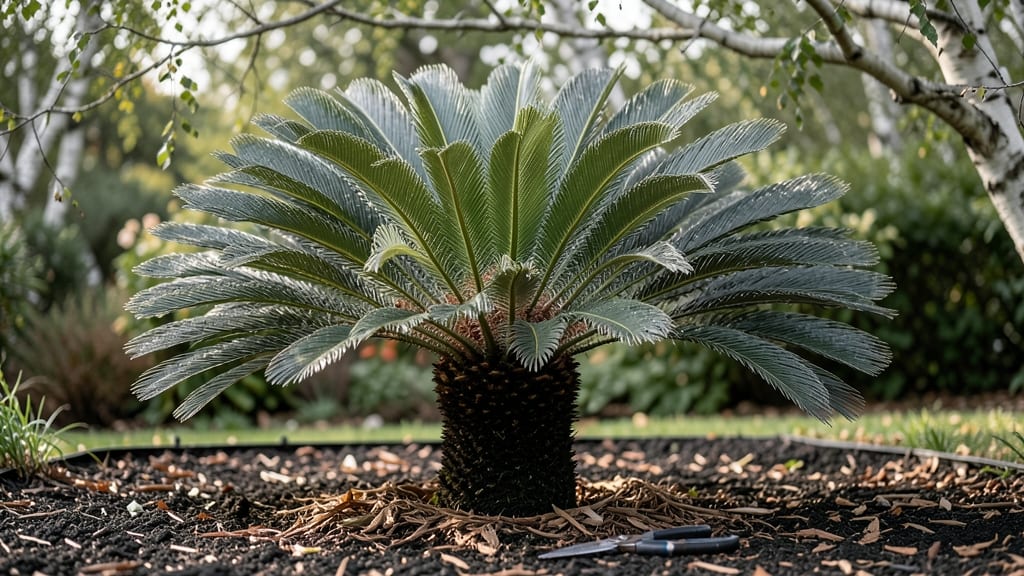
Caring for a palm tree isn’t just about watering—it’s about understanding its slow, deliberate growth and how to prune without harming its future. 🌴 I’ve learned that one wrong cut can set a palm back years, so I focus on removing only dead fronds and browned leaves, never more than a third at once.
The key is patience: a healthy palm grows for decades, and every pruning decision affects its long-term strength.
Your palm thrives on bright, indirect light—outdoors in partial shade or indoors near an east-facing window. Soil should drain like a sandy loam, never staying soggy, and you’ll water only when the top 6 inches of soil feel dry.
Overwatering kills more palms than anything else, so I check with my finger before reaching for the hose. Fertilizing lightly in spring and summer keeps it fed without burning the roots.
By the end of the year, you’ll see a palm that stands taller and fuller, with clean fronds and no brown debris at its base. The secret isn’t dramatic changes—it’s consistent, gentle care that matches the plant’s natural rhythm.
Even indoor palms respond when you mimic their outdoor needs, though they’ll grow slower without direct sunlight.
Outdoor palms need seasonal adjustments: more water in summer heat, less in winter dormancy. Indoor palms may develop spider mites if the air is too dry, so I mist them occasionally and wipe the leaves with a damp cloth.
The goal isn’t perfection—it’s keeping your palm alive long enough to see it mature into the statement plant it’s meant to be.
📚 In This Guide
- What you need
- Instructions
- Tips and common mistakes
- Wrapping up and next steps
What you need
- ● Pruning shears or loppers – Bypass pruners (8-10" blades) for clean cuts on smaller fronds.
- ● Pruning saw – Heavy-duty, 16-20" curved blade for thick stalks or dead fronds (1-2 required).
- ● Extension pole – 10-15 ft. telescopic pole with saw attachment for high branches.
- ● Heavy-duty gloves – Cut-resistant, 12-14" length (2 pairs recommended).
- ● Safety goggles – ANSI-rated, impact-resistant to shield from debris.
- ● Ladder or lift – Sturdy, 20-30 ft. extension ladder (or professional lift for tall palms).
- ● Disposable pruning bags – 50-100 gallon capacity (2-3 bags) for debris removal.
- ● Disinfectant (70% isopropyl alcohol) – Small spray bottle to sterilize tools between cuts.
- ● First-aid kit – Includes antiseptic wipes, bandages, and tweezers for minor injuries.
- ● Pruning sealant – Latex-based wound dressing for large cuts (prevents disease).
- ● Fertilizer (balanced palm fertilizer) – 10-10-10 NPK ratio to nourish post-pruning.
- ● Tarps or drop cloths – 10x10 ft. heavy-duty to protect landscaping from debris.
- ● Pole-mounted leaf blower – For quick cleanup of fine frond debris.
- ● Camera or phone with zoom – To spot hard-to-reach dead fronds before climbing.
How to maintain a thriving palm tree through pruning
Pruning isn't just about looks—it's the secret to keeping your palm strong and healthy all year.
🌿 Step 1: Assess Your Palm's Health Before Pruning
Start by examining your palm tree closely. Look for fronds that are yellowing, brown, or dead—these are the ones you'll remove first. Healthy fronds have a vibrant green color and a natural arch. I always check the undersides too, because pests often hide there before you notice damage.
Run your hands along the trunk and fronds to feel for any rough spots or unusual textures. A healthy palm should feel smooth with no sticky residue or sawdust-like debris (that's a sign of palm weevil infestation). If you see any fronds growing straight up instead of arching, that's a sign of nutrient deficiency or overwatering.
✂️ Step 2: Gather the Right Tools and Safety Gear
You'll need sharp pruning shears for smaller fronds and a pruning saw for thicker stems. I always wear heavy-duty gloves—palm fronds have razor-sharp edges that can slice through skin. Safety glasses are a must too, because falling debris can cause eye injuries when working with large palms.
Have a sturdy ladder or lift ready if your palm is taller than 10 feet. Never stand on wobbly surfaces or climb when wet—palm sap can make surfaces extremely slippery. I keep a bucket or tarp below to catch falling fronds and make cleanup easier.
🌱 Step 3: Remove Dead and Damaged Fronds First
Start with the easiest cuts—the dead fronds. These will be completely brown and dry to the touch. Cut them off at the base where they meet the trunk, making a clean cut at a 45-degree angle. This prevents water from pooling and reduces disease risk. Never leave stubs longer than 3 inches.
For partially damaged fronds, only remove the brown sections. If more than half the frond is brown, it's better to remove the whole thing. You'll know you've done enough when your palm looks balanced with 3-4 healthy fronds at the top and a gradual taper down the trunk.
☀️ Step 4: Prune for Airflow and Light Penetration
Now focus on the living fronds. Remove any that are blocking sunlight from reaching the center of the palm. You want to create an open, vase-like shape that allows air to circulate. I like to leave the newest fronds at the top—these are your palm's energy producers.
When pruning, never remove more than one-third of the fronds at a time. This prevents shock and gives your palm time to recover. After pruning, step back and look at your palm from all sides. If it looks lopsided or uneven, you'll need to adjust your cuts.
💧 Step 5: Clean Up and Monitor Recovery
After pruning, dispose of all debris immediately—don't leave cut fronds lying around the base. This prevents pests and diseases from taking hold. I always sterilize my tools with rubbing alcohol between cuts to prevent spreading any pathogens.
Water your palm deeply right after pruning to help it recover. Then monitor it closely for the next few weeks. You'll know your palm is happy when new fronds start emerging from the center. If you see yellowing leaves after pruning, that's normal—it's your palm's way of shedding damaged tissue.
Tips & tricks for perfect palm tree pruning
Here's what nobody tells you about pruning palms—these tricks will keep your tree thriving for years.
Timing is Everything: The best time to prune is during the warmest months of the year, typically late spring or early summer. This allows your palm to recover quickly and grow new fronds before cooler weather sets in. Avoid pruning during extreme heat or cold, as this can stress your palm. I've seen palms struggle to recover when pruned in fall or winter, so timing matters more than you might think.
Tool Sharpness Matters: Dull tools crush fronds instead of making clean cuts, which can damage the palm and leave it vulnerable to disease. Always use sharp pruning shears and saws—test them by making a clean cut through a piece of paper before you start. I keep a small file in my toolkit to sharpen blades between cuts if needed. A clean cut heals faster and looks better too.
Seasonal Checkup: Make it a habit to do a quick seasonal assessment of your palm's health before pruning. Look for signs of pests like spider mites or scale insects, which often hide on the undersides of fronds. If you notice any unusual spots, treat them before pruning—this prevents spreading pathogens during the process. I've caught early infestations this way and saved my palms from serious damage.
Cleanup Prevents Problems: After pruning, dispose of all debris immediately—don't leave cut fronds lying around the base. This simple step prevents pests and diseases from taking hold. I always sterilize my tools with rubbing alcohol between cuts to prevent spreading any pathogens. The cleaner you stay, the healthier your palm will be in the long run.
Pro Tips for Care For Palm Tree
- Here's what nobody tells you about pruning palms—these tricks will keep your tree thriving for years.
- Timing is Everything: The best time to prune is during the warmest months of the year, typically late spring or early summer.
- Tool Sharpness Matters: Dull tools crush fronds instead of making clean cuts, which can damage the palm and leave it vulnerable to disease.
Frequently asked questions
Got questions about keeping your palm tree thriving?
Here are answers to the most common concerns—from pruning timing to troubleshooting—so you can care for your palm like a pro!
When is the best time to prune a palm tree?
The ideal time to prune is late winter or early spring (before new growth starts). Avoid pruning during extreme heat or cold, as it stresses the tree. If you must prune in summer, do it early in the morning to reduce water loss. Pro tip: Check your local climate—coastal areas may tolerate summer pruning better!
How do I know if my palm tree needs pruning?
Signs include dead or brown fronds (hanging limply), yellowing leaves, or fronds blocking sunlight/visibility. Healthy palms have 30-50% green fronds—if dead fronds exceed this, it’s time. Warning: Never prune more than 1/3 of the fronds at once to avoid shocking the tree.
Can I prune a palm tree at any height, or are there safety risks?
Pruning tall palms (over 15 ft) requires proper safety gear: harnesses, gloves, and a sturdy ladder or professional help. Never stand on fronds—they’re slippery! For heights over 20 ft, hire a certified arborist. Safety first: Wear eye protection and avoid wet conditions to prevent falls.
What should I do with the fronds after pruning?
Dispose of dead fronds in your green waste bin (if allowed) or compost them away from the tree to prevent pests. Healthy fronds can be repurposed for mulch or craft projects. Never burn them—palm fronds release toxic fumes when burned!
My palm tree has black spots or oozing sap—what’s wrong?
Black spots or sap may signal fungal disease (like sooty mold) or insect infestations (e.g., palm weevils). Prune affected fronds immediately and treat with copper fungicide or insecticide. Act fast: Weevils can kill a palm in weeks—inspect the base for boreholes!
Wrapping up and next steps
Caring for your palm tree doesn’t have to be daunting—with the right tools, timing, and techniques, you can keep it thriving year-round! 🌴 From pruning dead fronds to protecting against pests, strategic maintenance ensures your palm stays healthy and beautiful. Remember, patience and consistency are key.
Ready to take the next step? Start small: inspect your palm tree today, gather your supplies, and tackle one task at a time. Whether it’s removing old fronds or fertilizing, every effort brings your palm closer to its full potential. You’ve got this!