
Pruning
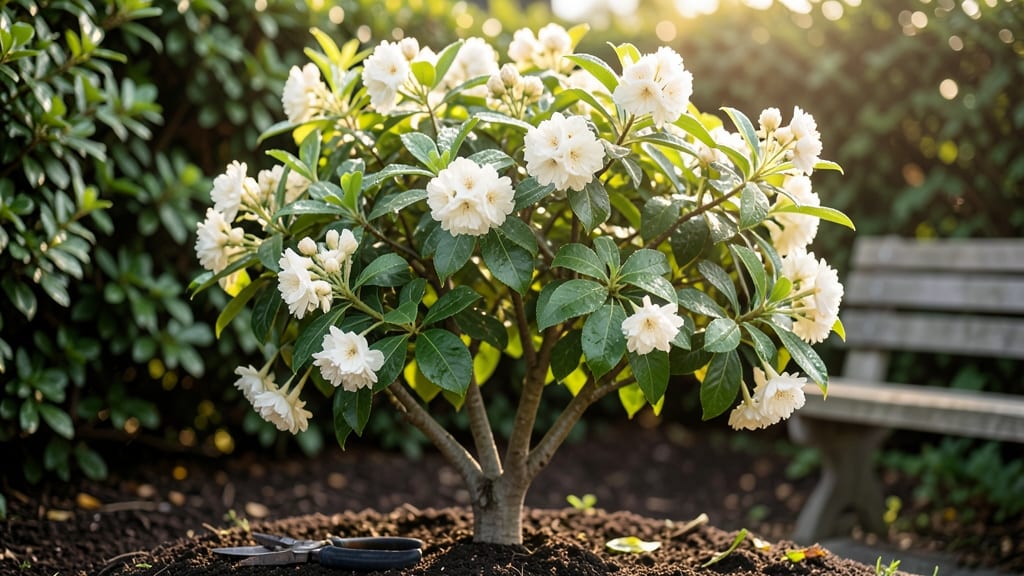
The sweet mock orange tree (Philadelphus coronarius) turns your garden into a fragrant sanctuary with its intoxicating blossoms. I’ve learned that its secret lies in strategic pruning—cutting at the right time transforms a sparse shrub into a lush, fragrant powerhouse.
The key isn’t just when you prune, but how: shaping the plant to encourage dense growth and more of those signature white, orange-scented flowers.
This tree thrives in partial shade to full sun and tolerates most well-drained soils, making it forgiving for beginners. A 3-5 foot mature height means it fits well in borders or as a small hedge.
The real magic happens when you time pruning for late winter or early spring—just as new buds begin to swell. That’s when the plant responds with vigorous growth and an explosion of blooms by late spring.
You’ll end up with a shrub that smells like a summer wedding bouquet and stays blooming for weeks. The fragrant flowers attract pollinators, and the glossy green leaves add year-round interest. Even in small spaces, this tree delivers big rewards with minimal fuss—just a few cuts and some patience.
Whether you’re reviving an overgrown plant or starting fresh, the same principles apply. The goal is always the same: more flowers, stronger structure, and that signature mock orange perfume filling your garden. Let’s get those pruners ready!
📚 In This Guide
- What you need
- Instructions
- Tips and common mistakes
- Wrapping up and next steps
What you need
- ● Pruning shears: Bypass pruners (sharp, clean, and 10-12 inch blades) for clean cuts on small branches.
- ● Loppers: Bypass or anvil type (for branches ½ to 1.5 inches thick).
- ● Pruning saw: Hand saw with a fine-tooth blade for thick branches (1.5+ inches).
- ● Gloves: Garden gloves (cut-resistant, nitrile-coated for grip and protection).
- ● Disinfectant: 70% isopropyl alcohol or bleach solution (1 part bleach to 9 parts water) to sterilize tools between cuts.
- ● Rubbing alcohol or hand sanitizer (for cleaning hands after pruning).
- ○ Pruning sealant (optional but helpful for large cuts to prevent disease).
- ● Bucket or bag (for collecting pruned branches and debris).
- ● Timing: Prune in late winter or early spring (before new growth) or right after flowering (summer). Avoid pruning in fall.
- ● Weather: Choose a dry, overcast day to minimize stress on the tree.
- ○ Safety gear: Optional—safety glasses (if dealing with large branches) and long sleeves/pants.
- ● Tree health assessment: Inspect the tree for diseased or dead branches before starting.
Strategic pruning techniques for reviving sweet mock orange blooms
Here’s how to coax your fragrant mock orange back to full bloom with precise cuts and timing.
Time Your Pruning for Optimal Growth
Prune your sweet mock orange tree immediately after flowering, typically in late spring or early summer. This timing ensures you remove spent blooms while leaving next year’s flower buds intact. The tree’s natural growth cycle relies on these buds, which form after blooms fade, so cutting too early risks pruning off potential flowers.
If you missed the post-bloom window, wait until late winter or early spring—just before new growth begins. This second chance lets you shape the tree without disrupting its flowering cycle. Avoid pruning in fall, as cold weather slows healing and invites disease.
Remove Dead, Diseased, or Crowded Branches
Start by identifying branches that are dead, diseased, or crossing others. Use sharp, clean pruning shears to make cuts at a 45-degree angle, about ¼ inch above a bud or lateral branch. This angle prevents water from pooling on the cut, reducing rot risk. Remove any branches thinner than a pencil—these rarely produce flowers and compete with stronger growth.
Look for branches growing inward or rubbing against others. These create wounds and block airflow, which weakens the tree. Cut these back to the main stem or a healthy outward-facing bud. Thin out crowded areas to improve sunlight penetration, which is critical for flower production.
Shape the Tree for Airflow and Light
Step back and assess the tree’s overall shape. Aim for an open, vase-like form that allows sunlight to reach the center. Start by thinning the outer canopy, removing up to 25% of the foliage if needed. This reduces stress on the tree and encourages stronger, more abundant blooms next season.
Focus on lifting the tree’s center by pruning lower branches that block light from reaching the interior. You’ll know you’ve struck the right balance when you can see sunlight filtering through the branches on a bright day. Avoid heavy pruning—never remove more than one-third of the tree’s foliage in a single session.
Encourage New Growth with Strategic Cuts
To stimulate fresh growth, make cuts just above a leaf node or bud that faces outward. This directs energy into new shoots rather than dormant wood. For older branches, prune back to a younger, healthier section of the stem. You’ll notice new growth emerging within 4-6 weeks—this is your signal that the tree is responding well.
If your tree has long, leggy branches, shorten them by one-third to encourage bushier growth. Avoid cutting into the trunk or large branches unless absolutely necessary, as these take years to recover. Mulch around the base with 2-3 inches of organic mulch to retain moisture and support root health during recovery.
Clean Up and Monitor for Recovery
After pruning, sterilize your tools with rubbing alcohol to prevent spreading disease. Collect and dispose of all clippings, especially if they show signs of pests or disease. This step is critical for maintaining the tree’s health and preventing reinfection.
Water the tree deeply after pruning to help it recover. Monitor the pruned areas for 2-3 weeks, watching for signs of new growth or stress. If you see yellowing leaves or wilting, adjust your watering or check for pests. With proper care, your sweet mock orange should reward you with fragrant blooms the following spring.
Tips & tricks for perfect sweet mock orange pruning
Here's what I've learned from years of pruning these fragrant beauties—tricks that'll keep your mock orange thriving and blooming abundantly.
Timing is Everything: The post-flowering window in late spring or early summer is non-negotiable for preserving next year's buds. I've seen gardeners accidentally prune off flower buds by cutting too early—don't make that mistake. If you miss this window, the late winter/early spring timing is your second chance, but avoid fall pruning completely. The tree's healing process slows dramatically in cooler weather, making it vulnerable to disease.
Cutting Technique Matters: That 45-degree angle isn't just aesthetic—it's functional. The sloped cut prevents water from pooling on the wound, which significantly reduces rot risk. I've had to replace entire branches after seeing water accumulate in flat cuts. Also, always cut just above a bud facing outward—this ensures new growth emerges in the right direction. For branches thinner than a pencil, consider removing them entirely as they rarely contribute to flowering.
Light Penetration Strategy: The goal is sunlight reaching the tree's center, so focus on lifting the canopy by removing lower branches that block light. I've found that when you can see sunlight filtering through the branches on a bright day, you've achieved the perfect balance. Remember the 25% foliage rule—never exceed one-third removal in a single session. This maintains the tree's energy balance while encouraging stronger blooms.
Recovery Monitoring: Those 2-3 weeks of monitoring after pruning are crucial. I've seen trees that appeared fine immediately after pruning develop stress symptoms later. Watch for new growth emerging within 4-6 weeks as your confirmation that the tree is responding well. If you notice yellowing leaves or wilting, adjust your watering immediately—this is often the first sign of stress.
Pro Tips for Sweet Mock Orange Tree
- Here's what I've learned from years of pruning these fragrant beauties—tricks that'll keep your mock orange thriving and blooming abundantly.
- Timing is Everything: The post-flowering window in late spring or early summer is non-negotiable for preserving next year's buds.
- Cutting Technique Matters: That 45-degree angle isn't just aesthetic—it's functional.
Frequently asked questions
Got questions about keeping your sweet mock orange tree thriving with the right pruning? Here are some of the most common queries—and their answers—to help you grow a fragrant, healthy plant with ease!
When is the best time to prune my sweet mock orange tree?
The ideal time to prune is right after flowering (late spring to early summer). This encourages new growth for next year’s blooms. Avoid heavy pruning in fall or winter, as it can stress the plant before dormancy. Light shaping can be done anytime, but timing matters for maximizing fragrance and flowers!
How much should I trim back my sweet mock orange tree?
For most sweet mock orange trees, prune no more than 25-30% of the foliage in one session. Focus on removing dead, crossing, or overcrowded branches first. If your tree is overgrown, spread pruning over 2-3 years to avoid shocking the plant. Think "less is more" for long-term health!
Can I prune my sweet mock orange tree in rainy or humid weather?
Avoid pruning during wet or humid conditions—this increases the risk of fungal diseases or bacterial infections. Wait for a dry, mild day (early morning is best) to minimize stress on fresh cuts. If you must prune in damp weather, sterilize tools with rubbing alcohol first!
What if my sweet mock orange tree isn’t blooming after pruning?
If your tree skips blooms, it might need more sunlight (6+ hours/day) or balanced fertilizer (low nitrogen, high phosphorus). Prune too late in the season? New growth may not mature enough for flowers. Try pruning lighter next year and monitor watering—drought stress can also delay blooms.
Are there alternatives to sweet mock orange for fragrant pruning?
Yes! If you love fragrance but want variety, consider:
- Jasmine (Jasminum) – Prune after blooming for repeat flowers.
- Gardenia – Light pruning post-flowering; loves shade.
- Mock Orange (Philadelphus) – Similar care but slightly hardier.
- Lilac (Syringa) – Prune right after blooming for next year’s show.
Wrapping up and next steps
The sweet mock orange tree is a fragrant gem that thrives with the right care—especially when it comes to pruning! 🌿 By mastering strategic trimming, you’ll encourage lush blooms, healthier growth, and that intoxicating citrusy scent for years to come.
Whether you’re a pruning pro or a beginner, these techniques make the process simple and rewarding.
Now that you’re armed with the know-how, go ahead and give your tree the TLC it deserves! Grab your shears, pick a sunny day, and enjoy the sweet rewards of your efforts. Happy pruning—and may your garden bloom beautifully! 🌸