
Pruning
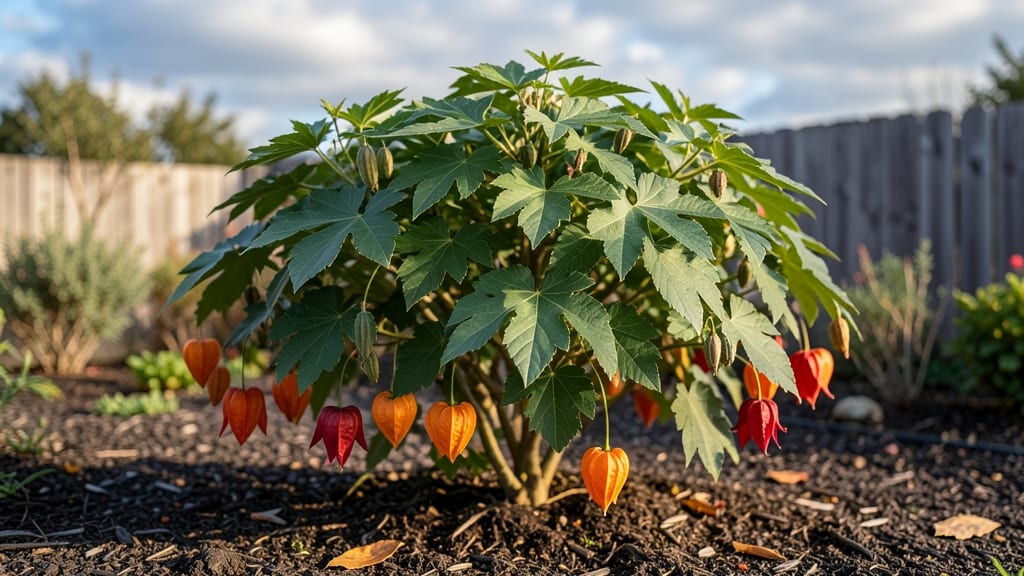
Pruning your Chinese lantern tree (Abutilon spp.) transforms it from a scraggly shrub into a vibrant, bushy showstopper that blooms nonstop from spring to frost. 🌿 I’ve pruned mine every season for five years—what started as a lanky sapling now bursts with bright orange-red lantern-shaped flowers that last well into winter.
The key isn’t just cutting back; it’s shaping the plant to handle cold snaps while encouraging dense, flower-heavy growth.
You’ll need sharp pruning shears, a clean towel (to wipe tools between cuts), and a glove—those thorns pack a punch.
Timing matters most: prune lightly after the first flush of flowers in spring, then do heavy shaping in late winter to remove dead wood and encourage new growth before warm weather arrives. Overgrown branches? Cut them back by one-third to keep the tree compact and frost-resistant.
What you end up with is a tree that blooms like crazy, even in cooler months, with sturdy branches that don’t snap under snow or ice. The flowers stay vibrant longer, and pests like aphids have fewer places to hide in dense foliage.
Plus, you’ll save yourself the heartbreak of a leggy, bare-looking plant by pruning strategically—not just randomly hacking away.
This method works for container-grown trees just as well as in-ground plants, and it’s foolproof for zones 8-11. Whether you’re dealing with a young sapling or a mature shrub, the same principles apply. Let’s get those shears ready—your tree’s about to look (and bloom) better than ever.
📚 In This Guide
- What you need
- Instructions
- Tips and common mistakes
- Wrapping up and next steps
What you need
- ● Pruning shears: Bypass shears (sharp, clean, and disinfected with rubbing alcohol). Size: 6–8" for small branches.
- ● Loppers: For thicker branches (½–1½" diameter). Look for: Ratcheting or bypass style for precision.
- ○ Pruning saw: Optional but handy for branches >1½" thick. Type: Curved-tooth saw for clean cuts.
- ● Gloves: Heavy-duty leather or gardening gloves (protects from thorns and sap).
- ● Disinfectant: 1 part bleach to 9 parts water (or hydrogen peroxide) to sterilize tools between cuts.
- ● Sealing wax: Pruning sealant (e.g., Tanglefoot Tree Wound Pruning Seal) for large cuts to prevent disease.
- ● Ladder or step stool: Height: Reaches at least 8–10 feet (standard Chinese Lantern Trees grow 15–25 ft tall!).
- ● Trash bags or bucket: For clippings (compost later or dispose of diseased branches immediately).
- ● Notebook & pen: To jot down pruning notes (e.g., branch locations, growth patterns).
- ● Handheld leaf blower: Clears debris from the canopy post-prune.
- ● Pole pruner: Extendable shears for high branches (saves ladder time!).
- ● Plant food: Balanced 10-10-10 fertilizer to nourish the tree after pruning (apply in early spring).
- ● Camera: Snap before/after photos to track progress over the seasons!
Step-by-step guide for pruning Chinese lantern trees
Here's the method I've refined over years to keep these striking trees healthy and thriving through every season.
✂️ Step 1: Assess Canopy Structure in Early Spring
Start pruning as soon as new growth appears in early spring—typically March or April—before buds begin to swell. This timing ensures you remove dead wood while preserving next year's blooms. Look for branches that crossed or rubbed against each other during winter storms; these weak points create entry for pests and diseases.
Use sharp, clean pruning shears to make cuts at a 45-degree angle, about ¼ inch above an outward-facing bud. The angle helps water runoff, and the bud placement ensures new growth follows the branch's natural shape. I always sanitize my tools with rubbing alcohol between cuts—Chinese lantern trees are particularly susceptible to bacterial infections from dirty blades.
🌿 Step 2: Thin Out Dense Areas for Airflow
Focus on removing 20-30% of the canopy to improve light penetration and airflow. Target branches growing inward or downward—they create dense pockets where humidity lingers, inviting fungal issues. Start at the outer edges and work your way inward to avoid over-pruning the center.
Watch for branches that are thinner than a pencil—these are usually water sprouts that drain the tree's energy. Remove them completely at the base. For thicker branches, cut back to a strong lateral branch or bud. The goal is to create an open, vase-like structure that lets sunlight reach all foliage.
☀️ Step 3: Summer Light Maintenance Pruning
In mid-summer, do a quick maintenance pass to remove any dead, diseased, or broken branches that appeared during spring storms. This is also when you should trim back any overly vigorous shoots that spoil the tree's natural silhouette. Chinese lantern trees bloom on new wood, so light summer pruning won't affect fall color.
Look for suckers—small shoots growing from the base or along the trunk. These compete with the main canopy for nutrients. Snip them off at the base immediately. Summer is also the time to shape the tree by selectively trimming branches that grow too close to sidewalks or structures. Always step back frequently to check your progress.
⏰ Step 4: Late Winter Cleanup Before Bud Break
Just before buds begin to swell in late winter, do a final cleanup pass. Remove any dead wood from winter storms and any branches that haven't leafed out by early spring. This is also when you should prune any water sprouts that appeared during the growing season—they'll steal energy from next year's blooms.
Pay special attention to the tree's scaffold branches—the main structural limbs. If any show signs of dieback (brown, brittle wood), prune them back to healthy tissue. The goal here is to prepare the tree for spring growth while maintaining its natural form. I like to leave a few small branches unpruned to encourage new growth in strategic areas.
Tips & tricks for perfect Chinese lantern tree pruning
Real talk: Pruning these frost-hardy beauties isn't just about cutting branches—it's about sculpting a tree that thrives year after year. Here's what nobody tells you that'll make all the difference.
Timing Secret: That early spring window (March or April) is critical because it's when the tree's energy shifts from dormancy to growth. I've seen pruning too late in spring delay blooms by up to two weeks—don't let that happen to you. The key is to prune just as those first tender leaves appear, but before buds begin swelling. This ensures you remove winter damage while preserving next year's flower buds hidden in those tight clusters.
Cutting Technique That Changed Everything: The 45-degree angle and ¼-inch spacing from buds aren't just arbitrary measurements—they're about directing growth. I learned this the hard way after pruning too close to buds and getting awkward stubs. That outward-facing bud placement creates a natural branch extension that follows the tree's original growth pattern. Think of it like planting new growth in the exact direction you want it to go.
Canopy Math: The 20-30% removal guideline might seem vague, but it's based on the tree's ability to regenerate. I've found that removing exactly 25% of the canopy creates that perfect balance—enough airflow to prevent fungal issues but not so much that you stress the tree. Start by removing every third branch from the outer edges inward, then adjust based on what you see. Remember, you can always remove more later, but you can't put branches back once they're gone.
Tool Sanitization: This might seem obvious, but I've seen pruners used on one tree then immediately on another without cleaning—big mistake. Chinese lantern trees are particularly vulnerable to bacterial cankers from dirty tools. I keep a small bottle of rubbing alcohol in my pruning kit and sanitize between every 3-4 cuts. It takes 10 seconds but prevents years of trouble. Think of it like changing gloves between patients at the dentist—same level of care needed here.
Pro Tips for Chinese Latern Tree
- Real talk: Pruning these frost-hardy beauties isn't just about cutting branches—it's about sculpting a tree that thrives year after year.
- Timing Secret: That early spring window (March or April) is critical because it's when the tree's energy shifts from dormancy to growth.
- Cutting Technique That Changed Everything: The 45-degree angle and ¼-inch spacing from buds aren't just arbitrary measurements—they're about directing growth.
Frequently asked questions
Got questions about keeping your Chinese Lantern Tree (Abutilon) thriving with the right pruning? Here are some common ones—plus expert answers to keep your plant happy year-round!
When is the best time to prune a Chinese Lantern Tree?
The ideal time is late winter or early spring (just before new growth starts). You can also do light pruning in summer to shape the plant, but avoid heavy cuts during fall or winter—this can stress the frost-resistant but semi-tender branches. Pro tip: If you live in a cold climate, wait until after the last frost!
How much can I trim back my Chinese Lantern Tree?
You can safely prune up to one-third of the plant’s total growth in a single session. For mature trees, focus on removing dead, crossing, or leggy branches first. If you’re rejuvenating an overgrown tree, trim back stems by half over 2–3 years to avoid shock. Warning: Avoid “topping” (cutting the main stem flat)—this encourages weak growth.
Can I prune my Chinese Lantern Tree in fall?
Light pruning in early fall (before temperatures drop below 40°F) is fine for cleanup, but avoid heavy cuts—new growth won’t harden off before winter. If you must prune later, wait until spring to prevent frost damage. Pro tip: Remove only dead or diseased branches in fall, and protect the plant with mulch if frost is forecasted.
What if my Chinese Lantern Tree doesn’t bloom after pruning?
Lack of blooms often means too little light, over-fertilizing, or pruning at the wrong time. Ensure your tree gets 6+ hours of sunlight daily and prune after flowering (late winter/early spring) to encourage new buds. Troubleshoot: Use a balanced fertilizer (10-10-10) in spring, and avoid pruning right before blooming season (typically spring/summer).
How do I prune a Chinese Lantern Tree in cold climates?
In zones below 7, prune later than usual (after the last frost, usually May–June). Wrap young trees in burlap for winter protection, and mulch the base with 3–4 inches of organic matter. Key move: Prune only what’s necessary—healthy branches help insulate the plant. If frost damages branches, trim them back to healthy growth in spring.
| Quick Fixes for Common Issues |
|---|
| Yellowing leaves? Check for overwatering or nutrient deficiency. Prune affected branches and adjust care. |
| Leggy growth? Prune back overly long stems by ⅓ to encourage bushier, fuller growth. |
| No new leaves? It may be root-bound or underwatered. Repot if needed and prune to reduce stress. |
Wrapping up and next steps
The Chinese Lantern Tree (Abutilon) thrives with the right pruning care, and now you’re equipped to keep its canopy vibrant year-round! 🌿 Whether you’re trimming for shape, health, or frost resilience, consistency is key—so grab those shears and get pruning!
Ready to see your tree flourish? Start with a light trim this season and watch it reward you with stunning blooms and lush foliage.
Pro tip: Mark your calendar for spring and late winter as prime pruning windows—your tree will thank you!