
Pruning
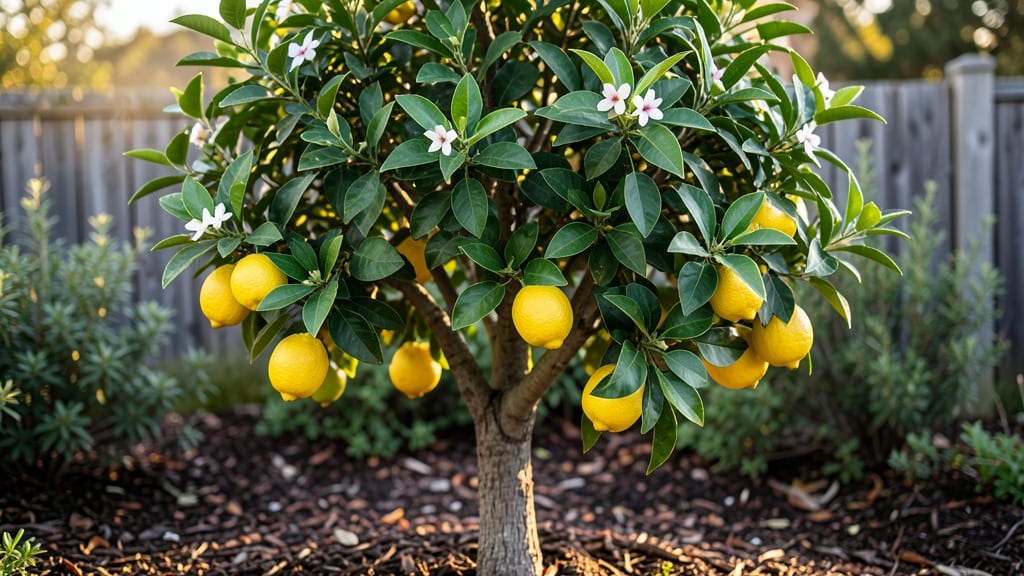
Pruning your big lemon tree in the Pacific Northwest isn’t just about shaping—it’s about survival. 🌿 The cool, damp climate here stresses citrus, so strategic cuts keep branches sturdy, air flowing, and fruit production strong.
I’ve learned the hard way that skipping winter pruning means soggy wood and fewer lemons by summer.
You’ll need sharp pruners, a ladder, and a good eye for dead wood—this isn’t a guess-and-check project. Start in late winter before new growth begins, then do light maintenance pruning in spring and summer to encourage fruit-bearing branches.
The key is removing crossing limbs and thinning dense areas to prevent fungal issues that thrive in our wet springs.
What you’ll end up with is a tree that looks like it belongs in a Mediterranean grove, not a rainy backyard. Thicker branches support heavier fruit loads, and open canopies let sunlight reach every lemon.
By next harvest season, you’ll be picking more fruit than you can eat—and your neighbors will be jealous of your citrus success.
This method works whether your tree’s in the ground or a giant container. Just adjust watering after pruning to avoid stress. Let’s get those branches looking like they were shaped by a master—and keep your tree thriving through PNW winters.
📚 In This Guide
- What you need
- Instructions
- Tips and common mistakes
- Wrapping up and next steps
What you need
- ● Pruning shears: Bypass pruners (for cuts under ½ inch) – 1 pair (look for sharp, stainless-steel blades for clean cuts).
- ● Loppers: For branches ½–1.5 inches thick – 1 pair (long-handled for reach).
- ● Pruning saw: For thick branches (1.5+ inches) – 1 saw (curved blade for precision).
- ● Gloves: Heavy-duty, cut-resistant – 1 pair (protects from thorns and sap).
- ● Disinfectant: 70% isopropyl alcohol or bleach solution (1 part bleach to 9 parts water) – small bottle (sterilizes tools between cuts).
- ○ Sealing wax or pruning paste: (Optional but recommended for PNW’s wet climate) – small tub (prevents disease entry).
- ● Ladder or step stool: (If tree is 6+ feet tall) – 1 unit (stable, extendable).
- ● Trash bags or bucket: For debris – 2–3 bags (or a 5-gallon bucket for composting).
- ● Sharpie or marker: Permanent – 1 pen (to mark cuts for future reference).
- ● Hand pruners with ratchet: For larger jobs (reduces hand fatigue).
- ● Pole saw: For high branches (extends reach up to 10 feet).
- ● Tree tie or twine: For supporting heavy branches post-pruning.
- ● Fungicide spray: Copper-based (for PNW’s damp conditions).
- ● Camera or phone: To document your tree’s progress! 📸
Step-by-step guide for pruning your Pacific Northwest lemon tree
Here's how to keep your citrus tree healthy and thriving through all four seasons.
✂️ Step 1: Winter Pruning for Structure and Airflow
Start your pruning in late winter or early spring, just before new growth begins. This is the best time to shape your tree and remove any dead or crossing branches. I always begin by identifying the main scaffold branches—they should be spaced evenly around the trunk and form a natural framework.
Use clean, sharp pruning shears to make cuts just above a leaf node or outward-facing bud. This ensures new growth will sprout in the right direction. Remove any branches that cross each other or grow inward, as these can create rubbing wounds and invite disease. Aim to open up the center of the tree so light and air can circulate freely—this is especially important in the Pacific Northwest's damp climate.
If you notice any dead wood, cut it back to healthy tissue. You'll know it's dead if the wood is brittle, dark, or doesn't bleed when cut. Never leave stubs, as they can attract pests and slow the tree's healing process. After pruning, give your tree a light watering to help it recover from the stress of cutting.
☀️ Step 2: Summer Light Pruning for Growth Control
During the summer months, focus on maintaining the shape you established in winter. Light pruning at this time helps control growth and encourages fruiting. I like to remove any suckers—those small shoots that grow from the base of the tree or along the trunk. These compete with your main branches for nutrients and can weaken the tree.
Thin out some of the smaller branches to improve airflow, especially in dense areas. This prevents fungal diseases that thrive in the Pacific Northwest's humid summers. Look for branches that are growing too close together and remove the weaker one. You'll know you're doing it right when you can see sunlight reaching the inner parts of the tree.
If you notice any leggy growth—long, weak branches with small leaves—prune them back by about a third. This encourages bushier growth and stronger fruiting. Avoid heavy pruning in summer, as it can stress the tree and reduce flowering. A little maintenance goes a long way in keeping your lemon tree looking its best.
🌿 Step 3: Fall Cleanup and Disease Prevention
As the growing season winds down, take time to clean up any fallen leaves, fruit, or debris around your tree. This reduces hiding spots for pests and diseases that can overwinter in the Pacific Northwest's mild climate. I always rake up any fallen leaves and dispose of them in the trash—not the compost—since they can harbor fungal spores.
Inspect your tree for any signs of pests like scale or aphids. If you spot any, treat them immediately with a horticultural oil or insecticidal soap. Prune out any branches that show signs of disease, such as yellowing leaves, spots, or unusual growths. Sterilize your pruning tools with rubbing alcohol between cuts to prevent spreading any pathogens.
This is also a good time to fertilize lightly, if needed, to prepare the tree for winter. Use a balanced citrus fertilizer and follow the package instructions. Water deeply but avoid overwatering, as soggy soil can lead to root rot—a common issue in the Pacific Northwest's rainy season. Mulch around the base of the tree with 2-3 inches of organic mulch to protect the roots and retain moisture.
⏰ Step 4: Minimal Winter Pruning for Wind Protection
In the winter, pruning should be minimal unless you notice any storm damage from the Pacific Northwest's frequent winds. Remove any broken or split branches carefully, making clean cuts just outside the branch collar. Avoid heavy pruning in winter, as the tree is already under stress from cold temperatures and reduced growth.
If you have a young tree, you might want to prune it slightly to encourage a stronger structure before spring. Older trees generally don't need much winter pruning unless they've been damaged. Keep an eye out for any branches that are rubbing together or growing at sharp angles, as these are more likely to break in high winds.
This is also a great time to plan your pruning strategy for the coming year. Take a step back and visualize how you want your tree to look. Sketch a rough outline if it helps—this makes it easier to see what needs to be removed and what should be kept. A well-planned pruning session in winter sets you up for success in the growing season ahead.
Tips & tricks for perfect big lemon tree pruning
Here's what nobody tells you about keeping your Pacific Northwest lemon tree thriving year after year.
Seasonal Timing is Everything: Late winter/early spring is your best window for major pruning—right before buds swell but before leaves appear. I've learned this the hard way after seeing trees stressed by pruning too early or too late. In the PNW's unpredictable climate, aim for February-March when days start lengthening. For summer maintenance, work on dry, overcast days to reduce stress on the tree.
The Right Cut Technique: Always make clean cuts at a 45-degree angle just above a leaf node or outward-facing bud. I use sharp pruning shears and avoid leaving stubs—those little nubs invite disease and pests. For larger branches, make a second cut about an inch further out to prevent tearing. The key is to cut outside the branch collar where the branch meets the trunk, never flush against it. This helps the tree heal properly.
PNW-Specific Disease Prevention: Our region's damp summers create perfect conditions for fungal diseases. After pruning, sterilize your tools with rubbing alcohol between cuts to prevent spreading pathogens. I also recommend applying a thin layer of horticultural oil to cuts larger than ½-inch diameter to seal them and prevent infection. This simple step has saved my trees from multiple outbreaks over the years.
Visualizing Your Tree's Future: Before making any cuts, step back and visualize how you want your tree to look. Sketch a rough outline if needed—this helps identify branches that need removal. In Step 1, focus on creating an open center for airflow, while in Step 2, look for branches that are growing toward the center or crossing others. The goal is to create a balanced structure that resembles an open vase shape.
Pro Tips for Big Lemon Tree
- Here's what nobody tells you about keeping your Pacific Northwest lemon tree thriving year after year.
- Seasonal Timing is Everything: Late winter/early spring is your best window for major pruning—right before buds swell but before leaves appear.
- The Right Cut Technique: Always make clean cuts at a 45-degree angle just above a leaf node or outward-facing bud.
Frequently asked questions
Got questions about keeping your big lemon tree thriving in the Pacific Northwest? We’ve got answers!
Whether you’re a pruning pro or just starting out, these FAQs will help you navigate seasonal care like a local. Let’s dive in!
When is the best time to prune a big lemon tree in the PNW?
The ideal window is late winter or early spring (February–March), just before new growth starts. This timing minimizes stress and prevents disease. Light pruning can also happen in summer to shape the tree, but avoid heavy cuts during wet PNW winters—fungus loves that!
Can I prune my lemon tree in winter? What about rain?
Prune only in dry conditions—PNW winters are wet, and open cuts invite fungal infections. If you must prune in winter, do it on a sunny, dry day and sterilize tools with rubbing alcohol. Wait for spring if storms are forecasted. Pro tip: Use sharp, clean shears to avoid tearing bark!
How much can I trim without harming fruit production?
Remove no more than 25–30% of the canopy in one session to avoid shocking the tree. Focus on dead, crossing, or overcrowded branches—these compete with fruit-bearing wood. Thin out dense areas to improve airflow, which reduces humidity-related diseases like citrus blight.
What if my lemon tree isn’t flowering or fruiting after pruning?
Lack of flowers/fruit often signals stress or imbalance. Check these fixes:
Yes! Try these low-stress methods:
Note: Avoid drastic "pollarding" (cutting back to stubs)—lemon trees hate this and may never recover!
Are there alternatives to traditional pruning for shaping?
Wrapping up and next steps
Your big lemon tree in the Pacific Northwest thrives on care—especially when it comes to pruning! By mastering the art of year-round shaping, you’ll ensure vibrant blooms, juicy fruit, and a resilient tree that stands strong against the region’s unique climate.
Whether you’re trimming for airflow, sunlight, or structural health, consistency is key.
Ready to take the next step? Grab your tools, mark your calendar, and make pruning a seasonal ritual. Your tree—and your future harvests—will thank you! 🌿✨