
Planting
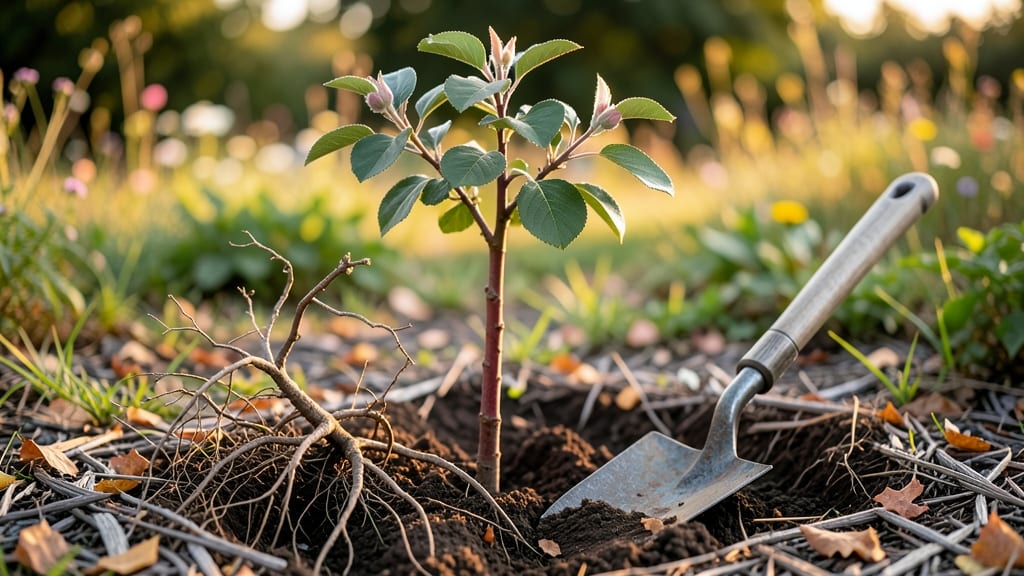
Planting apple trees the right way means your first harvest could be just three years away—and I’ve learned the hard way that skipping these steps leads to stunted growth or dead saplings.
The best way to plant apple trees starts with dormant-season timing, well-drained soil, and proper spacing that lets roots spread without competition.
My first orchard failed because I rushed planting in spring; now I wait until late fall or early winter when trees are asleep but roots can establish before summer’s heat.
You’ll need a few simple supplies: a young apple tree (bare-root or container-grown), a shovel, compost, mulch, and a hose. For soil, test your yard first—apple trees hate soggy roots but thrive in slightly acidic, well-draining dirt.
If yours is heavy clay, mix in a few inches of compost or sand to improve drainage. Spacing matters too: standard trees need 12–15 feet between them, while dwarf varieties can squeeze into 6–8 feet—this prevents future crowding and disease spread.
Once planted, water deeply every week for the first month, then taper off as roots establish. The key is keeping soil moist but not waterlogged—apple trees are drought-tolerant once mature, but young roots need consistency.
Within a year, you’ll see new shoots pushing through the soil, and by year three, those branches will finally bear fruit. The payoff is worth the patience, especially when you’re biting into a crisp apple you grew yourself.
This method works for backyard orchards, urban homesteads, or even container-grown dwarf varieties. Whether you’re planting a single tree or a full grove, these steps cut down on common mistakes like planting too deep or ignoring rootstock compatibility.
Let’s get those trees in the ground right—your future harvest depends on it.
📚 In This Guide
- What you need
- Instructions
- Tips and common mistakes
- Wrapping up and next steps
What you need
- ● Apple tree saplings: 1–3 (choose disease-resistant varieties like Honeycrisp, Gala, or Fuji; ensure they’re bare-root or potted for transplanting).
- ● Shovel: 1 medium-sized (for digging holes 18–24" wide/deep).
- ● Garden fork or tiller: 1 (to loosen soil if compacted).
- ● Compost or well-aged manure: 5–10 gallons (to enrich planting soil).
- ● Organic mulch: 2–3 inches (wood chips, straw, or leaves).
- ● Pruning shears: 1 pair (sterilized with rubbing alcohol).
- ○ Tree stakes (optional): 2–3 (if planting in windy areas).
- ● Garden hose or watering can: 1 (for post-planting hydration).
- ● Sunlight: Full sun (6+ hours daily).
- ● Soil: Well-draining, slightly acidic (pH 6.0–6.5); amend clay/heavy soil with compost.
- ● Spacing: 20–25 feet between trees (or 15–20 feet for dwarf varieties).
- ● Water source: Ready access for deep watering (1–2 gallons per tree weekly).
- ● Pro tip: Test soil pH with a kit (available at garden centers) to avoid nutrient deficiencies!
Step-by-step guide for planting healthy apple trees
Here's the straightforward method I've used to establish strong, productive apple trees that bear fruit for decades.
🌱 Step 1: Choose the Right Spot and Prepare the Soil
Apple trees need full sun—at least 6-8 hours daily—and well-draining soil to prevent root rot. I always test the soil first with a simple pH kit (aim for 6.0-7.0). If your soil is heavy clay, mix in 2-3 inches of compost to improve drainage before planting.
Dig a hole twice as wide as the tree's root ball but only as deep as the container it came in. This prevents burying the graft union, which can cause weak growth or disease. Loosen the sides of the hole with a shovel to encourage root spread into native soil.
Real talk: Don't rush this step. A well-prepared hole makes all the difference in long-term tree health. If you're planting in fall, do it 4-6 weeks before frost so roots establish before winter. For spring planting, aim for early spring when soil is workable but not waterlogged.
🪴 Step 2: Plant the Tree at the Correct Depth and Stake for Support
Remove the tree from its container and gently loosen any circling roots with your fingers. Place it in the hole so the graft union (the bump near the base where the scion was attached) sits 2-4 inches above soil level. This prevents future soil buildup that can suffocate the tree.
Backfill with native soil (not amended mix) to avoid settling issues. Firm gently around the roots as you fill, but don't compact heavily. Water deeply to eliminate air pockets, then add a 3-inch layer of mulch (keeping it 6 inches away from the trunk) to retain moisture and regulate temperature.
Stake the tree only if it's taller than 6 feet or in windy areas. Use two stakes driven 12-18 inches from the trunk at a 45-degree angle, then loosely tie the trunk with rubber tree ties—never wire that can cut into bark. I always check ties monthly to prevent girdling as the tree grows.
☀️ Step 3: Water and Maintain Through the First Critical Year
Water deeply once a week for the first 6-8 weeks to encourage deep root growth. You'll know it's enough when water drains 6-8 inches deep—stick your finger in the soil to check. Overwatering now is worse than underwatering; apple trees are surprisingly drought-tolerant once established.
Apply a 2-3 inch layer of mulch annually in late winter to protect roots from temperature swings. Avoid piling mulch against the trunk—this creates moisture traps that invite rot. Prune only to remove dead, crossing, or inward-growing branches in late winter before buds swell.
Here's the thing—apple trees need cross-pollination to bear fruit. Plant at least two compatible varieties within 50 feet of each other. Check your local extension office for recommended pollinizer pairs in your growing zone. Patience pays off: It takes 3-5 years for a newly planted tree to bear fruit, but proper planting now ensures decades of harvests.
Tips & tricks for planting healthy apple trees
Here's what I've learned over years of planting apple trees that thrive for decades—small details that make all the difference.
Soil Preparation Secret: The 2-3 inches of compost we add to heavy clay soil isn't just about drainage—it also introduces beneficial microbes that help young roots establish. I like to mix in a handful of worm castings too (optional) for that extra nutrient boost. The key is to work it into the native soil at the bottom of the hole, not just the sides, so roots grow into improved soil from day one.
Graft Union Placement: That 2-4 inch clearance above soil level for the graft union might seem small, but it's critical. If you bury it, the tree will grow two trunks—one from the rootstock and one from the scion—which creates a weak, unpredictable structure. Mark the graft union with a piece of tape before planting if you're unsure where it is.
Staking Strategy: Only stake trees taller than 6 feet or in windy areas, but don't skip the monthly tie check. I've seen rubber ties cut into bark when left too tight, which creates entry points for disease. Use a simple "V" tie method—cross the ties loosely and adjust as the trunk grows. You'll know it's too tight if you can't slide a finger between the tie and the bark.
Watering Wisdom: The 6-8 inch deep watering isn't about quantity—it's about encouraging roots to grow downward where they'll find moisture during droughts. Use a soil probe or long screwdriver to check depth after watering. If your soil drains too fast (sandy soil), water twice in the same session with a 10-minute break between.
Pro Tips for Best Way To Plant Apple Trees
- Here's what I've learned over years of planting apple trees that thrive for decades—small details that make all the difference.
- Soil Preparation Secret: The 2-3 inches of compost we add to heavy clay soil isn't just about drainage—it also introduces beneficial microbes that help young roots establish.
- Graft Union Placement: That 2-4 inch clearance above soil level for the graft union might seem small, but it's critical.
Frequently asked questions
Got questions about planting apple trees? You’re not alone! Here are some of the most common queries—plus straightforward answers to help you grow a thriving orchard with confidence.
When is the best time to plant apple trees?
The ideal window is late fall through early spring (before buds swell), when soil is workable but not frozen. Pro tip: Planting in late winter (February–March) gives roots time to establish before summer heat. Avoid planting in extreme heat or drought—roots need moisture to take hold!
How long does it take for an apple tree to bear fruit?
Patience is key! Dwarf varieties may produce fruit in 2–4 years, while standard trees can take 5–7 years. Factors like variety, climate, and care (like proper pruning and pollination) speed up the process. Fun fact: Some heirloom trees take even longer—choose fast-bearing types like ‘Honeycrisp’ or ‘Gala’ for quicker rewards!
Can I plant apple trees in containers or small spaces?
Dwarf or semi-dwarf varieties (like ‘Columnar’ or ‘Spindle’) thrive in large containers (15+ gallons) or small yards. Use well-draining soil, a trellis for support, and ensure the pot gets 6+ hours of sunlight daily. Just remember: Container trees need regular watering and may require winter protection in cold climates.
What if pests or diseases appear after planting?
Stay vigilant! Common issues include aphids, apple scab, or fire blight. Preventative care: Prune for airflow, apply organic neem oil (for pests), and use copper fungicides (for fungal diseases). If you spot wilting leaves or oozing bark, act fast—remove infected branches immediately and sterilize tools with rubbing alcohol.
Do apple trees need a pollinator, or can they grow alone?
Most apple trees are self-pollinating but produce more fruit with a partner. Plant two compatible varieties (check labels!) within 50–100 feet for cross-pollination. Exception: Some varieties, like ‘Granny Smith,’ are self-fertile—just confirm before buying. Bonus: Bees and butterflies will thank you!
Wrapping up and next steps
Planting apple trees is a rewarding journey that blends patience with the joy of nurturing life. By choosing the right variety, preparing the soil thoughtfully, and giving your tree the love it needs, you’re setting the stage for a bountiful harvest.
Remember, every expert gardener started with their first sapling—so take pride in your progress!
Ready to dig in? Start small: pick one tree, follow these steps, and watch your orchard grow! 🌱 For extra inspiration, explore local gardening clubs or seasonal care guides to keep your trees thriving year-round.