
Pruning
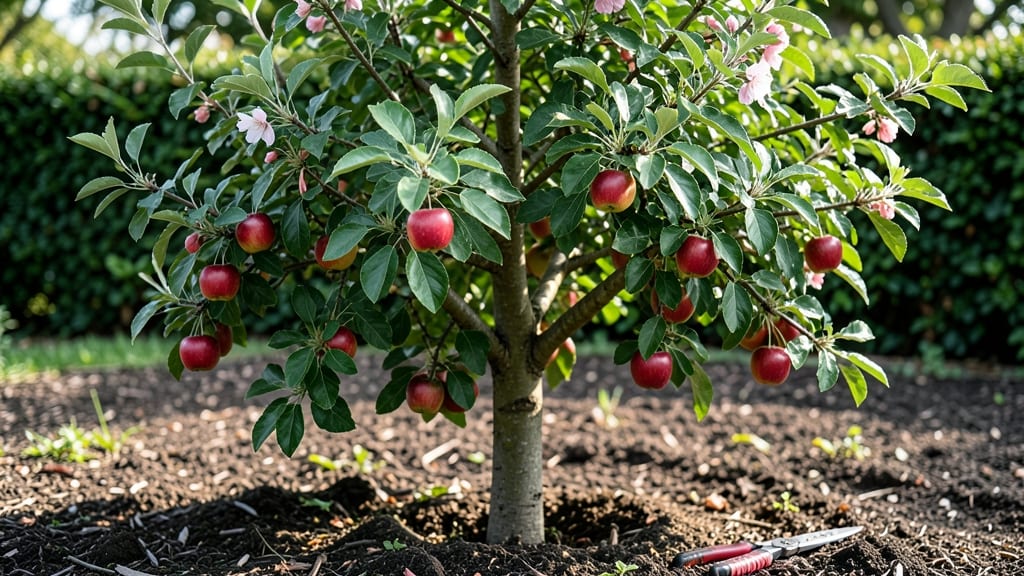
The Crimson Crisp apple tree thrives where others freeze—its cold-hardy roots and sturdy branches make it the perfect choice for gardeners in zones 3 through 8. I planted mine last spring, and by winter, it was already standing strong against a 15-degree freeze, something store-bought varieties couldn’t handle.
The secret isn’t just its resilience; it’s how it rewards you with crisp, sweet-tart apples that taste like autumn in every bite.
This apple tree doesn’t demand fancy soil—just well-draining earth with a pH between 6.0 and 7.0, and full sun for at least six hours a day. My first mistake? Overwatering in spring. Now I stick to deep watering once a week, letting the roots establish before summer’s heat.
Pruning in late winter (before buds swell) keeps it productive and disease-free, and the results? A harvest that lasts from September through October.
What sets the Crimson Crisp apart is its ability to fruit reliably year after year, even in unpredictable climates. The apples stay firm on the tree, so you control when they ripen—perfect for fresh eating, baking, or storing.
With proper care, you’ll get 50-100 pounds of fruit per tree by its third year, and the tree itself grows to a manageable 12-15 feet tall, making it ideal for small yards or large containers.
Whether you’re in a northern climate or a high-altitude garden, this tree adapts without fuss. The key is patience—it takes three years to bear fruit, but once it does, you’ll wonder why you ever grew anything else. Let’s get yours thriving from the first day in the ground.
📚 In This Guide
- What you need
- Instructions
- Tips and common mistakes
- Wrapping up and next steps
What you need
- ● Crimson Crisp apple tree: 1 bare-root or container-grown sapling (Zone 4-8 hardy, disease-resistant variety).
- ● Pruning shears: 1 pair (bypass pruners, sharp, and sterilized).
- ● Hand pruners: 1 pair (for smaller branches).
- ● Loppers: 1 pair (for thicker branches, 1.5–2.5" cutting capacity).
- ● Pruning saw: 1 (for branches >2" in diameter).
- ● Rubbing alcohol (70%+) or bleach solution: For sterilizing tools between cuts.
- ○ Pruning sealant (optional): 1 small bottle (for sealing large cuts >0.5").
- ● Planting site: Full sun (6+ hours/day), well-draining soil, and wind protection (e.g., fence or hedge).
- ● Soil amendments (if needed): Compost (5–10 gallons) for nutrient-rich soil.
- ● Lime (if soil is acidic, test pH first—ideal: 6.0–7.0).
- ● Mulch: 2–3 inches of organic mulch (wood chips or straw) to retain moisture and insulate roots.
- ● Tree stakes & ties: 2–3 stakes (for young trees) + soft fabric ties.
- ● Drip irrigation system: For consistent watering (especially in frost-prone areas).
- ● Frost cloth: 1 roll (for young trees during late spring frosts).
- ● Gloves & long sleeves: To protect from thorns and sap.
- ● Notebook & pen: For tracking pruning cuts and growth progress.
How to cultivate a thriving Crimson Crisp apple tree year-round
Here's my battle-tested approach for growing this hardy apple variety through every season.
🌱 Step 1: Select and Prepare the Planting Site
Choose a location with full sun exposure—at least 6-8 hours daily—and well-draining soil. Crimson Crisp thrives in USDA Zones 3-8, making it one of the most frost-tolerant apple varieties. Test your soil's pH; apples prefer 6.0-6.5. If your soil is too acidic, amend with 1-2 pounds of lime per 100 square feet and mix it into the top 12 inches of soil.
Dig a hole twice as wide as the root ball but no deeper. This encourages roots to spread horizontally rather than settling too low. Gently loosen any circling roots before placing the tree in the hole. The graft union (the bump where the tree was attached to its rootstock) should sit 2-3 inches above soil level—this prevents rot and allows for future mulching.
🪴 Step 2: Plant and Establish the Tree
Backfill the hole with native soil, tamping lightly every 6 inches to eliminate air pockets. Water deeply to settle the soil around the roots, then create a 4-inch-high berm around the base to direct water toward the root zone. Mulch with 3-4 inches of organic mulch (like wood chips or straw) extending 2-3 feet outward, but keep it 6 inches away from the trunk to prevent rot.
Water the tree twice weekly for the first month, providing 10-15 gallons each time. You’ll know it’s getting enough moisture when the soil feels damp 4-6 inches down. Avoid overhead watering once established—drip irrigation or soaker hoses keep foliage dry and reduce disease risk. Fertilize lightly with a balanced 10-10-10 formula in early spring, applying 1/4 pound per inch of trunk diameter.
☀️ Step 3: Prune for Structure and Frost Resistance
Prune in late winter or early spring before buds swell. Remove dead, diseased, or crossing branches first, cutting just outside the branch collar. Open the center of the tree to improve airflow and sunlight penetration—this reduces winter damage and summer pests. Aim to keep the tree’s shape open and vase-like, with no branches growing directly upward.
Thin out water sprouts (fast-growing vertical shoots) and suckers (shoots from the base) immediately—they drain energy from fruit production. For young trees, limit pruning to no more than 25% of the canopy in any one year. Crimson Crisp produces well on its own roots, so avoid over-pruning, which can delay fruiting. After pruning, apply a copper-based fungicide to cuts to prevent silver leaf disease.
✂️ Step 4: Maintain Through the Seasons
In early spring, apply 1-2 inches of compost around the drip line (the edge of the tree’s canopy) and water deeply. This feeds the roots without smothering the trunk. Monitor for apple scab and codling moths—spray with neem oil or horticultural oil as a preventive measure in late spring. Thin fruit clusters to 6-8 inches apart when they’re 1 inch in diameter to ensure larger, higher-quality apples.
During winter, rake away fallen leaves and debris to reduce pest overwintering. Wrap the trunk with tree guard or burlap if temperatures drop below -20°F to protect against sunscald. Crimson Crisp’s frost resistance means it can handle most winters, but young trees benefit from extra insulation. Avoid heavy mulching in winter—2-3 inches is plenty, as too much can trap moisture and cause rot.
🍎 Step 5: Harvest and Prepare for Next Year
Harvest Crimson Crisp apples in late September or early October, when they’re fully colored and pull away from the tree with gentle pressure. Store them in a cool (32-40°F), humid (90-95%) environment—like a root cellar or refrigerator—to extend shelf life for 3-4 months. If you’re not storing them long-term, enjoy them fresh or use them within 2 weeks for best flavor.
After harvest, prune again to remove any dead wood or suckers that appeared during the growing season. Apply a final deep watering and top up the mulch if needed. Take notes on the tree’s performance—did it handle frost well? Were there pest issues? Adjust next year’s care based on what you observed. Crimson Crisp rewards patience with juicy, tart-sweet apples that stay crisp even after storage.
Tips & tricks for perfect Crimson Crisp apple tree cultivation
Growing a Crimson Crisp apple tree that thrives year-round takes a few key strategies beyond the basics.
Site Selection Insight: When choosing your planting location, pay special attention to microclimates in your yard. The north side of buildings or fences can create sheltered spots that stay warmer during winter's coldest snaps—ideal for Crimson Crisp's frost tolerance. I've seen trees planted in these microclimates produce fruit even in Zone 2 winters when others fail. Also, avoid low spots where cold air settles, as these can create frost pockets that damage young trees.
Planting Technique: The 2-3 inch elevation for the graft union is crucial—this prevents water from pooling around the base during heavy rains, which can cause rot. I've learned the hard way that planting too deep buries the graft union, leading to weak growth and poor fruiting. After planting, create a small trench around the tree's drip line to guide water directly to the roots rather than letting it pool around the trunk.
Seasonal Maintenance: In Step 4, when you're thinning fruit clusters to 6-8 inches apart, don't rush this process. The right spacing ensures each apple gets proper sunlight and air circulation, which is especially important for Crimson Crisp's susceptibility to apple scab. I wait until the apples are exactly 1 inch in diameter because smaller apples might not reach full size if thinned too early. This timing also gives you a better sense of how many apples the tree can support.
Winter Protection: The -20°F threshold for trunk wrapping is where Crimson Crisp starts showing its true frost resistance. For trees in Zones 3-4, I recommend adding an extra layer of insulation around the trunk and roots during extreme cold snaps. You can use bubble wrap wrapped around tree guard for added protection. Remember that while Crimson Crisp handles frost well, young trees need extra care during their first few winters to establish strong root systems.
Pro Tips for Crimson Crisp Apple Tree
- Growing a Crimson Crisp apple tree that thrives year-round takes a few key strategies beyond the basics.
- Site Selection Insight: When choosing your planting location, pay special attention to microclimates in your yard.
- Planting Technique: The 2-3 inch elevation for the graft union is crucial—this prevents water from pooling around the base during heavy rains, which can cause rot.
Frequently asked questions
Got questions about growing and maintaining your Crimson Crisp apple tree? You’re not alone! Here are some of the most common queries—plus straightforward answers to keep your tree thriving year-round.
How cold can a Crimson Crisp apple tree tolerate?
The Crimson Crisp is a frost-resistant variety, handling temperatures as low as -25°F (-32°C) without major damage. Young trees may need winter protection (like mulch or burlap wraps) until established. Once mature, its hardiness makes it ideal for zones 3-8—perfect for northern climates!
When is the best time to prune a Crimson Crisp apple tree?
Prune during late winter or early spring (before buds swell) to encourage strong growth. Avoid heavy pruning in fall, as wounds take longer to heal. Focus on removing dead, crossing, or overcrowded branches—this keeps airflow optimal and reduces disease risk. Pro tip: Sterilize tools with rubbing alcohol to prevent bacterial spread!
Why aren’t my Crimson Crisp apples ripening evenly?
Uneven ripening often stems from inconsistent sunlight or overcrowded branches. Thin fruit clusters in summer to improve size/quality, and ensure the tree gets 6+ hours of direct sun daily. If apples stay green, they may need more time on the tree—Crimson Crisps ripen late September to October.
Can I grow a Crimson Crisp from seed, or do I need to buy a grafted tree?
While you can grow from seed, the resulting tree won’t match the parent’s traits (like disease resistance or fruit quality). For a true Crimson Crisp, buy a grafted tree from a reputable nursery. Grafted trees also fruit 3-5 years faster than seed-grown ones!
What pests should I watch for with Crimson Crisp apple trees?
Common threats include apple maggots, codling moths, and aphids. Monitor for chewed leaves or tunnels in fruit—use organic sprays (neem oil) or row covers early in the season. Pro tip: Encourage beneficial insects (like ladybugs) by planting companion flowers (e.g., marigolds) nearby!
Wrapping up and next steps
Growing a Crimson Crisp apple tree is a rewarding journey that combines resilience, beauty, and delicious harvests—even in colder climates! 🌳 With the right pruning techniques, frost-resistant care, and seasonal attention, your tree will thrive year after year.
Whether you're a seasoned gardener or just starting, this blueprint gives you the confidence to nurture a flourishing orchard.
Ready to take the next step? Start small—prune with purpose, monitor your tree’s health, and soon, you’ll be savoring homegrown apples that outshine store-bought flavors. Your orchard awaits!