
Trees
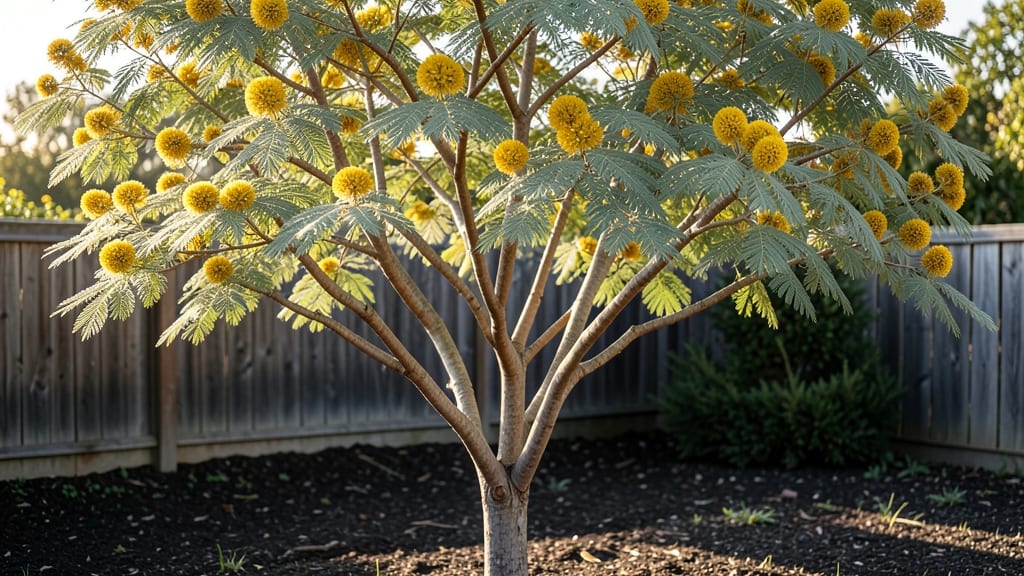
The golden cascade of yellow flowering acacia trees in spring is the kind of beauty that makes neighbors stop and stare. 🌿 I planted mine three years ago, and now it’s the showstopper of my drought-prone yard—no extra watering, no fuss, just miles of fragrant golden blooms that hummingbirds adore.
These trees thrive on neglect, but they do need well-draining soil and full sun to truly shine. Once established, they handle dry spells like champs, making them perfect for low-maintenance gardens.
The key is getting them off to the right start—plant in early spring, space them 15-20 feet apart, and watch them transform bare spots into golden clouds by summer.
📚 In This Guide
- What you need
- Instructions
- Tips and common mistakes
- Wrapping up and next steps
What you need
- ● Yellow flowering acacia tree (seeds, cuttings, or 1-3 gallon container sapling)
- ● Well-draining soil mix (50% native soil + 50% compost or cactus/succulent mix)
- ● Planting hole (2-3x wider and deeper than the root ball)
- ● Organic mulch (wood chips, straw, or bark—5-7 lbs for mature trees)
- ● Watering can or hose with a gentle spray nozzle
- ● Fertilizer (low-phosphorus, high-nitrogen, like 10-5-5 or a slow-release tree fertilizer)
- ● Pruning shears (sterilized, sharp blades for trimming)
- ● Garden gloves (to protect hands from thorns)
- ● Trowel or shovel (for digging)
- ● Stakes and ties (if planting in windy areas)
- ● Drip irrigation system (for consistent moisture in dry climates)
- ● Epsom salt (1 tbsp/month during growing season for magnesium)
- ● Pest control spray (neem oil or insecticidal soap for aphids/mealybugs)
Step-by-step instructions for planting a yellow flowering acacia tree
Here's how to give your golden-blooming acacia the perfect start—drought-tolerant and thriving.
🌱 Step 1: Choose the Right Location and Prepare the Soil
Acacias need full sun—at least 6-8 hours daily—to produce those vibrant yellow blooms. Pick a spot with well-draining soil, since soggy roots will kill your tree fast. If your soil is heavy clay, mix in 2-3 inches of coarse sand or gravel to improve drainage.
Here's the thing—acacias hate competition. Dig a hole twice as wide as the root ball but only as deep as the container it came in. Loosen the sides of the hole with a shovel so roots can spread easily. I always tap the hole gently after digging to settle the soil before planting—this prevents sinking later.
🪴 Step 2: Plant and Stake for Stability
Remove the tree from its container and gently tease the roots outward if they're circling. Place it in the hole so the top of the root ball sits 1-2 inches above ground level—this prevents rot when water pools. Fill around the roots with native soil, pressing lightly to remove air pockets.
Staking is key for young acacias. Use two 6-foot stakes placed 6 inches from the trunk and tie the tree loosely with soft fabric strips (never wire—it cuts bark). Water deeply after planting to settle the soil, then let it dry slightly before watering again. You'll see new growth in 4-6 weeks if the roots are happy.
☀️ Step 3: Water Deeply and Protect from Frost
Water once a week for the first month, soaking the soil to 12 inches deep. After that, acacias are drought-tolerant—water only when the top 6 inches of soil feel dry. Overwatering is the #1 killer of young trees, so don't drown them.
Young acacias are frost-sensitive. If your area gets cold winters, wrap the trunk with burlap or use a tree guard to protect it. Mature trees handle frost better, but new growth in spring can get damaged if temperatures dip below 25°F. Here's what I do: I mulch heavily around the base in winter to insulate roots.
✂️ Step 4: Prune for Shape and Bloom Encouragement
Prune in late winter or early spring before new growth starts. Remove any dead, crossing, or inward-growing branches first—this opens the canopy for better airflow and sunlight. Cut back any leggy growth by one-third to encourage bushier, fuller blooms.
Never prune after summer—you'll cut off next year's flowers. Acacias bloom on old wood, so wait until after the blooms fade to prune. You'll see more golden flowers if you keep the tree open and airy—this prevents fungal issues that can ruin the show.
Tips & tricks for planting a thriving yellow flowering acacia
Here's what I learned after watching my first acacia survive its first winter—and why these little details make all the difference.
Sunlight Secret: That 6-8 hours of daily sun isn't just a suggestion—it's non-negotiable for those golden blooms. I've seen acacias planted in partial shade produce sparse, pale flowers. If your yard doesn't get full sun, consider planting near a south-facing wall or fence that reflects sunlight. For maximum bloom potential, position the tree where it gets morning sun and afternoon shade in hot climates.
Soil Prep That Works: The 2-3 inches of sand or gravel in clay soil isn't just about drainage—it's about creating an oxygen-rich zone around those delicate roots. I like to add a handful of perlite to the mix too, especially if your soil compacts easily. This prevents that dreaded "soggy root" scenario that kills young acacias. Pro tip: Test your soil's drainage by digging a hole, filling it with water, and timing how long it takes to drain—if it's slower than 4 hours, you need more amendments.
Staking Strategy: Those 6-foot stakes might seem overkill, but they prevent wind rock that can uproot young trees. I've seen acacias topple in just a few strong gusts when not properly staked. Use the soft fabric strips to create a "hammock" effect—just snug enough to support the tree without constricting growth. Check the ties every 2 weeks during the first year to ensure they're not digging into the bark as the trunk thickens.
Winter Protection Hack: The 25°F threshold is your warning point, but I've found that adding a thick layer of mulch (4-6 inches) actually extends that protection to about 20°F. Use straw or wood chips rather than rocks—organic mulch insulates better and breaks down to enrich the soil. For extra protection in harsh winters, wrap the trunk with burlap and secure it with twine, leaving room for the tree to grow.
Pro Tips for Yellow Flowering Acacia Tree
- Here's what I learned after watching my first acacia survive its first winter—and why these little details make all the difference.
- Sunlight Secret: That 6-8 hours of daily sun isn't just a suggestion—it's non-negotiable for those golden blooms.
- Soil Prep That Works: The 2-3 inches of sand or gravel in clay soil isn't just about drainage—it's about creating an oxygen-rich zone around those delicate roots.
Frequently asked questions
Got questions about growing and caring for your yellow flowering acacia tree? You’re not alone! Here are answers to the most common queries—from planting to troubleshooting—so you can enjoy those stunning golden blooms with confidence.
How fast does a yellow flowering acacia tree grow?
A young acacia tree can grow 2 to 3 feet per year under ideal conditions, but growth slows as it matures. In drought-prone areas, expect slower but steady progress—patience pays off with its hardy, drought-resistant nature! For faster growth, ensure well-draining soil and full sun exposure.
Can yellow flowering acacias survive winter frost?
Most varieties, like Acacia fimbriata or Acacia pycnantha, are drought-tolerant but frost-sensitive. Protect young trees with mulch (3–4 inches) and avoid planting in low-lying areas where cold air pools. Mature trees may handle light frost, but below 20°F can damage foliage or flowers. Consider container-growing in colder climates!
How often should I water a newly planted acacia tree?
Water deeply 2–3 times per week for the first month to help roots establish, then taper to once a week (or less in rainy seasons). Once established, acacias thrive on drought conditions—overwatering is the #1 killer! Let soil dry out between waterings to prevent root rot.
Are yellow flowering acacias good for bees and pollinators?
Absolutely!
Their fragrant, nectar-rich blooms attract bees, butterflies, and hummingbirds, making them a pollinator magnet. For extra appeal, plant near native wildflowers to create a year-round buffet. Just avoid spraying pesticides during bloom season—let the buzzing begin!
What if my acacia’s leaves turn yellow or drop?
Yellowing leaves often signal overwatering, nutrient deficiency, or pests. Check soil moisture first—acacias hate soggy roots. For yellowing edges, test for iron or nitrogen deficiency (use a soil kit). Inspect for aphids or spider mites; treat with neem oil if needed. Prune dead branches to encourage new growth!
Can I grow a yellow flowering acacia in a pot?
Yes! Choose a large container (15+ gallons) with drainage holes and use a fast-draining cactus/succulent mix. Repot every 2–3 years and move indoors if temps drop below 30°F. Just know: potted acacias may grow slower and need more frequent watering than in-ground trees.
Wrapping up and next steps
The yellow flowering acacia tree isn’t just a stunning addition to your landscape—it’s a resilient, low-maintenance champion that thrives even in tough conditions. With its vibrant blooms, drought resistance, and ability to attract pollinators, this tree brings beauty and practicality to your outdoor space.
Whether you're a seasoned gardener or a beginner, now’s the perfect time to plant one and enjoy its golden spring show year after year!
Ready to transform your yard? Start by picking the perfect spot—sunny, well-drained soil is key—and follow the steps above to get your acacia off to a thriving start! 🌱✨