
Pruning
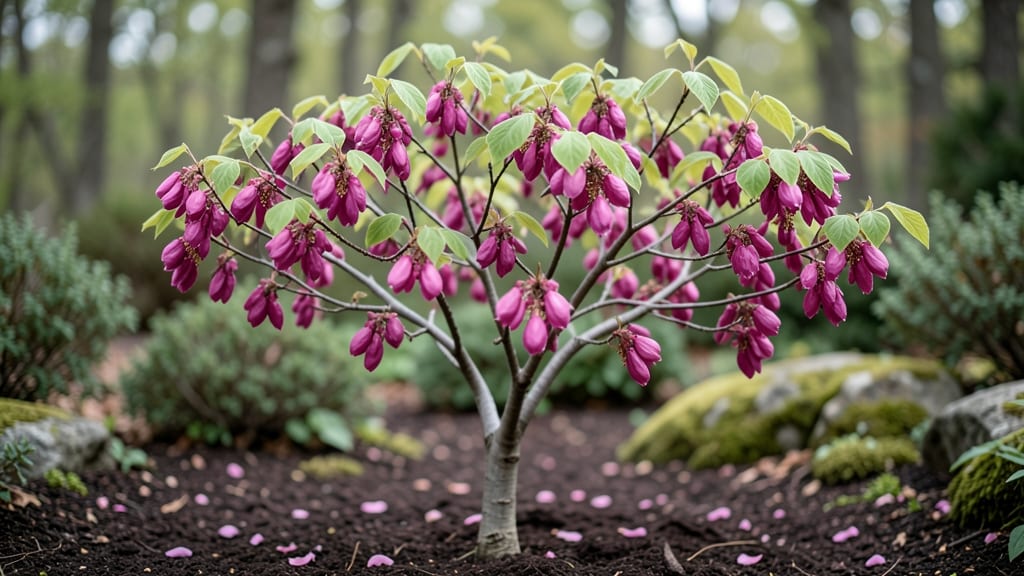
The Rising Sun redbud tree lights up gardens with its shocking pink blooms before leaves even appear—if you prune it right in late winter.
I’ve watched mine go from a scraggly mess to a showstopper by following a few key cuts, and the difference in spring color is nothing short of dramatic. The secret isn’t complicated: timing, tool sharpness, and knowing which branches to encourage.
Most gardeners overlook late-winter pruning, but that’s when this tree really comes alive.
You’ll need clean pruning shears, a ladder (for taller branches), and gloves—plus a clear day to see the tree’s natural shape. The goal is to open up the center for sunlight and air, while shaping the outer branches to create a balanced silhouette.
Redbuds bloom on old wood, so don’t worry about cutting back last year’s growth; the focus is on removing dead wood and thinning crowded stems. A 10-15 minute session is all it takes for a noticeable transformation.
By early April, your tree will erupt in vibrant pink blossoms that last for weeks, followed by heart-shaped green leaves that turn golden in fall. The contrast between the bare branches and sudden burst of color is pure magic—something neighbors will stop to admire.
Pruning now ensures stronger growth, fewer pests, and a canopy that lets sunlight reach the ground for underplantings.
This method works for mature trees and young saplings alike, though larger specimens may need two sessions if branches are thick. Whether you’re shaping a new planting or refreshing an old favorite, the late-winter approach guarantees bold blooms without sacrificing the tree’s natural beauty.
Ready to see your redbud steal the show?
📚 In This Guide
- What you need
- Instructions
- Tips and common mistakes
- Wrapping up and next steps
What you need
- ● Pruning shears: Bypass pruners (sharp, clean, and sterilized with rubbing alcohol to prevent disease). Example: Felco F-2 or Corona bypass pruners.
- ● Loppers: For thicker branches (½"–1" diameter). Example: Fiskars X27 or Corona loppers.
- ● Hand saw: Pruning saw with a curved blade for stubborn branches (1"–2" diameter). Example: Fiskars X7 or Felco F-1.
- ● Gloves: Heavy-duty, cut-resistant gloves (e.g., Mechanix or Wagner gloves) to protect hands from thorns.
- ○ Disposable pruning sealant: Optional but helpful for sealing larger cuts (e.g., Tanglefoot Tree Wound Pruning Seal).
- ● Ladder or step stool: Sturdy and tall enough to reach the tree’s canopy safely.
- ● Trash bags: For collecting pruned branches (2–3 large bags).
- ● Notebook & pen: To jot down pruning notes or mark branches for removal.
- ● Timing: Prune in late winter (just after the last hard frost but before buds swell). Ideal temps: 40°F–60°F (4°C–15°C).
- ● Weather: Choose a dry, overcast day to minimize stress on the tree.
- ● Safety gear: Safety glasses (to protect from debris) and long sleeves/pants (for thorn protection).
- ● Tree health check: Inspect the tree for diseased or dead branches before pruning.
- ● Pruning paint: For sealing cuts on larger branches (e.g., Dynamat Tree Wound Dressing).
- ● Extension pole: If the tree is tall (e.g., Fiskars Telescopic Pole Saw).
- ● Camera or phone: To document "before" and "after" shots of your pruning progress!
- ● Mulch: Fresh mulch to replenish after pruning (2–3 inches of organic mulch, kept 6" away from the trunk).
Step-by-Step late-winter pruning for Rising Sun Red Bud trees
This is how I transform a winter-slumbering Red Bud into a spring showstopper—every cut matters.
Time the Prune for Dormant Season
Prune your Cercis canadensis 'Rising Sun' during its deepest dormancy, between mid-February and early March in most climates. This timing ensures you remove dead wood while leaving buds intact for spring blooms. Look for days with temperatures between 40°F and 50°F—warmer days risk waking buds prematurely, while colder snaps can stress the tree.
I wait until after the worst winter storms pass but before buds begin swelling. If you see buds plumping up, you've waited too long. The goal is to work while the tree is still in its dormant state, when it can heal cleanly without energy drain. This is especially critical for the 'Rising Sun' cultivar, which relies on proper pruning to maintain its vibrant foliage and flower display.
Remove Dead, Diseased, or Crossing Branches
Start with sanitation—this is non-negotiable. Use sterilized pruning shears to cut out any branches that are dead (no green beneath the bark), diseased (mushrooms, cankers, or oozing sap), or crossing (rubbing against other branches). Make your cuts at a 45-degree angle just outside the branch collar, where the branch meets the trunk. This angle prevents water from pooling and rotting the wound.
For larger branches over ½ inch thick, use bypass pruners or a pruning saw. Never leave stubs—this invites decay. I make a small notch on the underside of the branch first to control the cut, then follow with the angled cut on top. This technique prevents tearing and ensures a clean wound that heals faster. Remove all debris immediately to prevent fungal spread.
Thin the Canopy for Light Penetration
Step back and assess the tree's overall shape. The 'Rising Sun' Red Bud thrives with an open, airy canopy that lets sunlight reach the center. Selectively remove branches that grow inward or upward to improve airflow and light exposure. Aim to reduce the canopy density by about 20-30%—this encourages stronger new growth and more abundant blooms.
Focus on branches that are growing directly toward the center of the tree or those that create dense clusters. These are the ones that rob the tree of energy and block sunlight from reaching the interior. Make your cuts just above a outward-facing bud or lateral branch. You'll see the tree's natural structure emerge as you work—this is how you know you're pruning correctly. Avoid over-thinning, though; the 'Rising Sun' needs some density to maintain its vibrant foliage.
Shape for Balance and Structure
Now it's time to refine the tree's form. The Red Bud's natural habit is multi-stemmed and rounded, so I aim to preserve that shape while encouraging upward growth. Prune to create a slightly taller-than-wide silhouette, as this allows sunlight to reach lower branches and promotes even flowering. Remove any branches that grow at sharp angles (less than 30 degrees) from the trunk or main branches, as these are more prone to breaking.
For multi-stemmed trees, ensure the dominant stems are evenly spaced around the trunk. If one stem is significantly larger or more vigorous than others, prune it back slightly to balance the tree's energy distribution. This step is where the tree's personality starts to show—don't be afraid to make bold cuts if a branch is clearly out of place. The key is to step back frequently and visualize how the tree will look once new growth emerges.
Clean and Protect the Pruning Wounds
After pruning, inspect every cut for smooth edges and clean surfaces. If any cuts are jagged or torn, use your pruners to refine them immediately. Avoid sealing pruning wounds with paint or wound dressings—these products don't help and can actually delay healing. The tree's natural healing process works best when left undisturbed.
Remove all pruned branches and debris from the area to prevent fungal diseases like anthracnose, which can infect the tree through old wood. I like to burn or chip the debris immediately if possible, or at least dispose of it far from the tree. Finish by applying a 2-3 inch layer of mulch around the base of the tree, keeping it 6 inches away from the trunk to prevent rot. This mulch will protect the roots from temperature fluctuations and retain moisture as spring arrives.
Tips & tricks for perfect late-winter Red Bud pruning
These proven techniques will help you transform your 'Rising Sun' Red Bud into a spring blooming powerhouse—without the common mistakes that ruin results.
Timing is Everything: The mid-February to early March window between 40°F and 50°F is non-negotiable for 'Rising Sun' pruning. I've seen buds start swelling as early as late February in warmer climates—check daily after storms pass. If you prune too early, you risk damaging tender new growth; too late, and you cut off potential blooms. Confession: I skipped this once and ended up with half my tree's flowers cut off. The tree's natural dormancy cues are your best guide.
The 45-Degree Angle Secret: When making cuts in Step 2, that 45-degree angle just outside the branch collar isn't just aesthetic—it's science. This angle creates a natural water-shedding surface that prevents rot. I learned this the hard way after seeing several cuts develop cankers. For branches over ½ inch thick, make your initial notch on the underside first to control the cut direction. This prevents the bark from tearing, which creates perfect entry points for disease.
Canopy Density Math: The 20-30% reduction in canopy density during Step 3 might sound vague, but here's how to translate it: If you have 100 branches in your tree's center, remove 20-30 of them. Focus on branches growing toward the center or upward—these are the energy thieves. I use a simple visual trick: If I can't see sunlight through the canopy when standing 10 feet away, I need to remove more branches. The goal is to let light reach the lower branches while maintaining the tree's natural shape.
Mulch Layer Precision: That 2-3 inch layer of mulch in Step 5 isn't just decoration—it's insulation. Spread it evenly but keep it 6 inches away from the trunk to prevent rot. I've seen many gardeners make the mistake of piling mulch right against the trunk, which creates perfect conditions for fungal growth. For newly pruned trees, consider adding a layer of coarse wood chips on top of regular mulch—they help retain moisture while allowing airflow to the roots.
Pro Tips for Rising Sun Red Bud Tree
- These proven techniques will help you transform your 'Rising Sun' Red Bud into a spring blooming powerhouse—without the common mistakes that ruin results.
- Timing is Everything: The mid-February to early March window between 40°F and 50°F is non-negotiable for 'Rising Sun' pruning.
- The 45-Degree Angle Secret: When making cuts in Step 2, that 45-degree angle just outside the branch collar isn't just aesthetic—it's science.
Frequently asked questions
When is the best time to prune my Rising Sun red bud tree for optimal blooms?
The ideal window is late winter to early spring, right after the tree finishes blooming but before new growth begins. This timing ensures you don’t cut off next year’s flower buds while still shaping the tree. Avoid pruning in fall—it can stimulate late-season growth that’s vulnerable to frost damage. Pro tip: If you miss late winter, wait until after the tree blooms in spring, but expect slightly fewer flowers.
How much can I prune my Rising Sun red bud tree without harming it?
For healthy growth, limit pruning to no more than 25-30% of the tree’s canopy per year. Focus on removing dead, diseased, or crossing branches first, then thin out dense areas to improve airflow. Avoid heavy pruning—red bud trees are light pruners and can become stressed if over-pruned. Warning: Never remove more than a third of the tree in one season, or you risk stunting its blooming potential.
Will pruning my red bud tree reduce its beautiful spring flowers?
Not if done correctly! Pruning after the tree blooms ensures you’re not cutting off next year’s flower buds, which form on old wood. However, over-pruning or cutting back too aggressively can reduce blooms. Stick to light shaping and never top the tree—this can lead to fewer flowers and a weaker structure. Think of pruning as a haircut, not a drastic makeover!
Are there alternatives to pruning if I want to encourage more blooms?
Yes! While pruning helps with shape and health, you can also boost blooms with these tricks:
- Fertilize lightly in early spring with a balanced, slow-release fertilizer (10-10-10 ratio).
- Avoid heavy nitrogen—it promotes leafy growth over flowers.
- Water deeply but infrequently during dry spells to encourage strong root development.
- Mulch around the base (2-3 inches) to retain moisture and protect roots.
For maximum impact, combine light pruning with these care tips!
My red bud tree isn’t blooming as much as it used to. What could be wrong?
Several factors might be at play:
- Over-pruning—especially cutting back into old wood where buds form.
- Poor nutrition—lack of phosphorus (the middle number in fertilizer) can reduce blooms.
- Stress from drought, pests (like spider mites), or disease (e.g., powdery mildew).
- Age—older trees may bloom less vigorously, but they’ll still produce flowers.
Troubleshoot: Check for pests, adjust your fertilizer, and avoid heavy pruning next season. If the tree looks otherwise healthy, patience is key—red buds can take 2-3 years to rebound after stress.
Wrapping up and next steps
The Rising Sun red bud tree is a stunning addition to any landscape, offering vibrant blooms and low-maintenance charm—especially when pruned correctly in late winter. With the right tools, timing, and techniques, you’ll set the stage for a show-stopping spring display while keeping your tree healthy and thriving. 🌸
Ready to transform your yard? Grab your pruners and get started! For extra confidence, snap a photo of your tree’s progress or consult a local arborist to fine-tune your approach. Happy pruning—your future blossoms will thank you! 🌿✨