Pruning
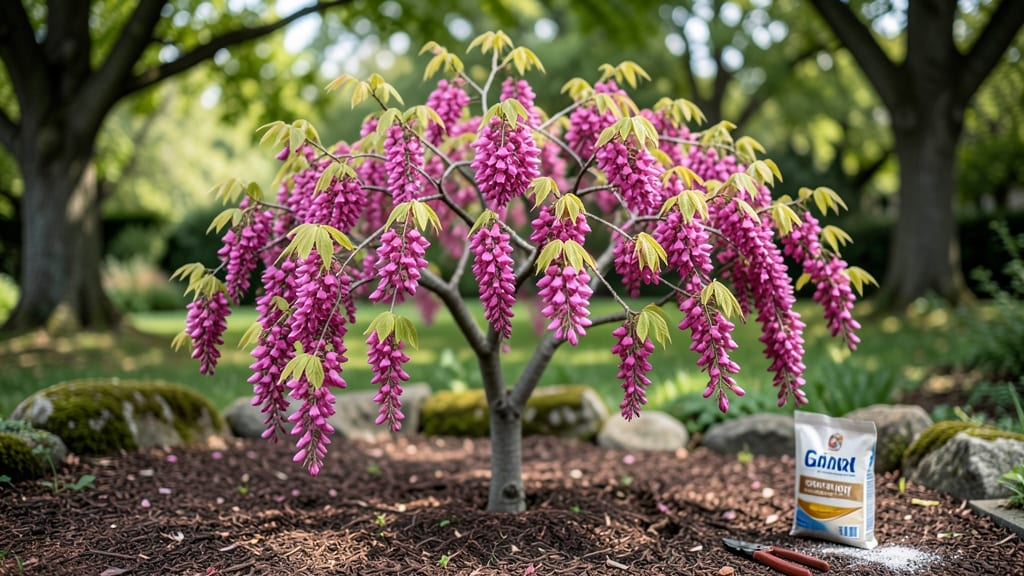
The Rising Sun Redbud tree bursts into vibrant pink blooms just as Pacific Northwest winters loosen their grip—proof that spring’s magic is already underway. 🌸 I’ve watched mine transform from bare branches to a cloud of flowers in just three weeks, and the secret starts with the right pruning timing and technique.
This isn’t just about trimming; it’s about setting the stage for the most spectacular show your garden will see.
Here’s the thing—most gardeners wait until after blooming to prune, but the Rising Sun Redbud thrives when you shape it right after the last frost, when new growth is just waking up.
Grab your loppers and focus on three key cuts: removing dead wood, thinning crowded branches, and opening up the center for better airflow. It’s a 20-minute job that makes all the difference for next year’s blooms.
What you’ll end up with is a tree that looks like a pink waterfall in early spring, followed by glossy green foliage that lasts all summer.
The blooms aren’t just pretty—they’re a magnet for pollinators, and the tree’s compact size makes it perfect for small yards or as a standout feature near patios. Just don’t skip the cleanup after flowering; that’s when you really refine its shape.
Works beautifully in USDA zones 5-8, whether you’re in Seattle’s mild climate or the drier hills of Eastern Washington. The key is patience—give it time to establish, and it’ll reward you with decades of color. Let’s get those branches looking sharp for showtime.
📚 In This Guide
- What you need
- Instructions
- Tips and common mistakes
- Wrapping up and next steps
What you need
- ● Pruning shears: Bypass pruners (sharp, 6–8" blades) for small branches.
- ● Loppers: 8–10" bypass loppers for branches ½"–1.5" thick.
- ● Pruning saw: Curved-tooth saw for thicker branches (1.5"–3").
- ● Gloves: Heavy-duty gardening gloves (cut-resistant, waterproof).
- ● Disinfectant: 70% isopropyl alcohol or 10% bleach solution (for sterilizing tools).
- ● Rubbing alcohol or hydrogen peroxide: 3% solution (for cleaning wounds on the tree).
- ○ Pruning sealant (optional): Tree wound dressing (for cuts > ½" in diameter).
- ● Ladder or step stool: Sturdy, extendable (if tree is > 6 ft tall).
- ● Trash bags: Heavy-duty (for collecting pruned branches).
- ● Notebook & pen: To sketch a quick pruning map if needed!
- ● Timing: Prune after the last frost (typically late March–April in the PNW) but before new buds swell.
- ● Weather: Choose a dry, overcast day (avoid wind or rain).
- ● Safety gear: Safety glasses (to protect from debris).
- ● Tree health check: Inspect for pests/diseases (e.g., powdery mildew) before pruning.
Step-by-step guide for reviving Rising Sun redbud blooms after winter
Here's how I prep these stunning trees for another burst of color—timing and technique matter most.
✂️ Step 1: Time Your Pruning for Post-Frost Warmth
Wait until after the last hard frost when nights stay consistently above 32°F. In the Pacific Northwest, that's typically late March to early April. Pruning too early risks damaging new growth from late frosts, while waiting too long lets pests or weak branches take hold.
Look for fresh, green buds along the branches—that's your signal the tree has broken dormancy. I always check the 10-day forecast before starting, because a surprise cold snap can set back your tree's recovery. If you're unsure, err on the side of waiting a few extra days.
🌿 Step 2: Remove Dead, Damaged, or Crossing Branches First
Start by cutting out any branches that are dead (no green bark when scraped), broken, or rubbing against others. Use sharp bypass pruners to make clean cuts at a 45-degree angle just outside the branch collar. This prevents water from pooling where diseases can enter.
I like to work from the bottom up, removing larger branches first. If a branch is thicker than ½ inch, use loppers instead. Watch for sucker growth at the base—these compete with your main tree for energy, so cut them off at the ground level. Don't worry about making perfect cuts; the tree will heal just fine as long as you're removing what's clearly damaged.
☀️ Step 3: Thin the Canopy for Better Airflow and Light
Step back and look at your tree's shape. You want to open up the center so sunlight reaches all branches. Focus on removing branches that grow straight inward or cross over others. Aim to reduce the canopy by about 20-30%—this encourages stronger blooms and prevents fungal issues.
For each branch you remove, look for a bud facing the outside of the tree. Cut just above that bud at the branch collar (the swollen area where the branch meets the trunk). This ensures new growth will fill in nicely. If you're unsure where to cut, a little extra length is better than accidentally removing too much.
💧 Step 4: Clean Up and Fertilize for Spring Growth
After pruning, rake up all the debris and dispose of it in a sealed bag—this prevents fungal spores from lingering near your tree. I like to sterilize my pruners with rubbing alcohol between cuts to avoid spreading disease.
Apply a balanced, slow-release fertilizer (like 10-10-10) around the drip line of the tree in early April. Water deeply after fertilizing to help the nutrients soak into the soil. This gives your tree the energy it needs to push out fresh leaves and those iconic pink blooms. Avoid heavy fertilizer if your soil is already rich—too much can burn roots.
Tips & tricks for perfect Rising Sun redbud tree spring pruning
Timing and precision are everything when it comes to bringing back your redbud's stunning spring display—here's how to avoid common mistakes and get it right the first time.
Timing is Everything: That 32°F nighttime temperature threshold is critical—don't rush it! I've seen too many gardeners start too early and end up with frost-damaged new growth. Use your local weather service's frost prediction tools or plant a few extra days later than you think you should. The buds will tell you when it's truly safe: they should be swollen and green, not still tight and brown.
Tool Selection Matters: Your pruners are more important than you might think. Bypass pruners cut cleanly without crushing branches, which is especially important for redbuds that heal slowly. I keep a small pair of bypass pruners and a pair of loppers (for branches thicker than ½ inch) in my toolbox year-round. Don't use anhedora pruners—they crush stems and create wounds that invite disease.
Canopy Thinning Strategy: When aiming to reduce your canopy by 20-30%, think of it like opening a window—you want better airflow and light penetration. I like to visualize removing branches that would block sunlight from reaching the center. For redbuds specifically, focus on removing branches that grow directly inward or cross others, as these are the biggest bloom inhibitors. The goal is to create an open vase shape that lets sunlight reach all branches.
Fertilizer Application Tip: That early April timing for fertilizer is perfect because it gives your tree nutrients right when it needs them to push new growth. I've found that applying fertilizer right after pruning (when the tree has fresh wounds) can sometimes lead to root burn, so I wait a few days. Also, be gentle with the amount—redbuds are sensitive to over-fertilizing, which can actually reduce bloom production. A light application is better than going heavy.
Pro Tips for Rising Sun Redbud Tree Spring
- Timing and precision are everything when it comes to bringing back your redbud's stunning spring display—here's how to avoid common mistakes and get it right the first time.
- Timing is Everything: That 32°F nighttime temperature threshold is critical—don't rush it!
- Tool Selection Matters: Your pruners are more important than you might think.
Frequently asked questions
Got questions about pruning your Rising Sun redbud tree for a stunning spring bloom? Here are some of the most common concerns—plus quick answers to keep your tree thriving in the Pacific Northwest’s unpredictable climate!
When is the best time to prune a Rising Sun redbud tree for spring blooms?
The ideal window is late winter to early spring before buds swell (typically February–March in PNW zones 7–9). Prune after frost danger passes but before new growth starts—this balances bloom health and frost protection. Avoid heavy pruning in fall, as it stimulates tender growth vulnerable to winter cold.
How do I protect blooms from late spring frosts in the Pacific Northwest?
Rising Sun redbuds are more frost-resistant than other cultivars, but young buds can still suffer if temps drop below 25°F. Use frost cloth over branches on cold nights (especially for newly planted trees) or opt for overhead sprinklers to create an insulating ice layer. Prune lightly in early spring to reduce frost pockets in dense foliage.
Can I prune a Rising Sun redbud tree too much? What are the signs?
Yes! Over-pruning weakens the tree and reduces next year’s blooms. Watch for:
- Sparse foliage or bare branches (cut back too aggressively).
- Fewer pink flowers (energy diverted to regrowth).
- Stunted growth or dieback (stress response).
What’s the best way to revive a redbud tree that’s not blooming well?
If your Rising Sun redbud has fewer flowers than expected, try these fixes:
- Check sunlight: Ensure it gets full sun (6+ hours/day)—partial shade reduces blooms.
- Test soil pH: Aim for 6.0–7.0; amend with lime or sulfur if needed.
- Fertilize lightly in early spring with balanced 10-10-10 or a low-phosphorus blend.
- Water deeply during droughts (1–2 inches/week).
Are there alternatives to Rising Sun redbud for frost-prone PNW gardens?
If you love the pink blooms but need extra frost resilience, consider:
- ‘Forest Pansy’ redbud (Cercis canadensis ‘Forest Pansy’): Dark purple foliage + pink flowers; tolerates Zone 4.
- Japanese tree lilac (Sophora japonica): Fragrant white blooms; drought-tolerant and frost-hardy.
- Serviceberry (Amelanchier spp.): White spring flowers + edible berries; thrives in Zones 3–9.
Wrapping up and next steps
The Rising Sun Redbud tree is a stunning springtime star in Pacific Northwest gardens, and with the right pruning techniques, you can ensure its vibrant blooms return year after year.
By understanding its unique needs—like avoiding late pruning and embracing its natural shape—you’ll foster a healthy, frost-resistant tree that dazzles for decades. 🌸
Now that you’re equipped with the know-how, grab your pruners and get to work! Start small if you’re new, and soon, your garden will be bursting with Cercis canadensis ‘Rising Sun’ magic. Happy pruning—your future spring blooms will thank you! 🌿✨