
Pruning
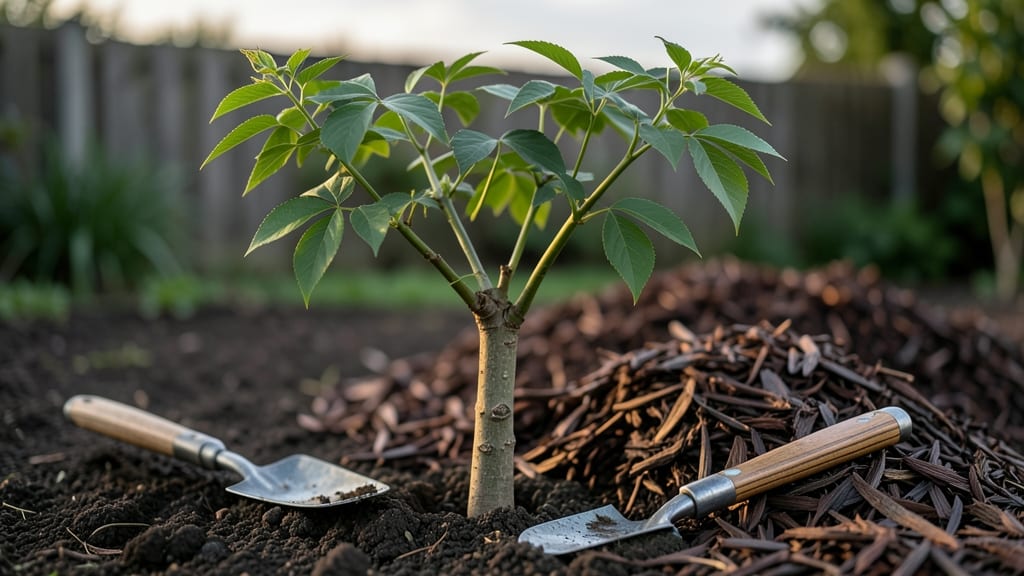
Planting a wisteria tree in the Pacific Northwest means choosing a variety that thrives in your climate—like the hardy 'Amethyst Falls' or 'Blue Moon'—and giving it the right start. The secret lies in mimicking its natural forest-floor habitat: rich, well-draining soil and a spot with morning sun and afternoon shade.
I learned this the hard way after my first wisteria struggled in full sun, its leaves scorched by summer heat. Now, I plant mine where it gets partial shade, and the difference is dramatic—vibrant green foliage and those iconic lavender blooms by early spring.
Start with either a bare-root plant in early spring or a container-grown one in fall, depending on your region’s last frost date.
The key is preparing the hole twice as wide as the root ball but only as deep—wisteria roots spread wide, not deep, so burying it too deep invites rot.
Mix in compost or aged manure for nutrients, and if your soil is heavy clay (common in PNW), add coarse sand or perlite to improve drainage. A 5-gallon container plant will need about 10-12 inches of space around it to avoid root competition.
Water deeply right after planting, then keep the soil consistently moist for the first two months—but never soggy. Mulch with 2-3 inches of wood chips to retain moisture and suppress weeds, though avoid piling mulch against the trunk.
The first year is all about establishing roots, so resist the urge to prune heavily. Instead, trim only dead or crossing branches to encourage a strong framework. By year three, you’ll see those signature cascading vines, but patience is key—wisteria takes 3-5 years to reach full bloom potential.
Here’s where it gets interesting: wisteria’s aggressive growth means you’ll need to train it on a sturdy arbor, trellis, or fence—10-15 feet of vertical space is ideal for mature vines.
In the PNW’s mild winters, prune lightly in late winter to shape the plant and remove old wood, but avoid heavy cuts that stimulate too much new growth before spring. The payoff?
A fragrant, shade-providing canopy that transforms your garden into a Pacific Northwest paradise—if you’re willing to wait (and prune).
📚 In This Guide
- What you need
- Instructions
- Tips and common mistakes
- Wrapping up and next steps
What you need
- ● Wisteria plants: 1–3 bare-root or container-grown wisteria (choose Wisteria sinensis or Wisteria floribunda for PNW climates).
- ● Shovel: 1 medium-sized digging shovel (for planting and amending soil).
- ● Garden gloves: 1 pair (to protect hands from thorns and soil).
- ● Pruning shears: 1 pair of sharp, sterilized shears (for trimming roots/stems post-planting).
- ● Mulch: 2–3 bags of organic mulch (e.g., wood chips or straw) to retain moisture and suppress weeds.
- ● Compost or fertilizer: 1 bag of balanced, slow-release fertilizer (10-10-10 or similar) or compost for nutrient-rich soil.
- ● Watering can or hose: 1 with a gentle spray nozzle (for post-planting hydration).
- ○ Support structure (optional but recommended): 1 trellis, arbor, or sturdy fence (wisteria needs vertical support to climb!).
- ● Soil test kit: To check pH (wisteria prefers 6.0–7.0; amend with lime or sulfur if needed).
- ● Root stimulator: 1 bottle (e.g., Mycorrhizal fungi) to boost early growth in the PNW’s cooler climate.
- ● Drip irrigation system: For consistent moisture, especially during dry spells.
- ● Epsom salt: 1 box (magnesium sulfate helps with vibrant foliage and blooms).
- ● Thorn-proof sleeves: For hands if you’re really sensitive to wisteria’s prickly stems!
Step-by-step guide for planting wisteria in the Pacific Northwest
Here's how to establish a thriving wisteria tree with minimal fuss—perfect for our region's mild, wet winters and sunny summers.
🌱 Step 1: Choose the Right Location and Prepare the Site
Wisteria needs space to climb and plenty of sunlight. Pick a spot with at least 6 hours of direct sun daily, preferably against a sturdy fence, trellis, or pergola. Avoid low-lying areas where cold air settles—wisteria struggles with frost pockets. Test the soil by digging a 12-inch hole and checking for drainage. If water pools after 30 minutes, amend the soil with 2-3 inches of coarse sand or gravel to improve drainage.
In the Pacific Northwest, our acidic soils often lack phosphorus, which wisteria craves. Mix 1 cup of bone meal into the bottom of the hole to give roots an early nutrient boost. Don’t skip this—it makes a huge difference in early growth. If your soil is heavy clay, blend in a shovelful of compost to loosen it up. The goal is soil that feels like a damp sponge, not mud.
🪴 Step 2: Plant at the Correct Depth and Stake for Support
Dig a hole twice as wide as the root ball but no deeper—wisteria roots need to sit at the same level they were in the nursery. Gently loosen the roots if they’re circling tightly in the pot. Place the tree in the hole and backfill with the native soil, pressing lightly to remove air pockets. Water deeply to settle the soil around the roots.
Stake the wisteria immediately with two sturdy 4-foot wooden stakes positioned on opposite sides of the root ball. Use soft tree ties or strips of old fabric to secure the trunk to the stakes—never wire, which can girdle the bark as it grows. In windy PNW sites, this prevents the young tree from toppling. Water again after staking to help the soil compact naturally around the roots.
☀️ Step 3: Water Deeply and Mulch to Retain Moisture
Water the newly planted wisteria deeply once a week for the first 6 weeks, ensuring the soil stays moist but not soggy. In our region’s mild climate, you’ll need less water in winter but keep an eye on summer droughts. The rule of thumb: water when the top 2 inches of soil feel dry. Overwatering is just as harmful as underwatering—wisteria roots rot easily if they sit in wet soil.
Spread 3 inches of wood chips or shredded bark mulch over the soil surface, keeping it 6 inches away from the trunk to prevent rot. Mulch helps retain moisture and keeps soil temperatures stable, which is especially important during our cool, damp springs. Replenish mulch annually in early spring to maintain its insulating properties. Avoid synthetic mulches—they don’t break down and can suffocate roots over time.
✂️ Step 4: Prune Strategically in Early Spring
Wait until late winter or early spring, just before new growth begins, to prune your wisteria. Remove any dead, damaged, or crossing branches first—these compete with healthy growth for nutrients. Then, cut back one-third of the previous year’s growth to encourage bushier flowering. Use clean, sharp pruners and make cuts just above a bud or leaf node to promote healing.
Here’s the thing about wisteria: it grows fast, but patience pays off. Don’t be tempted to prune heavily in the first year—you’ll stunt flowering. Instead, focus on shaping the plant and training vines along the trellis. In the Pacific Northwest, our mild winters mean wisteria can grow year-round, so prune again lightly in late summer to control vigorous growth before winter dormancy sets in.
Tips & tricks for perfect wisteria planting in the Pacific Northwest
These climate-smart strategies will help your wisteria thrive in our region's unique conditions.
Sunlight Strategy: That 6 hours of direct sun is non-negotiable for wisteria success. In the PNW, our summers can be surprisingly sunny even with frequent cloud cover—track sun exposure for at least a week before planting. South-facing locations get the most consistent sunlight, but west-facing spots work too if they receive afternoon sun. If your site only gets morning sun, consider supplementing with a trellis that provides some afternoon shade during peak summer heat.
Soil Test Tip: Before amending your 12-inch hole, grab a handful of native soil and squeeze it. If it stays in a tight ball when dry, you've got heavy clay that needs that shovelful of compost. If it crumbles easily, your soil drains well and just needs the bone meal. Our acidic PNW soils often need this phosphorus boost—think of it as wisteria fertilizer for the first critical year of growth. The bone meal will dissolve slowly, giving roots a steady nutrient supply.
Staking Wisdom: Those 4-foot wooden stakes should be positioned at a 45-degree angle from the trunk, not straight up. This creates a more stable triangle support system. I've seen too many wisterias topple because stakes were planted vertically—especially important in our windy coastal areas. After staking, give the trunk a gentle wiggle test. If it moves more than an inch, you need tighter ties. Remember, the goal is support without restricting growth as the tree matures.
Watering Watch: The top 2 inches of soil test is perfect for our climate, but here's the PNW twist: our winters bring consistent rainfall. Once your wisteria establishes after those first 6 weeks, you might only need to water during summer droughts. I check soil moisture by pushing a screwdriver into the ground—if it goes in easily, hold off on watering. The key is keeping roots moist but never waterlogged, which is especially critical during our damp springs when fungal diseases can take hold.
Pro Tips for Wisteria Tree Planting
- These climate-smart strategies will help your wisteria thrive in our region's unique conditions.
- Sunlight Strategy: That 6 hours of direct sun is non-negotiable for wisteria success.
- Soil Test Tip: Before amending your 12-inch hole, grab a handful of native soil and squeeze it.
Frequently asked questions
Got questions about planting wisteria in the Pacific Northwest? You’re not alone!
Here are the answers to common concerns—from timing to troubleshooting—so you can grow a thriving vine with confidence.
When is the best time to plant wisteria in the PNW?
Plant wisteria in early spring (March–April) or fall (September–October) for the best results. Spring gives roots time to establish before summer heat, while fall planting avoids winter stress. Avoid planting in extreme heat or frost—wisteria needs consistent moisture to take root!
Can wisteria survive the PNW’s rainy climate?
Yes! Wisteria thrives in the PNW’s mild, wet winters and cool summers, but drainage is key. Plant in well-draining soil (amend clay with compost) and avoid waterlogged spots. Mulch around the base to protect roots from excess moisture and temperature swings.
Do I need a trellis, or can wisteria grow as a standalone tree?
Wisteria is a climbing vine, so it needs support—whether a trellis, arbor, or sturdy fence. If you want a tree-like shape, graft a wisteria onto a hardy rootstock (e.g., Amelanchier or Crabapple) and prune aggressively to encourage a trunk. Without support, it’ll sprawl and risk weak stems.
Why isn’t my wisteria flowering? How do I fix it?
Lack of flowers often means immature vines, poor sunlight, or over-pruning. Ensure your wisteria gets 6+ hours of sun daily and prune after flowering (late summer/fall) to encourage next year’s blooms. Young vines (under 3 years) may not flower—be patient! Also, avoid heavy nitrogen fertilizer, which promotes foliage over flowers.
Are there wisteria alternatives for low-maintenance gardens?
If wisteria’s vigorous growth seems overwhelming, try these PNW-friendly alternatives:
- Clematis: Less aggressive, blooms prolifically, and thrives in partial shade.
- Honeysuckle (Lonicera): Fragrant, fast-growing, and attracts pollinators.
- Climbing Roses: Classic beauty with moderate pruning needs.
- Virginia Creeper: Native, low-maintenance, and great for shade.
How do I control wisteria’s aggressive spread?
Wisteria’s roots and runners can be tenacious! To contain it:
- Plant in a deep, buried pot (like a root barrier) if space is limited.
- Prune old wood annually to redirect energy upward.
- Monitor for suckers and remove them promptly.
- Consider dwarf varieties like Wisteria floribunda ‘Amethyst Falls’ for milder growth.
Wrapping up and next steps
Planting a wisteria tree in the Pacific Northwest isn’t just about adding beauty—it’s about embracing a climate-smart, long-term investment in your garden. 🌿 With the right location, soil prep, and care, your wisteria will thrive for decades, rewarding you with stunning blooms and lush foliage.
Now that you’re equipped with the know-how, take the next step: mark your spot, gather your tools, and get ready to nurture this stunning vine into a showstopper!
Pro tip: 💡 Start small—even a single wisteria plant can transform a fence or trellis into a breathtaking vertical garden. Happy planting!