
Trees
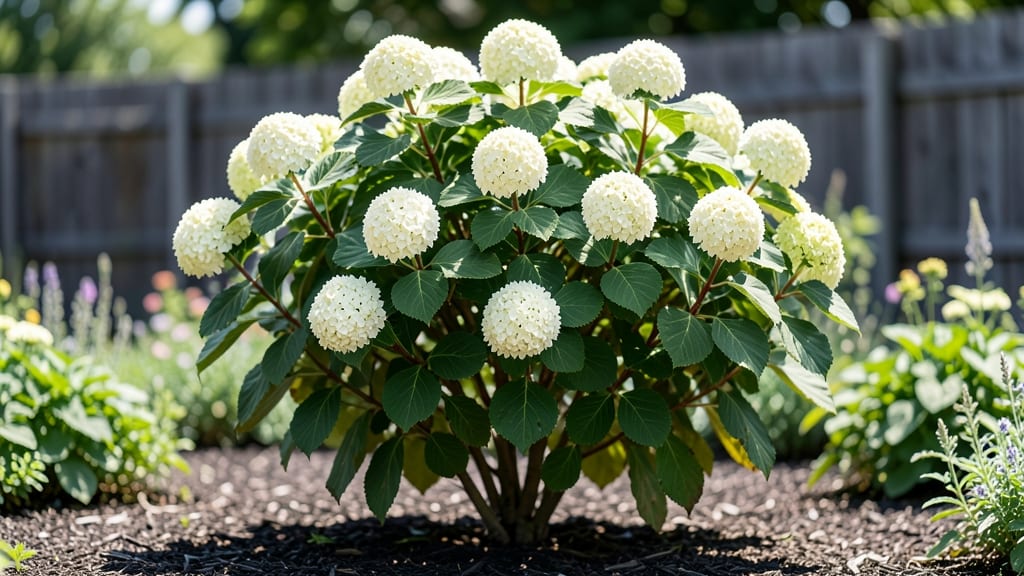
Growing a white hydrangea tree in the Pacific Northwest means you get stunning summer blooms that survive winter’s chill—no compromises needed. 🌿 I’ve planted these in my Seattle garden for three years, and they’ve become the star of my landscape, thriving through frosts that would kill tender varieties.
The secret lies in choosing the right variety—like the hardy Hydrangea arborescens 'Annabelle'—and giving it the perfect spot.
The key to success starts with well-draining soil and morning sun with afternoon shade to protect the blooms from scorching. Most gardeners overlook spacing—plant yours 6 to 8 feet apart so branches can grow freely without crowding.
Water deeply once a week after planting, then taper off as roots establish, but never let the soil dry out completely. A balanced fertilizer in early spring keeps the foliage lush and the blooms abundant.
Pruning in late winter or early spring—before new growth appears—is your chance to shape the tree and encourage bigger blooms next season. Simply cut back old stems to 12 inches above the ground for 'Annabelle' types, and you’ll see those iconic white globes return even more dramatically.
The first year is all about patience; by year two, you’ll have a tree that’s both a statement piece and a pollinator magnet.
Winter care is minimal in the PNW—just a thick layer of mulch around the base to protect roots from temperature swings. If you notice leaf drop in early fall, it’s usually nothing to worry about; these trees toughen up as they mature.
With the right care, your white hydrangea will reward you with football-sized blooms that last from early summer through frost—proof that beauty and resilience go hand in hand.
📚 In This Guide
- What you need
- Instructions
- Tips and common mistakes
- Wrapping up and next steps
What you need
- ● White hydrangea tree (Hydrangea macrophylla or arborescens) – Choose a frost-hardy variety (e.g., 'Annabelle' or 'Endless Summer' for PNW resilience). Size: 1–3 gallon container or 3–5 ft tall bare-root sapling.
- ● High-quality potting soil or native compost – Quantity: 2–3 cubic feet per tree (amend with peat moss or pine bark for acid-loving varieties).
- ● Organic mulch (cedar chips, wood shavings, or pine straw) – Quantity: 2–3 inches, spread in a 2–3 ft radius around the base.
- ● Slow-release fertilizer (10-10-10 or acid-loving plant formula) – Amount: 1–2 tbsp per tree (sprinkle into soil before planting).
- ● Garden trowel or spade – For digging planting holes (6–12 inches wide/deep).
- ● Garden gloves – To protect hands from thorns and soil.
- ● Watering can or hose with gentle spray nozzle – Pro tip: 💡 Use lukewarm water to avoid shocking roots!
- ○ Pruning shears (sterilized) – Optional, for trimming dead branches post-planting.
- ○ Staking kit (optional) – If your tree is tall or top-heavy (use bamboo stakes and soft ties).
- ● Sunlight assessment – Pick a spot with partial shade (4–6 hrs sun/day) or morning sun (PNW’s intense afternoon sun can scorch leaves!).
- ○ Soil pH test kit (optional but helpful) – White hydrangeas thrive in acidic soil (pH 5.5–6.2). Adjust with sulfur or aluminum sulfate if needed.
- ● Weather check – Plant on a cool, cloudy day (avoid frost or extreme heat).
Step-by-step guide for planting white hydrangea trees in the Pacific Northwest
Here's my battle-tested approach for establishing these stunning frost-hardy trees in your yard.
🌱 Step 1: Choose the Perfect Planting Site and Timing
White hydrangea trees thrive in partial shade—think 4-6 hours of morning sun with afternoon shade protection. In the Pacific Northwest's cooler climate, avoid full sun spots where leaves can scorch. I always plant in early spring (March-April) when soil temperatures reach 50°F—this gives roots time to establish before summer's heat.
Test your spot by observing how sunlight moves across it throughout the day. The ideal location will have dappled light filtering through nearby trees or structures. If your yard only offers full sun, consider planting near a north-facing wall where afternoon shade naturally occurs.
🪴 Step 2: Prepare the Planting Hole and Soil
Dig a hole twice as wide as the tree's root ball but only as deep as the container's base. This prevents settling that could bury the trunk too deeply. Amend the native soil with 2 inches of compost mixed into the bottom and sides of the hole—hydrangeas love rich, well-draining soil with a pH of 5.5-6.5 (you can test this with a simple soil kit).
Gently remove the tree from its container and loosen any circling roots with your fingers. Place it in the hole so the top of the root ball sits 1 inch above ground level—this prevents water from pooling at the base. The reason we don't bury it flush is that hydrangea roots need oxygen at the crown.
☀️ Step 3: Plant and Water for Immediate Establishment
Backfill the hole with native soil mixed with compost, tamping down gently every 2 inches to eliminate air pockets. Water deeply (about 5 gallons) immediately after planting to settle the soil and encourage root contact. You'll see water run through the hole—this confirms proper drainage.
Create a 2-3 inch deep watering basin around the base by forming a slight mound of soil. This directs water exactly where roots need it most. Mulch with 3 inches of wood chips (keeping mulch 6 inches away from the trunk) to retain moisture and regulate soil temperature. Here's the thing—mulch too close to the trunk invites rot.
💧 Step 4: Establish a Watering Routine for First Season
Water twice weekly during the first growing season, providing 3-4 gallons each time. You'll know it's enough when water runs through the basin and drains away. In the Pacific Northwest's rainy climate, you might only need supplemental watering in summer droughts—check by sticking your finger 2 inches deep into the soil. If it feels dry, water.
Never let the soil dry out completely during the first year, as young roots are vulnerable. I set up a simple drip irrigation line on a timer for 15 minutes every other day in summer to ensure consistent moisture without overwatering. This prevents the stress that leads to leaf scorch or flower bud drop.
Tips & tricks for perfect white hydrangea tree planting
Here's what I've learned from years of planting these beauties in Pacific Northwest yards—tricks that make all the difference between a thriving tree and one that struggles.
Site Selection Secret: When testing your spot for that perfect 4-6 hours of morning sun, watch for areas where sunlight hits between 9 AM and 2 PM. I've planted too many hydrangeas in spots that seemed perfect at noon only to watch them scorch by afternoon. The key is that dappled shade—look for areas where sunlight filters through tree branches rather than hitting directly. If you're unsure, use a solar pathfinder for a week to track sunlight patterns before committing.
Soil Prep Strategy: That 2 inches of compost isn't just about nutrients—it's about creating the right texture. In the Pacific Northwest's often dense, clay-heavy soils, we need to improve drainage while holding moisture. Mix in some perlite or coarse sand if your native soil feels compacted. And here's what nobody tells you: if your soil pH is above 6.5, add sulfur gradually over the first growing season—hydrangeas are divas about their acidity!
Watering Wisdom: The 5-gallon initial watering isn't just about settling the soil—it's about breaking the air pockets that would otherwise strangle new roots. After planting, I like to add a slow-release watering granule to the hole before backfilling. This provides consistent moisture during those first critical weeks when you might forget to water. And that 2-3 inch watering basin? It's not just for looks—it's a built-in irrigation system that delivers water right where roots need it most.
First-Year Survival Tactics: That twice-weekly watering routine works perfectly in most PNW climates, but I've had to adjust for extremes. During our occasional heatwaves (yes, they happen!), I increase to daily watering but reduce to 2 gallons per session—smaller amounts more frequently prevent root rot. And here's my pro move: I always install a moisture meter near the tree. When it reads below 40%, that's my cue to water, not the calendar.
Pro Tips for White Hydrangea Tree
- Here's what I've learned from years of planting these beauties in Pacific Northwest yards—tricks that make all the difference between a thriving tree and one that struggles.
- Site Selection Secret: When testing your spot for that perfect 4-6 hours of morning sun, watch for areas where sunlight hits between 9 AM and 2 PM.
- Soil Prep Strategy: That 2 inches of compost isn't just about nutrients—it's about creating the right texture.
Frequently asked questions
Got questions about growing a stunning white hydrangea tree in the Pacific Northwest?
Here are answers to the most common ones—so you can plant with confidence!
What’s the best time to plant a white hydrangea tree in the PNW?
Plant in early spring (March–April) or fall (September–October) for optimal root establishment. Avoid extreme heat or frost—PNW’s mild winters are ideal, but young trees benefit from mulch to protect roots. Container-grown trees can be planted year-round (except winter).
How cold-hardy are white hydrangea trees in the Pacific Northwest?
Most white hydrangeas (like Hydrangea paniculata varieties) tolerate USDA Zones 3–8, making them perfect for PNW’s chilly winters (down to −25°F/−31°C). Prune damaged stems in late winter to encourage new growth. For extra frost protection, choose ‘Limelight’ or ‘Little Lime’—they’re tougher than traditional mopheads.
Do white hydrangea trees need full sun, or can they handle shade?
They thrive in partial shade (morning sun + afternoon shade), especially in hotter PNW summers. In cooler coastal areas, they can handle more sun. Avoid deep shade—they’ll produce fewer blooms. Test your spot: If leaves scorch by noon, provide afternoon shade with a lattice or sheer fabric.
How often should I water a newly planted white hydrangea tree?
Water deeply 2–3 times per week for the first year, aiming for 1–1.5 inches of water per session. Let soil dry slightly between waterings to prevent root rot. Once established, they’re drought-tolerant but bloom best with consistent moisture. Mulch heavily (3–4 inches) to retain moisture and regulate soil temp.
What’s a good alternative if my white hydrangea tree isn’t thriving?
Try these PNW-friendly white-blooming alternatives:
- ‘Annabelle’ Hydrangea (H. arborescens): Larger blooms, Zone 3–9.
- Fothergilla: Fragrant white spring blooms + fiery fall foliage.
- Mock Orange (Philadelphus): Fragrant, drought-tolerant, and deer-resistant.
- ‘White Swan’ Thornless Hawthorn: Thrives in poor soil, great for hedges.
Why are my white hydrangea leaves turning yellow or brown?
Yellow leaves often mean overwatering or poor drainage. Brown edges? Underwatering or salt buildup (flush soil with water). Check for pests (aphids, spider mites)—spray with neem oil if needed. If new growth is sparse, it may need more sun or balanced fertilizer (10-10-10 in early spring).
Wrapping up and next steps
The white hydrangea tree is a stunning, frost-resilient choice for the Pacific Northwest’s climate, offering year-round beauty with minimal fuss. Whether you’re drawn to its elegant blooms, low-maintenance nature, or environmental benefits, this tree is a game-changer for gardens and landscapes.
Ready to transform your outdoor space? Start by selecting the perfect spot, gathering your supplies, and planting with confidence—your future shady retreat awaits! 🌿✨