
Trees
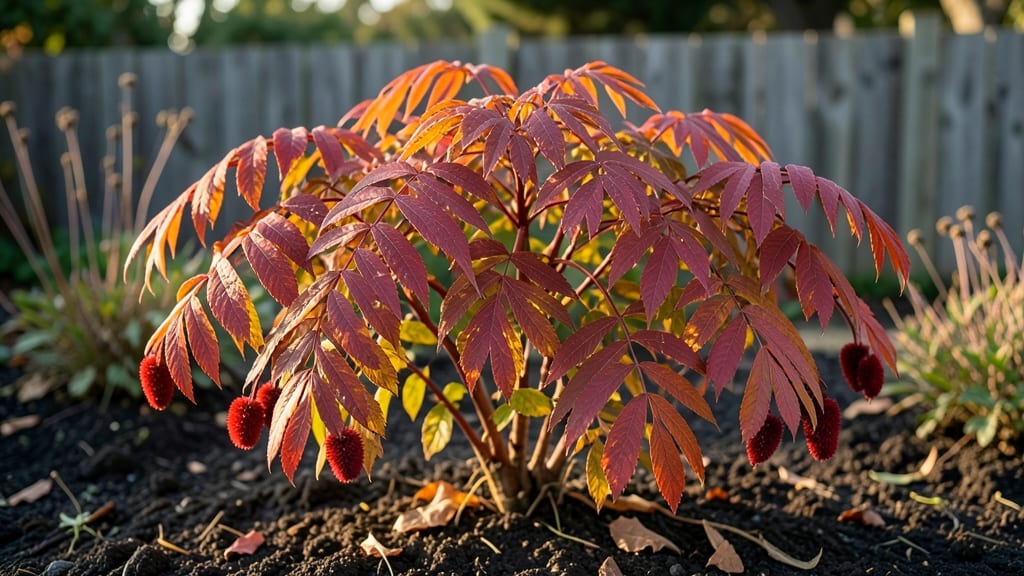
Growing a sumac tree in the Pacific Northwest means you get a hardy, low-maintenance plant that thrives where others struggle—especially when frost rolls in. 🌿 I’ve watched these tough trees survive our damp winters and still burst into brilliant fall colors, proving they’re the unsung heroes of local landscapes.
The key lies in their native adaptability: they handle everything from rocky soil to urban pollution, yet still produce those iconic red berry clusters that birds adore.
You’ll need just three things to get started: a spot with full sun to partial shade, well-draining soil (even rocky or sandy works), and patience—sumac grows fast but doesn’t need much fuss.
Staghorn sumac, with its dramatic, velvety leaves, or fragrant sumac, which releases a citrusy scent when crushed, both thrive here. Plant in early spring or fall, and within a few years, you’ll have a tree that’s both beautiful and wildlife-friendly.
The real magic happens in late summer when the berries appear, feeding birds through winter. Pruning is minimal—just remove dead branches in early spring—but the foliage’s fiery autumn hues make it a standout.
By next fall, your neighbors will be asking where you got yours. The best part? It’s one of those plants that looks effortless once it’s established.
Works in backyards, urban lots, or even large containers if space is tight. Here’s how to make yours flourish from day one—no green thumb required.
📚 In This Guide
- What you need
- Instructions
- Tips and common mistakes
- Wrapping up and next steps
What you need
- ● Sumac plants: 1–3 Staghorn sumac (Rhus typhina) or Fragrant sumac (Rhus aromatica) saplings (3–5 ft tall for faster establishment)
- ● OR 50–100 sumac seeds (collected from ripe berries, dried for 2–3 weeks)
- ● Planting site: Full sun to partial shade (6+ hours of sunlight daily)
- ● Well-draining soil (sumac tolerates poor, rocky, or sandy soil—ideal for PNW’s varied terrain)
- ○ Slope or hillside (optional but recommended for natural drainage)
- ○ Soil amendments (optional but helpful): Compost (5–10 gallons) to improve soil structure
- ● Gritty sand or perlite (1–2 bags) for sandy or clay-heavy soils
- ● Shovel or trowel (for digging holes)
- ● Garden gloves (to protect hands from thorns and rough bark)
- ● Watering can or hose (with adjustable nozzle)
- ● Mulch (wood chips or straw, 2–3 bags)
- ● Pruners (for trimming saplings or shaping mature trees)
- ○ pH test kit (optional, to check soil acidity—sumac prefers 6.0–7.5)
- ● Best planting time: Early spring (March–April) or early fall (September–October) to avoid frost stress.
- ● Frost hardiness: Sumac tolerates Zone 3–9—perfect for PNW’s cold winters!
- ● Space: Allow 10–15 ft between saplings (sumac spreads via suckers).
- ● Water source: Access to water for the first 2–3 weeks post-planting.
Step-by-Step guide for planting frost-resilient sumac trees
Here’s how to establish sumac trees in the Pacific Northwest’s climate—where cold snaps and wet winters can make or break survival.
🌱 Step 1: Choose the Right Location and Prepare the Soil
Sumac thrives in full sun to partial shade, but in the Pacific Northwest, a spot with morning sun and afternoon shade works best. Avoid low-lying areas where cold air settles—sumac hates soggy roots. Test your soil: sumac tolerates poor, rocky, or sandy soil but grows best in slightly acidic to neutral soil with a pH between 6.0 and 7.5. If your soil is heavy clay, mix in 2-3 inches of compost to improve drainage.
Clear the planting area of weeds and debris, then loosen the soil to a depth of 12-18 inches with a shovel or tiller. This helps roots spread easily, especially important for young trees in early spring or fall. I like to add a handful of bone meal at planting time to give roots a phosphorus boost for winter hardiness.
🪴 Step 2: Plant Bare-Root or Container-Grown Saplings Correctly
For bare-root saplings, soak the roots in water for 1-2 hours before planting to rehydrate them. Dig a hole twice as wide as the root ball but no deeper—sumac roots are shallow and prefer to sit just below the soil line. If planting container-grown trees, remove the pot and gently tease apart any circling roots to encourage outward growth.
Place the tree in the hole so the top of the root ball sits 1-2 inches above ground level. This prevents soil from washing over the graft union (if applicable) or smothering the trunk. Backfill with native soil, tamping lightly every 2-3 inches to remove air pockets. Water deeply to settle the soil and eliminate gaps.
☀️ Step 3: Mulch and Water for Winter Survival
Spread 3-4 inches of organic mulch (like wood chips or straw) over the root zone, keeping it 6 inches away from the trunk to prevent rot. Mulch insulates roots during Pacific Northwest freezes and retains moisture during summer droughts. Water the tree once a week for the first month, then reduce to every 2-3 weeks once established—sumac is drought-tolerant but needs consistent moisture early on.
Watch for wilting leaves or dry soil 2 inches below the surface—these are your cues to water. Avoid overhead watering in winter to prevent fungal diseases. In the first year, young sumac trees may drop leaves in early frost, but they’ll regrow in spring if roots stay healthy.
✂️ Step 4: Prune for Structure and Disease Prevention
Prune sumac in late winter or early spring before new growth begins. Remove any dead, damaged, or crossing branches first—sumac’s natural shape is vase-like, so thin out crowded stems to improve airflow. Never prune more than 25% of the canopy in a single year; sumac recovers slowly from heavy cuts.
Look for signs of scale insects or leaf spot diseases (common in wet Pacific Northwest summers). Prune out infected branches immediately and sterilize your tools with 70% rubbing alcohol between cuts. Healthy sumac trees rarely need fertilizer, but if leaves appear pale, apply a balanced 10-10-10 fertilizer in early spring at half the recommended rate.
Tips & tricks for planting frost-resilient sumac trees
Between us, I've watched sumac trees struggle—and thrive—through Pacific Northwest winters, and these small details make all the difference.
Soil Prep Secret: That 12-18 inch soil loosening in Step 1 isn't just about roots—it's about creating a sponge-like environment. Use a garden fork to break up compacted layers without turning the soil into dust. For clay-heavy soils, mix in compost in layers rather than all at once. I've seen roots grow twice as fast when soil stays aerated like this.
Root Rehydration Hack: When you soak bare roots for those critical 1-2 hours in Step 2, add a splash of seaweed extract to the water. The natural growth hormones help stressed roots recover faster. This is especially helpful if your saplings arrive wilted from the nursery—it's like giving them a head start on survival.
Mulch Placement Matters: The 6-inch clearance from trunk to mulch in Step 3 isn't arbitrary—it prevents moisture buildup that causes rot. Use a straightedge to create this gap while spreading your 3-4 inches of mulch. I've lost count of how many trees I've saved by keeping that space clear, especially in wet winters when fungal diseases lurk.
Pruning Timing: That late winter/early spring window in Step 4 is your best shot at catching pests early. I mark my calendar for February 15th—right when the first robins return—as my target date. Pruning before buds swell means you're removing winter-damaged branches while leaving next year's growth intact.
Pro Tips for Sumac Tree
- Between us, I've watched sumac trees struggle—and thrive—through Pacific Northwest winters, and these small details make all the difference.
- Soil Prep Secret: That 12-18 inch soil loosening in Step 1 isn't just about roots—it's about creating a sponge-like environment.
- Root Rehydration Hack: When you soak bare roots for those critical 1-2 hours in Step 2, add a splash of seaweed extract to the water.
Frequently asked questions
When is the best time to plant a sumac tree in the Pacific Northwest?
The ideal time to plant sumac trees in the PNW is early spring or fall—when soil is workable but not frozen. Avoid planting in summer heat or winter frost, as these extremes stress young roots. Pro tip: If planting in fall, do so at least 6 weeks before the first hard frost to allow roots to establish.
How cold can sumac trees tolerate in the Pacific Northwest?
Sumac trees are highly frost-resistant, thriving in USDA zones 4–9. In the PNW, they handle winters down to -25°F (-32°C) without issue. However, young saplings may need winter mulch (2–3 inches of wood chips) for added protection during their first few years. Native varieties like Rhus glutinosa are especially hardy.
Are there any plants or trees I should avoid planting near my sumac?
Sumac trees are generally low-maintenance but can compete with shallow-rooted plants like strawberries, lavender, or young fruit trees. Avoid planting them too close to black walnut trees, as their toxic roots (juglone) inhibit sumac growth. Keep a 10–15 foot buffer around sumac to prevent competition.
Do sumac trees need pruning, and if so, when?
Pruning is minimal but helps maintain shape and health. The best time to prune is late winter or early spring (before new growth starts). Remove dead, diseased, or crossing branches using clean, sharp tools. Avoid heavy pruning in fall, as it can stimulate tender new growth vulnerable to frost damage.
Are sumac trees good for wildlife, and do they attract pests?
Yes! Sumac berries are a wildlife magnet, attracting birds, squirrels, and pollinators. However, they’re rarely plagued by pests. Watch for aphids or spider mites in drought conditions—treat with a strong spray of water or insecticidal soap if needed. Deer and rabbits usually avoid mature sumac due to its prickly stems.
Wrapping up and next steps
Growing a sumac tree in the Pacific Northwest isn’t just about adding a stunning, frost-resistant plant to your landscape—it’s about embracing a low-maintenance, versatile beauty that thrives in your climate. 🌿 Whether you’re drawn to its fiery fall foliage, wildlife-friendly berries, or drought-tolerant resilience, sumac delivers year-round charm with minimal effort.
Ready to transform your outdoor space? Start by selecting the perfect spot this weekend—your future sumac’s health (and your future shade) will thank you!