
Blooming
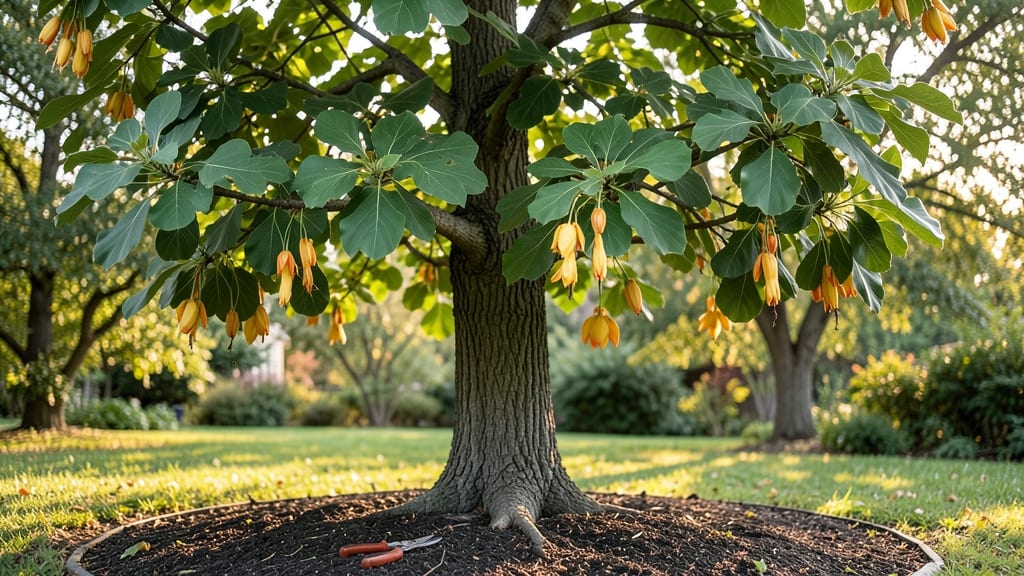
The tulip poplar tree blossom transforms your yard into a springtime dream with its striking, tulip-shaped flowers that dangle like nature’s chandelier. 🌸 I’ve watched mine burst into bloom every April, their golden-yellow petals swaying in the breeze—it’s the kind of sight that makes neighbors stop and stare.
The secret isn’t complicated, but timing and care make all the difference.
This tree thrives in full sun to partial shade, with soil that drains well but stays moist—think rich, loamy earth mixed with compost. Young trees need regular watering, while mature ones handle drought surprisingly well once established.
Prune in late winter to shape the canopy and remove dead branches, but avoid heavy cuts that could delay flowering.
By mid-spring, you’ll be rewarded with clusters of blossoms that smell faintly sweet and attract bees and butterflies. The flowers may drop quickly, but the tree’s height and lush foliage keep the show going all summer. Even in urban areas, this fast-growing giant adds drama without demanding constant attention.
Common issues like powdery mildew or borers are easy to prevent with proper spacing and occasional inspections. With the right care, your tulip poplar will become the star of your landscape—year after year. Let’s get those blossoms blooming!
📚 In This Guide
- What you need
- Instructions
- Tips and common mistakes
- Wrapping up and next steps
What you need
- ● Tulip poplar seeds or saplings: Choose high-quality, disease-resistant varieties (e.g., Liriodendron tulipifera). For seeds, ensure they’re fresh (or pre-soaked for faster germination). For saplings, opt for 1–3-year-old trees (3–6 feet tall).
- ● Well-draining soil: A mix of 60% topsoil, 30% compost, and 10% perlite/sand (for seeds). For saplings, amend native soil with compost and organic matter.
- ● Fertilizer: Slow-release balanced fertilizer (10-10-10) or organic options like worm castings or bone meal (apply at planting and again in spring).
- ● Mulch: 3–4 inches of wood chips or shredded bark (keep mulch 3 inches away from the trunk to prevent rot).
- ● Garden trowel or shovel (for digging planting holes).
- ● Measuring tape or ruler (to ensure proper spacing—20–30 feet apart for mature trees).
- ● Watering can or hose with a gentle spray nozzle (tulip poplars need 1–2 inches of water weekly, especially in dry spells).
- ● Pruning shears (for shaping young trees and removing dead branches).
- ● Garden gloves (to protect your hands while handling soil or saplings).
- ● Tree stakes & ties (for young saplings in windy areas).
- ● Epsom salt (magnesium sulfate) to boost leaf health if soil is deficient.
- ● Shade cloth (for seedlings to prevent overheating in hot climates).
- ● Soil pH test kit (ideal pH: 6.0–7.0; adjust with lime or sulfur if needed).
How to cultivate tulip poplar trees for stunning spring blooms
Here's my straightforward approach to growing these showstopping trees with minimal fuss.
🌱 Step 1: Select and Prepare Your Planting Site
Tulip poplars thrive in full sun to partial shade—pick a spot with at least 6 hours of sunlight daily. They tolerate a range of soil types but prefer well-draining soil with a pH between 6.0 and 7.5. If your soil is heavy clay, mix in 2-3 inches of compost to improve drainage before planting.
Here's the thing—these trees grow fast, so give them space. Aim for a minimum of 30 feet between trees (they mature at 40-60 feet tall). Mark the planting spot with a stake so you don't accidentally plant too close to structures or other trees.
☀️ Step 2: Plant Your Tulip Poplar Tree
Dig a hole twice as wide as the root ball but no deeper. The top of the root ball should sit 1-2 inches above ground level—this prevents water from pooling around the roots. Gently loosen the roots if they're circling tightly in the container.
Backfill the hole with the native soil, tamping down lightly every 6 inches to remove air pockets. Water deeply right after planting to settle the soil. You'll see the soil surface settle slightly—this is normal and ensures good root-to-soil contact.
💧 Step 3: Water and Mulch for Healthy Growth
Water your tulip poplar deeply 2-3 times per week for the first year, keeping the soil moist but not soggy. These trees have deep roots, so deep watering encourages strong root development. After the first year, they become quite drought-tolerant once established.
Apply 2-3 inches of mulch around the base, keeping it 6 inches away from the trunk to prevent rot. Use organic mulch like wood chips or shredded bark—this conserves moisture and regulates soil temperature. Refresh the mulch annually as it breaks down.
✂️ Step 4: Prune and Maintain for Optimal Blooms
Prune in late winter or early spring before new growth begins. Remove any dead, diseased, or crossing branches first—this opens the canopy for better airflow and bloom visibility. Thin out crowded branches to maintain an open, airy structure that lets sunlight reach all parts of the tree.
Watch for the distinct tulip-shaped blooms in spring—they appear on the ends of branches before the leaves fully emerge. These flowers attract pollinators and add stunning vertical interest to your landscape. After blooming, you can lightly shape the tree but avoid heavy pruning that removes too many flowering branches.
Tips & tricks for perfect tulip poplar tree blossoms
Here's what nobody tells you about growing these showstopping trees—details that make all the difference between a thriving canopy and a struggle.
Sunlight Strategy: While 6 hours of sunlight is the minimum, aim for at least 8 hours daily for maximum blooms. These trees love morning sun but can handle afternoon shade in hotter climates. If your yard gets intense afternoon sun, consider planting where they'll get morning sun and afternoon shade—this prevents stress that can reduce flowering. I learned this the hard way after watching a tree in full afternoon sun struggle with leaf scorch.
Soil Prep Secret: The 2-3 inches of compost recommendation is a must, but don't stop there. If your soil tests below pH 6.0, add pelletized lime to adjust it—tulip poplars are sensitive to acidic soil. I've seen trees in pH 5.5 soil struggle to establish, while those in properly amended soil thrived. Test your soil before planting to avoid this common oversight.
Planting Depth Visual: That 1-2 inch elevation above ground level is critical—think of it like a bathtub. You want water to drain away from the trunk, not pool around it. After planting, press your finger into the soil around the edges. If water collects in the depression, you've gone too deep. This simple check prevents root rot that can kill young trees.
Watering Wisdom: Those deep waterings 2-3 times a week should actually be about 1-1.5 inches of water each time. Use a rain gauge or tuna can to measure—you'll be surprised how little water actually reaches the roots. In my first year growing these, I overwatered because I thought "deep" meant gallons, not consistent moisture levels. The key is slow, deep penetration rather than frequent light watering.
Pro Tips for Tulip Poplar Tree Blossom
- Here's what nobody tells you about growing these showstopping trees—details that make all the difference between a thriving canopy and a struggle.
- Sunlight Strategy: While 6 hours of sunlight is the minimum, aim for at least 8 hours daily for maximum blooms.
- Soil Prep Secret: The 2-3 inches of compost recommendation is a must, but don't stop there.
Frequently asked questions
When do tulip poplar trees actually bloom?
Tulip poplar trees (Liriodendron tulipifera) typically bloom in late spring to early summer (April–June in most U.S. zones). Their iconic tulip-shaped flowers appear before the leaves fully emerge, creating a breathtaking canopy display. Pro tip: Watch for buds to swell in early spring—they’ll bloom within 2–4 weeks once temperatures consistently stay above 50°F (10°C).
How long do the flowers last?
The blossoms usually last 7–10 days, but don’t worry—their fragrance and visual appeal linger for weeks as the flowers fade into seed pods. For a prolonged show, plant multiple trees to stagger blooming times. Fun fact: The flowers are also a key food source for bees and hummingbirds during early summer!
Can tulip poplar trees grow in small yards or containers?
While tulip poplars can reach 40–70 feet tall, they’re best suited for large landscapes. However, dwarf varieties (like ‘Little Volunteer’) stay under 20 feet and work for smaller spaces. Container growth? Not ideal—they need deep roots and space. If you’re limited on room, consider ornamental tulip tree hybrids or smaller flowering trees like magnolias or dogwoods for similar spring color.
Why aren’t my tulip poplar flowers opening?
If buds fail to bloom, check these common issues:
- Late frost: Frost after buds form can damage flowers. Use frost cloth if planting in cold zones.
- Poor pollination: Hand-pollinate with a soft brush if bees are scarce.
- Stress or disease: Yellowing leaves or wilting? Check for anthracnose or root rot. Prune damaged branches and improve drainage.
- Age: Young trees (under 5 years) may not bloom yet—be patient!
Can I use tulip poplar blossoms in floral arrangements?
Yes! Their fragrant, cup-shaped flowers make stunning cut flowers—last 5–7 days in a vase. Pair them with hydrangeas or peony blooms for a lush, romantic look. Harvest tip: Pick flowers in the morning when buds are just opening, and trim stems at an angle for better water uptake.
Wrapping up and next steps
The tulip poplar tree blossom isn’t just a fleeting spring spectacle—it’s a promise of shade, beauty, and resilience for years to come! With the right care and patience, you can cultivate these stunning yellow-green blooms that transform any landscape into a vibrant haven. 🌸
Ready to turn your yard into a blooming paradise? Start by planting a sapling this fall or early spring, then nurture it with love (and a few simple tips from our guide). Watch as your efforts blossom into a canopy of magic—one season at a time!