
Pruning
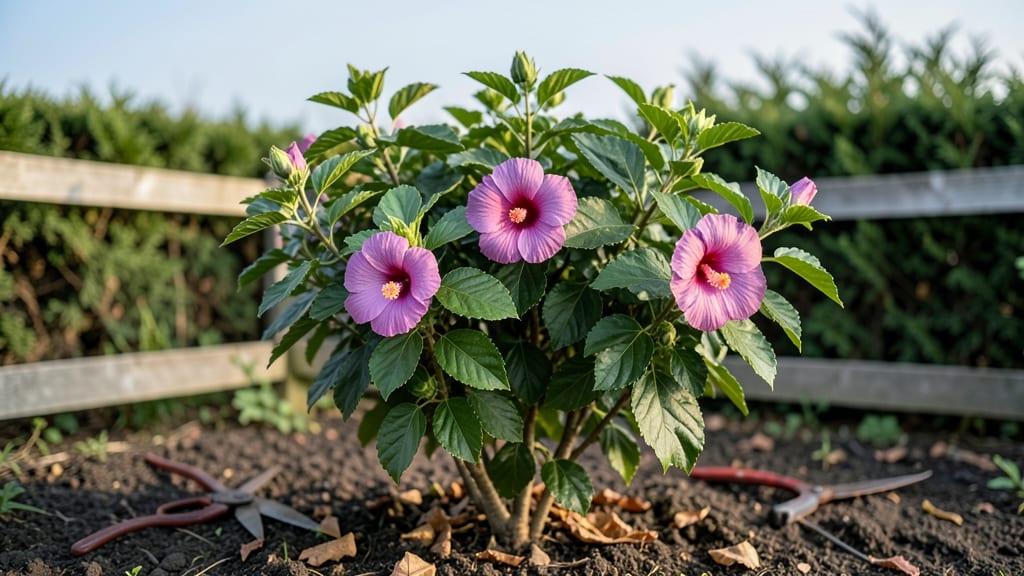
The Rose of Sharon tree thrives in Pacific Northwest winters, but pruning it right means the difference between a shrub covered in blooms and one that struggles to recover.
I’ve spent years watching mine bounce back from frost with just the right cuts—and I’ll show you exactly how to do it without hesitation.
This hardy hibiscus loves full sun and well-draining soil, but its real secret is pruning in late winter or early spring. You’ll shape it into a sturdy, multi-branched beauty that flowers from midsummer through fall, even after cold snaps.
The key? Cutting back 1/3 of the oldest growth each year to encourage fresh, vibrant stems.
By summer, you’ll see velvety leaves and clusters of trumpet-shaped blooms in shades of pink, purple, or white—some lasting for weeks. The tree even puts on a show in winter with its exfoliating bark, making it a year-round star. Let’s get those pruners ready!
Works for both landscape focal points and smaller gardens—just adjust the size. And don’t worry if you’ve never pruned before; I’ll walk you through the simplest, most effective techniques for PNW winters.
📚 In This Guide
- What you need
- Instructions
- Tips and common mistakes
- Wrapping up and next steps
What you need
- ● Pruning shears: Bypass pruners (sharp, 6–8" blades) for clean cuts—1 pair (invest in high-quality stainless steel to avoid rust!)
- ● Loppers: Bypass or anvil (for thicker branches, 12–16" handles)—1 pair.
- ● Pruning saw: Curved-tooth (for branches >2" diameter)—1 saw.
- ● Gloves: Heavy-duty, cut-resistant (to protect from thorns and sap)—1 pair.
- ● Disinfectant: 70% isopropyl alcohol or bleach solution (1 part bleach to 9 parts water) to sterilize tools between cuts.
- ● Rag or paper towels: For wiping tools clean.
- ○ Marking twine or flags: (Optional) To tag branches for removal.
- ● Burlap or frost cloth: Lightweight, breathable (enough to wrap vulnerable branches)—1–2 rolls.
- ● Twine or zip ties: To secure frost protection materials.
- ● Mulch: Organic (straw, wood chips) (3–4" layer around the base) to insulate roots.
- ● 🔥 Tool sharpening kit: Keep blades razor-sharp for clean cuts (prevents tearing).
- ○ 🌡️ Extension pole: (Optional) For high branches—6–10 ft telescoping pole with pruner attachment.
- ● ✨ Safety glasses: Protect your eyes from debris (especially when sawing thick branches!).
How to prune Rose of Sharon trees for cold-resistant growth
This method ensures your Pacific Northwest shrubs thrive through winter and burst with summer blooms.
Time Your Pruning for Maximum Cold Hardiness
Prune your Rose of Sharon late winter to early spring, just as new buds begin to swell but before any leaves emerge. This timing—typically February to March in the PNW—gives stems time to harden before summer's heat. The goal is to remove dead or weak wood while leaving healthy buds that will develop into next year's blooms.
Here's the thing—if you prune too early, you risk exposing fresh cuts to late frosts. If you wait too long, you'll encourage tender new growth that won't survive winter. Watch for the first hints of bud swell as your cue. In colder PNW zones, delay pruning until after the last average frost date for your area.
Remove Dead, Diseased, and Weak Wood First
Start with sanitation: Sterilize your pruners with rubbing alcohol between cuts to prevent spreading disease. Look for branches that are completely brown, shriveled, or showing signs of fungal infection like black spots or powdery residue. These should be cut back to the main stem or removed entirely. Healthy wood has a firm texture and clean, light brown interior when cut.
Next, identify branches growing inward or crossing each other. These compete for energy and create weak points where diseases can enter. Use sharp pruners to make clean cuts at a 45-degree angle, about ¼ inch above a healthy outward-facing bud. This angled cut helps water run off rather than pool at the cut site.
Shape for Airflow and Light Penetration
Rose of Sharon thrives with good air circulation, which reduces fungal diseases like black spot. Step back and visualize your shrub's natural shape—aim for an open, vase-like form that allows light to reach the center. Remove any branches that block sunlight from penetrating to the inner growth. You'll know you're on track when you can see light filtering through the center of the plant.
For established shrubs, thin out about one-third of the oldest wood each year. This encourages new growth from the base while maintaining the plant's vigor. Never remove more than 25% of the plant's total growth in a single season, or you'll stress the shrub. Focus on maintaining a balance between old wood (which produces flowers) and new wood (which provides structure).
Prune for Next Year's Blooms
Rose of Sharon flowers bloom on new wood, meaning this year's growth will produce next year's flowers. To maximize blooms, prune back about one-third of the current season's growth to encourage bushier, more productive branches. Cut just above a set of healthy buds facing outward. The more buds you leave, the more potential flowers you'll have.
Pay special attention to the plant's center. If it becomes too dense, remove some of the oldest canes entirely to make room for new growth. You'll notice the plant's natural growth pattern—it tends to produce flowers on the previous year's growth, so avoid over-pruning older wood. After pruning, the shrub should look balanced with an open center and outward-facing branches.
Clean Up and Protect for Winter
After pruning, rake up and dispose of all clippings to prevent fungal spores from overwintering. Apply a 2-3 inch layer of mulch around the base of the shrub, keeping it a few inches away from the trunk to prevent rot. This mulch layer insulates the roots and protects them from temperature fluctuations. In particularly cold PNW winters, consider wrapping the shrub with burlap or frost cloth for added protection.
Finally, give your Rose of Sharon a deep watering after pruning to help it recover. The roots will need to adjust to the reduced canopy and new growth. Monitor the plant over the next few weeks for any signs of stress, such as wilting or yellowing leaves, and adjust your care accordingly. With proper pruning, your shrub will reward you with vibrant blooms from mid-summer through fall.
Tips & tricks for perfect Rose of Sharon tree pruning
Timing and technique make all the difference when pruning these hardy Pacific Northwest shrubs—here's how to avoid common pitfalls and get the most vibrant blooms.
Bud Swell Timing: The February to March window is critical because it allows fresh cuts to heal before summer heat arrives. In colder PNW zones, check your local frost dates—pruning too early risks exposing tender new growth to late frosts, while waiting too long encourages weak, frost-sensitive shoots. I always mark my calendar for when the first buds begin to swell, typically around late February in Seattle and early March in Portland.
Pruning Angle Technique: That 45-degree angle above an outward-facing bud isn't just cosmetic—it's essential for water runoff and future growth direction. Use a sharp pruner to make clean cuts that seal quickly, preventing disease entry. For stubborn branches, I find using a small saw for thicker stems (over 1/2 inch) gives me more control while maintaining that precise angle. The goal is to create a smooth surface that won't collect moisture.
Stress Management: Never remove more than 25% of the plant's total growth in one season—this is the golden rule for Rose of Sharon. The plant needs its existing structure to support new growth. I think of it like haircuts: you wouldn't shave your head completely, just shape it. For established shrubs, focus on thinning out crowded areas rather than indiscriminate cutting. This maintains the shrub's energy balance while encouraging that open, vase-like shape that allows light penetration.
Post-Pruning Care: The 2-3 inch mulch layer isn't just decoration—it's insulation that protects roots from temperature swings. I always keep mulch several inches away from the trunk to prevent rot, and I've found that adding a handful of compost to the mulch mix gives an extra nutrient boost during the recovery period. After pruning, I make it a point to monitor for stress signs like yellowing leaves, which can indicate over-pruning or root disturbance.
Pro Tips for Rose Of Sharon Tree
- Timing and technique make all the difference when pruning these hardy Pacific Northwest shrubs—here's how to avoid common pitfalls and get the most vibrant blooms.
- Bud Swell Timing: The February to March window is critical because it allows fresh cuts to heal before summer heat arrives.
- Pruning Angle Technique: That 45-degree angle above an outward-facing bud isn't just cosmetic—it's essential for water runoff and future growth direction.
Frequently asked questions
Got questions about keeping your Rose of Sharon tree thriving in the Pacific Northwest’s frosty climate? You’re not alone! Here are answers to the most common queries—so you can prune with confidence and enjoy those stunning blooms year after year.
When is the best time to prune a Rose of Sharon in my region?
Prune your Rose of Sharon late winter to early spring (February–March), just before new growth starts. This timing ensures you remove dead wood while avoiding frost damage. In milder PNW winters, wait until after the last hard freeze—typically by late February. Pro tip: If you prune too early, frost can harm fresh cuts.
How do I protect my Rose of Sharon from frost damage?
Rose of Sharon trees are highly frost-resistant, but young trees or severe cold snaps can cause issues. Mulch the base with 2–3 inches of wood chips to insulate roots. For extra protection, wrap the trunk with burlap or use a frost cloth if temps drop below 10°F (-12°C). Avoid pruning in fall—this encourages tender growth that’s vulnerable to frost.
Can I prune my Rose of Sharon in fall? What are the risks?
Pruning in fall is risky because it stimulates new growth that won’t harden off before winter. This can lead to frost damage or dieback. If you must prune, do so only after leaf drop (October–November) and keep cuts minimal. Focus on removing diseased branches instead.
What if my Rose of Sharon isn’t blooming? Is it dead or just dormant?
Rose of Sharon trees are late bloomers—they often wait until mid-to-late summer for flowers. If it’s not blooming at all, check for:
If you love the look but want options, try these frost-hardy shrubs:
If it’s truly dead, you’ll see no green buds in spring.
Are there frost-resistant alternatives to Rose of Sharon for PNW gardens?
All thrive in PNW winters with minimal fuss!
Wrapping up and next steps
The Rose of Sharon tree is a stunning, low-maintenance beauty that thrives in the Pacific Northwest’s climate—especially when pruned with care. By mastering the frost-resilient pruning blueprint outlined here, you’ll unlock vibrant blooms year after year while keeping your tree healthy and strong. 🌸✂️
Now that you’re armed with the right tools, techniques, and timing, it’s time to roll up your sleeves and give your tree the TLC it deserves. Start small: tackle one pruning session this season, and watch your Rose of Sharon reward you with show-stopping flowers next summer. Happy pruning!