
Planting
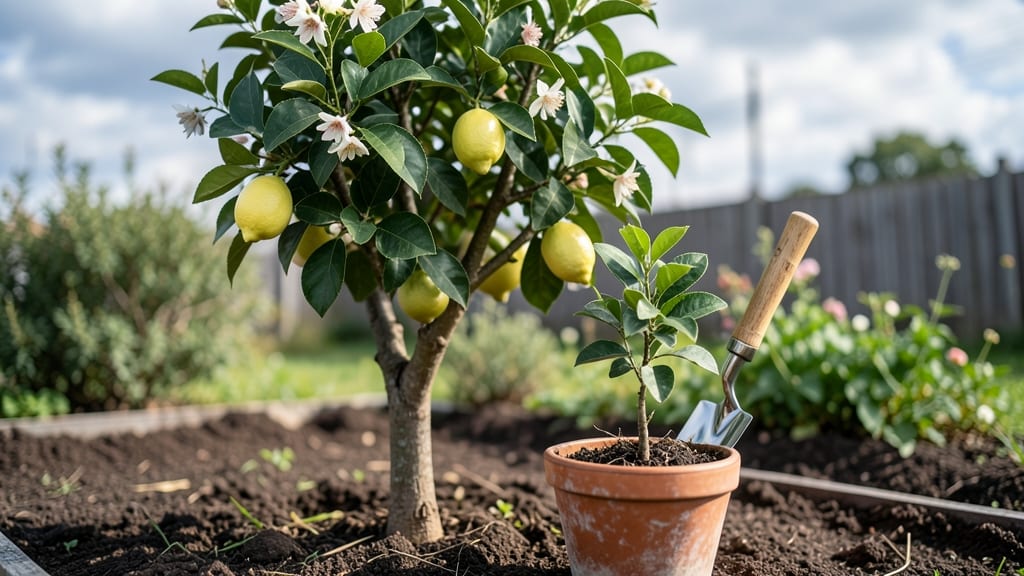
Planting a lemon tree in the right spot means the difference between a thriving citrus treasure and a sad, frost-nibbled sapling. 🌿 I’ve learned this the hard way—my first tree nearly died because I ignored sunlight and drainage.
The ideal location combines full sun, well-draining soil, and frost protection (or a container you can move indoors).
For ground planting, choose a spot with 6+ hours of direct sunlight daily and soil that drains fast—lemon trees hate soggy roots. In cooler climates (like USDA zones 9-11), plant near a south-facing wall or use frost cloth in winter.
Urban gardeners? A large container (at least 15-gallon) with wheels works perfectly—just keep it near a sunny window or balcony.
When done right, you’ll end up with glossy, fragrant leaves and sweet, juicy lemons year after year. The tree stays compact, blooms profusely, and even adds a tropical vibe to patios or kitchen gardens. Just avoid shady corners or heavy clay soil—those are lemon tree killers.
Whether you’re in Florida or a city apartment, the key is matching the tree’s needs to your space. Let’s find the perfect sunny spot for your citrus dream to take root.
📚 In This Guide
- What you need
- Instructions
- Tips and common mistakes
- Wrapping up and next steps
What you need
- ● Lemon tree (Citrus × limon) – Choose a dwarf variety (3–6 ft tall) for containers or a standard size (10–15 ft) for in-ground planting.
- ● Well-draining soil – Mix 60% native soil, 30% compost, and 10% coarse sand or perlite (critical for preventing root rot!).
- ● Planting hole – Dig a hole twice as wide and slightly shallower than the root ball.
- ● Organic mulch – 2–3 inches of wood chips, straw, or pine bark to retain moisture and regulate temperature.
- ● Watering can or hose with a gentle spray nozzle – Avoid blasting roots.
- ● Balanced fertilizer (10-10-10 or citrus-specific) – 1 tbsp per sq ft at planting, then monthly during growing season.
- ○ Support stake (optional but helpful) – A 5–6 ft wooden or bamboo stake for young trees in windy areas.
- ● Large container or pot – If planting in a pot, use a 15–25 gallon container with drainage holes.
- ● Drip irrigation system – Ensures consistent moisture without overwatering.
- ● Citrus-specific pest control – Neem oil or insecticidal soap for aphids/spider mites.
- ● Pruning shears – Sharp, clean bypass pruners for shaping and harvesting.
- ● Soil pH test kit – Aim for 6.0–7.0 pH (lemon trees love slightly acidic soil!).
- ● Frost cloth or row covers – For protecting young trees in temperatures below 28°F (-2°C).
Step-by-step guide for planting a lemon tree in the perfect location
Here's how to choose the ideal spot that keeps your citrus thriving year-round.
🌿 Step 1: Select a Sunny Microclimate
Lemon trees demand at least 8 hours of direct sunlight daily—no compromises. I always scout the yard for the warmest, most sheltered spot, typically near a south-facing wall or fence that absorbs and radiates heat. Notice how sunlight moves across your landscape: morning sun warms the soil, but afternoon heat is what citrus craves.
Test potential spots for 3-4 weeks before planting by observing temperature variations. Place a thermometer at ground level in each candidate location—ideal daytime temperatures should stay between 70-90°F. Coastal areas with mild winters can handle cooler nights, while inland spots need extra winter protection.
☀️ Step 2: Choose the Right Exposure and Protection
While full sun is non-negotiable, lemon trees also need shelter from strong afternoon winds that dry out leaves and stunt growth. I position mine where they get morning sun and afternoon shade from nearby structures during peak summer heat—this prevents sunburn on tender new growth.
For colder climates (below USDA Zone 9), select a location that receives reflected heat from dark-colored walls or pavers. In frost-prone areas, plant near a heat-retaining surface like brick or stone that can raise soil temperatures by 5-10°F during cold snaps.
🪴 Step 3: Prepare the Soil and Planting Site
Lemon trees thrive in well-draining, slightly acidic soil (pH 6.0-7.0). I always amend native soil with 3 inches of organic compost and 20% perlite to prevent waterlogging. Dig a hole twice as wide as the root ball but only as deep—planting too deep suffocates roots and causes stress.
Create a mound of amended soil in the center of the hole and spread the tree's roots over it. Backfill with native soil mixed with your amendments, pressing gently to eliminate air pockets. Water deeply immediately after planting to settle the soil and remove any gaps around the roots.
⏰ Step 4: Time Planting for Optimal Growth
The best planting window is late winter or early spring, when soil temperatures reach 60°F but before summer heat arrives. This gives roots 6-8 weeks to establish before the first major growth flush. In warmer climates, fall planting works too—just avoid transplanting when daytime highs exceed 85°F.
Here's the thing—young trees planted in summer often struggle with transplant shock from intense heat. If you must plant in summer, choose an overcast day and provide daily shade cloth for the first 2-3 weeks while roots recover.
💧 Step 5: Adjust for Climate Zones
In Zones 9-11, lemon trees can grow outdoors year-round with proper care. But in Zones 8 and below, you'll need to either grow in containers (for winter indoor moves) or plant in a sheltered microclimate with winter protection like burlap wraps or frost blankets.
For container growing, select a 15-gallon pot with drainage holes and use a well-draining citrus mix. Move containers indoors before temperatures drop below 40°F—even brief exposure to frost will kill the tree. If planting in ground in colder zones, choose a south-facing wall that absorbs heat and provides some winter shelter.
Tips & tricks for the perfect lemon tree location
Finding the ideal spot for your lemon tree isn't just about sunshine—it's about creating a microclimate that mimics its natural Mediterranean habitat.
Sunlight Strategy: The 8 hours of direct sunlight requirement isn't negotiable, but timing matters just as much. Position your tree to capture morning sunlight for gentle warming and afternoon shade during peak heat hours (especially in summer). I've noticed that trees receiving afternoon shade produce fruit with thicker skins and fewer sunburn spots. Use a simple solar tracker app to map your yard's sun patterns for 3-4 weeks before planting—this visual data will reveal the true sun exposure of each potential spot.
Heat Retention Hack: In colder climates, leverage your home's architecture to create warmth. Dark-colored brick walls or pavers can raise soil temperatures by 5-10°F during cold snaps, which makes all the difference in frost-prone areas. I planted mine near a southwest-facing stucco wall that acts like a thermal battery, storing heat during the day and radiating it at night. For container growers, black plastic pots absorb and retain heat better than terracotta, giving your tree that extra warmth boost.
Soil Preparation Pro Tip: The 3 inches of organic compost and 20% perlite recommendation is non-negotiable for drainage, but here's what nobody tells you: mix in a handful of crushed eggshells when preparing the hole. The calcium helps prevent blossom end rot in developing fruit while maintaining that ideal 6.0-7.0 pH range. I also recommend adding a slow-release citrus fertilizer at planting time—this gives roots a nutrient head start during that critical 6-8 week establishment period mentioned in Step 4.
Seasonal Timing Secret: While late winter/early spring is ideal for planting, don't overlook fall as a second chance—just be ruthless about temperature limits. I've successfully planted in October when daytime highs stayed below 85°F, but I always monitor the forecast religiously. For summer plantings, that 2-3 week shade cloth period is your safety net. I use 30% shade cloth (not the heavier 50%) to filter light while still allowing photosynthesis—this mimics the natural dappled shade lemon trees experience under their native Mediterranean canopies.
Pro Tips for Where To Plant A Lemon Tree
- Finding the ideal spot for your lemon tree isn't just about sunshine—it's about creating a microclimate that mimics its natural Mediterranean habitat.
- Sunlight Strategy: The 8 hours of direct sunlight requirement isn't negotiable, but timing matters just as much.
- Heat Retention Hack: In colder climates, leverage your home's architecture to create warmth.
Frequently asked questions
Got questions about planting your lemon tree? You’re not alone—here are some of the most common concerns, answered clearly and simply!
Can I plant a lemon tree in a pot instead of the ground?
Lemon trees thrive in containers if given enough space (at least 15–25 gallons for dwarf varieties). Use a pot with drainage holes, well-draining soil, and place it in a sunny spot. Just remember to repot every 2–3 years and fertilize regularly. Pro tip: Move pots indoors if temps drop below 40°F (4°C).
What’s the best time of year to plant a lemon tree?
Plant in early spring (after the last frost) or late summer/early fall for the best results. Avoid winter planting—young trees are vulnerable to cold damage. If you’re in a mild climate (like USDA Zones 9–11), you can plant year-round, but spring gives roots time to establish before summer heat.
How close can I plant my lemon tree to my house or fence?
Lemon trees need space to spread—aim for 10–15 feet from structures to avoid root competition and shading. If you’re short on space, opt for a dwarf variety (like ‘Meyer’ or ‘Improved Meyer’) and prune regularly. Warning: Roots can damage sidewalks or pipes, so keep them at least 3 feet away from foundations.
Why aren’t my lemon tree’s leaves turning green, and what can I fix?
Yellow or pale leaves often signal overwatering, underwatering, or nutrient deficiencies. Check the soil—it should be damp but not soggy. If leaves are crispy, you’re underwatering; if mushy, you’re overdoing it. Feed with a citrus-specific fertilizer every 2–3 months and ensure it gets 6+ hours of sun daily.
Can I grow a lemon tree in partial shade?
Lemon trees need full sun (6+ hours/day) to produce fruit, but they can tolerate 4–6 hours of sun in hot climates. In partial shade, expect smaller yields and slower growth. If your yard is shady, try a sunny balcony or south-facing window for potted trees. Pro tip: Rotate pots weekly to ensure even light exposure.
How do I protect my lemon tree from frost or cold snaps?
Lemon trees are tender perennials and die back in frost (below 28°F/-2°C). For potted trees, move them indoors near a sunny window. For in-ground trees, mulch heavily (3–4 inches) and wrap the trunk in burlap or frost cloth. If a hard freeze is forecast, cover the tree with blankets or row covers and remove them during the day.
Wrapping up and next steps
Planting a lemon tree is a rewarding journey that starts with choosing the perfect sunny spot—whether in a cozy container on your patio or a well-drained patch in your garden. 🌞 With the right location, warmth, protection from frost, and consistent sunlight, your tree will thrive and treat you to juicy lemons for years to come.
Now that you’re armed with the know-how, it’s time to roll up your sleeves and get growing!
Ready to take the next step? Start by gathering your supplies, picking the ideal spot, and giving your lemon tree the love it deserves. Happy planting—your future lemons are waiting! 🍋✨