
Trees
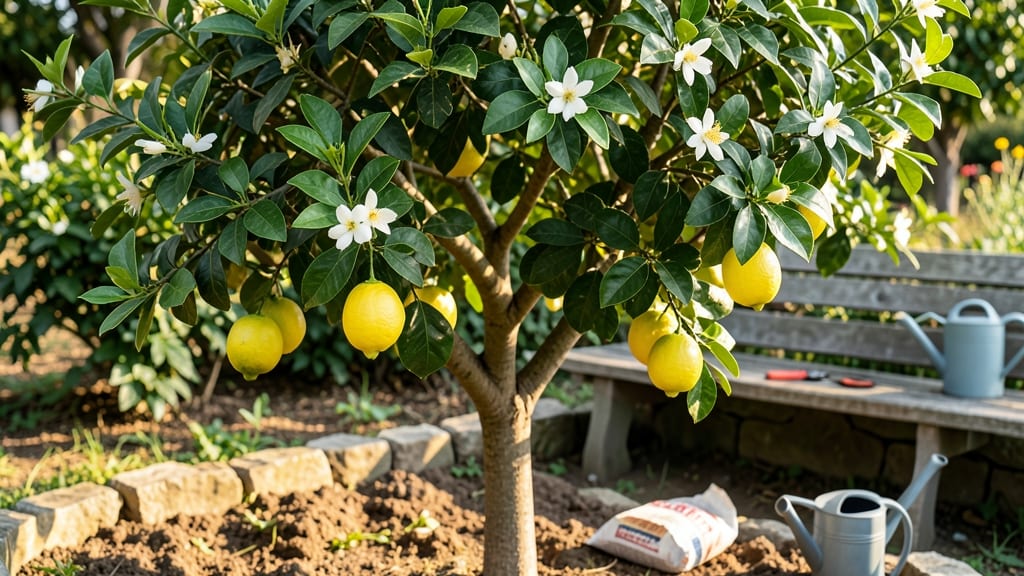
Raising lemon trees from seed to fruit-bearing glory starts with the right soil and a sunny spot. 🌱 I’ve wrestled with these finicky citrus trees for years—until I cracked the code on drainage, light, and patience.
The first year is all about setting up their world just right, so they’ll reward you with fragrant blossoms and tangy lemons.
You’ll need well-draining soil (or a mix of potting soil and perlite), a container at least 12 inches deep if growing indoors, and a location with 6+ hours of sunlight daily.
Lemon trees hate soggy roots, so raised beds or containers with drainage holes are non-negotiable. Water when the top inch of soil feels dry, but never let them sit in water.
Within 2-3 years, you’ll see those first blossoms—and with luck, tiny lemons by year 4 or 5. The scent of citrus blossoms alone makes the wait worthwhile. Prune sparingly to encourage airflow, and watch for pests like spider mites (neem oil is your best friend).
Works for patios, balconies, or in-ground plantings in warmer climates. The key? Consistency. These trees thrive on routine, whether you’re growing them in pots or the ground. Let’s get those roots growing!
📚 In This Guide
- What you need
- Instructions
- Tips and common mistakes
- Wrapping up and next steps
What you need
- ● Lemon tree seedling or bare-root plant: 1 dwarf variety (e.g., Meyer lemon or Eureka) for containers or small yards.
- ● 1 standard-sized tree for in-ground planting (if space allows).
- ● Growing medium: Well-draining potting mix (5–10 gallons) for containers.
- ● Loamy, slightly acidic soil (pH 6.0–7.0) for in-ground planting.
- ● Container (if applicable): 1 large pot (15–20 gallons) with drainage holes.
- ○ Optional: Self-watering container for convenience.
- ● Pruning tools: 1 pair of clean, sharp pruning shears.
- ● 1 small hand saw (for thicker branches).
- ● Fertilizer: Citrus-specific fertilizer (balanced NPK, 6-6-6 or similar).
- ● Slow-release granules or liquid feed (follow package rates).
- ● Mulch: 2–3 inches of organic mulch (e.g., wood chips or straw) to retain moisture.
- ● Watering can or hose with nozzle: For gentle, deep watering.
- ○ pH testing kit: To monitor soil acidity (optional but helpful).
- ● Sunlight: Full sun (6–8 hours daily) for optimal growth.
- ● Temperature: Ideal range: 60–85°F (15–29°C).
- ● Protect from frost (<32°F/0°C) with covers or indoor relocation.
- ● Humidity: Average household humidity is fine; mist leaves occasionally in dry climates.
Step-by-step guide to raising healthy lemon trees
Here's how I've grown thriving citrus trees indoors and out—no green thumb required.
🌱 Step 1: Choose and Prepare Your Lemon Tree Variety
For container growing, I always start with dwarf varieties like 'Meyer' or 'Improved Meyer'—they stay manageable and produce fruit reliably. These trees mature at 4-5 feet tall, perfect for patios or sunny windowsills. If planting in soil, standard varieties like 'Eureka' or 'Lisbon' work but need more space—10-15 feet apart with room to spread.
Here's the thing—lemon trees are evergreens, so they need year-round warmth. If your winters dip below 40°F, keep your tree indoors near a south-facing window or under grow lights. I've seen many gardeners struggle because they treat citrus like annuals—they're not. They'll keep producing for decades with proper care.
🪴 Step 2: Set Up the Perfect Growing Environment
Start with a well-draining pot at least 18-24 inches wide for dwarf varieties—this prevents root rot. I use terra cotta containers because they breathe and help regulate moisture. Fill the bottom 2 inches with gravel or perlite for drainage, then add a high-quality citrus potting mix (never regular garden soil—it's too dense and lacks nutrients).
For soil planting, choose a sheltered, sunny spot with 6+ hours of direct sunlight daily. Lemon trees hate wet feet, so amend the soil with sand or compost to improve drainage. The key is well-draining soil—citrus roots rot quickly in soggy conditions. Amend heavy clay soil with 3-4 inches of organic matter before planting.
☀️ Step 3: Master Light and Temperature Requirements
Light is non-negotiable—lemon trees need full sun to thrive. If growing indoors, place your tree within 3 feet of a south-facing window or supplement with a 14-hour grow light daily. I've seen trees stretch toward the light and produce weak fruit when they don't get enough intensity. Watch for leggy growth (thin stems with widely spaced leaves)—this means your tree is light-starved.
Temperature matters just as much. Keep your tree in a 65-75°F range during the day and no lower than 50°F at night. Below 40°F, leaves yellow and drop. If you're in a cold climate, bring potted trees indoors before temperatures drop. I always move mine in by October—citrus trees hate sudden temperature swings.
💧 Step 4: Water and Fertilize for Optimal Growth
Watering is where most beginners go wrong. Lemon trees need consistent moisture but hate soggy roots. Water when the top 2 inches of soil feel dry—stick your finger in the soil to check. Overwatering causes root rot, while underwatering leads to dropped leaves and fruit. I water deeply until it drains from the bottom, then empty the saucer to prevent sitting water.
Feed your tree every 4-6 weeks during growing season (spring through fall) with a citrus-specific fertilizer or a balanced 6-6-6 formula. I use half-strength fertilizer to avoid burning roots. In winter, reduce feeding to once every 8-12 weeks—growth slows naturally. Watch for yellow leaves—this often means your tree needs more iron or zinc, not just nitrogen.
✂️ Step 5: Prune and Maintain for Fruit Production
Pruning isn't just about shaping—it encourages fruit production. Remove dead, diseased, or crossing branches in late winter or early spring. I also trim back any overly leggy growth to promote bushier, more productive branches. Never cut more than one-third of the tree at a time—this stresses the plant.
Here's the trick: Prune just above a leaf node (where leaves grow) to encourage new growth. Avoid cutting into old wood—citrus trees heal slowly. After pruning, give your tree a light fertilizer boost to support new growth. You'll see small white flowers appear in spring—these develop into fruit within 6-12 months for dwarf varieties.
Tips & tricks for perfect lemon tree cultivation
Citrus care isn't complicated—it's about understanding the subtle details that make all the difference. Here's what I've learned after years of growing thriving lemon trees both indoors and out.
Variety Selection Matters: The dwarf 'Meyer' lemon is my go-to for containers because its manageable 4-5 foot height makes it perfect for patios. For outdoor planting, 'Eureka' or 'Lisbon' varieties thrive when given their required 10-15 feet of space. Remember, citrus trees are long-term investments—they'll reward you with fruit for decades if given proper care from the start.
Container Setup Secrets: That 2-inch gravel layer at the bottom of your pot isn't just for show—it's essential for preventing root rot. I've seen many gardeners struggle because they skipped this step. Terra cotta pots work best because they allow moisture to evaporate through the sides, helping regulate soil moisture. For soil planting, never skip amending heavy clay with 3-4 inches of organic matter—this dramatically improves drainage.
Light and Temperature Balance: The 65-75°F day and 50°F minimum night range is critical for healthy growth. I've noticed that trees near windows often develop leggy growth when they don't get enough light intensity. If you're using grow lights, the 14-hour daily requirement is non-negotiable—citrus trees need this consistent light exposure to produce fruit. Move your tree indoors before temperatures drop below 40°F—sudden cold snaps can cause irreversible damage.
Watering Wisdom: The finger test for checking soil moisture is your best friend. Water only when the top 2 inches feel dry, but never let your tree sit in standing water. I've lost count of how many trees I've seen suffer from root rot because of overwatering—always empty the saucer after watering to prevent this. For potted trees, I water until it drains from the bottom, then wait until the soil is dry again before watering once more.
Pro Tips for Raising Lemon Trees
- Citrus care isn't complicated—it's about understanding the subtle details that make all the difference.
- Variety Selection Matters: The dwarf 'Meyer' lemon is my go-to for containers because its manageable 4-5 foot height makes it perfect for patios.
- Container Setup Secrets: That 2-inch gravel layer at the bottom of your pot isn't just for show—it's essential for preventing root rot.
Frequently asked questions
Got questions about growing your own lemon trees? You’re not alone—citrus care can feel tricky, but we’ve got answers! Here are some of the most common questions (and solutions) from fellow gardeners.
Can I grow a lemon tree indoors year-round?
With the right setup, lemon trees thrive indoors. Place yours near a south-facing window (or under grow lights) for 6–8 hours of sunlight daily. Keep temperatures between 60–80°F and use a well-draining potting mix. Just watch for spider mites—a common indoor pest!
How long does it take for a lemon tree to bear fruit?
Patience is key! Dwarf varieties (like Meyer lemons) may produce fruit in 2–3 years, while standard trees can take 5–10 years. Ensure your tree gets full sun (6+ hours/day), regular watering, and a balanced citrus fertilizer (like 6-6-6) every 4–6 weeks during growing season.
Why aren’t my lemon tree leaves turning yellow?
Yellow leaves often signal overwatering or nutrient deficiencies. Check the soil—it should be slightly moist but not soggy. If roots smell rotten, trim affected areas and repot with fresh, well-draining soil. Yellowing can also mean iron deficiency; try a citrus-specific fertilizer or chelated iron supplement.
Can lemon trees survive winter in cold climates?
Lemon trees are tender to frost—temperatures below 25°F can kill them. In colder zones, grow them in containers and move them indoors (or to a garage) when temps drop. If planted in soil, mulch heavily and wrap the trunk with burlap. Meyer lemons are slightly more cold-hardy but still need protection.
What’s the best alternative if I can’t grow lemons?
If your climate or space is limiting, try these citrus-friendly alternatives:
- Limes (e.g., Key lime): Thrive in containers, drought-tolerant.
- Oranges (e.g., Calamondin): Compact, fragrant, and cold-hardy to 20°F.
- Kumquats: Tiny trees with edible skins; great for small spaces.
- Grapefruit: Slower-growing but rewarding for warm climates.
Wrapping up and next steps
Raising lemon trees is a rewarding journey that brings fresh, tangy fruit right to your doorstep—whether in a cozy container or your backyard soil! 🌱 With the right care, patience, and a dash of sunshine, you’ll enjoy vibrant foliage and sweet rewards for years.
Start small, stay consistent, and soon you’ll be harvesting lemons like a pro.
Ready to take the next step? Pick your favorite variety, gather your supplies, and plant that first seedling today! Your future lemonade (or zesty dishes) awaits—happy growing! 🍋✨