Propagation
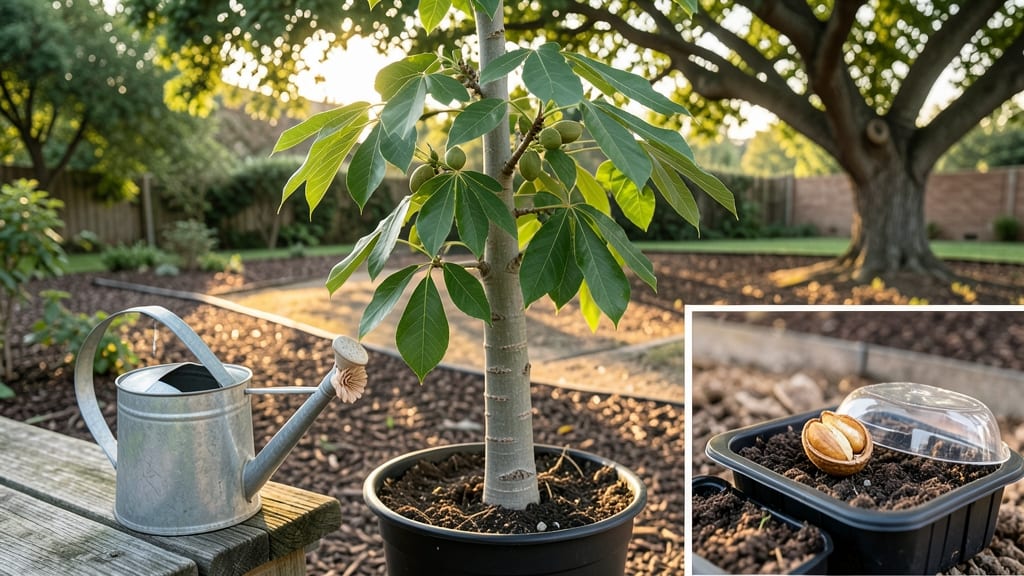
How to grow pecan nut trees from seed means waiting years for harvests—but the patience pays off with trees that thrive in your own backyard. 🌱 I’ve started dozens of pecans, and the key to success lies in breaking dormancy the right way. because those seeds aren’t eager to sprout.
Most gardeners give up after months of waiting, but with the right soil mix and moisture balance, you’ll see those first green shoots within 6-12 months—not overnight, but worth every day of it.
The trick isn’t just planting; it’s mimicking nature’s slow germination process. You’ll need a warm, moist environment (think 70-80°F) to coax the seed out of dormancy, followed by a cool period to trick it into thinking winter’s passed.
Once sprouted, these trees grow 1-2 feet per year—slow, but steady. That means 10-15 years before you’ll harvest nuts, but the satisfaction of growing a tree from seed is unmatched.
What you’ll end up with is a sturdy, disease-resistant tree that produces abundant nuts once mature—if you’ve given it the right care from day one. The soil stays rich, the roots run deep, and the branches spread wide enough to shade your patio.
Just don’t expect instant gratification; pecans reward patience with generations of harvests if you start them right.
Works best in USDA Zones 6-9, where winters aren’t harsh enough to kill young trees but summers are long enough for full growth. If you’re in a colder zone, start seeds indoors and transplant carefully. The rest is just time—and a little luck with the weather.
📚 In This Guide
- What you need
- Instructions
- Tips and common mistakes
- Wrapping up and next steps
What you need
- ● Pecan seeds: Fresh, high-quality pecan nuts (preferably from a local source for best germination rates). Aim for at least 5-10 seeds—some may not sprout!
- ● Large container or pot: A 5-gallon bucket or nursery pot (12+ inches deep) with drainage holes for early growth.
- ● Well-draining potting mix: A blend of 50% peat moss, 30% perlite, and 20% sand (or a commercial seed-starting mix).
- ● Plastic wrap or humidity dome: To maintain moisture during germination (a clear plastic bag works too!).
- ● Spray bottle: For gentle watering without disturbing the soil.
- ○ Heat mat (optional but helpful): A seedling heat mat (70–80°F) speeds up germination (pecans love warmth!).
- ● Grow lights or sunny windowsill: Pecans need bright, indirect light (12+ hours/day) for early growth.
- ● Pruning shears: Small, sharp shears for trimming sprouts as they grow.
- ● Garden gloves: To protect your hands from soil and sap.
- ● Stratification setup: A refrigerator with a humidity tray (if cold-stratifying seeds for faster germination).
- ● Soil moisture meter: To monitor moisture levels without overwatering.
- ● Epsom salt: A pinch in water (1 tsp/gallon) can boost magnesium for young seedlings.
- ● Mulch (later stage): Wood chips or straw to retain moisture once transplanted outdoors.
Step-by-step instructions for growing pecan trees from seed
Here's how to break the slow-germination cycle and get your pecan seeds sprouting.
🌱 Step 1: Harvest and Stratify the Nuts Properly
Collect fresh pecans in late fall when they've fallen naturally from the tree. Avoid nuts from stores—they're often treated to prevent sprouting. Remove any cracked or damaged nuts, then place them in a paper bag with a handful of moist sand or peat moss (about 1 part nuts to 3 parts sand).
Store the bag in your refrigerator's crisper drawer for 90-120 days. This cold stratification mimics winter conditions and tricks the seed into thinking it's time to grow. Check monthly—if mold appears, dry the nuts slightly and refresh the sand. You'll know stratification worked when the nuts develop a small white root (½ inch long) after about 3 months.
☀️ Step 2: Plant Stratified Nuts in Warm, Moist Soil
Fill a 6-inch deep container with a mix of 50% potting soil and 50% perlite for drainage. Plant each stratified nut 1 inch deep with the root pointing downward. Space them 3 inches apart—you'll thin later. Water gently until the soil feels damp but not soggy.
Place the container in a warm spot (70-75°F) with indirect light. A seedling heat mat helps maintain consistent warmth. Keep the soil moist but never waterlogged—pecan seeds rot easily. Germination can take 2-4 weeks, but don't be discouraged if it takes longer. Watch for the first green shoot breaking through the soil.
🌿 Step 3: Transplant Seedlings to Individual Pots
Once seedlings reach 4-6 inches tall and develop 2-3 true leaves, carefully transplant them into 5-inch pots filled with the same soil mix. Use a small trowel to lift each seedling, keeping as much root as possible intact. Gently firm the soil around the base to eliminate air pockets.
Place the pots under bright, indirect light for the first week to help them recover. After that, gradually introduce 4-6 hours of morning sun daily. Avoid direct afternoon sun—young pecan seedlings can scorch easily. Water when the top ½ inch of soil feels dry, but never let the roots sit in water.
🪴 Step 4: Acclimate and Plant Outdoors in Spring
When nighttime temperatures stay above 50°F (typically late spring), harden off seedlings by placing them outside in a sheltered spot for 2-3 hours daily. Increase exposure gradually over 2 weeks, moving them to full sun for 6-8 hours daily by the final week.
Choose a sunny planting site with well-draining soil and dig a hole twice as wide as the root ball. Plant at the same depth as the pot, then water deeply to settle the soil. Mulch with 2 inches of wood chips around the base, keeping it 6 inches away from the trunk. Pecan trees need space—space them 60-80 feet apart for proper growth.
Tips & tricks for growing pecan trees from seed
These little-known tricks will help you break through pecan seeds' stubborn germination cycle.
Stratification Success: The 90-120 days in cold storage is non-negotiable—this mimics winter's natural dormancy period. I've seen beginners try to rush this step, but pecan seeds need that full cold treatment to break their dormancy. If you're short on time, you can extend to 140 days (still within the safe range), but don't go shorter. The refrigerator's crisper drawer provides ideal humidity while keeping temps steady around 35-40°F.
Root Development Check: After those 3 months, look for a small white root about ½ inch long before planting. This is your green light that stratification worked! If you see mold developing during storage, simply dry the nuts slightly and refresh the sand—this prevents rot while maintaining moisture. I've found that using peat moss instead of sand sometimes holds moisture better, especially in dry climates.
Germination Patience: Those 2-4 weeks for germination can feel like forever, but pecan seeds are notoriously slow. The key is maintaining that 70-75°F warmth consistently—even a few degrees cooler can delay sprouting. I place my containers on a seedling heat mat during this phase, which makes all the difference. If you don't see sprouts after 4 weeks, don't give up—some seeds take up to 6 weeks to break through.
Sunlight Transition: When moving seedlings to morning sun in Step 3, start with just 2-3 hours daily. I've seen seedlings get sunburned when moved too quickly to full sun—look for slight yellowing on leaves as a warning sign. The gradual increase to 6-8 hours helps harden their leaves naturally. For indoor growing, a south-facing window works best during winter months when natural light is weaker.
Pro Tips for Grow Pecan Nut Trees From Seed
- These little-known tricks will help you break through pecan seeds' stubborn germination cycle.
- Stratification Success: The 90-120 days in cold storage is non-negotiable—this mimics winter's natural dormancy perio...
- Root Development Check: After those 3 months, look for a small white root about ½ inch long before planting. This is ...
Frequently asked questions
Got questions about growing pecan trees from seed? You’re not alone—this process has its quirks! Here are answers to the most common queries to help you navigate the journey from seed to sapling with confidence.
How long does it take for pecan seeds to germinate?
Patience is key! Pecan seeds can take anywhere from 30 to 90 days (or even longer) to sprout, depending on moisture, temperature, and seed freshness. Stratification (cold treatment) speeds this up, but don’t rush—some seeds may surprise you by breaking dormancy months later. Consistently moist soil and warmth (70–80°F) keep things moving.
Do I need to stratify pecan seeds before planting?
Yes! Stratification mimics winter conditions, breaking dormancy. Place seeds in a damp paper towel or sand, then refrigerate for 60–90 days at 35–40°F. Skip this step, and germination rates plummet. Pro tip: Label your seeds—some varieties respond better to stratification than others!
Can I grow pecan trees from store-bought pecans?
Technically yes, but results vary. Store-bought pecans are often pasteurized or dried, reducing viability. For better odds, use fresh, uncracked nuts from a local tree (or a reputable supplier). If using store pecans, soak them in water for 24+ hours to rehydrate before stratifying.
What pests or diseases should I watch for in young pecan seedlings?
Keep an eye out for aphids, spider mites, and pecan weevils—they love tender saplings! Fungal issues like phytophthora root rot thrive in soggy soil, so ensure good drainage. Neem oil or insecticidal soap can help, but prevention wins: Plant in well-draining soil and avoid overhead watering.
When is the best time to transplant pecan seedlings outdoors?
Wait until spring (after last frost) or early fall when temps are mild (50–70°F). Seedlings need time to establish roots before winter. Harden them off gradually by moving them outdoors for a few hours daily before the big transition. Bonus: Mulch heavily to protect roots from temperature swings!
Can I grow pecan trees in containers or do they need a yard?
Pecans thrive in large spaces (they grow 60–100+ feet tall!), but dwarf varieties (like ‘Pawnee’ or ‘Cheyenne’) can work in big containers (20+ gallons) for 3–5 years before transplanting. Use fast-draining soil and prune aggressively to manage size. Note: They need cross-pollination, so plant at least two compatible trees.
Wrapping up and next steps
Growing pecan trees from seed is a rewarding journey that demands patience and care—but the sweet taste of success is worth every step! 🌱 Whether you’re drawn to the challenge of slow germination or simply love nurturing life from scratch, your future harvest of rich, buttery pecans is within reach. Start small, stay consistent, and soon you’ll be enjoying the fruits of your labor—both literally and figuratively!
Ready to take the next step? Plant your seeds today and watch your pecan dream grow! 🌳