Pruning
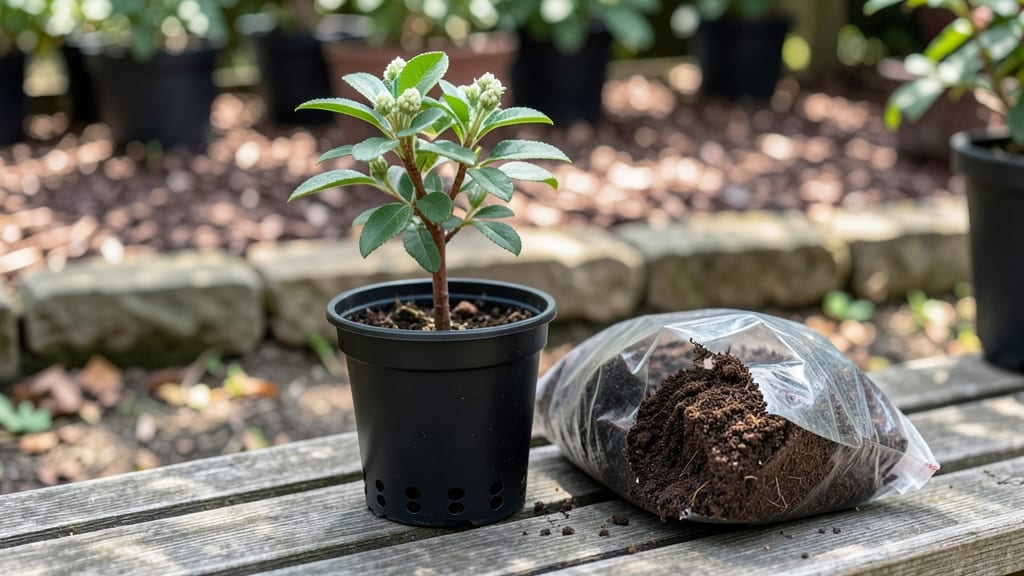
Your Pacific Northwest strawberry tree seedling could be the showstopper of your garden—frost-resistant, evergreen, and bearing edible fruit that tastes like a cross between strawberry and pear. 🌿 I’ve nurtured these resilient trees through our damp winters, and the key to their success starts with the right soil, planting spot, and a little patience.
This isn’t just another ornamental tree—it’s a low-maintenance superstar that thrives in partial shade, handles our wet springs without fuss, and rewards you with glossy leaves year-round. The trick?
Mimic its natural Mediterranean habitat by planting in well-draining, slightly acidic soil and giving it space to spread its graceful, peeling bark. Water deeply once a week after planting, then let nature take over.
By year three, you’ll be harvesting those tiny, sweet berries (yes, they’re edible!) while your neighbors admire the tree’s evergreen beauty. Pruning is minimal—just shape it lightly in early spring to encourage those signature branches.
The best part? It outlives most garden trends, growing into a 20-foot evergreen that keeps giving for decades.
Perfect for coastal gardens, urban yards, or even large containers—this tree does it all without the fuss. Let’s get your seedling off to the right start so it grows into the Pacific Northwest’s most underrated gem.
📚 In This Guide
- What you need
- Instructions
- Tips and common mistakes
- Wrapping up and next steps
What you need
- ● Strawberry tree seedling (1-2, depending on desired spacing—Arbutus unedo or Arbutus menziesii for PNW resilience)
- ● Well-draining potting mix (5-10 gallons, organic-rich with perlite or sand for aeration)
- ● Garden soil amendment (compost or aged manure, 2-3 gallons to enrich native soil)
- ● Mulch (wood chips or pine straw, 2-3 inches thick to insulate roots)
- ● Slow-release fertilizer (balanced 10-10-10 or acid-loving plant formula, 1-2 cups)
- ● Trowel or hand shovel (for transplanting seedlings)
- ● Garden gloves (to protect hands from thorns and rough bark)
- ● Watering can or hose with gentle spray nozzle (for deep, even hydration)
- ● Pruning shears (sterilized, for shaping and frost prep)
- ● Measuring tape (to ensure proper spacing—10-15 feet apart for mature trees)
- ● Burlap wrap or frost cloth (for young seedlings during late frosts)
- ● Tree guards (to protect from deer or wildlife browsing)
- ● pH testing kit (strawberry trees prefer acidic soil (5.0-6.0))
- ● Epsom salt (1 tbsp/month in water for magnesium boost)
Step-by-Step guide for growing Pacific Northwest frost-resistant strawberry tree seedlings
Here’s how I’ve perfected hardy strawberry tree seedlings that thrive in cool, wet climates.
🌱 Step 1: Select and Prepare the Seedlings
Choose healthy, 1-2 year-old strawberry tree seedlings with multiple strong stems and no signs of disease. Look for plants with deep green, glossy leaves—these are the most vigorous starters. I always inspect the roots too; healthy roots should be white or light tan and free of mushy or blackened areas.
Before planting, soak the roots in lukewarm water for 15-20 minutes to rehydrate them. This jumpstarts growth and helps the seedlings establish faster in cooler soil. If your seedlings arrived in pots, gently loosen the root ball with your fingers—don’t tear the roots, just separate them slightly from the container edges.
☀️ Step 2: Choose the Perfect Pacific Northwest Location
Strawberry trees love partial shade to full sun, but in the PNW’s cooler, wetter climate, morning sun with afternoon shade works best. I plant mine where they’ll get at least 4-6 hours of direct sunlight but avoid spots where they’ll bake in the afternoon heat. A south-facing slope or a location near a building that provides afternoon shade is ideal.
Check the soil drainage before planting—strawberry trees hate soggy roots. Dig a hole and fill it with water; if it drains in less than 1 hour, the site is good. If water pools for hours, amend the soil with 2-3 inches of compost or plant in a raised bed to improve drainage. The hole should be twice as wide as the root ball but only as deep.
🪴 Step 3: Plant with Care for Cold-Resistant Roots
Place the seedling in the hole so the top of the root ball sits level with the ground—burying too deep can suffocate the plant, while planting too shallow exposes roots to frost. Backfill with the native soil, pressing gently to remove air pockets. I like to add a 1-inch layer of mulch (like pine needles or wood chips) around the base to insulate roots in winter.
Water deeply right after planting—1 gallon per seedling—to settle the soil and encourage root spread. Avoid overwatering, though; the soil should feel moist but not soggy to the touch. In the PNW’s damp climate, weekly watering (or less in rainy seasons) keeps the soil consistently moist without waterlogging.
💧 Step 4: Maintain for Frost-Resistant Growth
Strawberry trees are drought-tolerant once established, but young seedlings need consistent moisture to develop strong roots. Water when the top 2 inches of soil feel dry, which in the PNW might mean every 5-7 days in summer or every 2-3 weeks in winter. Overwatering in winter can lead to root rot, so always check soil moisture before watering.
Fertilize lightly in early spring with a balanced, slow-release fertilizer (like 10-10-10) to support new growth. I skip heavy feeding in fall—too much nitrogen late in the season can make the plant more susceptible to frost damage. Prune in late winter or early spring to remove dead or crossing branches, which encourages a stronger, more frost-resistant structure.
Tips & tricks for perfect Pacific Northwest frost-resistant strawberry tree seedlings
These key insights will help you nurture seedlings that withstand the PNW's unpredictable climate.
Seedling Selection: When inspecting seedlings, pay special attention to the leaf undersides for signs of spider mites or aphids—common pests in PNW nurseries. I've learned the hard way that even tiny infestations can weaken seedlings before they establish. Also, avoid plants with yellowing leaves at the base, which often indicates root rot already starting.
Root Rehydration: That 15-20 minute lukewarm water soak in Step 1 is crucial for reviving roots, but don't exceed 20 minutes—over-soaking can actually damage cell walls. I always use room temperature water (not cold) because cooler water can shock the delicate roots. After soaking, gently squeeze out excess water to prevent waterlogging when you plant.
Drainage Test: The 1-hour drainage test in Step 2 is your best defense against soggy roots. If water pools after an hour, you're not just dealing with poor drainage—you're creating conditions perfect for fungal diseases. In my experience, amending with 2-3 inches of compost not only improves drainage but also adds beneficial microbes that help seedlings establish faster in our wet climate.
Winter Protection: While the instructions mention mulch, I've found that adding an extra 2-3 inches of mulch in late fall provides critical protection against PNW's sudden freezes. Use materials like cedar chips or straw which break down slowly and provide insulation. Just be sure to pull back mulch in early spring to prevent moisture buildup that can encourage rot.
Pro Tips for Strawberry Tree Seedling
- These key insights will help you nurture seedlings that withstand the PNW's unpredictable climate.
- Seedling Selection: When inspecting seedlings, pay special attention to the leaf undersides for signs of spider mites or aphids—common pests in PNW nurseries.
- Root Rehydration: That 15-20 minute lukewarm water soak in Step 1 is crucial for reviving roots, but don't exceed 20 minutes—over-soaking can actually damage cell walls.
Frequently asked questions
Got questions about growing strawberry tree seedlings in the Pacific Northwest? You’re not alone! Here are answers to the most common concerns—from frost resilience to pruning hacks—so you can nurture a thriving tree without stress.
How cold-hardy are strawberry tree seedlings, and can they survive PNW winters?
Strawberry trees (Arbutus unedo) are USDA Zone 7-9 hardy, meaning they can handle brief dips to 0°F (-18°C)—but young seedlings need extra protection. Mulch heavily with wood chips in late fall, and wrap the base with burlap if temps drop below 15°F (-9°C). Established trees (3+ years) toughen up naturally!
When’s the best time to plant strawberry tree seedlings in the PNW?
Plant in early spring (March–April) or fall (September–October) for optimal root establishment. Avoid summer heatwaves or winter frosts. If planting in fall, do it 6–8 weeks before the first hard freeze. Pro tip: Soak roots in water for 1 hour before planting to reduce transplant shock!
How and when should I prune a young strawberry tree seedling?
Prune only in late winter (Feb–March) before new growth starts. Remove:
- Dead, crossing, or crowded branches
- Suckers at the base (unless you want a bushier tree)
- Overly long stems to encourage fuller growth
Can I grow a strawberry tree from seed, or should I buy a seedling?
While possible, seed-grown trees take 5–10 years to fruit and may not retain parent traits. Seedlings (1–2 years old) from nurseries fruit in 3–5 years and adapt better to PNW climates. If you’re patient, try cold-stratifying seeds (refrigerate in moist sand for 3 months) for a DIY challenge!
What pests or diseases should I watch for with strawberry tree seedlings?
Common issues include:
- Scale insects: Wipe off with soapy water or use horticultural oil.
- Root rot: Avoid overwatering; ensure well-draining soil.
- Fungal leaf spot: Prune infected leaves and apply neem oil.
How fast do strawberry tree seedlings grow, and how big will they get?
Seedlings grow 12–24 inches per year initially, slowing to 6–12 inches as they mature. Mature trees reach 15–30 feet tall with a 10–20-foot spread. In the PNW, growth is slower in cooler microclimates (e.g., coastal areas) but faster inland. Patience pays off—these trees live for centuries!
Wrapping up and next steps
Growing a strawberry tree seedling in the Pacific Northwest is totally doable—even with frost! 🌿 With the right pruning techniques, soil prep, and seasonal care, your seedling will thrive and reward you with stunning blooms and edible fruit. Remember, patience and consistency are key, so don’t rush the process.
Ready to take the next step? Start small—plant your seedling in a sunny spot, follow the pruning blueprint, and monitor its progress. Before you know it, you’ll have a flourishing strawberry tree that’s the envy of your neighborhood! 🌟