
Plants
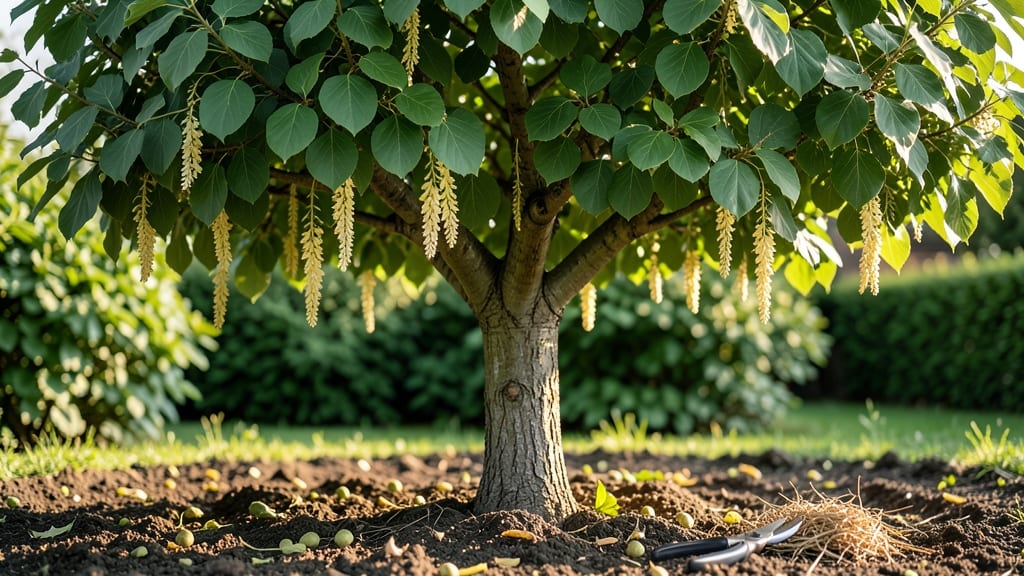
What does lime tree look like—its glossy, dark green leaves and fragrant white blossoms make it instantly recognizable, especially when you know what to look for? 🌿 The small, oval leaves grow in clusters along its upright branches, while the delicate flowers release a sweet citrus scent that lingers in the air.
Unlike lemon trees, which often have thorns and slightly rougher foliage, lime trees have a smoother, more elegant appearance, with a habit of growing taller and narrower.
The fruit itself is the real giveaway—small, round, and bright green when young, turning yellow as it ripens, though it rarely matures fully in colder climates. The bark is another clue: smooth and grayish when young, it develops a slightly textured, flaky surface as the tree ages.
In landscaping, its upright form makes it a striking focal point, while its fragrance draws pollinators and adds charm to patios or culinary gardens.
Seasonal changes transform its look: spring brings bursts of white flowers, summer delivers glossy foliage and occasional fruit, and fall keeps the leaves vibrant until winter, when they may drop in colder zones.
Compared to linden trees, which have heart-shaped leaves and don’t produce citrus fruit, or lemon trees, which grow wider and often have thorns, the lime tree’s sleek, upright silhouette stands out.
For gardeners, this tree isn’t just pretty—it’s functional. Its dense canopy provides light shade, its flowers attract bees, and its fruit (when ripe) is perfect for cooking or garnishes. If you’re designing a space with both beauty and utility in mind, a lime tree could be your standout star.
📚 In This Guide
- What you need
- Instructions
- Tips and common mistakes
- Wrapping up and next steps
What you need
- ● Reference images: High-quality photos of lime trees (e.g., Citrus aurantifolia or Citrus latifolia) for comparison. Use trusted sources like Google Images or plant databases.
- ● Field guide or app: A plant identification app (e.g., PlantNet or iNaturalist) or a physical guidebook like “The New Sunset Western Garden Book”.
- ○ Magnifying glass: Optional but helpful for examining leaf details, thorns, or flower structures up close.
- ● Notebook & pen: To jot down observations like leaf shape, fruit type, or bark texture.
- ● Lime tree sapling: Choose between dwarf varieties (3–6 ft) or standard sizes (10–15 ft). Nursery options include Mexican lime (Key lime) or Persian lime.
- ● Pot or garden bed: Pot: 15–20 gallon container with drainage holes (for container gardening). Use lightweight, breathable fabric pots if possible.
- ● Garden bed: Well-draining soil in a sunny spot (6+ hours of sunlight daily). Amend clay soil with compost (5–10 lbs per planting hole).
- ● Well-draining potting mix: 50% premium citrus soil (e.g., Fox Farm Ocean Forest) + 50% perlite or pumice (for aeration). Avoid regular garden soil—lime trees hate soggy roots! 🚫💦
- ● Fertilizer: Slow-release citrus fertilizer: 10–12 lbs of osmocote or Miracle-Gro Shake ‘n Feed Citrus (follow package rates).
- ○ Micronutrients: Optional but helpful—use a chelated iron supplement (e.g., Iron Chelate 6%) to prevent yellowing leaves.
- ● Mulch: 2–3 inches of wood chips or straw to retain moisture and regulate soil temperature.
- ● USDA Hardiness Zones: Lime trees thrive in Zones 9–11. For colder climates, grow in containers and overwinter indoors (near a sunny window or under grow lights).
- ● Temperature: Ideal range: 60–85°F. Protect from frost (not cold-hardy! ❄️🔥
- ● Water source: Drip irrigation or a watering can with a rose attachment (to avoid leaf burn). Lime trees need consistent moisture but hate waterlogged roots.
- ● Pruning tools: Bypass pruners: For clean cuts on branches up to ½ inch thick.
- ○ Loppers: For thicker branches (optional, if shaping mature trees).
- ● Disinfectant: Rubbing alcohol (70%+) to sterilize tools between cuts and prevent disease.
- ● 🌡️ Test your soil: Use a pH test kit (aim for 6.0–7.0). Lime trees prefer slightly acidic to neutral soil.
- ● ✨ Pollination hack: If growing from seed, hand-pollinate flowers with a soft paintbrush to ensure fruit set.
- ● 🔥 Pest prevention: Keep neem oil or insecticidal soap on hand for aphids or spider mites.
Identifying a lime tree: Key visual traits to spot in your yard
Here's how to recognize one of nature's most elegant citrus trees—just by looking.
🌿 Step 1: Examine the Leaves for Signature Gloss
Lime trees have deep green, oval-shaped leaves that shine like polished jade when sunlight hits them. Run your fingers along the edges—they're smooth with a slight curve, never jagged or lobed. The leaf surface feels leathery to the touch, thicker than most citrus varieties. I always check for this glossy finish first because it's the most distinctive trait.
New leaves start out lighter green and gradually darken as they mature. Look for 3-5 prominent veins running parallel down each leaf—this vein pattern is another dead giveaway. If you see fuzzy white spots on the undersides, that's a sign of scale insects, which lime trees sometimes attract.
☀️ Step 2: Look for the Classic Flower Clusters
When in bloom, lime trees produce fragrant white flowers that grow in clusters of 3-5 at the ends of branches. Each flower has 4-5 petals and a delicate, sweet citrus scent that carries surprisingly far—you'll smell it before you see it. The flowers appear in spring and early summer, often right after new leaf growth begins.
Here's the thing—these flowers aren't showy like some citrus blooms. They're modest but abundant, and they transform into the fruit later. If you see these clusters without any fruit forming, that's normal—the tree might be young or just finished its fruiting cycle.
🍋 Step 3: Identify the Fruit Shape and Color
Mature lime fruit grows in oval or round shapes, typically 2-3 inches long, with a bright green skin that often has a slightly bumpy texture. The color deepens to yellow as it ripens, but true limes never turn fully orange like oranges do. The skin is thin enough you can see the green flesh through it.
Pay attention to the stem end—lime fruit has a distinctive nipple-like protrusion where it attaches to the branch. This is different from lemons, which have a flatter stem end. The fruit grows in clusters of 2-5, hanging directly from the branches rather than spreading outward.
🌳 Step 4: Assess the Tree Structure and Growth Habit
Mature lime trees grow as tall evergreens reaching 20-40 feet, with a rounded canopy that spreads wider than it grows tall. The bark is smooth and gray when young but develops a rougher texture as the tree ages. Look for spreading branches that create a dense, umbrella-like shape.
Young lime trees have a more upright growth habit, and you'll often see thorny stems along the branches—this is especially common in Mexican lime varieties. The thorns are sharp but not aggressive, typically growing in pairs opposite the leaves.
✂️ Step 5: Check for Seasonal Changes
Lime trees maintain their glossy foliage year-round in warm climates, but you'll notice subtle changes with the seasons. In cooler months, new growth slows down, and the leaves may develop slight yellowing at the edges—a normal response to temperature shifts. The tree never completely loses leaves unless it's experiencing severe stress or disease.
If you see bright yellow leaves that drop easily when touched, that's a sign of nutrient deficiency or overwatering. Healthy lime trees have vibrant green leaves even in winter. The flowers appear after cold snaps in spring, signaling the start of the fruiting cycle.
Tips & tricks for identifying a lime tree with confidence
Spotting a lime tree in your yard can be easier than you think—these visual cues will help you distinguish it from other citrus varieties.
Leaf Texture Test: The leathery feel of lime leaves is unmistakable—run your thumb along the edge in Step 1. Healthy leaves should feel firm and slightly resistant, like a well-worn book cover. If they feel papery or brittle, the tree might be stressed or diseased. Also, check the undersides for those fuzzy white spots mentioned in Step 1—they're a clear sign of scale insects that lime trees sometimes attract.
Flower Scent Clue: In Step 2, when you spot those modest white flower clusters, take a deep breath. The fragrance is a dead giveaway—sweet, citrusy, and surprisingly strong for such delicate blooms. If you can't smell anything from where you're standing, move closer to the tree. The scent carries farthest on warm, still mornings right after dew has evaporated.
Fruit Stem Inspection: The nipple-like protrusion at the stem end in Step 3 is the most reliable way to distinguish lime fruit from lemons. Hold a ripe lime and examine where it connects to the branch—this distinctive bump is hard to miss once you know what to look for. It's especially noticeable on Mexican lime varieties, which often grow in warmer climates.
Seasonal Leaf Check: For Step 5, remember that lime trees are evergreens—they shouldn't shed leaves completely even in winter. If you see bright yellow leaves dropping easily, that's your warning sign. Healthy lime trees might show slight yellowing at leaf edges in cooler months, but the majority should remain vibrant green. This is nature's way of telling you the tree is thriving.
Pro Tips for What Does Lime Tree Look Like
- Spotting a lime tree in your yard can be easier than you think—these visual cues will help you distinguish it from other citrus varieties.
- Leaf Texture Test: The leathery feel of lime leaves is unmistakable—run your thumb along the edge in Step 1.
- Flower Scent Clue: In Step 2, when you spot those modest white flower clusters, take a deep breath.
Frequently asked questions
about lime trees—because even the most stunning evergreens can spark curiosity! Here are answers to the most common questions to help you identify and care for these fragrant beauties.What does a young lime tree look like compared to a mature one?
A young lime tree (like Citrus aurantifolia) starts as a small, bushy shrub with glossy, oval leaves and delicate white flowers. As it matures (5–10 years), it grows into a tall, slender evergreen (15–20 ft) with a dense canopy, thicker branches, and a more upright form. Mature trees also develop the signature lime-shaped fruit!
Can lime trees survive cold winters, or do they need to be indoors?
Most lime trees are tender perennials and can’t tolerate frost (below 20°F/-7°C). In cold climates, they’re grown in containers and brought indoors before winter. If left outdoors, they’ll die back—but with proper care, they can regrow in spring! Pro tip: Use frost cloth or mulch for young trees in mild winters.
How can I tell the difference between a lime tree and a lemon tree?
Lime trees (Citrus aurantifolia) have smaller, darker green leaves (1–3 inches long) and highly fragrant white flowers with a slightly reddish tint. Lemon trees (Citrus limon) have larger, lighter green leaves (2–4 inches) and paler, less fragrant blooms. Limes also produce round, bumpy fruit, while lemons are more oval and smooth.
Why are my lime tree’s leaves turning yellow or dropping?
Yellowing leaves (chlorosis) or leaf drop usually signal overwatering, underwatering, or nutrient deficiency. Check the soil—it should be slightly moist but not soggy. Lime trees also need well-draining soil and regular fertilizer (citrus-specific, high in nitrogen). Pests like aphids or mites can also cause stress—inspect the undersides of leaves!
Are there dwarf lime tree varieties for small gardens or containers?
Yes! Varieties like ‘Meyer Lime’ or ‘Tahiti Lime’ stay compact (6–10 ft tall) and thrive in containers. Dwarf grafted lime trees (like ‘Improved Meyer’) are ideal for patios or balconies. Just ensure they get 6+ hours of sunlight daily and consistent watering to keep them happy.
How long does it take for a lime tree to bear fruit?
With proper care, a lime tree can produce fruit in 3–5 years. Dwarf varieties may fruit sooner (2–3 years), while standard trees take longer. Key factors: full sun, well-draining soil, and cross-pollination (some varieties are self-pollinating). Patience pays off—first fruits are a sweet reward!
Wrapping up and next steps
Now that you’ve explored the stunning beauty of lime trees—from their tall, evergreen stature and glossy, aromatic leaves to their fragrant white blossoms and tangy fruit—you’re ready to appreciate these tropical gems even more! 🌿 Whether you’re dreaming of growing one in your yard or simply admiring their charm in photos, lime trees bring a touch of exotic elegance to any space.
Ready to take the next step? Research local nurseries or check climate suitability in your area—your very own lime tree adventure could be just around the corner! 🌱