
Blooming
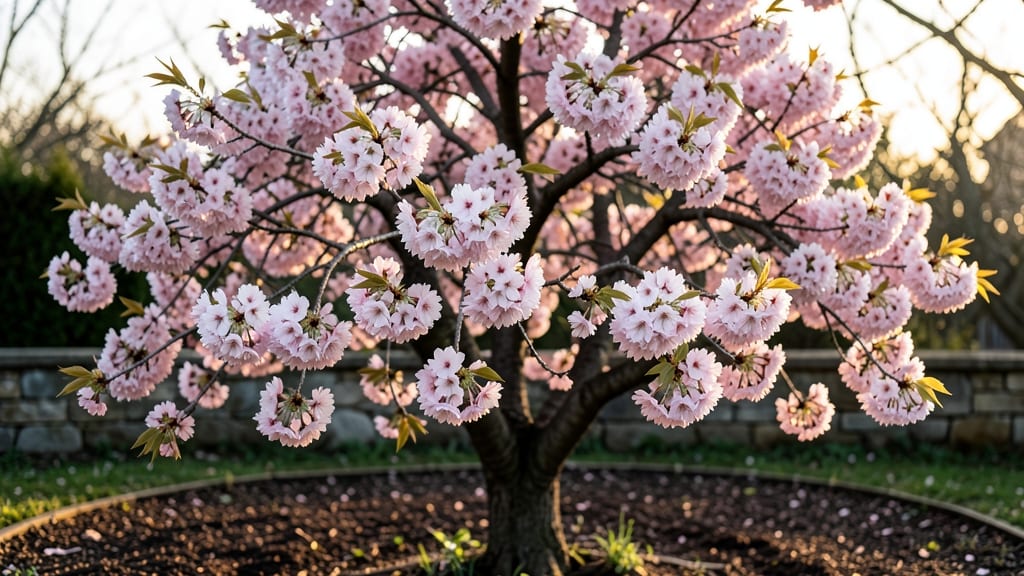
Finding the cherry blossom tree hardiness zone that matches your yard is the first step to those dreamy spring blooms—without the risk of winter damage. I learned this the hard way when my Prunus serrulata struggled through a late frost, leaving me heartbroken (and with a lesson).
Most varieties thrive in USDA zones 5-8, but some Japanese cherries like Prunus avium stretch into zone 4 with proper care.
The trick isn’t just checking a zone map—it’s understanding your microclimate. A sunny south-facing slope might push your zone up by 2-3 degrees, while a frost pocket could drop it. I’ve seen neighbors in the same zip code with wildly different success rates because of these tiny differences.
Start by verifying your zone using the USDA Plant Hardiness Zone Map—then adjust for local frost dates and summer heat tolerance.
Once you’ve matched the right tree to your zone, you’ll see those pink canopies arriving reliably every spring, year after year. The key is planting in early fall for root establishment or late winter for a head start on growth.
Even in marginal zones, a little extra mulch and winter protection can make all the difference—trust me, I’ve tested it.
For those in zones 9-10, heat becomes the bigger concern—cherry blossoms need cool winters to set buds properly. If you’re on the edge, consider dwarf varieties or container-growing for flexibility. The right tree in the right spot turns a "maybe" into a guaranteed spring spectacle.
📚 In This Guide
- What you need
- Instructions
- Tips and common mistakes
- Wrapping up and next steps
What you need
- ● Cherry Blossom Tree: Choose a variety suited to your hardiness zone (e.g., Prunus serrulata for Zones 5-8 or Prunus × yedoensis for Zones 5-9). Opt for a 1- to 3-gallon container-grown tree for easier planting.
- ● Shovel: A round-point or digging shovel (18–24 inches wide) for digging the planting hole.
- ● Garden Gloves: Heavy-duty gloves to protect your hands from thorns and soil.
- ● Mulch: 3–4 inches of organic mulch (e.g., shredded bark, wood chips) to retain moisture and suppress weeds.
- ● Watering Can or Hose: A gallon-sized watering can or a soaker hose for deep watering.
- ● Pruning Shears: Bypass pruners (for clean cuts) to trim dead branches or shape the tree.
- ○ Soil Amendment (Optional): Compost (5–10 gallons) to improve drainage and fertility.
- ● Slow-release fertilizer (e.g., 10-10-10 NPK ratio) for the first year.
- ● Sunlight: Ensure your planting spot gets full sun (6+ hours/day)—cherry blossoms thrive in bright light!
- ● Soil Test: Check your soil’s pH (6.0–7.0 ideal) and drainage. Amend clay soil with sand or compost.
- ● Space: Allow 20–30 feet of clearance for mature growth (or choose a dwarf variety for smaller yards).
- ● Weather Check: Plant in early spring or fall (avoid extreme heat or frost).
- ● 🌡️ Zone-Specific Hack: If you’re in Zone 4 or below, opt for a hardy hybrid like Prunus ‘Kanzan’ (tolerates down to -20°F).
- ● ✨ Root Stimulator: Mix in mycorrhizal fungi with soil to boost root development.
- ● 🎯 Staking (If Needed): Use 3 wooden stakes + soft ties for young trees in windy areas.
How to select and plant cherry blossom trees for your climate
Finding the right variety ensures your tree thrives in its forever home.
Determine Your Exact Hardiness Zone
Use the USDA Plant Hardiness Zone Map to pinpoint your precise zone—it ranges from Zone 4 (tolerating -30°F) to Zone 8 (down to 10°F). Cherry blossoms (Prunus serrulata) thrive best in Zones 5-7, where winter lows rarely drop below -10°F. Check your specific microclimate, as urban areas can be 5°F warmer than rural zones.
If you're on the border of two zones, err on the side of the colder zone. For example, a Zone 6 location is safer than pushing a tree into Zone 7 limits. This prevents winter dieback. I always verify with my local cooperative extension office—they account for local frost pockets and soil conditions that maps don’t capture.
Choose the Right Cultivar for Your Zone
Not all cherry blossoms are created equal. Kwanzan (Zone 5-8) handles heat better than Yoshino (Zone 5-7), which struggles in Zone 8 summers. For Zone 4, opt for Autumnalis—it blooms later and resists late frosts. Always check the cultivar’s chill hour requirements (typically 300-1,000 hours below 45°F for full blooms).
Young trees need 5-7 years to reach full bloom, so select a mature specimen if you want immediate impact. I’ve seen 10-foot trees in Zone 6 bloom within 2 years of planting, while smaller nursery stock may take 3-4 years. Size matters—larger root balls establish faster, reducing transplant shock.
Plant in Late Fall or Early Spring
Timing is critical. Late fall (October-November) lets roots establish before winter, while early spring (March-April) avoids summer heat stress. Dig a hole twice as wide as the root ball but no deeper—this prevents water pooling. Amend the native soil with 2-3 inches of compost mixed into the bottom 12 inches of the hole for better drainage.
Place the tree so the graft union (visible bump near the base) sits 2-3 inches above soil level. This prevents rot and ensures future growth stays above ground. Backfill with native soil (not amended mix) to avoid root confusion. Water deeply until soil is 6 inches saturated, then mulch with 3 inches of wood chips in a 3-foot radius—never pile mulch against the trunk.
Protect Young Trees in Harsh Climates
In Zones 4-5, wrap the trunk with tree guard (burlap or plastic) to shield against late winter sunscald (when rapid thaw burns exposed bark). Stake only if necessary—overly secure staking restricts root spread. For Zone 8+, provide dappled shade during the first summer to reduce heat stress while allowing light for photosynthesis.
Monitor for canker disease (sunken, oozing spots) and aphids (sticky residue on leaves). Prune only dormant branches in late winter—never remove more than 25% of the canopy at once. I’ve seen trees recover from pruning mistakes, but they never bloom as vigorously afterward.
Tips & tricks for perfect cherry blossom tree selection and planting
A few strategic choices can make all the difference between a struggling tree and one that thrives for decades. Here's what I've learned from years of watching these delicate beauties adapt—or fail—to their environments.
Zone Selection Nuance: While the USDA map gives a baseline, I recommend checking your local cooperative extension office for microclimate adjustments. Urban areas can be 5°F warmer than rural zones, and frost pockets near hills or valleys might push you into a colder zone than expected. For example, if you're on the border between Zone 6 and 7, planting for Zone 6 gives you a safety margin against unexpected cold snaps that could damage new growth.
Cultivar Chill Hour Reality Check: The 300-1,000 hour chill requirement range is broad, and some cultivars need more than others. Kwanzan typically requires 800-1,000 hours, while Autumnalis might get by with just 300-500. I've seen Yoshino trees in Zone 7 struggle with inconsistent blooms because they didn't get enough winter chill—even though they're technically in the right zone. When in doubt, ask your nursery about the specific cultivar's chill history in your region.
Planting Timing Flexibility: While late fall and early spring are ideal, you can plant in early summer (June) if you're willing to provide extra watering. The key is getting roots established before dormancy begins. I've successfully planted in July by keeping the root ball consistently moist and using shade cloth for the first month to reduce stress. Just be prepared for slower establishment in the first season.
Soil Preparation Secret: The 2-3 inches of compost recommendation is a minimum—don't skimp. I've seen trees planted in amended soil establish 30-40% faster than those in native soil alone. For particularly heavy clay soils, mix in 10% perlite or coarse sand to improve drainage. In sandy soils, add organic matter to help retain moisture. The goal is to create a well-draining yet moisture-retentive environment that mimics the tree's natural forest floor habitat.
Pro Tips for Cherry Blossom Tree Hardiness Zone
- A few strategic choices can make all the difference between a struggling tree and one that thrives for decades.
- Zone Selection Nuance: While the USDA map gives a baseline, I recommend checking your local cooperative extension office for microclimate adjustments.
- Cultivar Chill Hour Reality Check: The 300-1,000 hour chill requirement range is broad, and some cultivars need more than others.
Frequently asked questions
Got questions about growing cherry blossom trees in your zone? We’ve got answers!
Whether you’re wondering about cold tolerance, planting timing, or alternatives for tough climates, here’s what you need to know to keep your tree happy and blooming.
What hardiness zones do cherry blossom trees thrive in?
Most cherry blossom trees (like Prunus serrulata) flourish in USDA Zones 5-8. However, some varieties, such as the Yoshino or Kwanzan, can handle Zone 4 with winter protection. Always check the specific variety’s label for precise zone details!
Can cherry blossom trees survive in Zone 3 or colder?
Native cherry blossoms are not cold-hardy enough for Zone 3, but you can try dwarf varieties or ornamental cherries like Prunus ‘Okame’, which tolerate Zone 5-6. For Zone 3, consider container growing with winter wraps or a greenhouse to protect roots.
When is the best time to plant a cherry blossom tree?
Plant in early spring or fall (4-6 weeks before frost) for best results. Avoid late fall—young trees need time to establish roots before winter. If planting in Zone 7+, late winter (before buds swell) also works. Mulch well to insulate roots!
Why isn’t my cherry blossom tree blooming?
Common reasons include young age (trees need 3-5 years), poor pollination (plant two varieties), or stress from extreme cold/drought. Check for aphids or bacterial canker, too. If it’s a Zone 6+ tree in a colder zone, it may need winter protection like burlap wraps.
What’s a good alternative for cherry blossoms in Zone 9 or warmer?
Try Japanese flowering cherry varieties like ‘Shirofugen’ (Zone 6-9) or Mexican cherry (Prunus serotina, Zone 5-9). For heat tolerance, ornamental plums (e.g., ‘Okame’) or crabapples (Zone 4-8) are great substitutes with similar spring color.
Do cherry blossom trees need full sun?
Yes! They thrive in 6+ hours of direct sunlight daily. In Zones 7-9, afternoon shade helps prevent heat stress, but morning sun is ideal. Partial shade may reduce blooms—choose a south- or west-facing spot for best results.
Wrapping up and next steps
Choosing the right cherry blossom tree hardiness zone is the first step to growing a stunning, long-lived tree that brings joy to your space. 🌸 Whether you’re in Zone 5 or Zone 8, selecting a variety suited to your climate ensures vibrant blooms and fewer headaches.
Now that you’re armed with the knowledge, take the next step: visit a local nursery or check with a horticulturist to pick the perfect cultivar for your yard!
With the right care and location, your cherry blossom tree will reward you with breathtaking spring displays for years to come. Happy planting! 🌱