Light Requirements
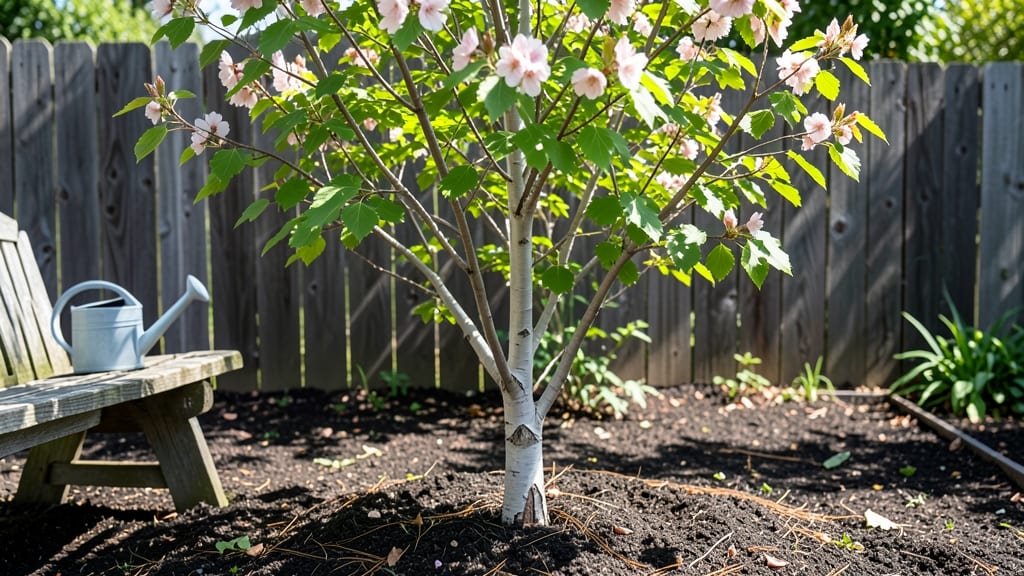
The right trees for Zone 8 full sun can turn your yard into a sun-drenched paradise where blooms last from spring to fall. 🌿 I planted my first Crape Myrtle five years ago, and it’s now the star of my front yard—bursting with color while other trees wilt in the summer heat.
The key isn’t just picking sun-loving varieties; it’s matching them to your soil, space, and local microclimate.
Zone 8’s full-sun challenge is real: scorching afternoons, occasional droughts, and humidity that invites pests. But the right trees—like drought-tolerant Live Oaks or fragrant Southern Magnolias—thrive here with minimal fuss.
You’ll need well-draining soil, 3-5 feet of spacing between small trees, and a deep watering schedule the first two years to establish strong roots.
By summer’s end, you’ll have a canopy of shade, fragrant blooms, and maybe even fruit—peaches ripening in August or pears ready by October. These trees handle heat better than most, and their deep roots make them low-maintenance once established. The best part? They’ll outlast any trendy annuals in your landscape.
Whether you’re replacing an old tree or starting fresh, focus on native varieties first—they’re already adapted to Zone 8’s extremes. We’ll cover the top picks, planting hacks, and how to keep them looking their best through every season.
📚 In This Guide
- What you need
- Instructions
- Tips and common mistakes
- Wrapping up and next steps
What you need
- ● Trees: Choose 2–5 mature trees (depending on space), such as Crape Myrtle, Southern Magnolia, or Texas Ebony—all thrive in Zone 8’s full sun.
- ● Shovel: A heavy-duty digging shovel (24–30 inches long) for planting holes.
- ● Garden Gloves: A pair of durable, breathable gloves (e.g., Wet & Forget or Fellowes) to protect your hands.
- ● Mulch: 3–4 cubic yards of organic mulch (pine bark or wood chips) to retain moisture.
- ● Soil Amendment: 50 lbs of compost or aged manure to enrich planting soil.
- ● Watering Can/Hose: A garden hose with adjustable nozzle or 5-gallon watering can for post-planting hydration.
- ● Stakes & Ties: 3–4 wooden stakes (4–6 ft tall) and soft tree ties for young, unstable trees.
- ● Tree Guard: Fiber or metal tree wraps to protect trunks from pests/sunburn.
- ● Drip Irrigation Kit: For low-maintenance watering (especially for large trees).
- ● Soil pH Test Kit: To check acidity/alkalinity (Zone 8 trees often prefer 6.0–7.0 pH).
- ● Pruning Shears: Bypass pruners (for shaping/trimming after planting).
- ● Post-Hole Digger: If planting deep-rooted trees (e.g., Live Oak).
How to select and plant sun-loving trees for Zone 8 climates
Here's how to pick and establish trees that thrive in full sun and Zone 8's warm winters.
🌱 Step 1: Choose Trees Perfect for Zone 8 and Full Sun
Start with native or adapted varieties that handle Zone 8's 75-90°F summers and 30-50°F winters. Crape myrtles, live oaks, and Southern magnolias are top performers. Check each tree's mature height and spread—15-25 feet tall is ideal for most yards. I always verify the tree's sun requirements match my site's 6+ hours of direct sunlight daily—no half-measures here.
Look for disease-resistant cultivars like 'Natchez' crape myrtle or 'Fosteri' Southern magnolia. These varieties handle heat and humidity better than standard types. Your local nursery will often have Zone 8-specific labels—ask if you're unsure. I skip trees labeled "partial shade" unless you have filtered light areas.
☀️ Step 2: Prepare the Planting Site for Maximum Sun Exposure
Clear the area of grass and weeds within the tree's mature root zone (typically 2-3 times the canopy width). For a 20-foot tree, that's a 40-foot diameter circle. Use the 1 cubic yard of topsoil to create a slightly mounded planting mound—this improves drainage and prevents root rot in heavy clay soils common in Zone 8.
Test your soil's pH—most sun-loving trees prefer 6.0-7.0. If your soil is too acidic, mix in 2 pounds of garden lime per planting hole. Avoid planting in low spots where water pools after rain. Zone 8's intense sun dries soil quickly, but standing water kills roots.
🪴 Step 3: Plant at the Right Depth and Stake Properly
Dig a hole twice as wide as the root ball but no deeper—the top of the root ball should sit 1-2 inches above ground level. This prevents stem rot from buried soil. Gently loosen the root ball's edges if it's tightly bound. Place the tree in the hole and backfill with the 1 cubic yard of topsoil, tamping lightly every 6 inches to remove air pockets.
Stake only if needed—most mature trees in Zone 8 don't require staking unless winds exceed 20 mph. If you do stake, use two 6-foot stakes positioned opposite each other, 6 inches from the trunk. Attach with flexible tree ties (never wire) and leave room for trunk growth. Water deeply after planting to settle the soil.
💧 Step 4: Water Deeply and Mulch for Year-Round Care
Water deeply 2-3 times per week for the first 3 months, providing 5-10 gallons per watering depending on tree size. Zone 8's heat evaporates moisture quickly, so aim for 1-2 inches of water per week. You'll know you're doing it right when water reaches 12-18 inches deep—stick a screwdriver into the soil to check.
Apply 3 cubic feet of mulch in a 3-inch layer, keeping it 6 inches away from the trunk. Use wood chips or pine straw—they retain moisture while allowing air circulation. Replenish mulch annually in late winter before new growth begins. This protects roots from Zone 8's occasional freezes while keeping soil cool in summer.
Tips & tricks for perfect sun-loving trees in Zone 8
These practical insights will help you avoid common pitfalls and maximize your sun-loving trees' success in Zone 8's challenging climate.
Tree Selection Wisdom: When choosing your tree at the nursery, pay close attention to the label's sun requirements—some "full sun" trees actually prefer "partial sun" in Zone 8's intense 75-90°F summers. I always ask for the specific cultivar's heat tolerance rating. For example, 'Natchez' crape myrtle handles our heat better than regular crape myrtles because it was bred specifically for southern climates.
Soil Prep Secret: The slightly mounded planting mound in Step 2 isn't just for drainage—it also creates a natural water reservoir during Zone 8's dry spells. After creating your mound, I recommend adding a handful of mycorrhizal fungi to the planting hole. These beneficial fungi help tree roots absorb water and nutrients more efficiently, which is especially helpful during our hot summers when water evaporates quickly.
Staking Strategy: Most Zone 8 trees don't need staking, but if you do use stakes, position them at a 45-degree angle rather than straight up. This gives the tree more support when winds exceed 20 mph, which happens frequently in our area. I've seen too many newly planted trees topple because the stakes were installed vertically—always angle them for better stability.
Watering Hack: Instead of relying on the 2-3 times per week guideline, I use a simple screwdriver test during the first 3 months. After watering, stick the screwdriver into the soil 12-18 inches deep—if it comes out dry, water again. This method ensures you're actually reaching the roots where the tree needs moisture most, rather than just wetting the surface. Zone 8's heat makes surface watering ineffective quickly.
Pro Tips for Zone 8 Trees Full Sun
- These practical insights will help you avoid common pitfalls and maximize your sun-loving trees' success in Zone 8's challenging climate.
- Tree Selection Wisdom: When choosing your tree at the nursery, pay close attention to the label's sun requirements—some "full sun" trees actually prefer "partial sun" in Zone 8's intense 75-90°F summers.
- Soil Prep Secret: The slightly mounded planting mound in Step 2 isn't just for drainage—it also creates a natural water reservoir during Zone 8's dry spells.
Frequently asked questions
Got questions about growing trees in Zone 8’s full sun? You’re not alone!
Here are answers to the most common concerns—from picking the right tree to keeping it happy year-round.
What are the best low-maintenance trees for Zone 8 full sun?
Look for native or drought-tolerant varieties like Southern Magnolia, Live Oak, or Crape Myrtle. These thrive with minimal fuss once established. Texas Ebony or Sycamore are also great for heat and sun resistance. Pro tip: Avoid fussy species like Japanese Maples—they prefer shade!
How long does it take for a full-sun Zone 8 tree to mature?
Most trees reach full maturity in 5–15 years, depending on the species. Fast growers like Silver Maple or Willow Oak may take 5–10 years, while slower growers like Oak or Magnolia can take 15+ years. Patience pays off! Regular pruning speeds up canopy development.
Do full-sun Zone 8 trees need extra watering?
Newly planted trees need deep watering 2–3 times per week for the first year. After that, most native trees thrive on rainfall alone. Watch for wilting leaves—a sign of thirst! Mulch helps retain moisture. Warning: Overwatering can rot roots in heavy clay soils.
How do I protect my tree from Zone 8’s intense summer sun?
Young trees benefit from light shade cloth (30–50%) during the hottest months. Mature trees handle full sun, but avoid transplanting in peak summer (spring/fall is best). Deep, well-draining soil prevents heat stress. Drip irrigation at the base keeps roots cool.
What pests should I watch for in full-sun Zone 8 trees?
Common culprits include aphids, spider mites, and borers. Inspect leaves regularly for holes or sticky residue. Neem oil or insecticidal soap works for soft-bodied pests. For borers, prune infested branches and treat with systemic insecticide. Healthy trees resist pests better!
Can I grow fruit trees in Zone 8 full sun?
Try Peach, Fig, or Pomegranate trees—they love the heat. Choose disease-resistant varieties (e.g., Elberta Peach or Celeste Fig). Mulch and consistent watering boost fruit production. Pollination tip: Plant two trees if cross-pollination is needed!
Wrapping up and next steps
Choosing the right Zone 8 full-sun trees can transform your landscape into a vibrant, low-maintenance oasis—whether you crave shade, color, or wildlife-friendly foliage.
From the bold hues of Crape Myrtle to the evergreen elegance of Southern Magnolia, these varieties thrive with minimal fuss, offering year-round beauty and resilience. Now’s the perfect time to act!
Ready to plant? Start by sketching your space, checking soil conditions, and picking 1–2 trees that align with your goals—whether it’s privacy, pollinators, or seasonal drama. Your future shade (and curb appeal) will thank you! 🌳✨