Pruning
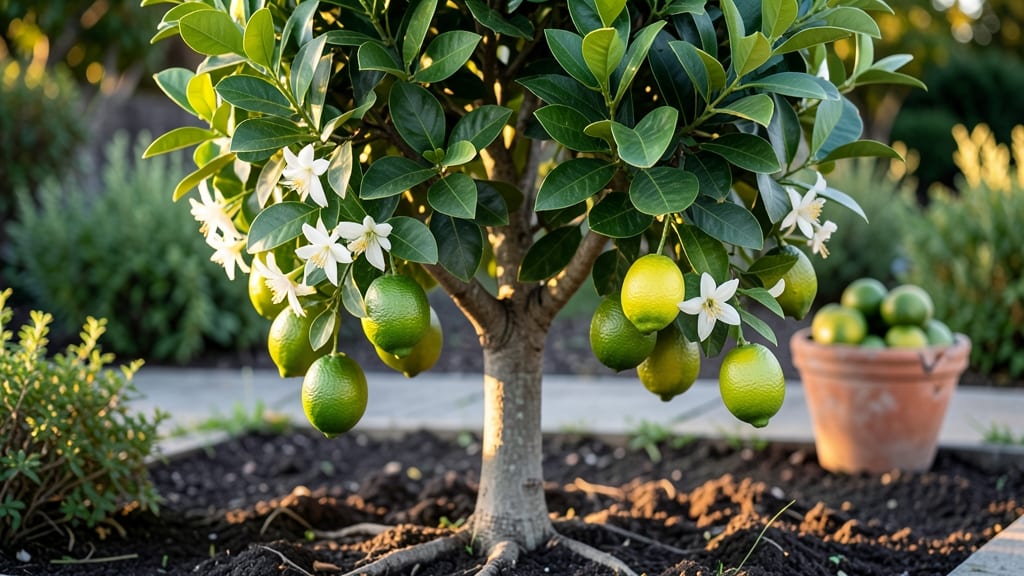
Pruning a Persian lime tree isn’t just about shaping branches—it’s about extending its life in cold climates where frost threatens every year. ✂️ I’ve watched my own tree survive winters that would kill lemons, and the secret lies in strategic cuts that balance airflow, sunlight, and fruit production.
The wrong approach can leave you with a leggy, fruitless shrub, but done right, you’ll have a compact, productive tree that keeps bearing even in Zone 7.
The best time to prune is late winter or early spring, but light shaping can happen year-round. You’ll need sharp pruners, rubbing alcohol for sterilizing cuts, and a clear day to assess the tree’s structure.
Focus on removing dead wood first, then thin out crowded branches to let sunlight reach the center—this prevents disease and improves fruit quality. For cold climates, avoid heavy pruning in fall, as new growth is more vulnerable to frost.
What you’ll end up with is a tree that produces sweeter, more abundant fruit while staying resilient against winter chill. The canopy stays open enough for air circulation, reducing humidity-related diseases, and the shape remains balanced so it doesn’t topple in storms.
Even in containers, this method works—just scale back pruning to avoid stressing roots.
Pro tip: Save your prunings! Dry the smaller branches for kindling or compost the leaves. And if you’re in a colder zone, consider wrapping the trunk in burlap over winter—it’s the extra protection that makes the difference between a thriving tree and a sad, frostbitten stump.
Let’s get those branches in shape!
📚 In This Guide
- What you need
- Instructions
- Tips and common mistakes
- Wrapping up and next steps
What you need
- ● Pruning shears: Bypass pruners (sharp, clean, and sterilized with rubbing alcohol or bleach—no rust!). Size: 6–8" blades for medium branches.
- ● Loppers: For thicker branches (½–1½" diameter). Spec: Bypass or anvil-style (avoid dull blades!).
- ● Hand saw: Pruning saw with fine teeth (for branches >1½" thick). Tip: Lubricate the blade with mineral oil for smooth cuts.
- ● Gloves: Heavy-duty, cut-resistant gloves (e.g., Mechanix or gardening-specific). Why? Persian lime thorns are serious!
- ● Disinfectant: 70% isopropyl alcohol or 10% bleach solution (1 part bleach : 9 parts water) to sterilize tools between cuts.
- ○ Pruning sealant: Optional but helpful for large cuts (>½")—use tree wound paint (e.g., Tanglefoot Tree Wound Pruning Seal).
- ● Ladder or step stool: Sturdy, non-slip (e.g., aluminum extension ladder or 6-ft step stool). Safety first!
- ● Heavy-duty trash bags: 30+ gallon size for debris cleanup.
- ● Rake or broom: For sweeping up fallen leaves/branches.
- ● Cold-climate prep: Check hardiness zone (Persian limes thrive in USDA Zones 9–11; for colder zones, use container gardening or winter wraps).
- ● Timing: Prune late winter/early spring (just before buds swell) or summer after fruiting.
- ● Weather check: Avoid pruning if rain is forecasted within 24 hours (wet wood = higher disease risk).
- ● Tree health: Inspect for pests/diseases (e.g., aphids, citrus canker). Treat with neem oil or insecticidal soap before pruning if needed.
- ● Bring a small bucket with water + a rag to clean tools mid-prune.
- ● Label branches (if grafting/saving scions) with twist ties + tags.
- ● Wear long sleeves/pants—Persian lime thorns are not playful!
Step-by-Step instructions for pruning a Persian lime tree
Here's how I keep my Persian lime tree thriving in cold climates—with pruning that boosts fruit and protects against winter chill.
✂️ Step 1: Prune for Airflow in Late Winter
Start your pruning 4-6 weeks before your last frost date when the tree is still dormant. This timing lets wounds heal before cold snaps arrive. I focus on removing dead, diseased, or crossing branches first—these compete with healthy growth and invite pests. Use clean, sharp pruning shears to make cuts just outside the branch collar where it meets the trunk.
Look for branches growing inward or rubbing against others. These create weak spots where fruit can bruise and disease can take hold. I like to step back every few cuts to visualize the tree's shape—you want an open center that lets light and air reach all fruit. Remove any suckers at the base too; they drain energy from your fruit production.
☀️ Step 2: Summer Light Pruning for Fruit Quality
After the spring flush of new growth, do a light pruning in early summer to improve fruit quality. Persian limes respond well to this mid-season trim because it redirects energy to developing fruit rather than excessive foliage. I target branches that are growing too densely and shading lower limbs—these areas often produce smaller, less flavorful fruit.
Make your cuts just above a leaf node where new growth can emerge. Avoid heavy pruning now—you don't want to stress the tree when it's already working hard to ripen fruit. Instead, focus on thinning out 10-15% of the canopy to maintain balance. You'll see better sun penetration to lower branches, which means more even ripening and sweeter fruit.
⏰ Step 3: Fall Cleanup Before Dormancy
In late fall, after harvest but before hard frosts, do a final cleanup to prepare the tree for winter. Remove any dead or damaged branches from the previous season's growth. These provide no benefit and can harbor fungal spores over winter. I also trim back any overly vigorous shoots that grew during summer—these often produce weak wood that struggles in cold climates.
This is also the time to shape the tree's outline if needed. Persian limes naturally grow in a rounded shape, but I often raise the canopy slightly to protect lower branches from heavy snow loads. Leave some foliage on the north side of the tree—this helps insulate against winter cold. Finish by sterilizing your tools with rubbing alcohol to prevent spreading any lingering diseases.
✂️ Step 4: Winter Protection Adjustments
If you're in a zone colder than 8a, winter pruning becomes crucial for survival. Wait until late winter when the ground begins to thaw but before buds swell. Focus on removing any weak, thin branches that might not survive the cold. These are often the first to die back and can create entry points for pests when they thaw.
I also check for any splits or cracks from winter freeze-thaw cycles. These need immediate removal to prevent further damage. For extra protection, wrap the trunk with tree wrap if you haven't already—this prevents sunscald when winter temperatures fluctuate. The goal here is to create a balanced structure that can handle both cold snaps and spring growth surges.
Tips & tricks for perfect Persian lime tree pruning
Here's what I've learned after years of keeping my Persian lime tree thriving in cold climates—these tricks make all the difference for fruit production and winter survival.
Timing is Everything: The 4-6 week window before your last frost date in Step 1 is non-negotiable for cold climates. I've seen trees struggle when pruned too early—the wounds just don't have time to heal before winter arrives. If you're unsure of your frost date, check your local USDA hardiness zone map and add 6 weeks to your average last frost date. This timing lets the tree heal before cold snaps arrive, which is especially critical in zones colder than 8a where winter damage is more severe.
Visual Cues for Better Pruning: When you're deciding which branches to remove in Step 1, look for these telltale signs: branches that grow straight up (rather than outward) often create weak spots, and any branch that's smaller than a pencil at the base won't produce quality fruit anyway. I also check for branches that form a "V" shape with another branch—these are prime candidates for removal as they'll eventually rub together and create wounds. The goal is to create an open center that lets sunlight reach all parts of the canopy.
Canopy Balance Secret: In Step 2, when you're doing your summer light pruning, remember that Persian limes naturally grow in a rounded shape. I like to visualize an upside-down bowl when shaping the tree—this allows sunlight to reach the lower branches while maintaining that natural form. For every branch you remove, there should be at least two others that can take its place. This 10-15% thinning rule might seem small, but it makes a huge difference in fruit quality and tree health.
Winter Protection Upgrade: If you're in zone 8a or colder, add this extra step after Step 4: wrap the trunk with tree wrap (available at garden centers) to prevent sunscald. I've seen trees develop sunburned bark in winter when temperatures fluctuate between freezing and above. The wrap acts as insulation and protects against temperature swings that can damage the bark. Just remember to remove it in early spring before new growth begins.
Pro Tips for Persian Lime Tree
- Here's what I've learned after years of keeping my Persian lime tree thriving in cold climates—these tricks make all the difference for fruit production and winter survival.
- Timing is Everything: The 4-6 week window before your last frost date in Step 1 is non-negotiable for cold climates.
- I also check for branches that form a "V" shape with another branch—these are prime candidates for removal as they'll eventually rub together and create wounds.
Frequently asked questions
Got questions about keeping your Persian lime tree thriving through pruning? Here are some of the most common concerns—and their answers—to help you maintain a healthy, fruitful canopy year-round, even in cold climates.
When is the best time to prune a Persian lime tree?
The ideal time to prune is late winter or early spring (just before new growth begins) to avoid damaging cold-sensitive branches. Light pruning for shape or deadwood can also be done in summer, but avoid heavy cuts then—it stresses the tree. Skip pruning in fall to prevent frost damage to fresh cuts.
Can I prune a Persian lime tree in cold climates?
Yes! Persian lime trees are semi-tropical but can survive light freezes with proper care. Prune after the last frost in your zone (typically USDA Zones 9-11), and protect young trees with burlap wraps or frost cloth during winter. In colder zones, grow them in containers for winter indoor storage or use microclimates (like against a sunny wall).
How much can I prune without harming the tree?
Never remove more than 25-30% of the canopy in one session—this can stress the tree. For Persian limes, focus on dead, diseased, or crossing branches first, then thin out to improve airflow. Over-pruning reduces fruit production, so prune lightly but consistently (2-3 times/year) for best results.
Will pruning increase my Persian lime’s fruit yield?
Pruning directs energy to fruit-bearing branches by removing crowded or weak growth. Aim to open the canopy to sunlight, which boosts flowering. Just avoid heavy pruning during bloom season (spring)—this can reduce fruit set. Balance shape and structure with selective cuts for the best harvest.
My Persian lime tree’s leaves are yellowing after pruning—what’s wrong?
Yellowing leaves post-pruning are often normal if cuts were clean (use sterilized tools!). However, if it’s widespread, check for:
- Over-pruning: Too many cuts shock the tree.
- Underwatering: Pruning increases water needs temporarily.
- Nutrient deficiency: Add citrus-specific fertilizer (high in nitrogen) after pruning.
- Pests/disease: Inspect for aphids or fungal spots.
Give it time—healthy regrowth should appear in 4-6 weeks.
Wrapping up and next steps
Pruning your Persian lime tree isn’t just about shaping—it’s about unlocking its full potential in cold climates! 🌿 By mastering seasonal techniques, you’ll ensure healthier growth, better fruit production, and resilience against winter’s chill. Whether you’re trimming for airflow, removing dead branches, or encouraging new blooms, consistency is key.
Ready to transform your tree into a thriving, fruit-bearing powerhouse? Start by marking your calendar for your next pruning session—spring is just around the corner! With the right tools, patience, and a little know-how, your Persian lime tree will reward you with years of vibrant greenery and zesty harvests.
Happy pruning!