
Pruning
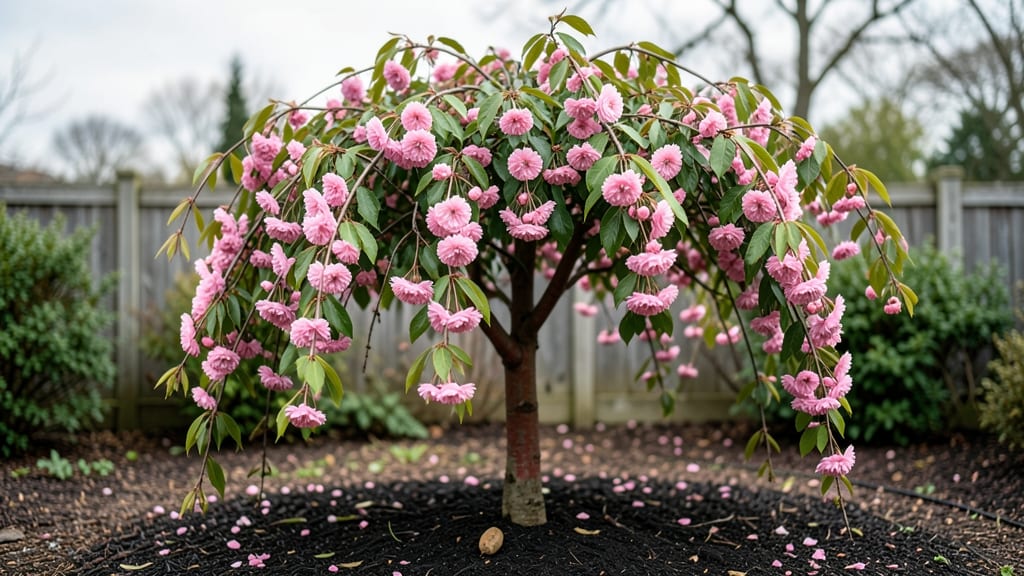
The weeping Japanese flowering cherry tree transforms any Pacific Northwest garden into a dreamy springtime scene. 🌸 Its cascading pink blossoms create a waterfall of color that feels like a secret only your yard should hold.
I’ve seen these trees turn ordinary spaces into breathtaking focal points—imagine your front yard becoming the envy of the neighborhood.
This tree isn’t just stunning—it’s built to handle our region’s frosts and wet winters. The right pruning keeps it healthy and full, ensuring those delicate blossoms return year after year.
Pair it with ferns, azaleas, or a gravel path to highlight its graceful form, and you’ll have a garden that feels both timeless and effortlessly chic.
You’ll love how it softens hard edges, frames patios, or even spills over a balcony. The cultural symbolism adds depth too—cherry blossoms represent renewal and fleeting beauty, making it a perfect centerpiece for any landscape. The key? Pruning at the right time to preserve that iconic weeping shape.
Whether you’re designing a new garden or refreshing an old one, this tree delivers drama with minimal fuss. Let’s make your outdoor space unforgettable—one carefully placed branch at a time.
📚 In This Guide
- What you need
- Instructions
- Tips and common mistakes
- Wrapping up and next steps
What you need
- ● Pruning shears: Bypass pruners (sharp, clean, and not anhedonia—think Felco F-2 or Gonicc G9 for precision). 1 pair (sterilize with rubbing alcohol between cuts!).
- ● Loppers: For thicker branches (½"–1½" diameter). 1 pair (e.g., Fiskars X27).
- ● Pruning saw: For branches >1½" (e.g., Bahco Ergo). 1 saw.
- ● Gloves: Heavy-duty, cut-resistant (e.g., Wolverine WaffleGrip). 1 pair (thorns are sneaky!).
- ● Disinfectant: 70% isopropyl alcohol or copper fungicide (to prevent disease spread). Small spray bottle.
- ○ Pruning sealant: Optional but helpful for larger cuts (e.g., Tanglefoot Tree Wound Pruning Seal). 1 tube.
- ● Ladder or step stool: Sturdy, tall enough to reach branches safely. 1 unit.
- ● Trash bags: For collecting pruned branches. 2–3 bags.
- ● Notebook & pencil: To sketch your pruning plan or jot down notes. 1 each.
- ● Weather check: Prune on a dry, calm day (avoid rain for 24 hours before/after).
- ● Timing: Late winter to early spring (just before buds swell—February–March in PNW).
- ● Safety gear: Long sleeves/pants (cherry trees have thorns!) and eye protection (e.g., safety goggles).
- ● Look for: Dead, crossing, or rubbing branches (priority cuts!).
- ● Avoid over-pruning: Remove no more than 25% of the canopy in one session.
- ● Shape gently: Weeping cherries rely on their graceful form—focus on opening the center for airflow.
Step-by-Step guide for pruning your weeping Japanese flowering cherry tree
Here's how to keep your Pacific Northwest beauty thriving year after year.
✂️ Step 1: Time Your Pruning for Optimal Growth
Prune your weeping Japanese flowering cherry immediately after blooming—typically in late spring or early summer. This timing ensures you don't remove next year's flower buds, which form on old wood. If you notice dead or diseased branches anytime, remove those promptly to prevent spread.
I always check the tree's blooms first. When the petals have fallen completely and new leaves are fully unfurling, that's your cue. Pruning too early risks cutting off flower buds, while waiting too long can stimulate late-season growth that won't harden off before winter.
✂️ Step 2: Remove Dead, Diseased, or Crossing Branches
Start by inspecting the tree for branches that are dead, diseased, or rubbing against others. Use sharp, clean pruning shears to make cuts at a 45-degree angle, about ¼ inch above a bud or outward-facing branch. Always cut just outside the branch collar to promote faster healing.
For larger branches over ½ inch thick, use loppers. I like to make the first cut about 12-18 inches out from the trunk on the underside, then follow with a second cut to remove the remaining wood. This prevents tearing. Remove any suckers at the base immediately—they drain energy from your tree.
✂️ Step 3: Thin the Canopy for Light and Airflow
Step back and look at your tree's overall shape. Weeping cherries naturally grow in a graceful arch, but dense growth can lead to fungal issues. Remove about 10-20% of the smallest branches to open the canopy. Focus on branches growing inward or downward that block light from reaching the center.
Never remove more than 25% of the tree's foliage in one season. You'll see where light struggles to penetrate by the yellowing leaves in shaded areas. Prune these branches first—they're competing with healthier growth for resources. For thick clusters, select one strong branch to keep and prune the others to the collar.
✂️ Step 4: Shape for Balance and Winter Resilience
Now's the time to refine the tree's natural weeping form. Look for branches that grow too upright or disrupt the graceful cascade. Prune these back to encourage more horizontal growth. For a 4-6 foot tree, aim to maintain a 3-4 foot spread at maturity.
In the Pacific Northwest's cooler climate, avoid heavy pruning that stimulates tender new growth. Instead, focus on creating an open center that allows air to circulate and prevents winter moisture buildup. After pruning, clean up all debris from the ground—this prevents fungal spores from overwintering and infecting your tree.
🌿 Step 5: Post-Pruning Care for Rapid Recovery
Water the tree deeply right after pruning to help it recover. Apply 1-2 inches of mulch around the base (but keep it 3 inches away from the trunk) to retain moisture and regulate soil temperature. Avoid fertilizing immediately—your tree needs time to heal before new growth begins.
Watch for new growth emerging from the pruned areas within 2-4 weeks. This is your sign the tree is recovering well. If you notice oozing sap at pruning cuts, it's normal—just leave it alone. The tree will seal the wound naturally. In late fall, apply a 2-3 inch layer of mulch to protect roots from freezing temperatures.
Tips & tricks for pruning your weeping Japanese flowering cherry
Here's what I've learned after years of keeping these graceful trees happy in our rainy Pacific Northwest climate.
Timing is Everything: The "immediately after blooming" window in Step 1 is critical—this is when your tree has finished flowering but hasn't yet started forming next year's buds. I've seen neighbors prune too early and lose their spring blooms completely. Look for completely fallen petals and fully unfurled leaves as your perfect cue. In our area, this usually falls in late May to early June, but always check your tree first!
Cutting Technique Matters: That 45-degree angle in Step 2 isn't just for looks—it creates a larger wound surface that heals faster. When pruning branches over ½ inch thick, remember the two-cut method: first cut 12-18 inches out prevents tearing, while the second clean cut removes the remaining wood. I've had to replace pruning shears after using dull ones that crushed branches—always keep your tools sharp!
Canopy Thinning Strategy: The 10-20% rule in Step 3 might seem abstract, so here's how I think about it: stand back and imagine sunlight streaming through your tree. Remove branches that block this light—these are the ones growing inward or downward. I always prioritize branches with yellowing leaves first, as they're clearly struggling to compete for resources.
Winter Prep Secret: After pruning, don't just leave the debris on the ground—collect all fallen leaves and small branches. This simple step prevents fungal spores from overwintering and infecting your tree. I keep a large tarp handy to make cleanup easier, and always dispose of pruned material in yard waste, not compost, to prevent disease spread.
Pro Tips for Weeping Japanese Flowering Cherry Tree
- Here's what I've learned after years of keeping these graceful trees happy in our rainy Pacific Northwest climate.
- Timing is Everything: The "immediately after blooming" window in Step 1 is critical—this is when your tree has finished flowering but hasn't yet started forming next year's buds.
- Cutting Technique Matters: That 45-degree angle in Step 2 isn't just for looks—it creates a larger wound surface that heals faster.
Frequently asked questions
Got questions about nurturing your weeping Japanese flowering cherry tree in the Pacific Northwest? You’re not alone! Here are answers to the most common queries—from pruning timing to frost resilience and beyond.
When is the best time to prune a weeping Japanese flowering cherry?
Prune your tree right after flowering (late spring to early summer) to avoid cutting off next year’s blooms. This timing also promotes healthy growth while minimizing stress. For frost-prone zones, wait until after the last frost date—typically May in the PNW—to prevent cold damage to fresh cuts.
How do I protect my weeping cherry from late frosts?
Use frost cloth or a lightweight row cover on young trees or newly pruned branches. Avoid heavy mulch near the trunk, as it can trap cold air. If frost is forecasted, water the soil deeply the day before—moist ground holds heat better. Mature trees often handle frost well, but delay pruning until all danger has passed!
Can I prune a weeping cherry tree in winter?
Winter pruning is not recommended for flowering cherries—they’re dormant, and cuts heal poorly in cold, wet PNW winters. If you must prune (e.g., for safety), do so sparingly in late winter (February) and avoid removing more than 20% of the canopy. Focus on dead or crossing branches only.
What’s the difference between pruning a weeping cherry and a standard cherry?
Weeping varieties need gentler shaping to preserve their graceful form. Avoid heavy thinning—focus on opening the canopy for airflow and light. Standard cherries can handle more aggressive pruning, but weeping types bloom on old wood, so prune selectively to maintain their signature cascading shape.
My weeping cherry’s branches are dying—what’s wrong?
Check for cankers, fungal spots, or sawdust-like frass (signs of borers). If branches are brown and brittle, prune them back to healthy wood. Over-pruning or poor circulation can stress the tree—ensure it gets 6+ hours of sunlight and well-draining soil. If issues persist, consult a local arborist for PNW-specific advice!
Wrapping up and next steps
The weeping Japanese flowering cherry tree brings unmatched beauty to the Pacific Northwest, and with the right frost-resilient pruning techniques, you can ensure its health and stunning blooms for years to come. 🌸 By understanding seasonal timing, proper tools, and gentle shaping, you’ll help this delicate tree thrive in your climate.
Now that you’re equipped with the knowledge, grab your pruners and give your tree the care it deserves—your garden will thank you with breathtaking spring displays!
Next step? Schedule your first pruning session during late winter or early spring and observe how your tree responds. Happy pruning!