Blooming
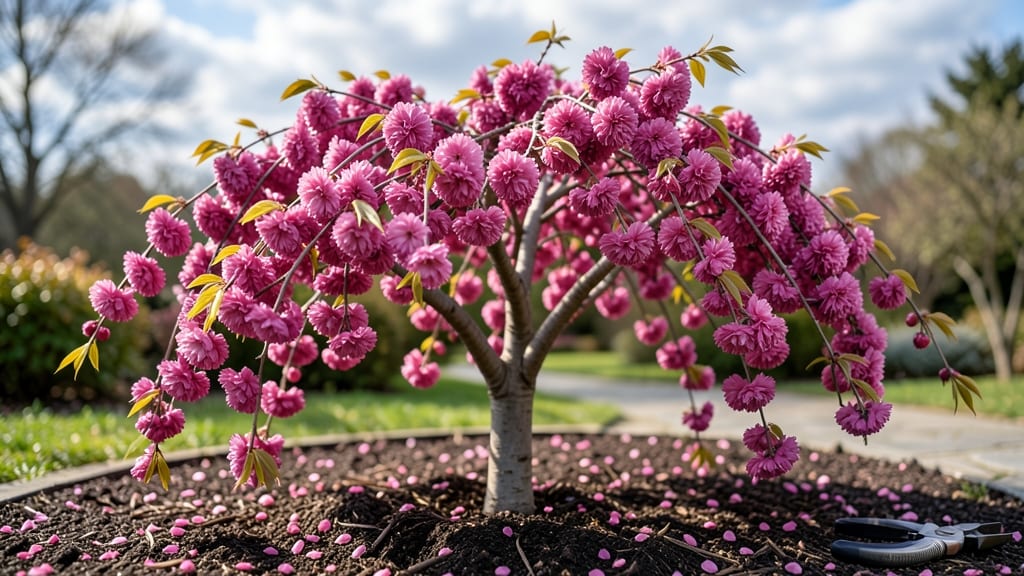
Planting a Japanese weeping cherry blossom tree in the Pacific Northwest means you get to enjoy its delicate pink blooms and its legendary frost resistance—something I learned the hard way after my first tree nearly died in a late spring freeze. 🌸 The secret lies in choosing the right location, soil, and timing, which turns this tree from a high-maintenance showstopper into a low-stress garden anchor.
These trees thrive in partial shade to full sun, making them perfect for your backyard’s sun-dappled spots or even as a striking street tree. The soil needs to drain well but stay moist—think rich, loamy garden soil mixed with a little compost.
Once established, they’re surprisingly drought-tolerant, but young trees need consistent watering to set strong roots.
What you’ll love most is how the tree’s arching branches create a dreamy, almost liquid canopy of blossoms in spring, followed by vibrant green foliage that turns soft yellow in fall.
Pruning is minimal—just remove dead wood in late winter—but the real magic happens when you let nature do the work.
For PNW gardeners, the key is planting in early fall or late winter to give roots time to establish before summer heat or winter frosts hit. With the right care, your weeping cherry will reward you with decades of effortless beauty—no fuss, just stunning views.
📚 In This Guide
- What you need
- Instructions
- Tips and common mistakes
- Wrapping up and next steps
What you need
- ● Tree: 1 Prunus serrulata ‘Pendula’ (Japanese weeping cherry) sapling or bare-root tree (5–6 ft tall for best frost resilience)
- ○ Optional: Pre-balanced bonsai starter kit (if miniaturized growth is desired)
- ● Soil & Amendments: 50 lbs well-draining loam soil (mix of topsoil, compost, and perlite/sand for aeration)
- ● 10 lbs organic compost or aged manure (for nutrient-rich base)
- ○ Optional: 2 lbs mycorrhizal fungi (boosts root health in PNW’s acidic soils)
- ● Planting Supplies: 1 5-gallon bucket (for watering/support during transplanting)
- ● 1 shovel (round-point for minimal root disturbance)
- ● 2–3 wooden stakes (4–5 ft tall) + soft tree ties (to secure weeping branches)
- ● Hardiness: Ensure your tree is USDA Zone 5–8 hardy (most weeping cherries tolerate PNW winters with proper mulching)
- ● Sunlight: Full sun (6+ hours/day)—choose a south/west-facing spot to maximize blooms
- ● Water Access: Drip irrigation system or hose with adjustable nozzle (cherries need 1–2 inches of water weekly)
- ● Frost Protection: Burlap wraps (for young trees in late spring/early fall)
- ● Anti-desiccant spray (e.g., Wilt-Pruf) to prevent winter burn
- ● 🌿 Test your soil’s pH—Japanese cherries prefer slightly acidic (6.0–6.5). Adjust with sulfur if needed.
- ● 🍂 Mulch heavily (3–4 inches of wood chips) to insulate roots during freeze-thaw cycles.
- ● 🐞 Monitor for pests like aphids or scale—neem oil spray is a PNW-friendly remedy.
Step-by-step guide for planting and caring for Japanese weeping cherry blossoms in the Pacific Northwest
These graceful trees thrive in our chilly climate—here's how to plant and nurture them for decades of spring blooms.
🌱 Step 1: Choose the Perfect Planting Site and Prepare the Soil
Japanese weeping cherries love full sun to partial shade, with at least 6 hours of sunlight daily for optimal blooming. In the Pacific Northwest's mild but wet winters, select a spot with good air circulation—this prevents fungal diseases that thrive in our damp climate. I always choose a location where the tree's graceful branches can cascade beautifully without blocking walkways or power lines.
Test your soil first—these trees prefer slightly acidic to neutral pH (6.0-7.0). If your soil is heavy clay (common in PNW), amend it with 2-3 inches of compost mixed into the top 12 inches of soil. The tree's roots will thank you by establishing faster in well-draining, fertile ground. Avoid planting in low spots where cold air settles—your young tree needs protection from late frosts.
🪴 Step 2: Plant at the Right Time and Depth
Fall is the best time to plant in the Pacific Northwest—6-8 weeks before first frost gives roots time to establish before winter. If you must plant in spring, do it as soon as the ground is workable (usually March-April). Dig a hole twice as wide as the root ball but no deeper—planting too deep suffocates roots and causes stress.
Gently remove the tree from its container and loosen any circling roots with your fingers. Place it in the hole so the top of the root ball sits level with the surrounding soil—never mound soil against the trunk. Backfill with native soil mixed with 1 part compost, tamping lightly as you go. Water deeply to settle the soil, then add 2-3 inches of mulch (keep it 6 inches away from the trunk to prevent rot).
☀️ Step 3: Water Deeply and Establish a Care Routine
Newly planted weeping cherries need consistent moisture—water deeply once a week during the first growing season, providing 1-2 gallons per week depending on rainfall. You'll know you've watered enough when the soil 12 inches deep stays consistently moist (use a trowel to check). Overwatering is just as bad as underwatering—these trees hate soggy roots.
Fertilize lightly in early spring with a balanced 10-10-10 fertilizer (about ½ pound per 100 square feet). Avoid high-nitrogen fertilizers—they promote leafy growth at the expense of flowers. Prune only to remove dead or crossing branches in late winter or early spring. Here's the thing—these trees are naturally graceful, so minimal pruning keeps their weeping habit intact.
✂️ Step 4: Protect from Late Frosts and Winter Winds
Pacific Northwest frosts can linger into April, threatening delicate blossoms. Watch for last frost dates in your area (usually mid-April in most regions) and have frost cloth ready. If frost threatens after buds swell, drape the cloth over the tree and secure it with stakes—remove it during the day to allow sunlight.
Young trees benefit from winter protection too. Wrap the trunk with tree guard to prevent rodent damage, and mound 4-6 inches of mulch around the base (but never against the trunk). Mature trees handle our winters well, but a thick layer of mulch helps insulate roots from freezing-thaw cycles. Real talk: I've seen these trees bounce back from 20°F nights with proper care—just don't let the soil freeze solid.
Tips & tricks for perfect Japanese weeping cherry blossom cultivation
Here's what nobody tells you about getting those dreamy spring blooms in our damp PNW climate.
Sunlight Strategy: I’ve planted these trees in spots that get 6 hours of sun but still struggle—turns out, the quality matters more than the quantity. South-facing locations with morning sun and afternoon shade work best in our climate. If you’re in a shady yard, choose a variety like 'Shirotae' that tolerates partial shade better. The key is avoiding harsh afternoon sun that can scorch leaves while still getting enough light for those iconic blossoms.
Soil Prep Secret: That 2-3 inches of compost isn't just about nutrients—it's about drainage. I’ve seen heavy clay soil turn into a swampy mess after winter rains. Mix in perlite or coarse sand if your soil feels sticky when squeezed. And here's a pro move: test your soil pH before planting. If it's below 6.0, add pelletized lime to raise it gradually—these trees hate acidic soil.
Planting Depth Watch: I once buried a root ball too deep and watched the tree struggle for years. The top should sit level with the surrounding soil—no higher, no lower. Use a level tool to check. If you're unsure, dig a reference hole next to your planting spot and compare. And here's what I learned the hard way: never mound soil against the trunk. That's a fast track to rot.
Winter Protection Hacks: That 20°F night you're worried about? It's not the cold that kills them—it's the freeze-thaw cycles. Mound mulch up to the trunk's base (but keep it 6 inches away) to create an insulating barrier. For extra protection, wrap the trunk with burlap or tree wrap after the first hard frost. And if you're really nervous about late frosts, consider installing a small fan to circulate air around the tree—it prevents frost pockets from forming.
Pro Tips for Japanese Weeping Cherry Blossom Tree
- Here's what nobody tells you about getting those dreamy spring blooms in our damp PNW climate.
- Sunlight Strategy: I’ve planted these trees in spots that get 6 hours of sun but still struggle—turns out, the quality matters more than the quantity.
- Soil Prep Secret: That 2-3 inches of compost isn't just about nutrients—it's about drainage.
Frequently asked questions
about growing Japanese weeping cherry blossom trees in the Pacific Northwest—because every gardener deserves clarity! Here are answers to common questions to help you cultivate these stunning bloomers with confidence.What’s the best time to plant a weeping cherry blossom in the PNW?
Plant your tree in early spring (March–April) or early fall (September–October) when temperatures are mild. This gives roots time to establish before summer heat or winter frost. Avoid planting in late fall—young trees may struggle with cold stress.
Are weeping cherry blossoms truly frost-resistant in the PNW?
Yes! Many cultivars (like Prunus subhirtella ‘Pendula’) tolerate USDA Zones 5–8, making them ideal for PNW winters. However, late spring frosts can damage blooms. Choose late-blooming varieties or use frost cloth for extra protection during vulnerable stages.
Can I grow a weeping cherry in a container? How big should the pot be?
While possible, weeping cherries thrive best in ground planting due to their size (20–30 ft tall/wide). If container-grown, use a minimum 24-inch diameter pot with well-draining soil and repot every 2–3 years. Expect slower growth and limited bloom potential compared to in-ground trees.
Why aren’t my weeping cherry blossoms opening? Troubleshooting tips.
Common culprits:
- Cold weather: Blooms need consistent warmth (above 50°F) to open. Wait it out—late frosts delay but don’t always kill buds.
- Improper pruning: Avoid cutting back flowering wood in late winter. Prune after blooming to shape the tree.
- Stress: Yellow leaves or stunted growth? Check for overwatering, poor drainage, or pests (like aphids or borers).
Pro tip: If buds swell but don’t open, try misting with water on warm days to encourage hydration.
What’s a good alternative if I want a smaller weeping cherry?
Consider these dwarf or compact varieties:
- Prunus ‘Kwanzan’ (dwarf grafted): Reaches 15–20 ft but blooms prolifically.
- Prunus ‘Shirotae’: White flowers, 15–20 ft tall, great for small yards.
- Prunus ‘Taihaku’: Double pink blooms, 20–25 ft (but slower-growing).
For true miniatures, explore Prunus ‘Snow Fountain’ (6–10 ft) or Prunus ‘Mount Fuji’ (10–15 ft).
Wrapping up and next steps
The Japanese weeping cherry blossom tree is a stunning addition to the Pacific Northwest’s landscapes, offering delicate beauty and resilience against frost. With the right soil, sunlight, and care, you can nurture its vibrant blooms year after year—whether in your garden or a cozy urban space. 🌸
Ready to bring this serene symbol of spring to life? Start by selecting your ideal cultivar, gathering your tools, and planning your planting spot. Your garden’s next masterpiece awaits—go ahead and plant the seeds of beauty today! 🌱