
Trees
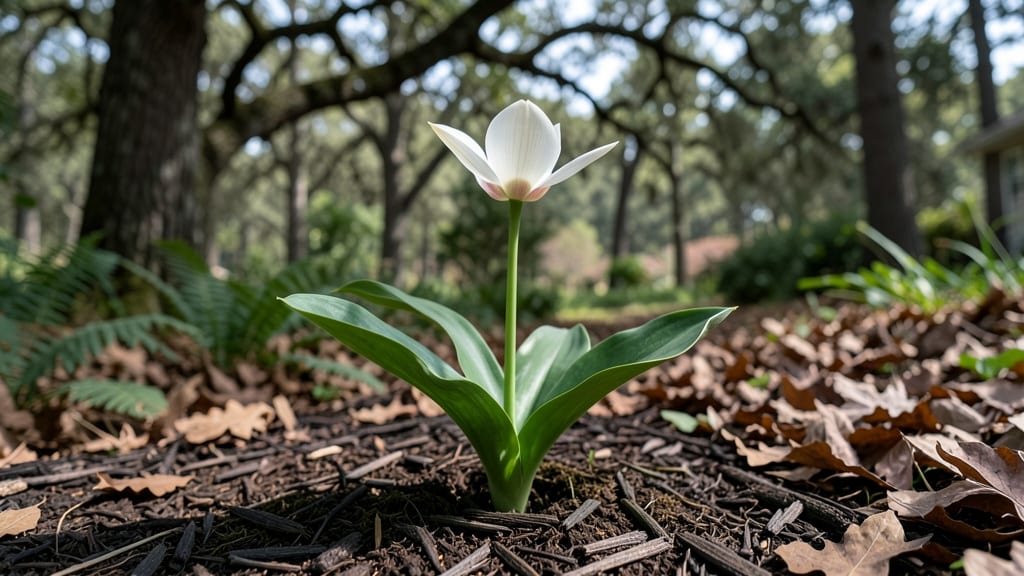
Creating a lush garden under oak trees in the Pacific Northwest isn't just possible—it's your chance to turn a challenging space into a serene, thriving retreat. 🌿 The key lies in embracing shade-loving plants that thrive where sunlight barely reaches, while working with—not against—the oak's natural quirks like acorn litter and competing roots.
Start with soil prep: spread a thick layer of 3-4 inches of mulch to suppress weeds and retain moisture, then choose plants like ferns, hellebores, and rhododendrons that flourish in dappled light. The right mulch—like cedar chips—also deters voles and keeps the area tidy without smothering roots.
What you'll end up with is a layered garden that feels like a secret forest glade: velvety hostas, delicate bleeding hearts, and even shade-tolerant vegetables like lettuce and spinach. The space becomes cooler, more private, and far more functional than bare ground.
This approach works year-round in PNW climates, from rainy winters to dry summers. The same principles apply whether you're working with a mature oak or a young sapling—just adjust plant spacing and mulch depth as the tree grows.
📚 In This Guide
- What you need
- Instructions
- Tips and common mistakes
- Wrapping up and next steps
What you need
- ● Native shade-tolerant plants: 10–15 varieties (e.g., Sword ferns, salal, Oregon grape, vanilla leaf, and rhododendrons). Aim for 2–3 plants per square foot.
- ● Mulch: 2–3 cubic yards of cedar chips or bark (3–4 inches deep) to retain moisture and suppress weeds.
- ● Compost: 1–2 cubic yards of well-aged compost (mix 50% compost, 50% native soil).
- ● Slow-release fertilizer: 10–20 lbs of balanced organic fertilizer (10-10-10 or similar) for nutrient-rich soil.
- ● Drip irrigation or soaker hoses: 50–100 feet of tubing + emitters (adjust based on garden size).
- ● Garden stakes & twine: 20–30 stakes (6–12 inches long) for plant support.
- ● Garden fork or spade: For aerating soil and planting roots.
- ● Pruners: Sharp, bypass pruners for trimming plants and oak branches.
- ● Wheelbarrow or bucket: For hauling soil, mulch, and tools.
- ● Garden gloves: Heavy-duty to protect from thorns and rough bark.
- ● Measuring tape & string: To mark out garden beds (10–15 feet wide for optimal airflow).
- ● Knee pads: Because comfort matters!
- ● Shade cloth: 30%–50% density to protect seedlings from harsh PNW sun.
- ● Rocks or stepping stones: For pathways (10–15 pieces, depending on layout).
- ● Birdhouses or feeders: To attract pollinators and deter pests.
- ● Soil pH test kit: Ensure acidity (pH 5.0–6.5) for optimal plant health.
- ● Oak leaf litter: Collect fallen leaves to naturally enrich soil over time.
Step-by-step guide for designing a thriving shade garden under oak trees
Here’s how to turn that dappled shade into a lush, low-maintenance garden—perfect for Pacific Northwest conditions.
🌱 Step 1: Assess the Shade and Soil
Start by mapping the shade patterns under your oak trees. Walk through the area at different times of day to note where light filters through—this will determine where to place sun-loving versus shade-tolerant plants. Oak trees create dappled shade, so some spots will get 2-4 hours of morning sun, while others remain deep in shadow.
Dig a small test hole to check the soil. In the Pacific Northwest, shade gardens often struggle with compacted, acidic soil from years of leaf litter. Amend the top 6 inches with 3-4 inches of compost (like the 2 cubic yards you’ll need for this project) to improve drainage and fertility. If the soil feels heavy or smells musty, mix in 1 part perlite for every 3 parts soil to loosen it up.
☀️ Step 2: Select the Right Plants for Layered Beauty
For deep shade (less than 2 hours of light), focus on hostas, ferns, hellebores, and lungwort—they thrive where others fail. In partial shade (4+ hours of light), add astilbes, bleeding hearts, and Japanese anemones for color and texture. I like to group plants by height: tall perennials (5+ feet) like foxgloves in the back, mid-height (2-4 feet) like coral bells in the middle, and ground covers (6 inches or less) like sweet woodruff up front.
Here’s the thing—avoid competitive plants like rhododendrons or azaleas near oak trees. Their roots compete aggressively, and oak roots release allelopathic chemicals that stunt growth. Stick to native Pacific Northwest species like sword ferns, Oregon grape, and salal—they’re already adapted to the conditions.
💧 Step 3: Mulch and Water Strategically
Spread 3-4 inches of shredded bark mulch (like the 1 cubic yard you’ll use) over the soil to suppress weeds and retain moisture. Mulch breaks down slowly, so top it up every spring and fall. In the first year, water deeply once a week—aim for 1 inch of water per session—to encourage deep root growth. After that, water only when the top 2 inches of soil feel dry, which in shade gardens might mean every 10-14 days during dry spells.
I know it seems counterintuitive, but overwatering is worse than underwatering in shade. Too much moisture leads to root rot, especially in compacted soil. Use a soil moisture meter to check—if it reads damp at 2 inches deep, wait before watering again.
✂️ Step 4: Maintain and Refresh Seasonally
In early spring, remove any dead foliage from the previous year and add a light layer of compost (about ½ inch) to feed the soil. This is also the time to divide crowded perennials like hostas—every 3-4 years, they’ll outgrow their space and flower less vigorously. Simply dig up the clump, split it into 3-inch sections, and replant.
In late fall, cut back tall, woody stems (like astilbes) to 4 inches above the ground to keep the garden tidy. Leave fern fronds and ornamental grasses standing—they provide winter interest and shelter for beneficial insects. If any plants look stressed (yellow leaves, stunted growth), they might need more light or better-draining soil.
Tips & tricks for perfect Pacific Northwest shade gardens
Between us, these simple adjustments will help you avoid the most common shade garden pitfalls—and create a thriving space under your oak trees.
Light Mapping Strategy: I can't stress enough how important it is to map your shade patterns before planting. Walk through your space at different times of day—morning light behaves differently from afternoon light. Mark areas that get only 2-4 hours of morning sun with flags or stakes. These spots are perfect for shade-loving plants like hostas, while areas with more dappled light can handle astilbes or bleeding hearts. This simple step prevents the heartbreak of planting sun-lovers where they'll struggle.
Soil Prep Secret: The 6 inches of soil you're amending is where all the action happens. Here's what nobody tells you—after mixing in your 3-4 inches of compost and perlite, let the amended soil sit uncovered for 24 hours before planting. This gives the organic matter time to start breaking down and improves water absorption. I've seen gardens fail because people plant immediately after amending—give it that extra day!
Plant Layering Hack: When arranging your plants by height, think vertically too. Tall perennials like foxgloves create natural shade for lower plants, while ground covers like sweet woodruff prevent weeds from stealing nutrients. Pro tip: Place your tallest plants on the north side of your garden area to avoid shading shorter plants that need some light. This creates a natural progression that looks intentional and thrives under oak trees.
Watering Wisdom: That first year's weekly deep watering is crucial, but here's the thing about shade gardens—overwatering is the silent killer. After the initial year, check soil moisture at 2 inches deep with your finger or moisture meter before watering. In our Pacific Northwest climate, you might go 10-14 days between waterings even during dry spells. The mulch you've added will help maintain that moisture balance, but don't let it fool you into thinking you can skip watering entirely.
Pro Tips for Under Oak Trees
- Between us, these simple adjustments will help you avoid the most common shade garden pitfalls—and create a thriving space under your oak trees.
- Light Mapping Strategy: I can't stress enough how important it is to map your shade patterns before planting.
- Soil Prep Secret: The 6 inches of soil you're amending is where all the action happens.
Frequently asked questions
What types of oak trees thrive in the Pacific Northwest?
The region is home to stunning native oaks like Garry oak (Quercus garryana), white oak (Quercus garryana var. breviloba), and coast live oak (Quercus agrifolia). These species handle the area’s mild, wet winters and dry summers beautifully. If you’re planting new oaks, choose disease-resistant varieties to avoid issues like oak wilt.
How long does it take for a shade garden to mature under oak trees?
Patience is key! Most shade-loving perennials and shrubs establish within 1–3 years, while slower growers (like ferns or rhododendrons) may take 3–5 years to reach full potential. Oak trees themselves can take 10–20 years to provide dense shade, so plan your garden in phases—start with fast-growing ground covers and layer in slower plants.
Are there alternatives to traditional shade plants for under oak trees?
While classic shade plants like heuchera and hostas work, consider Pacific Northwest natives like salal (Gaultheria shallon), vine maple (Acer circinatum), or western sword fern (Polystichum munitum). These thrive in low light and acidic soil while supporting local wildlife. Pro tip: Avoid invasive species like English ivy—they can strangle young oaks!
Why are my plants struggling under oak trees?
Oak trees can be competitive! Common issues include root competition (oaks have shallow, aggressive roots), acidic soil (from leaf litter), and dry shade (limited sunlight = less evaporation). Fix it: Test your soil (aim for pH 5.0–6.5), mulch heavily with cedar or pine needles, and water deeply but infrequently to encourage deep root growth.
When is the best time to plant under oak trees?
Timing matters! Plant bare-root perennials in early spring (March–April) or container-grown plants in fall (September–October) to avoid summer drought and winter stress. Avoid planting when the oak is dropping leaves (fall) or sprouting new growth (late spring)—this reduces competition for water and nutrients.
Wrapping up and next steps
Creating a serene Pacific Northwest shade garden under oak trees is more than just landscaping—it’s an invitation to slow down and reconnect with nature. 🌿 The key takeaway? Thoughtful plant selection, layered textures, and a touch of local charm transform even the shadiest spots into thriving, low-maintenance havens.
Whether you’re a seasoned gardener or a beginner, the right tools, patience, and a dash of creativity will make all the difference.
Ready to turn your oak-shaded space into a lush retreat? Start small—pick one or two plants from this guide, test the soil, and observe how your garden evolves. Every little step brings you closer to that dreamy, dappled-light oasis. Happy planting! 🌱