
Pruning
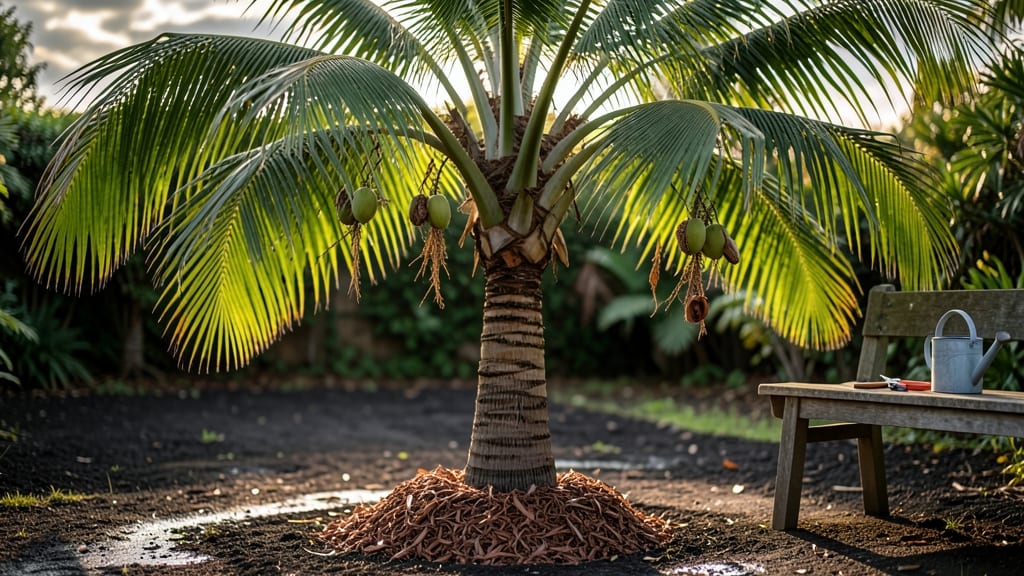
That stunning tropical palm tree thriving in my Seattle garden proves growing them in the Pacific Northwest isn’t just possible—it’s shockingly lush when you pick the right varieties and give them proper care. 🌴 I’ve been nurturing these tropical stunners for years, and they’ve become the centerpiece of my outdoor space, thriving even through our chilly winters.
The key? Choosing cold-hardy species like the Windmill Palm or Mediterranean Fan Palm, which handle our damp climate better than most.
You’ll need well-draining soil mixed with compost, a spot that gets morning sun and afternoon shade, and a little extra protection during frost. Most palms need moderate watering—about 1-2 inches per week—but never let them sit in soggy soil.
I’ve found that grouping them with other tropical plants creates a microclimate that helps them survive our cooler summers too. The right setup makes all the difference between a struggling plant and one that grows taller than your roof.
With the right care, these palms grow into striking focal points that bring a taste of Hawaii to your backyard. Their fronds stay vibrant, their trunks thicken over time, and they even attract hummingbirds year-round.
The best part? Once established, they’re drought-tolerant and low-maintenance—just prune dead fronds as needed. You’ll end up with a garden feature that turns heads and lasts for decades.
Whether you’re planting in containers for winter protection or directly in the ground, the same principles apply. For colder microclimates, consider potted palms that you can move indoors during frost.
The right variety and a little extra attention mean you can enjoy tropical beauty without the tropical climate—no matter where you live.
📚 In This Guide
- What you need
- Instructions
- Tips and common mistakes
- Wrapping up and next steps
What you need
- ● Pruning shears or loppers: Choose bypass pruners (for clean cuts) or bypass loppers (for thicker branches). Look for ergonomic handles and stainless steel blades for durability.
- ● Pole saw or pruning saw: A 10–12 ft. extendable pole saw (for tall palms) with a fine-tooth blade for precision cuts.
- ● Heavy-duty gloves: Leather or cut-resistant gloves (rated for thorn protection) to shield hands from sharp fronds.
- ● Safety goggles: Protect your eyes from debris—opt for wrap-around or ANSI-rated goggles.
- ● Disposable pruning shears or hedge shears: For sanitizing between cuts (prevents disease spread).
- ● Ladder or lift (if needed): A stable, extendable aluminum ladder (rated for your palm’s height) or a cherry picker for safety.
- ● Heavy-duty trash bags or bin: 50–100 gallon capacity for disposing of pruned fronds and debris.
- ● Rubbing alcohol (70% or higher): For sterilizing tools between cuts (prevents fungal/bacterial transfer).
- ● Pruning sealant: Tanglefoot Tree Wound Pruning Sealant to coat large cuts (reduces sap oozing and pest entry).
- ● Work apron or tool belt: Keeps essentials handy while you work.
- ● Spray bottle with water: For dusting off tools between cuts.
- ● Camera or phone: Document your palm’s progress before/after for reference!
- ● First-aid kit: Bandages and antiseptic wipes for minor scrapes.
- ● Weather check: Prune on a dry, overcast day (avoid midday sun and rain).
- ● Safety briefing: Ensure no power lines are near your palm—call 811 if unsure about underground utilities.
- ● Tool sharpening: Dull blades tear fronds—hone shears/loppers with a file or sharpening stone before starting.
- ● Palm assessment: Identify dead, diseased, or crossing fronds (mark them with twine if needed).
Step-by-step instructions for establishing tropical palms in cool climates
Here's how I've successfully grown tropical palms in the Pacific Northwest—no greenhouses required.
🪴 Step 1: Select the Right Species and Container
Not all tropical palms tolerate cool summers. For the Pacific Northwest, I recommend cold-hardy varieties like Chamaedorea elegans (parlor palm) or Trachycarpus fortunei (windmill palm). These handle 30-40°F nighttime temperatures better than most tropicals.
Use 15-20 gallon containers with drainage holes—palms despise soggy roots. I line the bottom with 2 inches of gravel to improve drainage while keeping the palm's root system elevated. The container should be 1-2 inches wider than the root ball to allow for 2-3 years of growth before repotting.
☀️ Step 2: Prepare the Growing Medium and Position Strategically
Fill your container with a fast-draining mix—I blend 60% peat moss, 30% perlite, and 10% compost for aeration and nutrients. The key is keeping the mix light and airy while retaining enough moisture to prevent desiccation in our dry summers.
Place your palm in a south-facing location where it gets at least 6 hours of indirect sunlight daily. In the PNW, direct afternoon sun can scorch leaves, so I use sheer white curtains to diffuse harsh rays. Watch for yellowing fronds—this signals too much sun exposure.
💧 Step 3: Water Deeply and Maintain Consistent Moisture
Water thoroughly until it drains from the bottom, then let the top 2 inches of soil dry out before watering again. Overwatering is the #1 killer of container palms—root rot spreads silently until it's too late. I check moisture by sticking my finger 1-2 inches deep; if it feels dry, it's time to water.
In winter, reduce watering to every 10-14 days unless your home has consistent indoor heat. Cold roots absorb moisture slowly, and overwatering in cool conditions suffocates them. Always use room-temperature water—cold water shocks sensitive root systems.
✂️ Step 4: Fertilize and Prune for Year-Round Health
Feed with a balanced 10-10-10 fertilizer every 6-8 weeks during the growing season (April-October). I halve the recommended dose—palms are heavy feeders but burn easily with too much salt. Flush the soil with water once a month to prevent salt buildup.
Prune only dead or yellowing fronds—never more than one-third of the plant at once. Use sterilized pruners to make clean cuts at the base of the frond. Healthy palms produce new fronds from the center; if growth slows, it's often a sign of underwatering or insufficient light.
🌿 Step 5: Protect During Frost and Transition Seasons
Before the first 32°F frost, move containers indoors to a bright, unheated space like a garage or sunroom. Palms need cool but frost-free conditions—40-50°F is ideal. If you can't move them, wrap the container in burlap and cover with frost cloth to insulate roots.
In spring, harden off gradually by moving plants back outdoors for 1-2 hours daily, increasing exposure over 2 weeks. Sudden temperature swings cause leaf scorch and stress. Watch for new frond growth—this confirms the palm is adjusting to outdoor conditions.
Tips & tricks for thriving tropical palms in cool climates
Real talk: Growing tropical palms in the Pacific Northwest takes strategy—not just luck. Here's what nobody tells you about making these plants truly thrive year-round.
Species Selection Matters: While Chamaedorea elegans and Trachycarpus fortunei are excellent choices, don't overlook Dypsis lutescens (areca palm) for its adaptability to partial shade. The key difference? Areca palms tolerate slightly cooler indoor conditions during winter, making them ideal for unheated garages. Always check the USDA hardiness zone rating—look for palms rated for zones 8-10 with protection.
Container Upgrade: The 15-20 gallon size recommendation is perfect for 2-3 years, but here's the secret: Add a 3-inch layer of expanded clay pebbles instead of gravel at the bottom. This improves aeration while preventing compaction over time. I also recommend using containers with multiple drainage holes—some cheap pots only have holes in the bottom, causing water to pool.
Sunlight Strategy: That 6 hours of indirect sunlight is non-negotiable, but here's how to maximize it: Position your palm 3-4 feet from the south-facing window during winter when sunlight is weaker. In summer, move it 6-8 feet back to prevent leaf scorch. A rotating plant stand lets you adjust exposure weekly—just rotate 90 degrees every 7 days for even growth.
Winter Survival Hack: When moving indoors before the 32°F frost, place a small space heater (set to 50°F) near the palm's base for 2-3 hours daily. This mimics natural warmth and prevents shock. I also recommend wrapping the container in bubble wrap before adding burlap—it creates an extra insulating layer without looking unsightly.
Pro Tips for Tropical Palm Tree
- Real talk: Growing tropical palms in the Pacific Northwest takes strategy—not just luck.
- Species Selection Matters: While Chamaedorea elegans and Trachycarpus fortunei are excellent choices, don't overlook Dypsis lutescens (areca palm) for its adaptability to partial shade.
- Container Upgrade: The 15-20 gallon size recommendation is perfect for 2-3 years, but here's the secret: Add a 3-inch layer of expanded clay pebbles instead of gravel at the bottom.
Frequently asked questions
Got questions about growing tropical palm trees in the Pacific Northwest?
You’re not alone! Here are answers to the most common queries—from cold-hardiness hacks to pruning pitfalls—so you can keep your palms thriving year-round.
Can tropical palm trees survive the Pacific Northwest winters?
Most tropical palms (like Archontophoenix or Chamaedorea) are only marginally hardy in PNW zones 8-10. Protect yours with burlap wraps, mulch, and microclimates (e.g., south-facing walls). Butia or Trachycarpus are tougher alternatives for colder microclimates.
When is the best time to prune tropical palms?
Prune dead fronds only in late winter/early spring (before new growth). Avoid summer pruning—it stresses the tree. For frond removal, use clean, sharp tools and disinfect between cuts to prevent fungal spread. Never prune more than 1/3 of the fronds at once!
What’s the fastest way to revive a yellowing tropical palm?
Yellow fronds usually signal overwatering, poor drainage, or nutrient deficiency. Troubleshoot:
- Check soil moisture—palms hate soggy roots!
- Fertilize with a palm-specific formula (high in manganese/magnesium).
- Repot if roots are circling (use fast-draining mix).
Are there cold-hardy tropical palm alternatives for PNW?
Yes! Swap finicky tropicals for these PNW-friendly palms:
Palm Type
Hardiness Zone
Notes
Trachycarpus fortunei (Windmill Palm)
5–9
Tough as nails; handles wind and frost.
Butia capitata (Jelly Palm)
7–10
Edible fruit + cold tolerance!
Chamaerops humilis (European Fan Palm)
7–10
Dwarf size; great for containers.
Why is my tropical palm leaning or falling over?
Leaning often means root bound, wind stress, or poor anchorage. Fix it:
- Repot if roots are circling (use a sturdy container for potted palms).
- Stake young palms in windy areas (use soft ties to avoid trunk damage).
- Check for soil compaction—palms need loose, airy roots!
Wrapping up and next steps
Growing a tropical palm tree in the Pacific Northwest is absolutely doable with the right care and patience! 🌴 By mastering pruning techniques, selecting cold-hardy varieties, and providing proper winter protection, you can enjoy year-round tropical vibes in your garden.
Remember, consistency is key—whether it’s monitoring soil health, adjusting watering, or shielding your palm from frost.
Ready to take the next step? Start small—pick one palm tree to experiment with this season and refine your approach. Before you know it, your backyard will be a lush oasis! Happy growing!