
Pruning
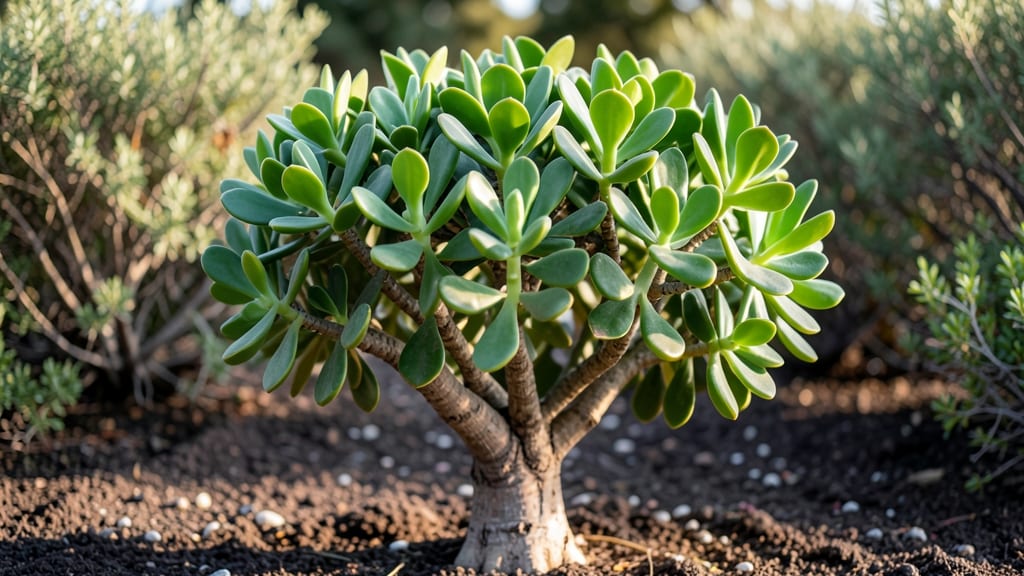
Caring for a jade tree outdoors in the Pacific Northwest means embracing its desert roots while shielding it from relentless rain and cool summers. 🌿 I’ve watched mine thrive through winters that would kill most succulents—here’s how to replicate that success without losing your plant to soggy soil or frostbite.
The key lies in mimicking its native habitat: bright, indirect light (even in overcast PNW skies), fast-draining soil (think cactus mix with perlite), and watering only when the soil is bone-dry.
Overwatering is the silent killer—your jade stores water like a camel, not a houseplant. In-ground plantings need shelter from wind, while potted specimens can move indoors before winter’s first frost.
You’ll see thick, glossy leaves and sturdy branches that defy the region’s damp climate. Prune sparingly in spring to shape the tree, and watch it reward you with blooms in late winter—a rare treat in our gloomy corner of the country.
The secret? A little pampering goes a long way.
Whether you’re growing it in a container on your deck or planting it in well-drained soil, the same rules apply: light, drainage, and patience. The PNW’s challenges just make the victories sweeter—imagine a jade tree standing tall through our rainy winters, its leaves still plump and proud.
📚 In This Guide
- What you need
- Instructions
- Tips and common mistakes
- Wrapping up and next steps
What you need
- ● Well-draining potting mix (5+ gallons) – Use a blend of cactus/succulent soil (60%), perlite or pumice (20%), and compost (20%) for optimal aeration.
- ● Container with drainage holes – Minimum 12-inch diameter (or larger for mature trees); terracotta or ceramic preferred.
- ● Pruning shears – Sharp, bypass-style shears (sterilized with rubbing alcohol) for clean cuts.
- ● Gloves – Heavy-duty gardening gloves to protect from sap and thorns.
- ● Watering can with a narrow spout – For precise hydration (avoid overhead watering).
- ○ Mulch (optional but recommended) – Gravel or coarse sand (1–2 inches) to prevent soil compaction.
- ● Shade cloth (30–50%) – Protect from harsh summer sun (PNW’s intense UV can scorch leaves).
- ● Frost cloth or burlap wraps – For winter protection (below 30°F; PNW’s wet winters can stress jade trees).
- ● Slow-release fertilizer (balanced 10-10-10) – 1 tsp per gallon of soil, applied spring and early summer only.
- ○ Moisture meter (optional) – Ensures soil stays dry but not bone-dry (PNW’s damp winters demand caution!).
- ● 💡 Test drainage: Bury the pot in a tray of water for 10 mins—if water pools at the bottom, add perlite.
- ● ✨ PNW hack: Elevate pots on feet or bricks to improve airflow and prevent rot from winter rains.
- ● 🌡️ Winter prep: Move pots to a sheltered spot (e.g., against a south-facing wall) to buffer wind chill.
Instructions for establishing a hardy jade tree in Pacific Northwest conditions
Here’s how to give your jade tree the perfect outdoor foundation—where it thrives despite cool, damp winters.
🪴 Step 1: Select the Right Spot and Prepare the Soil
Jade trees crave full sun, so choose a south-facing location where they’ll get at least 6 hours of direct light daily. In the Pacific Northwest’s cloudy seasons, supplement with a bright grow light for 4-6 hours if needed. The soil must drain like sand—amend heavy garden soil with 50% coarse sand or perlite to prevent root rot. I dig a hole twice as wide as the root ball but only as deep as the container’s drainage holes.
Test drainage by filling the hole with water—if it doesn’t drain within 10 minutes, add more sand or gravel. Jade trees hate soggy feet, and this simple check prevents years of struggle. Place a 2-inch layer of gravel at the bottom of the hole for extra insurance.
☀️ Step 2: Transplant Carefully and Acclimate Gradually
Remove the plant from its container and loosen any circling roots with your fingers—never cut them, just tease them outward. Set the jade tree in the hole so the top of the root ball sits 1 inch above ground level. Backfill with the amended soil, pressing gently to eliminate air pockets but avoiding compaction.
Water deeply right after planting to settle the soil, then wait 3-5 days before watering again. This break lets roots establish without encouraging fungal growth. Over the next 2 weeks, move the plant outdoors for 1-2 extra hours each day, shielding it from direct sun to prevent leaf scorch. Watch for new growth—it’s your signal the transition is working.
💧 Step 3: Master Watering for Pacific Northwest’s Unpredictable Weather
Jade trees store water in their stems, so they despise consistent moisture. Water only when the top 2 inches of soil feel completely dry, and then soak until water runs out the drainage holes. In summer, this might mean every 7-10 days; in winter, once a month is often enough. Overwatering is the #1 killer—yellowing leaves or mushy stems mean you’re drowning the roots.
Mulch with 2-3 inches of gravel (not organic mulch) to keep roots cool and prevent soil-borne diseases. The Pacific Northwest’s damp winters make fungal issues common, and this simple layer acts as a barrier. Fertilize lightly in spring with a balanced 10-10-10 formula, but skip feeding in fall and winter—jade trees go dormant naturally when nights cool below 50°F.
✂️ Step 4: Prune for Shape and Health Year-Round
Prune in late winter or early spring before new growth begins. Use sterilized shears to cut just above a leaf node, never leaving stubs. Remove any dead, diseased, or crossing branches first—they’re entry points for pests. Jade trees respond well to shaping, so pinch back leggy growth to encourage bushier form. Here’s the thing—never prune in fall. New growth won’t harden off before winter, and tender shoots invite frost damage.
Watch for mealybugs (white cottony clusters) or scale (brown bumps on stems) in spring. Wipe leaves with a 70% isopropyl alcohol solution on a cloth for minor infestations. Severe cases need neem oil spray applied in the evening when bees aren’t active. Pruning wounds take 2-3 weeks to callus over, so avoid heavy cuts during rainy periods.
Tips & tricks for perfect jade tree establishment
Between us, the Pacific Northwest’s damp climate makes jade tree care tricky—but these insights will help you avoid common pitfalls and set your plant up for success.
Light Supplement Strategy: That 4-6 hours of grow light in Step 1 is non-negotiable during winter months. Position your grow light 12-18 inches above the plant and use a timer to automate it—consistency matters more than intensity. I’ve seen jade trees struggle when grow lights are placed too far away or used sporadically.
Soil Test Hack: For the 10-minute drainage test in Step 1, use a clear plastic cup instead of the hole—it’s easier to monitor. If water disappears in under 5 minutes, you’re golden. If it’s still standing after 15 minutes, add more perlite or sand to your mix. The goal is to mimic desert conditions where jade trees naturally thrive.
Acclimation Timeline: During those 2 weeks of gradual outdoor exposure in Step 2, I recommend starting with just 30 minutes on day one, then adding 30 minutes each subsequent day. This slow approach prevents leaf scorch from sudden sun exposure—a mistake I made early on that left my first jade tree looking like it had sunburn.
Winter Survival Tip: When nights drop below 50°F in winter, move your jade tree to a protected location like a garage or covered patio. Even though it’s technically hardy, the combination of damp air and cold temperatures creates the perfect conditions for fungal diseases. A simple plastic plant cover works wonders for overnight protection.
Pro Tips for Jade Tree Care Outdoors
- Between us, the Pacific Northwest’s damp climate makes jade tree care tricky—but these insights will help you avoid common pitfalls and set your plant up for success.
- Light Supplement Strategy: That 4-6 hours of grow light in Step 1 is non-negotiable during winter months.
- Soil Test Hack: For the 10-minute drainage test in Step 1, use a clear plastic cup instead of the hole—it’s easier to monitor.
Frequently asked questions
Got questions about keeping your jade tree happy outdoors in the Pacific Northwest? You’re not alone!
Here are the most common concerns—and straightforward answers—to help you nurture your Crassula ovata like a pro.
Can a jade tree survive winter outdoors in the PNW?
A jade tree can handle mild PNW winters (USDA Zones 9-11), but heavy rain, frost, or winds below 30°F (-1°C) can damage it. Pro tip: Move potted jades to a sheltered spot (like a garage or under an overhang) or wrap the pot in burlap for insulation. If your tree is in the ground, mulch heavily around the base to protect roots.
When should I prune my outdoor jade tree?
Prune in early spring (March–April) to encourage bushier growth before the growing season. Avoid heavy pruning in fall or winter, as the plant enters dormancy. Bonus: Snip just above a leaf node (not bare stems) to promote new branches. Wear gloves—jade sap can irritate skin!
How do I revive a jade tree with yellow leaves?
Yellow leaves often signal overwatering or root rot. Let the soil dry completely between waterings (stick your finger 2 inches deep—if damp, wait!). Repot in well-draining cactus/succulent mix if roots smell sour. Trim dead leaves with clean scissors and reduce watering until the plant perks up.
Are there cold-hardy alternatives to jade trees for PNW gardens?
If jades struggle in your climate, try these low-maintenance succulents:
- Sedum (Stonecrop): Thrives in Zones 3–10, handles frost, and blooms!
- Echeveria: Rosette-shaped and drought-tolerant (great for containers).
- Sempervivum (Hens & Chicks): Hardy to Zone 4 and spreads easily.
All three love full sun and well-draining soil—just like jades!
Why is my jade tree dropping leaves in fall?
Fall leaf drop is normal as jades prepare for winter. However, if leaves turn brown and crispy, it’s a sign of underwatering or sunburn (common in PNW’s bright but cool fall days). Move your tree to partial shade if leaves scorch, and water lightly to keep soil slightly moist—not soggy.
Still stumped? Snap a photo of your jade’s issue and tag us—we’re happy to help troubleshoot!
Wrapping up and next steps
Caring for your jade tree outdoors in the Pacific Northwest is totally doable—just follow the right steps! With proper pruning, sunlight exposure, and seasonal adjustments, your jade tree can thrive year-round, even in cooler climates. 🌿 Remember, consistency is key, and a little patience goes a long way.
Now that you’re armed with the know-how, take the next step—head outside, grab your pruners, and give your jade tree the love it deserves! Whether it’s shaping it for the season or checking its soil, your green buddy will thank you with vibrant growth. 🌱✨