Succulent
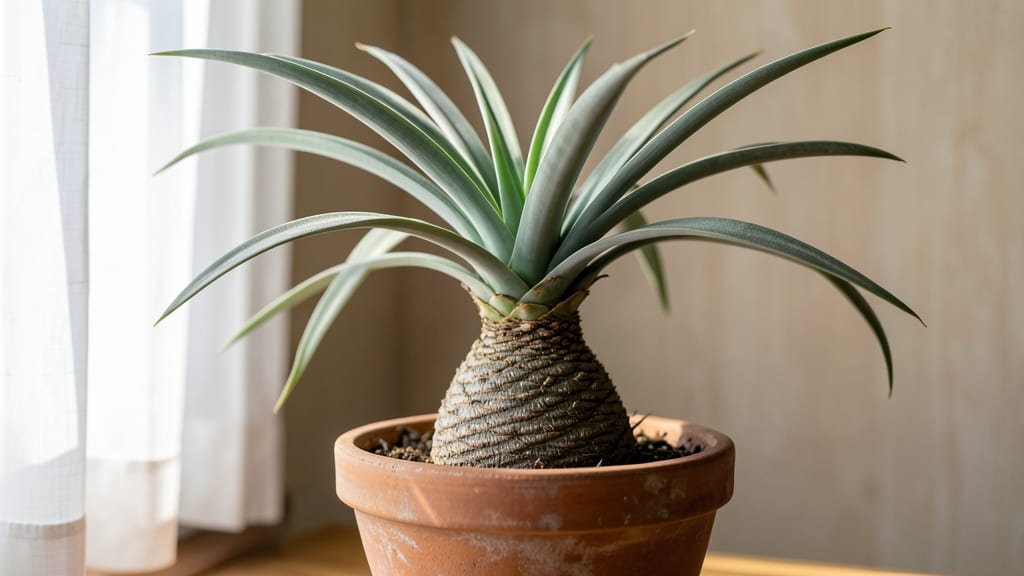
Growing a succulent palm tree in the Pacific Northwest means embracing a plant that thrives where others falter—drought-tolerant yet adaptable to cooler climates. 🌿 The confusion starts here: no true "succulent palm" exists, but Dracaena marginata (often called "dragon tree") or Yucca elephantipes (spineless yucca) mimic the look with their woody trunks and lush foliage.
These aren’t palms, but they deliver the same architectural drama without the fuss.
Your plant’s success hinges on three things: fast-draining soil, minimal watering, and bright, indirect light. Skip the heavy potting mix—opt for cactus/succulent blend with perlite to prevent root rot. Water only when the top inch of soil is bone-dry, and never let it sit in saucers.
Pacific Northwest’s damp winters demand extra vigilance: reduce watering to once every 3-4 weeks, and watch for yellowing leaves, a classic overwatering red flag.
With the right care, your "succulent palm" will reward you with bold, arching fronds and a trunk that thickens over years. Pair it with Sedum morganianum (string of pearls) for trailing contrast or Echeveria in containers to create a desert-inspired oasis that survives rain and shade.
The key? Treat it like a succulent, not a tropical—patience and precision pay off in a plant that looks like it belongs in a Mediterranean courtyard, not a misty backyard.
Here’s the game-changer: prune leggy stems in early spring to encourage bushier growth, and wipe leaves occasionally to keep them dust-free. If pests like mealybugs appear, dab them off with rubbing alcohol—no harsh chemicals needed.
Your "palm" will thrive as long as you mimic its native dry conditions, even in Seattle’s damp air. Ready to grow one that turns heads?
📚 In This Guide
- What you need
- Instructions
- Tips and common mistakes
- Wrapping up and next steps
What you need
- ● Succulent palm tree (e.g., Beaucarnea recurvata or Nolina species) – 1 healthy plant (check for pests/diseases before purchasing).
- ● Well-draining soil mix – 50% cactus/succulent soil + 50% perlite/pumice (avoid regular garden soil!).
- ● Pot with drainage holes – 1-2 sizes larger than the nursery pot (terracotta or ceramic preferred).
- ● Gravel or pebbles – Small pebbles (¼–½ inch) for a 1–2 inch drainage layer at the pot’s bottom.
- ● Watering can with a narrow spout – For precise hydration (avoid overhead watering!).
- ● Sunlight access – South-facing window or grow lights (6+ hours of indirect light daily).
- ● Pruning shears – Small, sharp pair for trimming dead leaves or overgrowth.
- ○ pH testing kit – Optional but helpful (ideal soil pH: 6.0–7.0).
- ● Fertilizer (balanced or succulent-specific) – Diluted liquid fertilizer (½ strength) every 4–6 weeks in spring/summer.
- ○ Humidity tray or pebble tray – Optional for PNW’s dry winters (add water + pebbles, not soil!).
- ● Mulch (gravel or decorative stones) – Helps retain moisture and deter weeds.
- ● Gloves – Protect your hands from thorns or soil irritation.
Step-by-step guide to cultivating a succulent palm tree in the Pacific Northwest
Here's how to coax these tropical-looking plants to thrive in our cooler, wetter climate.
🌱 Step 1: Select the Right Variety and Container
Not all palms qualify as succulents, but the Pygmy Date Palm (Phoenix roebelenii) and Parlor Palm (Chamaedorea elegans) are excellent choices for our region. These varieties tolerate lower humidity and cooler temperatures better than most tropical palms. Choose a container with drainage holes—terracotta pots work beautifully because they allow excess moisture to evaporate through the walls.
Size matters: For a 4-inch starter plant, use a 6-8 inch pot to allow room for root growth. Larger pots create too much moisture, which leads to root rot. I always opt for unglazed terracotta because it breathes and helps prevent fungal issues common in our damp climate.
☀️ Step 2: Prepare the Well-Draining Soil Mix
Succulent palms despise soggy roots, so never use regular garden soil. Instead, blend 50% cactus/succulent mix with 30% perlite and 20% coarse sand to create a fast-draining medium. This combination mimics their natural arid environments while accommodating our region's moisture.
Fill the container with your mix, leaving 1 inch of space at the top to prevent spills during watering. Tap the pot gently to settle the soil, then create a small well in the center for planting. The reason we use this mix is that it prevents water from pooling around roots—a common killer in our rainy climate.
💧 Step 3: Plant and Establish Proper Watering Habits
Remove your palm from its nursery pot and gently loosen the roots if they're circling. Place it in the center of your prepared container and backfill with soil, pressing lightly to eliminate air pockets. Water thoroughly immediately after planting to help the roots settle, but avoid creating a muddy mess.
Here's the thing—water only when the top 2 inches of soil feel completely dry. In our Pacific Northwest climate, this means watering every 7-10 days in summer and every 3-4 weeks in winter. Overwatering is the #1 cause of failure with these plants, so I recommend using a moisture meter to avoid guesswork.
✂️ Step 4: Position for Optimal Light and Humidity Balance
Succulent palms need bright, indirect light—think filtered sunlight rather than harsh afternoon rays. A south-facing window provides ideal conditions, but if that's not available, a grow light positioned 12-18 inches away works perfectly. You'll notice leaves turning yellow if they're getting too much direct sun, which is common in our bright but often overcast PNW summers.
While these palms tolerate our humidity better than most tropical varieties, they still prefer 50-60% humidity. In our damp climate, I place a small humidity tray with pebbles and water beneath the pot (not touching the soil) to maintain optimal levels. This simple trick prevents the crispy leaf edges that often plague indoor palms.
🌿 Step 5: Fertilize and Prune for Long-Term Health
Feed your palm with a balanced liquid fertilizer (10-10-10) diluted to half-strength every 6-8 weeks during the growing season (spring through early fall). In our cooler climate, growth slows significantly in winter, so I skip fertilizing entirely during those months. Always water before fertilizing to prevent root burn.
Pruning is minimal with these palms—simply remove any yellow or brown fronds at the base with clean, sharp shears. Never trim more than 25% of the plant at once, as this can shock the palm. I also dust the leaves occasionally with a soft cloth to remove the dust that accumulates in our indoor environments, which helps them photosynthesize more efficiently.
Tips & tricks for perfect succulent palm tree cultivation
Here's what I've learned after nurturing these resilient plants through our damp Pacific Northwest winters.
Container Selection: Unglazed terracotta pots are ideal because they wick moisture away from roots, but if you prefer plastic, make sure to drill extra drainage holes—our climate demands it. I've seen root rot develop within weeks in pots without proper drainage, so never skip this step. For larger palms, consider elevated cache pots that sit on decorative outer pots to maintain airflow around the base.
Soil Mixing Secret: When blending your 50% cactus/succulent mix with 30% perlite and 20% coarse sand, sift all components through a fine mesh screen first. This prevents clumping that can create hidden pockets where water collects. I've found that adding a handful of orchid bark to the mix improves aeration—just don't exceed 10% of the total volume, or you'll compromise moisture retention during our dry summer months.
Lighting Strategy: In our overcast PNW summers, supplement natural light with a full-spectrum LED grow light for 12-14 hours daily if your palm shows signs of stretching (long, thin fronds). Position the light 12-18 inches away and adjust as the plant grows. I use a timer to automate this, which prevents the leggy growth I saw when relying solely on manual placement. The key is maintaining that bright, indirect light spectrum these palms crave.
Winter Care: When temperatures drop below 50°F, move your palm to the warmest spot in your home—often near windows but away from cold drafts. Our heating systems can create dry air, so I place a small pebble tray with water near the plant to maintain that 50-60% humidity range. This simple trick prevents the crispy leaf edges that develop when indoor air becomes too dry during winter months.
Pro Tips for Succulent Palm Tree
- Here's what I've learned after nurturing these resilient plants through our damp Pacific Northwest winters.
- Container Selection: Unglazed terracotta pots are ideal because they wick moisture away from roots, but if you prefer plastic, make sure to drill extra drainage holes—our climate demands it.
- Soil Mixing Secret: When blending your 50% cactus/succulent mix with 30% perlite and 20% coarse sand, sift all components through a fine mesh screen first.
Frequently asked questions
Got questions about growing your own succulent palm tree in the Pacific Northwest? You're not alone—this unique plant has some special needs! Here are answers to the most common queries to help you nurture a thriving specimen.
Can a succulent palm tree survive the rainy Pacific Northwest climate?
A Dypsis lutescens (areca palm) or other succulent-like palms can thrive in PNW climates, but they need protection from excess moisture. Use well-draining soil, elevated pots, and a covered patio or greenhouse during heavy rains. Indoor growing is ideal for consistent conditions.
How cold can a succulent palm tree tolerate?
Most succulent palms struggle below 40°F (4°C). If you’re growing outdoors, bring potted plants inside or wrap them in frost cloth when temps drop. A sunny windowsill or grow light keeps them happy during winter months.
How often should I water a succulent palm tree?
Water only when the top 1-2 inches of soil are dry—usually every 2-3 weeks in summer and monthly in winter. Overwatering is the #1 killer! Use a pot with drainage holes and avoid soggy soil to prevent root rot.
Are there drought-tolerant palm alternatives for the PNW?
If you want a palm-like look with less watering, consider Beaucarnea recurvata (ponytail palm) or Yucca species. Both handle dry conditions better but still need bright light. Just avoid true palms—they’re not as drought-resistant!
Why are my succulent palm leaves turning yellow or brown?
Yellowing leaves often mean overwatering, while brown tips signal underwatering or low humidity. Check soil moisture, adjust your watering schedule, and mist leaves occasionally (if indoors). Too much fluoride in tap water can also cause browning—use filtered water if needed.
Wrapping up and next steps
Growing a succulent palm tree in the Pacific Northwest is absolutely doable—with the right care, patience, and a little creativity! These unique plants thrive when you mimic their natural habitat, whether by providing bright light, well-draining soil, or a cozy indoor spot.
Remember, slow and steady wins the race—watch your palm grow into a stunning, drought-resistant centerpiece over time.
Ready to take the next step? Start by potting your palm or planting it outdoors in a sunny spot (or under grow lights if indoors). Need inspiration? Check out local PNW nurseries or join gardening forums to connect with fellow plant lovers! 🌱✨