
Planting
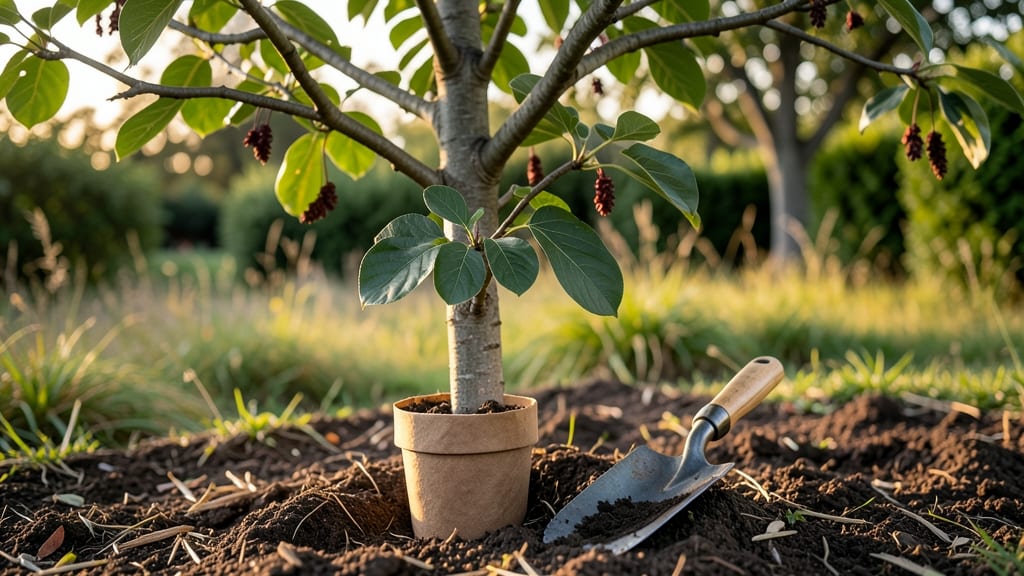
Follow this pawpaw tree planting guide to unlock a hidden gem of the American understory—this tropical-tasting fruit thrives where most gardeners give up. 🌱 I’ve grown them in zones 5-7, and with the right site, they reward you with creamy, mango-like fruit that’s worth every bit of patience.
The key isn’t just digging a hole; it’s mimicking their native woodland edge habitat where soil stays moist but drains well, and sunlight filters through taller trees.
You’ll need a spot with partial shade (morning sun, afternoon dappled light) and rich, slightly acidic soil—think leaf mold mixed with compost. Pawpaws hate soggy roots but despise drought, so mulch heavily with wood chips to keep moisture steady.
Planting depth matters too: set the graft union (visible bump on the trunk) 2-3 inches above soil level—this prevents rot while allowing flexibility for future soil settling.
Within a year, you’ll see vigorous new growth, and by year three, those first fragrant blossoms appear. The fruit may take 5-7 years to mature, but the journey includes stunning spring flowers and edible fall foliage.
Just avoid planting near walnut trees (their toxins stunt pawpaws) and give them 15-20 feet of space—they’ll spread into a small, multi-trunked tree over time.
Cold hardiness is their superpower: pawpaws survive down to -20°F once established, but young trees need winter protection in harsh zones. The real secret? Patience. These trees aren’t fast, but they’re low-maintenance once planted right—no spraying, no fuss, just decades of fruit for the taking.
📚 In This Guide
- What you need
- Instructions
- Tips and common mistakes
- Wrapping up and next steps
What you need
- ● Pawpaw tree saplings or seeds: 2–3 certified disease-free nursery-grown saplings (for faster fruit production) OR
- ● 10–20 fresh, viable seeds (from ripe pawpaw fruit, cold-stratified for 60–90 days).
- ● Well-draining soil: Mix compost (50%) with native soil (50%) to improve fertility and drainage.
- ● Organic mulch: 2–3 inches of wood chips or straw to retain moisture and regulate soil temperature.
- ● Fertilizer: Balanced 10-10-10 or 5-10-10 organic fertilizer (apply sparingly—pawpaws are sensitive to excess nitrogen!).
- ● Shovel or trowel (for digging planting holes 12–18 inches wide and deep).
- ● Pruning shears (to trim dead or crossing branches post-planting).
- ● Garden hose or watering can (for deep watering—1–2 gallons per tree after planting).
- ● Gloves (to protect hands from thorns and rough bark).
- ● pH testing kit (ideal soil pH: 6.0–7.0; amend with lime or sulfur if needed).
- ● Pollination aids: A soft paintbrush or bee-friendly garden to hand-pollinate flowers (pawpaws rely on insects!).
- ● Tree supports: Stakes or cages for young saplings in windy areas.
- ● Drip irrigation system (for consistent moisture in dry climates).
- ● Row cover or frost cloth (to protect young trees from late frosts).
Step-by-step instructions for planting a thriving pawpaw tree
Here’s how to plant pawpaws for maximum cold-climate success—this is the method I’ve used to grow productive trees in zones 5-8.
🌱 Step 1: Choose the Right Site and Prepare the Soil
Pawpaws thrive in moist, well-draining soil with partial shade—think dappled sunlight like under tall hardwoods. Test your spot: the ground should stay damp but not soggy after rain. If your soil drains poorly, amend it with 2-3 inches of compost mixed into the top 12 inches of soil.
Here’s the thing—pawpaws hate competition. Clear the planting area of weeds and grass within a 4-foot radius to reduce moisture stress. I like to mark the spot with a stake so I don’t accidentally dig in the wrong place. The ideal soil pH is 6.0-6.5, so test it before planting. If your soil is too alkaline, add sulfur or peat moss to adjust it gradually.
🪴 Step 2: Dig the Hole and Plant at the Correct Depth
Dig a hole twice as wide as the root ball but only as deep—pawpaw roots are shallow, and burying the graft union too deep can kill the tree. Gently loosen the roots of your bare-root sapling if they’re circling. Place the tree in the hole so the top of the root ball sits level with the ground—never mound soil around the trunk.
Backfill with the native soil you removed, tamping lightly as you go to eliminate air pockets. Water deeply to settle the soil around the roots. Real talk: if the hole stays too dry, the roots won’t establish properly. Mulch the base with 3 inches of wood chips, keeping it 6 inches away from the trunk to prevent rot. This mulch ring helps retain moisture and regulate soil temperature.
☀️ Step 3: Water and Protect for the First Critical Months
Water your pawpaw deeply once a week for the first 4-6 weeks, soaking the soil to 12 inches deep. You’ll know it’s enough when water runs out the drainage holes if planted in a container, or when the top 6 inches of soil stay moist. Overwatering now causes root rot—pawpaws are tough but not swamp-loving.
Install a tree guard or wire cage to protect young saplings from deer and rabbits, which love pawpaw leaves. I’ve lost too many trees to hungry critters to skip this step. In cold climates, apply a thick layer of mulch in late fall to insulate roots. Pawpaws are hardy down to -20°F, but young trees need extra protection until established.
⏰ Step 4: Monitor Growth and Adjust Care Seasonally
Watch for new leaves in spring—they should appear 4-6 weeks after planting. If leaves yellow or wilt, your tree may be overwatered or in too much sun. Pawpaws prefer morning sun and afternoon shade, especially in hot climates. Prune only to remove dead branches; avoid heavy pruning until the tree is 3-5 years old.
Fertilize lightly in early spring with balanced 10-10-10 fertilizer, using only half the recommended dose. Pawpaws are slow growers, and too much nitrogen leads to weak wood. By year three, you’ll see the first small, banana-like fruits—that’s your reward for patience. Here’s where it gets fun: pawpaws need two trees for cross-pollination, so plant a second variety within 50 feet for a real harvest.
Tips & tricks for perfect pawpaw tree planting
These simple secrets will help your pawpaw thrive in cold climates—no guesswork required.
Site Selection Savvy: Look for natural understory conditions when choosing your planting spot. Pawpaws love the dappled light they'd get under tall hardwoods in the wild. If planting in full sun, provide afternoon shade during summer's peak heat—this mimics their native habitat and prevents leaf scorch. I've seen trees planted in full sun struggle in zones 5-6, while those with afternoon shade thrive even in hotter summers.
Soil Prep Pro Tip: That 2-3 inches of compost mixed into the top 12 inches of soil isn't just about nutrients—it's about creating the perfect moisture balance. Think of it as building a sponge that holds water but doesn't stay soggy. If your soil drains too quickly, add a bit of peat moss to help retain that critical moisture. The key is getting the texture right—pawpaw roots need to breathe but also need consistent moisture.
Planting Depth Precision: The top of that root ball must sit level with the ground—no higher, no lower. I've buried trees too deep and watched them struggle, while others planted too shallow dry out quickly. Use a level tool or even a small plate to check your depth before backfilling. Remember, pawpaw roots are shallow and sensitive to burial depth changes.
Winter Protection Strategy: While pawpaws handle down to -20°F, young trees need extra care. That thick layer of mulch in late fall isn't just decoration—it's insulation. I've seen trees survive -25°F with proper mulching, while others without it struggled at -15°F. Add a layer of straw or leaves over the mulch for extra protection in your coldest zones. This creates a cozy blanket that regulates soil temperature through winter's extremes.
Pro Tips for Pawpaw Tree Planting Guide
- These simple secrets will help your pawpaw thrive in cold climates—no guesswork required.
- Site Selection Savvy: Look for natural understory conditions when choosing your planting spot.
- Soil Prep Pro Tip: That 2-3 inches of compost mixed into the top 12 inches of soil isn't just about nutrients—it's about creating the perfect moisture balance.
Frequently asked questions
Got questions about growing pawpaws? You’re not alone—this unique fruit tree has its quirks! Here are answers to the most common pawpaw planting questions to help you succeed.
When is the best time to plant pawpaw trees?
Plant pawpaw trees in early spring (as soon as the soil is workable) or fall (4–6 weeks before frost). Avoid planting in extreme heat or cold—young roots need time to establish before stress hits. Bare-root saplings thrive in spring, while container-grown trees adapt better to fall planting.
Can pawpaws survive cold winters like other fruit trees?
Yes! Pawpaws tolerate USDA Zones 5–9, with some varieties handling brief dips to -20°F (-29°C). Young trees need winter mulch (straw or leaves) to protect roots. In Zone 5, choose cold-hardy cultivars like ‘Sunflower’ or ‘Pennsylvania Golden’ for better resilience.
How close can I plant pawpaws to my house or fence?
Pawpaws need space—plant them 15–20 feet from structures to avoid root competition and allow airflow. Their shallow roots spread widely, so avoid planting near sidewalks or driveways. If space is tight, opt for dwarf varieties (though they’re rare) or prune aggressively to control size.
Do pawpaws need cross-pollination, and how do I attract pollinators?
Yes! Pawpaws require two trees for fruit set (or one self-pollinating variety like ‘Kenton’). To boost pollination, plant near native bees, butterflies, or hummingbirds by adding pollinator-friendly flowers (e.g., coneflowers, milkweed). Avoid pesticides—pawpaws rely on insects for pollination!
Why aren’t my pawpaw trees fruiting after 3–5 years?
Patience is key—pawpaws often take 5–10 years to bear fruit! Common delays include:
- Improper pollination: Ensure two compatible trees are nearby.
- Poor soil: Pawpaws thrive in moist, well-draining, slightly acidic soil (pH 5.5–6.5). Test and amend if needed.
- Over-pruning: Avoid heavy cuts in early years—let the tree focus on root growth.
- Cold damage: Young trees may struggle in harsh winters; protect with mulch.
Wrapping up and next steps
Planting a pawpaw tree is a rewarding journey—one that blends patience with delicious results! 🌱 By choosing the right location, preparing the soil, and providing consistent care, you’ll set the stage for a thriving fruit tree that can flourish even in cooler climates. Now’s the time to roll up your sleeves and start growing!
Ready to take the next step? Start by selecting your sapling or seeds and mark your calendar for planting season—spring or early fall. Happy growing, and may your orchard be bountiful! 🍈✨