
Trees
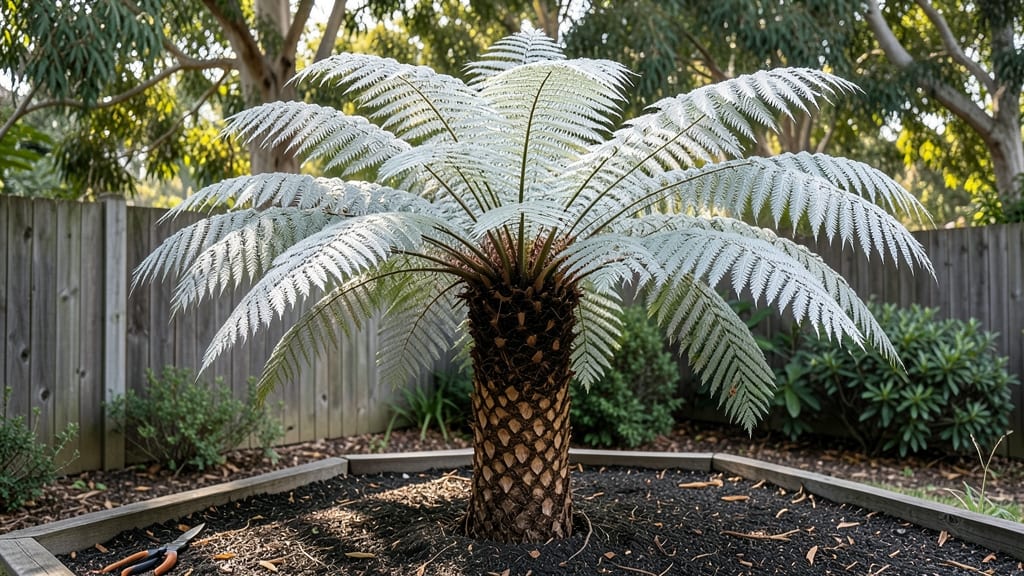
Growing trees with fern-like leaves in the Pacific Northwest feels like inviting a lush, ancient forest into your yard. 🌿 These plants—like the graceful Dicksonia or delicate Alsophila—thrive with minimal fuss, offering year-round texture and a touch of tropical drama without the high-maintenance demands.
The secret lies in mimicking their native conditions: cool, damp air and rich, well-draining soil that holds moisture without drowning roots.
These trees love partial shade to dappled light, making them perfect for understory spots or container gardens on shaded patios.
A 5-gallon pot with a mix of peat moss, perlite, and compost works for starters, while in-ground plantings benefit from a 3-inch layer of mulch to protect roots and retain humidity. Watering is simple: keep soil consistently moist but never soggy—think "wrung-out sponge," not swamp.
What you’ll end up with is a textured, evergreen focal point that stays vibrant through rain and wind. The frond-like leaves rustle softly in breezes, and mature specimens develop trunks that look like something from a fairy tale.
Prune only to remove dead fronds in early spring, and fertilize lightly with a balanced 10-10-10 mix once a year—no heavy feeding needed.
For Pacific Northwest gardeners, these trees are the ultimate low-effort statement plants. They handle the region’s mild winters and damp summers like pros, though slugs and vine weevils might occasionally test your patience.
A copper barrier around pots or diatomaceous earth on soil keeps pests at bay. Start small, and you’ll have a living sculpture that grows with you.
📚 In This Guide
- What you need
- Instructions
- Tips and common mistakes
- Wrapping up and next steps
What you need
- ● Tree: A Fernleaf Beech (Fagus sylvatica 'Aspleniifolia') or Fern Pine (Podocarpus macrophyllus)—both thrive in PNW climates. Check local nurseries for healthy, disease-free specimens.
- ● Garden Soil: Well-draining, slightly acidic soil (pH 5.0–6.5). Amend with 2–3 inches of compost or peat moss if your soil is heavy clay.
- ● Mulch: 3–4 inches of wood chips or pine bark to retain moisture and suppress weeds. Avoid fresh mulch near the trunk.
- ● Watering Can or Hose: With a gentle spray nozzle for delicate watering, especially for young trees.
- ● Shovel or Trench Digger (for planting holes 3x wider and as deep as the root ball).
- ● Garden Gloves (to protect hands from thorns or rough bark).
- ● Pruners or Shears (sterilized with rubbing alcohol to prevent disease).
- ● Measuring Tape (to ensure proper spacing—15–20 feet apart for mature trees).
- ○ Optional: Soil pH test kit (to confirm acidity levels).
- ● Slow-release fertilizer (e.g., 10-10-10 NPK ratio for young trees).
- ● Tree stakes and ties (if planting in windy areas).
- ● ✅ A sunny to partially shaded spot (6+ hours of light for optimal growth).
- ● ✅ Well-draining soil (avoid waterlogged areas—these trees hate soggy roots!).
- ● ✅ Patience! Fern-like trees grow slow to moderate (1–2 feet per year).
- ● ✅ Local climate check: Ensure your zone is USDA 5–9 (PNW is perfect!).
Step-by-Step guide to planting and caring for a tree with fern-like leaves
Here's how to establish this Pacific Northwest native with ease—no fuss, just lush foliage.
🌱 Step 1: Select the Right Location and Prepare the Soil
Choose a spot with partial to full shade—this tree thrives where direct sun is limited, especially in hotter afternoons. The Pacific Northwest's mild climate makes it ideal, but avoid areas where frost lingers late into spring. Test your soil first: these trees prefer moist, well-draining, slightly acidic soil (pH 5.0-6.5). If your soil is heavy clay, amend it with 2-3 inches of organic compost mixed into the top 12 inches of soil.
Dig a hole twice as wide as the root ball but only as deep. The top of the root ball should sit 1-2 inches above ground level—this prevents water pooling around the stem. Loosen the soil at the bottom of the hole with your hands or a trowel to encourage root spread. Here's the thing—if your soil drains poorly, add a 3-inch layer of coarse sand or perlite at the hole's base before backfilling.
🪴 Step 2: Plant and Water for Immediate Stability
Gently remove the tree from its container and tease the roots outward if they're circling. Place it in the hole so the root flare (where roots meet the trunk) is visible above the soil line. Backfill with the native soil, pressing lightly to remove air pockets but avoiding compaction. Water deeply right after planting—1-2 gallons—to settle the soil and eliminate gaps.
Mulch around the base with 2-3 inches of organic mulch, keeping it 6 inches away from the trunk. This mimics the tree's natural understory habitat and retains moisture. Water again after mulching to help it settle. The key is keeping the root zone consistently moist but never soggy—water weekly if rainfall is light, adjusting for your climate's humidity. You'll know it's right when the top 2 inches of soil feel damp but not waterlogged.
☀️ Step 3: Maintain Light and Moisture for Long-Term Health
This tree adapts beautifully to shade but will tolerate 3-4 hours of morning sun without stress. If you notice leaves yellowing or browning at the edges, it’s often a sign of too much direct sun. Prune any leggy growth in early spring to encourage a bushier form—cut back just above a leaf node where new growth will emerge. I like to do this when the tree is still dormant, as it reduces stress on the plant.
Fertilize lightly in early spring with a balanced, slow-release fertilizer (10-10-10) applied at half the recommended rate. Over-fertilizing can harm these trees, which prefer nutrient-poor conditions. Monitor for pests like aphids or spider mites—if you see webbing or sticky residue on leaves, spray with neem oil or a soapy water solution (1 tablespoon mild dish soap per gallon of water). Prevention is easier than treatment, so check the undersides of leaves regularly.
✂️ Step 4: Prune and Monitor for Seasonal Changes
Prune in late winter or early spring to shape the tree and remove dead or crossing branches. Use clean, sharp pruners to make cuts at a 45-degree angle just outside the branch collar. Avoid heavy pruning—never remove more than 25% of the canopy in one season, as this can stress the tree. The goal is to maintain an open, airy structure that allows light to reach the lower branches.
In fall, reduce watering as temperatures drop, but keep the soil moist until the ground freezes. These trees are hardy but benefit from a light layer of mulch in winter to protect roots from temperature fluctuations. Watch for signs of stress: wilting, yellowing leaves, or stunted growth. If you see these, adjust your care—usually, it’s either too much sun, not enough water, or poor drainage. Real talk: these trees are forgiving, but they’ll let you know when something’s off.
Tips & tricks for perfect fern-like leaf trees in the Pacific Northwest
These simple adjustments will help your shade-loving tree thrive with minimal effort—just like the Pacific Northwest's native forests.
Soil Preparation Matters: When amending heavy clay soil with 2-3 inches of organic compost in Step 1, mix it thoroughly into the top 12 inches of soil. This creates the ideal loose, airy texture these trees love. For even better drainage, add that 3-inch layer of coarse sand or perlite at the hole's base—this prevents waterlogging that can suffocate roots. I learned this the hard way after watching a tree struggle in compacted soil.
Root Care During Planting: In Step 2, gently tease the roots outward if they're circling—this encourages them to spread naturally in their new home. The root flare should always sit 1-2 inches above ground level; burying it too deep can cause rot. After planting, water with 1-2 gallons to settle the soil, then mulch with 2-3 inches of organic mulch—just keep it 6 inches away from the trunk to prevent moisture buildup that invites disease.
Watering Wisdom: The weekly watering guideline assumes light rainfall, but adjust based on your climate. In summer, check the top 2 inches of soil daily—it should feel damp, not soggy. In winter, reduce watering but keep soil moist until ground freezes. I use a simple finger test: push your finger into the soil; if it comes out clean, water again. This prevents both underwatering and overwatering, two common mistakes that stunt growth.
Pruning Precision: When pruning in late winter, focus on removing only dead or crossing branches—never exceed 25% of the canopy in one season. Make cuts at a 45-degree angle just outside the branch collar for faster healing. I always prune on a dry day to reduce stress on the tree, and I sterilize my tools with rubbing alcohol between cuts to prevent spreading disease.
Pro Tips for Tree With Fern Like Leaves
- These simple adjustments will help your shade-loving tree thrive with minimal effort—just like the Pacific Northwest's native forests.
- Soil Preparation Matters: When amending heavy clay soil with 2-3 inches of organic compost in Step 1, mix it thoroughly into the top 12 inches of soil.
- Root Care During Planting: In Step 2, gently tease the roots outward if they're circling—this encourages them to spread naturally in their new home.
Frequently asked questions
Got questions about caring for a stunning tree with fern-like leaves? You’re in the right place! Here are answers to the most common queries—from planting to troubleshooting—so you can keep your Pacific Northwest beauty thriving with ease.
What is the most common tree with fern-like leaves in the Pacific Northwest?
The Alnus rhombifolia (White Alder) and Metasequoia glyptostroboides (Dawn Redwood) are top picks! Both thrive in PNW climates, offering lush, fern-like foliage. For shade lovers, the Ginkgo biloba (Maidenhair Tree) is another fantastic option with delicate, fan-shaped leaves.
How long does it take for a tree with fern-like leaves to mature?
Most trees like the Dawn Redwood or White Alder take 5–10 years to reach full height (30–50 feet). However, their fern-like leaves appear within 1–2 years of planting! Patience pays off—these trees reward you with dramatic growth over time.
Do trees with fern-like leaves need special watering?
Not at all! These trees are drought-tolerant once established (after 1–2 years). Water deeply 1–2 times per week during the first year, then reduce to monthly soakings. Overwatering is worse than underwatering—let the soil dry slightly between waterings.
Can I grow a fern-like tree in a container?
Yes, but choose smaller varieties like the Podocarpus macrophyllus (Buddha’s Juniper) or dwarf Dawn Redwood. Use a large pot (15+ gallons) with drainage holes and well-draining soil. Repot every 2–3 years and prune roots to keep it manageable.
Why are the leaves on my fern-like tree turning brown or yellow?
Brown/yellow leaves usually signal overwatering, underwatering, or pests. Check the soil moisture—it should be evenly damp but not soggy. Inspect for aphids or spider mites (common in PNW). Treat with neem oil or insecticidal soap if needed. If the issue persists, adjust sunlight exposure (most prefer partial shade).
Are there non-tree alternatives with fern-like foliage?
For instant texture, try:
- Fern bushes: Pieris japonica (Andromeda) or Leucothoe (Dog Hobble)
- Ornamental grasses: Hakonechloa macra (Japanese Forest Grass)
- Shrubs: Osmundastrum cinnamomeum (Cinnamon Fern)
Wrapping up and next steps
Discovering the tree with fern-like leaves—like the elegant Alnus rhombifolia—is a game-changer for Pacific Northwest gardeners! These hardy beauties thrive with minimal fuss, offering lush greenery and year-round charm.
Whether you’re a seasoned gardener or a beginner, their adaptability makes them a low-maintenance superstar for any outdoor space. 🌿✨
Ready to bring this natural elegance to your yard? Start by choosing the perfect spot—whether it’s a shady corner or a sunny edge—and watch your garden transform effortlessly. Happy planting! 🌱