
Planting
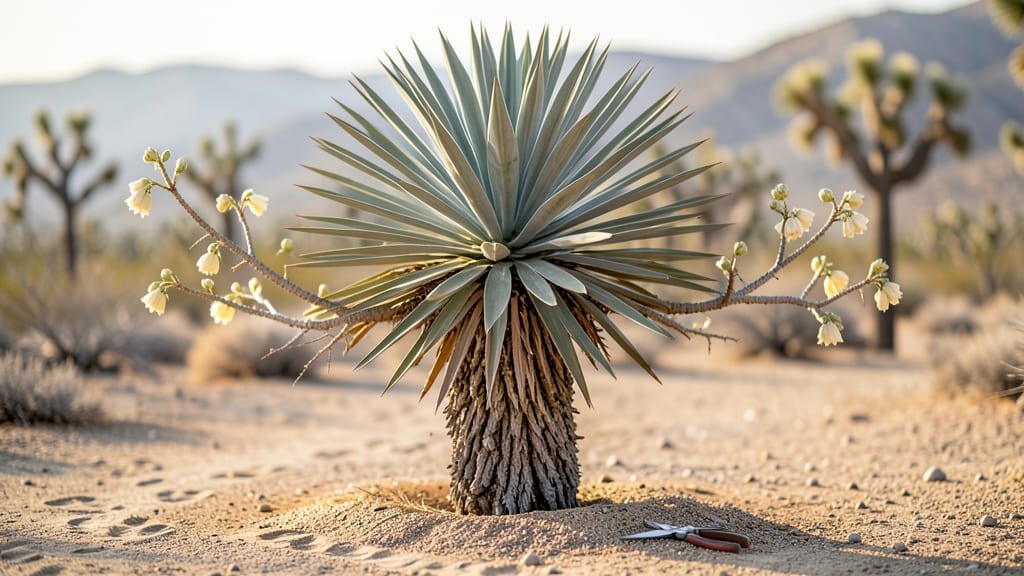
Growing a Joshua tree plant from seed demands patience, but the striking desert beauty rewards you with minimal effort—watch it transform from a stubborn sprout into a 3-foot-tall wonder in just five years. plant doesn’t need coddling, just the right conditions.
The key lies in mimicking its natural habitat: well-draining soil, blazing sun, and water only when the ground is bone dry.
You’ll need a sunny spot with at least six hours of direct sunlight daily—more is better—and soil that drains faster than a desert flash flood. A mix of 50% cactus/succulent soil and 50% coarse sand works wonders.
Water deeply once a month in spring and fall, then let nature take over. Overwatering is the #1 killer, so think "drought-proof" from day one.
What you’ll end up with is a striking, architectural plant that adds drama to any desert or drought-tolerant landscape. Those spiky branches create stunning silhouettes against the sky, and once established, it’s nearly indestructible. Even my black thumb can’t kill these—just give it space to grow and minimal interference.
Perfect for rock gardens, xeriscapes, or even large containers. Here’s how to get started without the guesswork—no green thumb required.
📚 In This Guide
- What you need
- Instructions
- Tips and common mistakes
- Wrapping up and next steps
What you need
- ● Joshua tree plant: A healthy nursery-grown sapling (3–6 feet tall) or seeds (if starting from scratch—patience required! 🐢).
- ● Well-draining soil: Cactus/succulent mix (or amend native soil with 50% sand or perlite to prevent root rot). Pro tip: Test soil pH (ideal: 6.0–7.5).
- ● Pot or planting area: Container: 1–2 gallons (for young plants), with drainage holes.
- ● Outdoor spot: Full sun (6+ hours daily) and sandy, rocky soil (mimics native desert conditions).
- ● Watering can or hose: With a gentle spray nozzle (avoid soaking).
- ● Gloves & long sleeves: Joshua trees have sharp spines—protect yourself! 🛡️
- ○ Fertilizer (optional but helpful): Slow-release cactus fertilizer (apply 2x/year, spring/fall).
- ● Avoid high-nitrogen blends (they encourage weak growth).
- ● Mulch: Gravel or decomposed granite (1–2 inches) to retain heat and deter weeds.
- ● Epsom salt: 1 tbsp/month in water (boosts magnesium for vibrant foliage).
- ● Plant support: A small stake (for young, top-heavy plants in windy areas).
- ● Desert companions: Pair with agave, prickly pear, or yucca for a low-water ecosystem.
Step-by-step guide to growing a healthy Joshua tree
Here's how to cultivate this iconic desert plant with confidence.
Select the Right Location and Container
Joshua trees thrive in environments that mimic their native desert habitat. Choose a location with full sun exposure—at least 6-8 hours of direct sunlight daily. This plant cannot tolerate shade or indoor conditions, so outdoor placement is essential. If growing in a container, select a large, sturdy pot with drainage holes, as Joshua trees develop extensive root systems.
Use a well-draining cactus and succulent mix—never regular garden soil, which will cause root rot. The mix should contain 50% coarse sand or perlite to ensure excess water drains quickly. I like to add a handful of pumice or lava rock to improve aeration further. Avoid compacted or clay-heavy soils, which will suffocate the roots.
Plant with Proper Spacing and Depth
Joshua trees grow slowly but can reach 15-30 feet tall in ideal conditions, so give them space. In the ground, plant 10-15 feet apart to allow for mature growth. For container growth, use a pot that is at least 18 inches in diameter and 12 inches deep for each plant. The root ball should sit 1 inch below the rim of the container to prevent water from pooling during irrigation.
Dig a hole twice as wide as the root ball but only as deep. Place the plant in the hole and backfill with the cactus mix, pressing gently to eliminate air pockets. Water deeply immediately after planting to help settle the soil around the roots. Avoid overwatering—Joshua trees are drought-tolerant and will not establish well in soggy soil.
Water Sparingly and Adjust for Seasons
The key to growing a Joshua tree is watering less, not more. After planting, water deeply every 2-3 weeks during the first growing season to encourage root development. Once established, reduce watering to once a month in summer and every 6-8 weeks in winter. Overwatering is the most common mistake—it causes root rot and can kill the plant quickly.
Check moisture levels by sticking your finger 2 inches into the soil. If it feels dry, water slowly until it drains from the bottom of the container. Joshua trees store water in their thick stems, so they rarely need frequent watering. In winter, when growth slows, water only when the soil is completely dry.
Provide Minimal Fertilizer and Prune Strategically
Joshua trees are not heavy feeders. Apply a balanced, slow-release fertilizer (such as a 10-10-10 formula) once a year in early spring. Use half the recommended dose—too much fertilizer can harm the plant. Avoid organic fertilizers, which may contain too much nitrogen and promote soft, weak growth that attracts pests.
Pruning is rarely needed, but if you notice dead or damaged branches, remove them with clean, sharp pruners in late winter or early spring. Cut back to a healthy joint or bud to encourage new growth. Never prune more than 10-15% of the plant at once, as Joshua trees are slow to recover from heavy pruning.
Protect from Pests and Extreme Conditions
Joshua trees are generally pest-resistant, but watch for scale insects or mealybugs, which can appear on new growth. Treat infestations immediately with neem oil or insecticidal soap, following label instructions. Avoid chemical pesticides, as they can harm the plant’s delicate foliage.
In cold climates, protect young plants from frost by covering them with burlap or moving containers to a sheltered location. Mature Joshua trees can tolerate brief freezes down to 10°F, but prolonged cold or wet conditions will damage them. In hot, dry climates, no additional protection is needed—they thrive in the heat.
Tips & tricks for growing a healthy Joshua tree
Real talk: These hard-won lessons will help you avoid the pitfalls that sink most Joshua tree attempts.
Sunlight Strategy: That 6-8 hours of direct sunlight isn't negotiable—this plant demands it. If your location gets less, supplement with a grow light for 12-14 hours daily. I've seen Joshua trees struggle in partial shade, even when other succulents thrive. Position your plant where it gets morning sun and afternoon shade if you're in an extremely hot climate, but never less than 6 hours total.
Soil Science: The 50% coarse sand or perlite ratio is non-negotiable for preventing root rot. I recommend mixing in a handful of chicken grit or small gravel along with the pumice—this creates even better drainage channels. Test your soil mix by pouring water on it; if it drains within 10 minutes, you're good to go. If not, add more sand.
Watering Wisdom: Those 2-3 week intervals for new plants might seem long, but trust me—Joshua trees store water in their thick stems. The finger test at 2 inches deep is your best guide. I've learned the hard way that even well-draining soil can hold too much moisture if watered too frequently. Let the soil dry completely between waterings, especially in winter when growth slows dramatically.
Fertilizer Finesse: That once-a-year 10-10-10 application at half strength is crucial—over-fertilizing leads to soft, pest-prone growth. I've seen Joshua trees develop fungal issues from too much nitrogen. If you're unsure about your fertilizer's strength, start with a quarter dose and monitor the plant's response. Remember, these are desert plants adapted to nutrient-poor soils.
Pro Tips for Growing Joshua Tree Plant
- Real talk: These hard-won lessons will help you avoid the pitfalls that sink most Joshua tree attempts.
- Sunlight Strategy: That 6-8 hours of direct sunlight isn't negotiable—this plant demands it.
- Soil Science: The 50% coarse sand or perlite ratio is non-negotiable for preventing root rot.
Frequently asked questions
How long does it take for a Joshua Tree to grow from seed?
A Joshua Tree grown from seed is a slow burn—expect it to take 5 to 10 years just to reach 1 foot tall! Patience is key, as mature trees (15–30 feet) can take 50–100 years in ideal conditions. For faster results, opt for a 3–5-year-old nursery-grown sapling.
Can Joshua Trees survive freezing temperatures?
These desert natives are hardy to USDA Zones 7–11 and can handle brief dips to 15°F (-9°C). However, young plants (under 3 years) may need winter protection like burlap wraps or mulch in colder zones. Avoid overwatering in winter—they’re dormant and prone to rot.
Why is my Joshua Tree turning brown or crispy?
Brown tips or crispy edges usually signal overwatering, underwatering, or sunburn. Check the soil—it should be completely dry between waterings. If leaves are yellowing, reduce water; if they’re white or bleached, it’s too much sun. Gradually acclimate young trees to full sun to avoid shock.
Are there fast-growing alternatives to Joshua Trees?
If you love the look but need speed, try these drought-tolerant stand-ins:
- Soaptree Yucca (Yucca elata) – Faster-growing (1–2 ft/year) with similar spikes.
- Palo Verde (Parkinsonia) – Bright green, fast-growing (3–5 ft/year), and thrives in heat.
- Agave (Agave americana) – Bold, architectural, and low-maintenance.
Can I grow a Joshua Tree in a container?
Yes, but it’s not ideal for long-term growth. Young trees (under 5 years) can thrive in 10+ gallon pots with fast-draining soil and occasional repotting. Mature trees need deep roots—plant them in the ground once they outgrow containers. Use a terracotta pot to prevent rot.
Wrapping up and next steps
Growing a Joshua tree plant is a rewarding journey that brings a touch of the desert’s resilience into your space—with minimal fuss! 🌵 Whether you’re a seasoned gardener or a beginner, this hardy plant thrives on patience and a little know-how.
Now that you’re equipped with the right soil, sunlight, and care tips, watch your Joshua tree flourish into a stunning centerpiece.
Ready to take the next step? Start small:
- Pick a pot or spot in your yard that mimics its natural habitat.
- Plant your sapling or seed with confidence—it’s built to last!
- Monitor its progress and celebrate every new branch!