Pruning
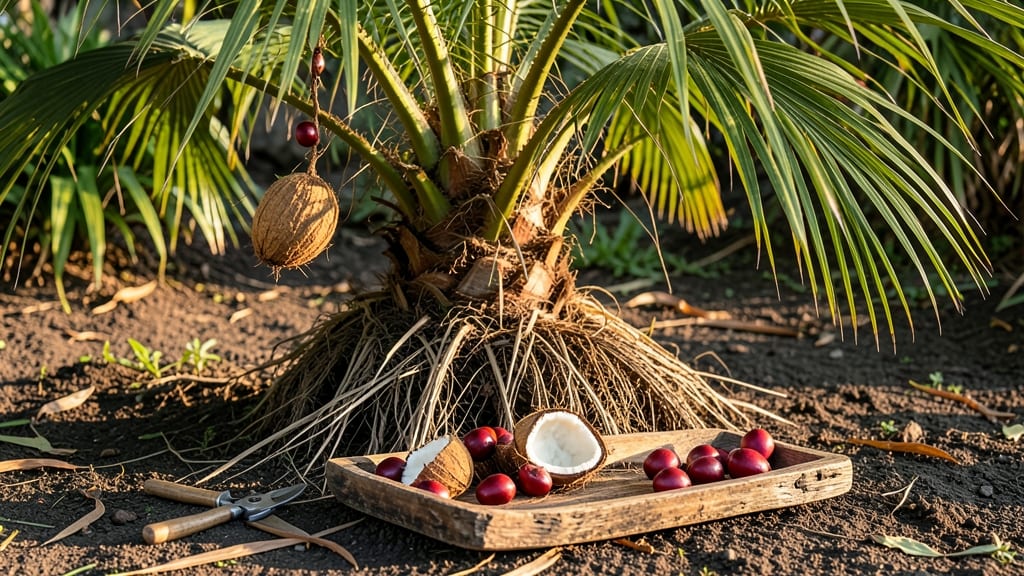
A palm tree with red seeds—like the striking Phoenix dactylifera—can transform your landscape with its exotic beauty, but frost damage turns those lush canopies into sad, brown skeletons.
I’ve nursed back several palms after winter’s cruel touch, and the secret isn’t complicated: it’s about timing, pruning, and giving the tree the right conditions to bounce back. The key moment arrives in early spring when new growth starts pushing through, signaling it’s time to act.
You’ll need sharp pruners, a clean workspace, and a plan to remove only the dead fronds—never more than one-third of the canopy at once. The soil should be well-draining, and you’ll want to keep it consistently moist but not soggy as the tree recovers.
Most palms with red seeds, like date palms, thrive in full sun but can tolerate partial shade while healing. The goal is to encourage fresh, vibrant fronds to emerge from the center, where the heart of the palm hides.
Within weeks, you’ll see the transformation: new fronds unfurling, their vibrant green signaling life returning. The red seeds—often a clue to the palm’s identity—will still hang on mature specimens, a reminder of the tree’s resilience.
By summer, your palm will look like it never faced frost, with a fuller canopy and a healthier structure. The best part? This method works for both young palms and mature giants.
If your palm is particularly large or severely damaged, consider breaking the process into two seasons. And remember: patience is key. A palm’s recovery isn’t a sprint—it’s a marathon, but one worth running.
The payoff is a tree that not only survives but thrives, standing tall and proud against future winters.
📚 In This Guide
- What you need
- Instructions
- Tips and common mistakes
- Wrapping up and next steps
What you need
- ● Pruning shears or loppers – Sharp, sterilized, and capable of cutting ½-inch to 1-inch thick branches (e.g., Felco F-2 or Corona Tools). Quantity: 1 pair.
- ● Heavy-duty pruning saw – For thicker branches (1+ inches). Quantity: 1.
- ● Disinfectant (70% isopropyl alcohol or bleach solution) – To sterilize tools between cuts and prevent disease spread.
- ● Gloves (cut-resistant & waterproof) – Protects hands from sharp edges and sap.
- ○ 5-gallon bucket or tarp – For collecting pruned debris (optional but helpful for cleanup).
- ○ Pruning sealant (optional) – Use only if sealing large cuts (2+ inches) (e.g., Tanglefoot Tree Wound Pruning Seal).
- ● Safety glasses – Shields eyes from debris.
- ● Long sleeves & pants – Covers skin to avoid scratches or sap irritation.
- ● Ladder or extension pole – If your palm is 6+ feet tall (ensure it’s stable and rated for your weight).
- ● Weather check – Choose a dry, mild day (50–75°F) to avoid stressing the tree.
- ● First-aid kit – For minor cuts or sap burns.
How to revive a frost-damaged palm tree with red seeds
Here's how I've helped palm trees bounce back after cold snaps—focus on the canopy first.
Assess Damage and Prune Dead Fronds
Start by examining the palm's fronds. Healthy fronds feel firm and green, while damaged ones will be brown, brittle, or mushy. Gently tug a few fronds—if they pull away easily, they're dead and need removal. I always begin with the oldest, outermost fronds since they're most vulnerable to frost.
Use clean, sharp pruning shears to cut fronds at their base, just above the point where they meet the trunk. Never leave stubs—this invites pests and disease. After removing dead fronds, you'll see fresh green tissue underneath. This is your first sign of recovery. If the trunk itself shows blackened or sunken areas, the damage is more severe and may require additional care.
Protect the Trunk and Roots
Frost often weakens the trunk and roots more than the canopy. Wrap the trunk with burlap or frost cloth to shield it from further cold damage. Secure it loosely so it doesn’t restrict growth. If the palm is in a container, move it to a sheltered spot like a garage or under an eave, but avoid direct heat sources like furnaces.
For in-ground palms, mound 4-6 inches of mulch around the base, keeping it 12 inches away from the trunk to prevent rot. Water the roots deeply but only if the soil feels dry—overwatering stressed palms accelerates decline. You’ll know the roots are recovering when new fronds start unfurling from the center.
Fertilize for Recovery
After pruning, feed the palm with a balanced palm fertilizer (high in potassium and magnesium). Mix it according to package instructions and apply it to the soil around the root zone, not the trunk. Water the area thoroughly afterward to help nutrients absorb. I avoid fertilizer if the trunk is still damaged—wait until new growth appears.
Fertilizing too soon can stress the palm further. Instead, focus on slow-release granules that provide steady nutrition without overwhelming the plant. You’ll see improved frond color and strength within 4-6 weeks if the roots are healthy. If no new growth appears after two months, the damage may be deeper than expected.
Monitor for Pests and Disease
Stressed palms attract pests like palm weevils or fungal infections. Inspect the trunk and fronds weekly for signs of infestation, such as sawdust-like frass (weevil droppings) or black spots (fungus). If you spot pests, treat immediately with neem oil or an insecticidal soap, following label instructions.
Keep the area around the palm clean—remove fallen fronds and debris to reduce hiding spots for pests. A healthy palm will naturally resist invaders, but damaged ones need extra protection. Watch for red seeds on new fronds as a sign of recovery—they indicate the palm is producing energy for growth.
Gradually Reintroduce Sun and Wind
Once new fronds emerge, the palm is ready for normal conditions. If it was sheltered, move it back outdoors gradually over 3-5 days, starting with 2-3 hours of morning sun and increasing exposure daily. Avoid full sun until the fronds harden, which usually takes 2-3 weeks. Sudden sun exposure can scorch recovering foliage.
Palms with red seeds are particularly resilient—they signal the tree is investing energy in reproduction, meaning it’s prioritizing survival. With consistent care, your palm should regain its full canopy within 6-12 months, depending on the extent of frost damage. Patience is key—don’t rush the process.
Tips & tricks for reviving a frost-damaged palm tree
Real talk: I've nursed more than my share of frost-bitten palms back to health. Here's what I've learned to make the recovery process smoother—and more successful.
Pruning Precision: When you're assessing fronds in Step 1, focus on the "tug test" rather than just color. A healthy frond should resist gentle pulling, while dead ones will snap off easily. I've seen people cut too close to the trunk, which creates entry points for disease—always leave that fresh green tissue visible after pruning. This is your first visual cue that recovery is possible.
Trunk Protection Strategy: For container palms moved to sheltered spots, I recommend using a breathable frost blanket rather than plastic. The trunk needs to "breathe" slightly during recovery, and plastic can trap too much moisture. If you notice condensation forming under the wrap, it's time to adjust. Remember, the goal is protection, not suffocation.
Fertilizer Timing: The 4-6 week window mentioned for visible improvement assumes healthy roots. If your palm shows no new fronds after two months, don't automatically add more fertilizer—this could be a sign of root damage. Instead, focus on root health first by ensuring proper drainage and only then consider targeted root fertilizers.
Sun Reintroduction: That gradual 3-5 day transition in Step 5 is critical, especially for palms with red seeds. The seeds indicate the tree is redirecting energy to recovery, so sudden full sun exposure can actually reverse progress. I've seen palms with promising red seeds get scorched when moved too quickly—start with those gentle morning hours and watch for any yellowing as a warning sign.
Pro Tips for Palm Tree With Red Seeds
- Real talk: I've nursed more than my share of frost-bitten palms back to health. Here's what I've learned to make the ...
- Pruning Precision: When you're assessing fronds in Step 1, focus on the "tug test" rather than just color. A healthy ...
- Trunk Protection Strategy: For container palms moved to sheltered spots, I recommend using a breathable frost blanket...
Frequently asked questions
about growing and caring for palm trees with red seeds—plus tips for frost-damaged recovery!What palm trees have red seeds that are hardy in cold climates?
The Trachycarpus fortunei (windmill palm) and Chamaerops humilis (European fan palm) are two cold-hardy options with red seeds or seed pods. For tropical palms like the Cocos nucifera (coconut palm), red seeds are less common, but some hybrids may produce them—check local nurseries for cold-resistant varieties!
How do I know if my palm tree’s red seeds are still viable after frost?
Test seed viability by filling a glass with water, placing the seeds inside, and waiting 24 hours. If they float, they’re likely non-viable. Sinkers may still sprout—soak them in warm water for 48 hours before planting. Pro tip: Store seeds in a cool, dry place if replanting later!
Can I grow a palm tree from red seeds indoors, or does it need outdoor conditions?
Yes! Start seeds indoors in a warm, sunny spot (70–85°F) using a well-draining potting mix. Use a humidity dome or plastic wrap to retain moisture. Once seedlings sprout (3–6 weeks), transplant outdoors only after the last frost and soil temps stay above 60°F. Note: Some palms (like coconut) need full sun to thrive!
Why are my palm tree’s fronds turning brown after frost—is it dying?
Brown fronds often signal frost damage, but the tree may recover! Prune dead fronds at the base (not the trunk) to prevent pests. If the crown (top bud) is damaged, the palm may not survive. For partial damage, fertilize lightly in spring to encourage new growth. Watch for: Mold (remove debris) or pests (neem oil helps).
Are there non-palm alternatives with red seeds for cold climates?
Try Yucca (soaptree yucca), Agave (century plant), or Dracaena (dragon tree)—all produce striking red seed pods or flowers and tolerate cooler temps. Note: These aren’t true palms but offer similar tropical aesthetics with easier cold resilience!
How often should I fertilize a palm tree with red seeds after frost damage?
Wait until spring (when new growth appears) to fertilize. Use a palm-specific fertilizer (high in potassium and magnesium) every 2–3 months during growing seasons. Over-fertilizing can harm recovery—always water deeply before applying fertilizer to avoid root burn. Pro tip: Dilute fertilizer to half-strength for damaged trees!
Wrapping up and next steps
Reviving your palm tree with red seeds after frost damage is totally doable with patience and the right care! By following these five steps—assessing damage, pruning strategically, fertilizing, protecting from cold, and monitoring growth—you’ll help your palm bounce back stronger than ever. 🌱✨
Now that you’re armed with knowledge, roll up your sleeves and give your palm the TLC it deserves. Start by checking its health today—your green-thumbed efforts will pay off in lush, vibrant foliage before you know it! 🌴💚