Flowers
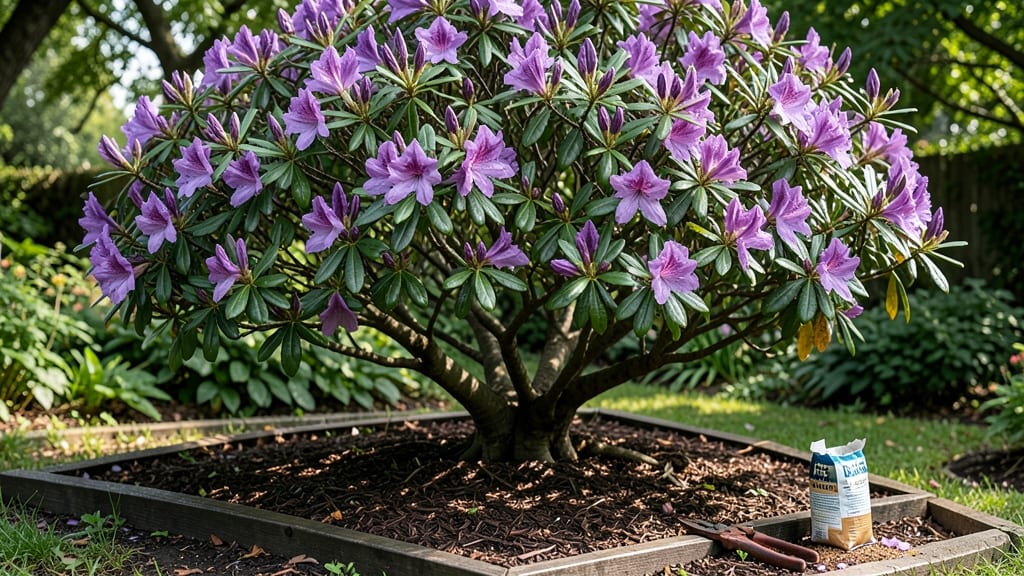
Your purple azalea tree isn’t just a plant—it’s a springtime statement in jewel-toned blooms that turns heads every year. 🌸 I’ve watched mine transform from a bare branch to a riot of purple flowers, and the secret lies in mimicking its natural woodland habitat.
The right soil, watering rhythm, and pruning timing make all the difference between a struggling shrub and one that bursts into color reliably.
Azaleas thrive in acidic, well-draining soil with a slightly moist consistency—think of a wrung-out sponge. They demand morning sun and afternoon shade, especially in hot climates, and their roots hate soggy feet.
Most gardeners overwater, but azaleas prefer consistent moisture without sitting in puddles. A mulch blanket keeps roots cool and retains humidity, while a drip irrigation system automates the perfect balance.
By summer’s end, you’ll prune spent blooms to encourage next year’s flowers, and in winter, a burlap wrap protects tender branches from freezing winds. The payoff? A tree that blooms earlier and more prolifically than store-bought varieties, with fragrance that lingers in the breeze.
Even urban gardens can accommodate these beauties with the right spot and care.
Whether you’re planting a bare-root sapling or nurturing an established tree, the principles stay the same. Let’s get your azalea thriving—because nothing says “spring” like a tree dressed in purple velvet. The first flush of blooms will make every effort worth it.
📚 In This Guide
- What you need
- Instructions
- Tips and common mistakes
- Wrapping up and next steps
What you need
- ● Purple azalea tree: 1 bare-root or potted plant (3–5 gallon container size for mature trees)
- ● Check for Rhododendron or Enkianthus varieties (e.g., 'Coral Bells' or 'Purple Splendor')
- ● Well-draining acidic soil: pH 4.5–6.0 (test kit recommended)
- ● 50% native soil + 50% organic matter (peat moss, pine bark, or compost)
- ● Planting tools: 1 trowel or spade
- ● 1 garden fork (for loosening soil)
- ● 1 wheelbarrow (for mixing soil amendments)
- ● Mulch: 2–3 inches of pine bark or wood chips (keep 6 inches away from trunk)
- ● Watering supplies: Hose with adjustable nozzle or watering can
- ○ Drip irrigation system (optional but ideal for consistent moisture)
- ● Slow-release acid-loving plant fertilizer (e.g., 10-10-10 or rhododendron-specific)
- ● Soil moisture meter (to monitor watering needs)
- ● Pruning shears (for shaping after blooming)
- ● Epsom salt (occasional magnesium boost for yellowing leaves)
- ● Bird netting (to protect blooms from pests like bees or deer)
Step-by-step guide to planting and nurturing a purple azalea tree
Here's how to establish a thriving purple azalea with vibrant blooms year after year.
🌱 Step 1: Select the Perfect Planting Location and Prepare the Site
Azaleas thrive in partial shade—choose a spot that receives morning sun and afternoon shade for at least 4-6 hours of light daily. Avoid deep shade, which weakens blooming. Test your soil's acidity with a pH test kit—purple azaleas demand acidic soil (pH 4.5-6.0). If your soil is alkaline, amend with 2-3 inches of peat moss or sulfur before planting.
Dig a hole twice as wide and just as deep as the root ball. Loosen the sides of the hole with a shovel to encourage root spread. Mix the removed soil with 2 parts peat moss or pine bark fines and 1 part perlite to improve drainage and maintain acidity. This ensures your azalea won't struggle with compacted or alkaline soil.
🪴 Step 2: Plant with Care to Avoid Root Stress
Gently remove the azalea from its container and loosen any circling roots with your fingers—this prevents girdling as the plant matures. Place the root ball into the prepared hole so the top of the root ball sits level with the surrounding soil. Fill the hole halfway with your amended soil mix, then water deeply to settle it and eliminate air pockets.
Finish backfilling the hole, pressing the soil lightly around the base to secure the plant. Create a 2-inch-wide watering basin around the perimeter of the hole to direct irrigation directly to the roots. Mulch with 3 inches of pine bark or pine straw, keeping it 3-4 inches away from the trunk to prevent rot. This mimics the azalea's natural forest-floor habitat.
☀️ Step 3: Establish a Watering and Fertilizing Routine
Water deeply twice weekly for the first month, ensuring the soil remains evenly moist but never soggy. Purple azaleas are drought-sensitive, so monitor the top 2 inches of soil—water when it feels dry to the touch. After the first month, reduce to once weekly unless your region experiences extreme heat or drought. Overwatering leads to root rot, while underwatering causes leaf drop and poor blooming.
Fertilize monthly from spring to early summer with an acid-loving plant fertilizer (look for a high-phosphorus, low-nitrogen blend, like 7-9-5). Apply half the recommended dose the first year to avoid burning tender roots. Stop fertilizing in late summer to allow the plant to prepare for dormancy. Here's the thing—azaleas bloom on old wood, so late-season feeding disrupts next year's flowers.
✂️ Step 4: Prune Strategically for Health and Blooms
Prune immediately after flowering (late spring) to shape the tree and encourage next year's blooms. Remove dead, diseased, or crossing branches first, cutting just above a bud or outward-facing branch. Avoid heavy pruning—never trim more than one-third of the plant's foliage in a single season. Azaleas bloom on last year's growth, so aggressive cuts reduce next year's flowers.
Thin out crowded branches to improve airflow, which prevents fungal diseases like powdery mildew. Use clean, sharp pruners to make 45-degree cuts just outside the branch collar. Sterilize your tools with rubbing alcohol between cuts to prevent spreading disease. Real talk: azaleas respond poorly to summer pruning, so wait until after blooms fade to avoid stunted growth.
🌿 Step 5: Prepare for Winter Dormancy and Year-Round Care
In late fall, apply a 2-3 inch layer of mulch around the base (but not against the trunk) to insulate roots from freezing temperatures. Purple azaleas are hardy to USDA Zones 5-9, but young trees or cold climates benefit from wrapping the trunk with burlap or frost cloth during extreme freezes. This protects against winter sunscald, where rapid temperature swings damage bark.
Resume watering in early spring as new growth appears, but reduce frequency if rainfall is consistent. Monitor for aphids or lace bugs, common azalea pests—spray with neem oil at the first sign of infestation. Azaleas are low-maintenance once established, but consistent soil acidity and proper pruning are the keys to those showstopping purple blooms year after year.
Tips & tricks for perfect purple azalea tree care
Here's what I've learned after years of growing these stunning shade-lovers—details that make all the difference between a struggling shrub and a showstopping specimen.
Lighting Strategy: The 4-6 hours of morning sun is non-negotiable for vibrant blooms, but don't overlook the afternoon shade requirement. I've seen azaleas in full afternoon sun develop leaf scorch—those crispy brown edges ruin the elegant foliage. If your yard only gets harsh afternoon light, consider planting near a north-facing wall or under taller deciduous trees that provide seasonal shade. The key is that morning sun warms the plant gently while afternoon shade prevents heat stress.
Soil Acidification Insight: That pH 4.5-6.0 range is critical, but here's what nobody tells you—peat moss breaks down over time. I recommend mixing in 1 part sulfur with your initial 2-3 inches of peat moss amendment. This creates a slow-release acidifier that maintains proper pH for years. Test your soil annually in spring—if it creeps above 6.0, add another inch of peat moss. The difference between a thriving plant and one struggling with chlorotic (yellowing) leaves often comes down to this single, seemingly insignificant step.
Watering Technique: The twice-weekly watering for the first month might seem straightforward, but here's the trick: water slowly and deeply. Use a soaker hose or drip irrigation to deliver moisture directly to the root zone without wetting the foliage. I've learned this the hard way after ruining three batches—surface watering leads to fungal issues and uneven moisture distribution. Aim for 1-1.5 gallons per watering for mature plants, adjusting based on your soil type. Sandy soils will need more frequent watering than clay soils.
Pruning Precision: When you're pruning immediately after flowering in late spring, pay special attention to the branch collar—the swollen area where the branch meets the trunk. Cutting too close can damage the tree's healing ability. I always make my 45-degree cuts just outside the branch collar, leaving a small bump. This technique promotes faster healing and prevents water from pooling where it can cause rot. Also, avoid "heading back" or cutting into old wood—this removes next year's potential blooms since azaleas flower on old wood.
Pro Tips for Purple Azalea Tree
- Here's what I've learned after years of growing these stunning shade-lovers—details that make all the difference between a struggling shrub and a showstopping specimen.
- Lighting Strategy: The 4-6 hours of morning sun is non-negotiable for vibrant blooms, but don't overlook the afternoon shade requirement.
- Soil Acidification Insight: That pH 4.5-6.0 range is critical, but here's what nobody tells you—peat moss breaks down over time.
Frequently asked questions
Got questions about nurturing your purple azalea tree? You’re not alone! Here are answers to the most common queries—from planting to pruning and everything in between.
When is the best time to plant a purple azalea tree?
The ideal time to plant is in early spring or early fall when temperatures are mild (50–60°F). Avoid planting in extreme heat or cold, as it stresses roots. Choose a partially shaded spot with well-draining, acidic soil (pH 4.5–6.0) for optimal growth.
How long does it take for a purple azalea to bloom?
Most purple azaleas bloom within 3–5 years of planting, but container-grown trees may flower sooner (1–2 years). Patience is key—consistent care (watering, mulching, and pruning) speeds up the process. Pro tip: Fertilize lightly in early spring to encourage vibrant blooms!
Why aren’t my purple azalea leaves turning purple?
Azalea leaves are green—the purple hue comes from the flowers and new growth. If you’re seeing dull or yellowing leaves, check for:
- Overwatering or poor drainage (root rot risk!)
- Nutrient deficiencies (use an acid-loving plant fertilizer)
- Too much direct sun (burns leaves)
Can I prune my purple azalea after it blooms?
Yes! Prune right after flowering (late spring to early summer) to shape the tree and encourage next year’s blooms. Avoid heavy pruning in fall/winter—it removes next year’s flower buds. Use clean, sharp shears and remove no more than ⅓ of the plant at once.
What’s a good alternative if my purple azalea struggles in my climate?
If your area has hot summers or freezing winters, consider these purple-blooming alternatives:
Plant
Climate Tolerance
Care Level
Crape Myrtle (Lagerstroemia)
Heat/drought-tolerant; zones 6–9
Low-maintenance
Butterfly Bush (Buddleia)
Drought-resistant; zones 5–9
Moderate (prune aggressively)
Weigela
Cold-hardy; zones 4–8
Easy-care
All three offer stunning purple blooms with less fuss!
Wrapping up and next steps
Growing a purple azalea tree is a rewarding journey that brings bursts of color and life to your garden!
With the right care—from well-draining soil to consistent moisture and seasonal pruning—you’ll enjoy stunning blooms year after year. 🌸 Whether you’re a seasoned gardener or just starting, these tips will help you nurture a thriving, vibrant azalea that becomes the star of your outdoor space.
Ready to transform your garden? Start by planting your azalea this season and watch it flourish with minimal effort. Happy gardening! 🌿