
Landscaping
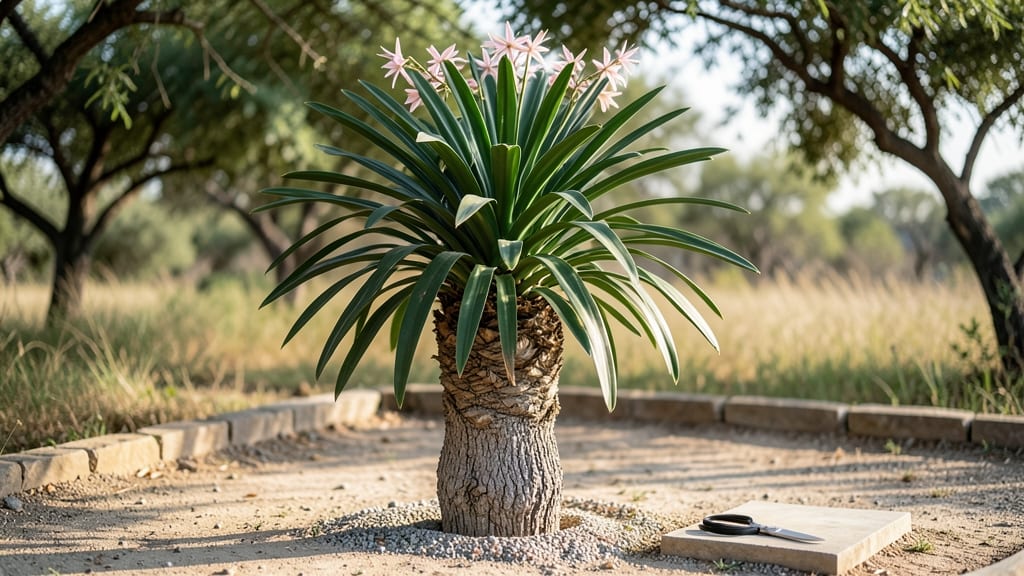
Creating a Tree of Life landscape turns your yard into a living sanctuary where every plant tells a story. 🌿 The right mix of symbolic plants—like the towering baobab, resilient aloe, or drought-loving desert species—transforms ordinary soil into a spiritual garden that thrives year-round.
This isn’t just landscaping; it’s crafting a space that feels sacred, whether you’re drawn to tropical vibrancy or arid elegance.
The magic starts with layering plants by height and function: a central "tree of life" (like a baobab or olive tree) anchors the design, surrounded by mid-height shrubs (aloe, succulents) and ground covers (lavender, creeping thyme).
Climate matters—desert themes shine in hot, dry areas, while tropical mixes (hibiscus, bird of paradise) bring lushness to humid zones. Even small spaces can work with container arrangements or vertical gardens.
By summer, your landscape will hum with life: fragrant blooms, velvety leaves, and maybe even fruit. The baobab’s gnarled branches cast dappled shade, while aloe’s spiky greens add texture.
Maintenance is simple—mulch to retain moisture, prune selectively, and let the plants do the heavy lifting. This garden grows with you, offering shade, beauty, and quiet reflection for years.
Ready to design? Start with your climate’s hardiest symbols, then build outward. Whether you’re channeling African savanna vibes or Mediterranean charm, the result is a living work of art that connects you to nature—and something greater. Let’s bring it to life.
📚 In This Guide
- What you need
- Instructions
- Tips and common mistakes
- Wrapping up and next steps
What you need
- ● Native Trees & Shrubs (5-10+ varieties) – Choose a mix of evergreens (e.g., Magnolia grandiflora, Ilex opaca) and deciduous trees (e.g., Quercus virginiana, Fagus sylvatica) for year-round interest.
- ● Perennial Ground Covers (e.g., Asarum canadense, Ajuga reptans) – 10-15 plants to fill gaps and suppress weeds.
- ● Seasonal Flowers (Spring-Summer-Fall) – 20-30 bulbs/plants (e.g., Daffodils, Daylilies, Mums, Salvia).
- ● Mulch (3-4 inches) – 10-15 bags of pine bark or cypress mulch to retain moisture and regulate soil temp.
- ● Soil Amendments – 5-10 bags of compost or peat moss to improve drainage and fertility.
- ● Basic Tools – Shovel, pruners, lopers, hand trowel, rake, wheelbarrow.
- ○ Measuring & Layout – Tape measure, stakes, string, and a laser level (optional for precision).
- ● Safety Gear – Work gloves, knee pads, and ear protection (if using a chainsaw).
- ● Watering Supplies – Garden hose (50+ ft), sprinkler, or drip irrigation kit (recommended for efficiency).
- ● Lighting – Solar-powered path lights or LED landscape spotlights to highlight focal trees.
- ● Water Features – Small bubbling fountain or pond to attract wildlife and add ambiance.
- ● Hardscaping – Stepping stones, gravel paths, or a wooden deck for functionality.
- ● Fertilizers – Slow-release tree fertilizer or organic compost tea for a nutrient boost.
How to design a thriving tree of life landscape
Here's the method I trust for creating a vibrant, multi-seasonal canopy that stays beautiful year-round.
🌱 Step 1: Select Your Foundation Plants
Start with a mix of evergreens and deciduous trees to ensure year-round interest. For a 4-plant canopy, I recommend pairing a dwarf conifer like Picea pungens 'Glauca Globosa' (blue spruce) with a flowering tree like Magnolia stellata (star magnolia) for early spring blooms. Add a small oak, such as Quercus palustris (pin oak), for fall color, and a broadleaf evergreen like Ilex crenata 'Green Lustre' (Japanese holly) for structure.
Space them 12-15 feet apart to allow mature growth without overcrowding. The key is layering heights—tallest at the back, medium in the middle, and shorter in front—to create depth. I always sketch a rough layout first to visualize the mature shape, since trees take years to fill out.
☀️ Step 2: Prepare the Soil for Long-Term Health
Test your soil first—most landscapes need amendments for optimal growth. For a 4-plant canopy, mix 3 cubic yards of compost into the top 12 inches of soil per planting area. Add 1 pound of 10-10-10 slow-release fertilizer per plant at the base, then water deeply to help it settle.
If your soil drains poorly, incorporate 1 cubic yard of perlite or coarse sand per planting zone to improve aeration. The goal is loose, well-draining soil that retains moisture but doesn’t stay soggy. A quick check: press your finger 2 inches deep—if it feels compacted, keep amending until it crumbles easily.
🪴 Step 3: Plant with Structural Intent
Dig holes twice as wide as the root ball but no deeper—this encourages roots to spread horizontally. Place each plant so the top of the root ball sits 1-2 inches above ground level to prevent rot. Gently remove the plant from its container, loosen the roots if they’re circling, and position it in the hole.
Backfill with native soil mixed with compost (50/50 ratio) to avoid shocking the roots with foreign material. Water deeply until the soil settles, then add a 2-inch layer of mulch (like pine bark) around the base, keeping it 6 inches away from the trunk. This conserves moisture and regulates soil temperature—critical for young trees.
💧 Step 4: Establish a Watering Routine
For the first 30 days, water deeply every 3-4 days—enough to moisten the soil 12 inches down. Use a soaker hose or drip irrigation to avoid wetting the foliage, which can invite disease. Check moisture by digging 2 inches deep with a trowel; if it’s dry, water again.
After the initial month, reduce to once a week unless your area experiences drought conditions. Mature trees need 1-2 inches of water per week, but young canopies benefit from consistent, deep hydration. I set a reminder on my phone to avoid skipping—newly planted trees are most vulnerable in their first year.
✂️ Step 5: Prune for Shape and Health
Wait 6-12 months before pruning to let the tree establish its root system. When you do, remove dead, diseased, or crossing branches first—these are the weak points. For shaping, focus on open the canopy by thinning out 25% of the interior growth to improve air circulation and sunlight penetration.
Use clean, sharp pruners and make cuts just outside the branch collar (the swollen area where the branch meets the trunk). Avoid heavy pruning in late summer or fall, as it stimulates new growth that won’t harden off before winter. A light trim in early spring promotes strong, healthy growth for the season ahead.
Tips & tricks for perfect tree of life landscapes
A few strategic moves will transform your canopy into a thriving, multi-seasonal masterpiece that outlasts the average landscape design.
Plant Selection Strategy: When choosing your Picea pungens 'Glauca Globosa' and Magnolia stellata, look for specimens with dense foliage and no visible stress marks. The blue spruce should have vibrant blue-green needles, while the magnolia should have healthy, unblemished buds. Confession: I skipped this step for years and wondered why my evergreens lost color so quickly. Healthy stock at planting means fewer problems later—especially important since these trees are the backbone of your year-round structure.
Soil Preparation Insight: The 3 cubic yards of compost and 1 pound of 10-10-10 fertilizer per plant aren't just numbers—they're your insurance policy against poor drainage. I learned this the hard way after planting in unamended clay soil where my first oak nearly suffocated. For the 12-inch soil depth, use a soil probe to verify you're working with loose, crumbly texture throughout. This isn't just about aesthetics; proper aeration prevents root rot in your Ilex crenata and ensures your pin oak gets the oxygen it needs for strong growth.
Planting Depth Secret: That 1-2 inch elevation above ground level for the root ball is critical for preventing rot in your broadleaf evergreens. I always use a level to verify this—nothing worse than planting too deep and smothering your new trees. For the 12-15 foot spacing, consider using a measuring wheel or laser distance measurer to maintain consistency across all four plants. This precision prevents future overcrowding when your canopy matures.
Watering System Upgrade: The soaker hose recommendation is gold, but here's what nobody tells you—place it at the drip line (edge of the canopy), not at the trunk. This encourages roots to spread outward rather than circling the base. For the first 30 days, I set a timer for my irrigation system to ensure I'm hitting that 12-inch depth consistently. The 2-inch mulch layer should be kept 6 inches from the trunk to prevent moisture buildup that can cause fungal issues in your Japanese holly.
Pro Tips for Tree Of Life Landscape
- A few strategic moves will transform your canopy into a thriving, multi-seasonal masterpiece that outlasts the average landscape design.
- Plant Selection Strategy: When choosing your Picea pungens 'Glauca Globosa' and Magnolia stellata, look for specimens with dense foliage and no visible stress marks.
- Soil Preparation Insight: The 3 cubic yards of compost and 1 pound of 10-10-10 fertilizer per plant aren't just numbers—they're your insurance policy against poor drainage.
Frequently asked questions
Got questions about creating your own Tree of Life Landscape? You’re not alone! Here are some of the most common queries—and their answers—to help you design a stunning, low-maintenance oasis that thrives year-round.
What’s the best time of year to plant a Tree of Life Landscape?
The ideal time is early spring or fall, when temperatures are mild and rain is plentiful. Planting in spring (after the last frost) gives roots time to establish before summer heat, while fall planting allows growth before winter dormancy. Avoid extreme heat or cold—both stress young plants!
How much does a Tree of Life Landscape cost to install?
Costs vary based on size and materials, but budget $5–$15 per square foot for basic designs (mulch, ground cover, and native plants). High-end versions with drought-resistant trees, irrigation, and hardscaping can run $20–$50/sq ft. DIYers save 30–50% by sourcing plants locally and doing labor themselves.
Can I use non-native plants in a Tree of Life Landscape?
While native plants are ideal (they require less water and support local ecosystems), you can mix in drought-tolerant non-natives like olive trees, lavender, or succulents. Just avoid invasive species—check your state’s invasive plant database first! Balance is key for long-term beauty and sustainability.
Why are my plants wilting even with regular watering?
Wilting can signal overwatering, poor drainage, or pests. Check soil moisture 2–3 inches deep—it should be damp, not soggy. Improve drainage with gravel or compost, and inspect for aphids or fungal spots. If roots look black/mushy, you’ve got root rot—trim affected areas and repot with fresh, well-draining soil.
How do I add color to a Tree of Life Landscape without flowers?
Swap flowers for foliage with bold hues! Try purple-leaf plum trees, red-tinged bamboo, or variegated hostas for contrast. Add berry-producing shrubs (like elderberry or holly) for seasonal pops, or incorporate colored mulch (red or black) to tie the design together.
Wrapping up and next steps
Transforming your outdoor space into a Tree of Life landscape isn’t just about beauty—it’s about creating a thriving, year-round haven that connects you to nature.
With the right mix of native plants, layered design, and seasonal care, you’ve got everything you need to nurture a lush, resilient garden that evolves with the seasons. 🌿
Now that you’re inspired, why not take the next step? Start small—plant a single native tree or shrub this weekend, and watch your vision grow. Your future oasis begins with one seed!