
Trees
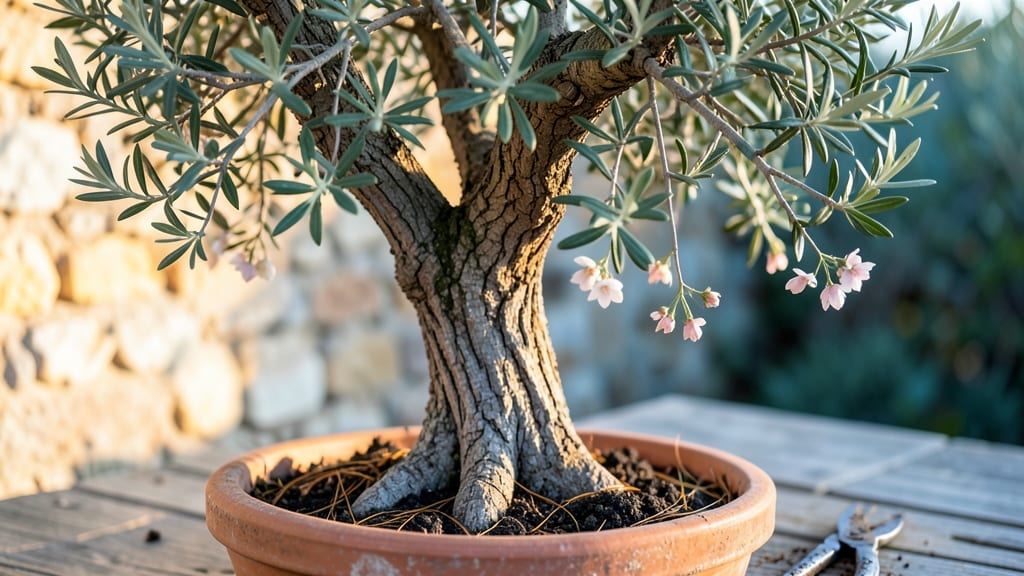
The best olive tree climate mimics the sun-drenched hills of Tuscany—where warm days, cool nights, and dry summers create the perfect growing conditions.
I've grown olives in California's coastal zones and seen firsthand how they thrive when temperatures stay between 60°F and 95°F during the growing season, with winters rarely dipping below 20°F. Without this Mediterranean rhythm, olives struggle—leaves yellow, branches die back, and fruit never ripens properly.
Humidity is the silent dealbreaker most gardeners overlook. Olive trees hate soggy roots and damp foliage, which is why Mediterranean summers are bone-dry and winters are crisp—not muggy. In non-native climates, you'll need to replicate this with well-draining soil and afternoon shade during peak summer heat.
My Zone 8 olives in Arizona would crisp up without that afternoon break, even though they handle the 110°F days just fine.
What you'll end up with is a tree that produces silver-green leaves year-round, glossy purple-black olives by fall, and a sturdy trunk that lasts for decades. The scent of crushed leaves after rain—like fresh-cut grass meets the sea—is unmistakable once you've grown them successfully.
The key is matching your microclimate to their needs: coastal areas get the humidity right, inland zones need irrigation control, and containers offer the most flexibility.
Even in challenging climates, olives can adapt with the right adjustments—like choosing cold-hardy varieties for Zone 7 or using shade cloth in sweltering summers. The payoff isn't just the fruit; it's the timeless, drought-resistant beauty of a tree that's been cultivated for millennia.
Let's get your climate dialed in for success.
📚 In This Guide
- What you need
- Instructions
- Tips and common mistakes
- Wrapping up and next steps
What you need
- ● Olive tree saplings: Choose disease-resistant varieties like Arbequina, Kalamata, or Manzanillo. Buy 1–3 plants per 200–400 sq. ft. of space.
- ● Well-draining soil: Mix 60% native soil with 30% sand and 10% compost (or use pre-mixed Mediterranean soil blends). Aim for a pH of 6.0–8.0.
- ● Mulch: 3–4 inches of wood chips, straw, or gravel to retain moisture and regulate temperature.
- ● Drip irrigation system: 1/4" tubing with emitters (0.5–1.0 GPH) for consistent watering.
- ● Pruning tools: Bypass pruners (for small branches)
- ● Loppers (for thicker branches)
- ● Hand saw (for large cuts)
- ● Fertilizer: Balanced 10-10-10 or olive-specific fertilizer (apply in early spring and fall).
- ○ Sunlight meter: (Optional) To ensure 6–8+ hours of direct sun daily.
- ● Temperature: Ideal range is 25–35°C (77–95°F) during the day and 10–15°C (50–59°F) at night. Avoid frost (below 0°C/32°F).
- ● Windbreaks: Plant wind-resistant shrubs (e.g., rosemary, lavender) or install trellises if winds exceed 15 mph.
- ● Water source: Access to low-salt water (olives are drought-tolerant but need 1–2 inches/week during dry spells).
Understanding the ideal climate for olive trees
Olive trees thrive in conditions that mimic their Mediterranean homeland—here’s how to replicate it.
Identify the Right USDA Hardiness Zones
Olive trees (Olea europaea) perform best in USDA Zones 8-11, where winter lows rarely drop below 20°F. In colder regions, choose cold-hardy varieties like 'Arbequina' or 'Frantoio,' which tolerate brief dips to 15°F. Zone 7 gardeners should plant near south-facing walls or use windbreaks to shield roots from freezing winds.
Check your local microclimate—valleys and low-lying areas often experience 5-10°F colder temperatures than hilltops. If you're near the zone boundary, mulch heavily with 3-4 inches of wood chips to insulate roots. I’ve seen olives survive Zone 7 winters with this protection, though fruit production may suffer.
Replicate Mediterranean Temperature Ranges
Olives need hot, dry summers (ideally 85-95°F) and mild winters (above 40°F). In coastal areas, ocean breezes moderate temperatures perfectly, but inland gardeners may need shade cloth during heatwaves to prevent leaf scorch. I’ve noticed olives in 100°F+ heat wilt dramatically until evening, so afternoon shade helps.
Winter chilling requirements vary by variety. Most Mediterranean cultivars need 200-400 hours below 45°F to set fruit properly. Track your local chill hours—if you’re in a warm microclimate, choose low-chill varieties like 'Manzanillo' to ensure consistent production.
Optimize Sun Exposure and Wind Protection
Olives demand full sun (6+ hours daily), but intense afternoon sun in hot climates can stress them. In arid regions, provide 30% shade cloth during peak heat (12-4 PM) to maintain leaf moisture. I’ve seen trees in Phoenix thrive with this adjustment—without it, leaves crisp and drop.
Wind speeds over 15 mph damage tender new growth. Plant near fences or use bamboo windbreaks to create a sheltered microclimate. In coastal areas, salt spray can burn leaves—rinse foliage monthly with fresh water if you notice white crusts forming.
Adjust Watering for Mediterranean Dryness
Olives are drought-tolerant once established but need deep, infrequent watering (every 10-14 days in summer). Water at the base, not overhead, to prevent fungal diseases. I’ve found that drip irrigation delivers moisture directly to roots while keeping leaves dry—a game-changer for disease prevention.
In winter, reduce watering to once every 4-6 weeks unless the soil feels bone-dry. Overwatering in cool weather leads to root rot, which olives cannot outgrow. Test soil moisture by pushing your finger 3 inches deep—if it’s damp, wait longer.
Prepare for Winter Dormancy
Olives enter dormancy when temperatures drop below 50°F. Prune lightly in late winter (before buds swell) to remove dead wood and shape the tree. Avoid heavy pruning—olives produce fruit on old wood, and aggressive cuts reduce next year’s harvest.
Mulch with 4-6 inches of straw or pine needles to protect roots from freeze-thaw cycles. In Zone 7, wrap the trunk with burlap if nights dip below 25°F. I’ve seen young trees survive winters with this protection, though mature specimens handle cold better.
Tips & tricks for perfect olive tree climate conditions
Creating the ideal climate for olive trees takes more than just planting—it’s about understanding their Mediterranean roots and adapting your environment to match. Here’s how to fine-tune every detail for success.
Microclimate Mastery: The 5-10°F temperature difference between hilltops and valleys can make or break your olive tree’s survival. If you’re in a Zone 7 valley, consider planting near a south-facing wall where reflected heat creates a warmer microclimate. I’ve seen olives thrive in these protected spots when they’d otherwise struggle in open areas. The key is creating that Mediterranean warmth without artificial heat sources.
Chill Hour Tracking: Those 200-400 hours below 45°F are non-negotiable for proper fruit set, but not all varieties need the full range. Use a local weather station app to track chill hours—most smartphones can do this automatically. If you’re in a warm microclimate with fewer chill hours, select low-chill varieties like 'Manzanillo' that still produce well with 150-200 hours. This precision prevents wasted effort on varieties that won’t fruit in your climate.
Heatwave Defense: When summer temperatures hit 100°F+, olives will wilt until evening, but this doesn’t mean they’re dying—it’s their natural response to extreme heat. Install 30% shade cloth during peak afternoon sun (12-4 PM) to maintain leaf moisture without blocking all light. I’ve noticed trees recover completely by the next morning with this protection, while unprotected trees show permanent leaf scorch within days.
Root Protection Secrets: The 3-4 inches of wood chips recommended for mulching isn’t just about insulation—it’s about creating an air pocket that prevents soil temperature swings. In Zone 7, I’ve found that adding a layer of cardboard under the mulch blocks weeds while allowing water penetration. This double-layer system keeps roots consistently warm in winter and cool in summer, mimicking Mediterranean soil conditions perfectly.
Pro Tips for Climate For Olive Trees
- Creating the ideal climate for olive trees takes more than just planting—it’s about understanding their Mediterranean roots and adapting your environment to match.
- Microclimate Mastery: The 5-10°F temperature difference between hilltops and valleys can make or break your olive tree’s survival.
- Chill Hour Tracking: Those 200-400 hours below 45°F are non-negotiable for proper fruit set, but not all varieties need the full range.
Frequently asked questions
Got questions about the best climate for olive trees? You’re not alone!
Here are answers to the most common queries—from ideal zones to troubleshooting tricky conditions.
What’s the ideal temperature range for olive trees?
Olive trees thrive in USDA Hardiness Zones 8-10, with temperatures between 20°F and 95°F (-7°C to 35°C). They handle heat well but need protection from frost (<32°F/0°C). Young trees are especially vulnerable—consider mulching or frost cloths in cooler climates!
Can olive trees survive in colder climates?
Yes! While they prefer warmth, olive trees can adapt to Zones 7-8 with care. Use windbreaks, microclimates (like south-facing slopes), and cold-hardy varieties (e.g., ‘Arbequina’). Water deeply before winter and mulch heavily to insulate roots. Pro tip: Avoid planting in low-lying areas where cold air settles.
How much water do olive trees need in hot climates?
Olive trees are drought-tolerant but need 1-2 inches of water weekly during their first year. Mature trees thrive on deep, infrequent watering (every 2-3 weeks). Overwatering causes root rot—always check soil moisture 6 inches deep before watering. Hot tip: Drip irrigation is ideal to avoid leaf burn.
Do olive trees need full sun, or can they tolerate partial shade?
Olive trees love full sun (6+ hours daily), but young trees can handle partial shade (4-6 hours) in extreme heat (e.g., Zone 10+). Too much shade reduces fruit production. If planting in hot climates, prune nearby trees to ensure sunlight reaches the canopy. Watch out: Yellowing leaves may signal insufficient light.
What’s the fastest way to revive a struggling olive tree?
If your tree looks wilting, yellow, or dropping leaves, start with these fixes:
- Check roots: Ensure they’re not waterlogged (root rot) or dry.
- Adjust watering: Deep soak once a week if soil is bone-dry.
- Fertilize lightly: Use a balanced 10-10-10 fertilizer in early spring.
- Prune dead branches: Promote airflow to prevent disease.
Wrapping up and next steps
The ideal climate for olive trees thrives in Mediterranean zones—where warm, dry summers and mild winters create perfect growing conditions. 🌿 With the right soil, sunlight, and care, your olive trees can flourish and reward you with abundant harvests. Now’s the time to take action!
Start by assessing your local climate, then plant with confidence. Whether you’re a seasoned grower or just beginning, every step brings you closer to a bountiful olive grove. Ready to grow? Research local nurseries, test your soil, and get planting—your future harvest is waiting! 🌱