Pruning
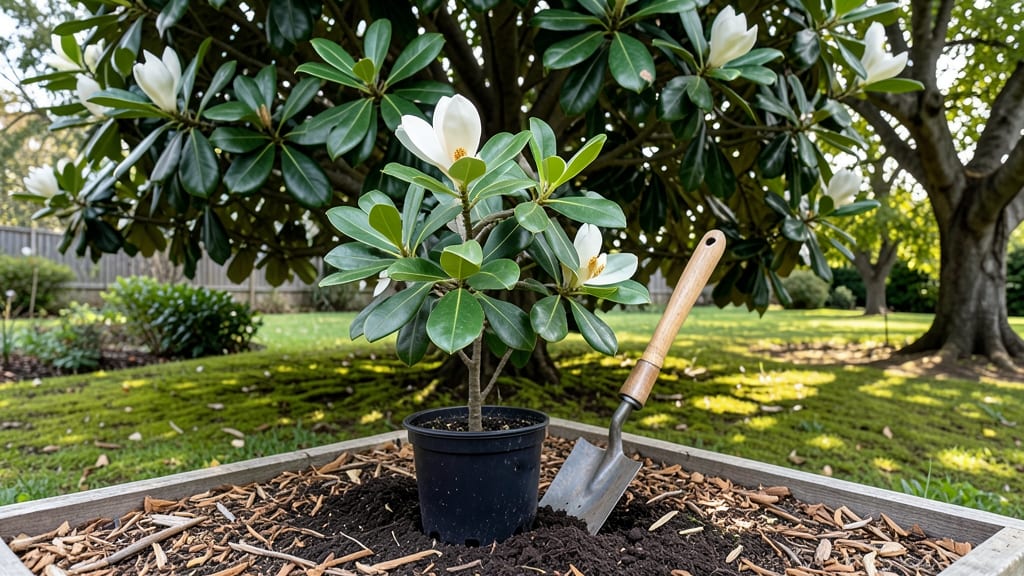
Starting a magnolia tree from seed or transplanting a sapling is one of those gardening projects that feels like a lifelong gift—you plant today, and in twenty years, your yard will have a towering, fragrant centerpiece. 🌿 The key to success lies in patience, the right soil, and a spot where it can grow undisturbed for decades.
Most beginners assume magnolias are fussy, but with the right approach, they're surprisingly forgiving once established.
Whether you're starting with a seedling or a young sapling, you'll need well-draining soil, a sunny location with afternoon shade, and consistent moisture during the first critical year. My first magnolia nearly died because I planted it in full sun—now I know to mimic its natural woodland edge habitat.
The payoff? A tree that lives for centuries and rewards you with velvety blooms in early spring.
You'll watch those first leaves unfurl into broad, glossy green canopies, and by year three, your little sapling will be putting on growth spurts that make it hard to believe it was ever so small.
The secret weapon is mulching heavily to protect roots and watering deeply but infrequently—think of it as giving your magnolia a drink, not a bath.
This method works for both Southern magnolias and smaller varieties like 'Little Gem,' though larger types need more space. Even in cooler climates, with the right site prep, you can grow a thriving magnolia that becomes the heart of your landscape. Let's get those roots in the ground.
📚 In This Guide
- What you need
- Instructions
- Tips and common mistakes
- Wrapping up and next steps
What you need
- ● Magnolia tree: Seedling (1–3 years old) – Best for beginners!
- ● Bare-root sapling (dormant season) – Check local nurseries for varieties like Magnolia grandiflora or Magnolia stellata.
- ○ Seed (optional) – Requires stratification; patience is key!
- ● Planting site: Well-draining soil (pH 5.0–7.0) – Amend with compost if needed.
- ● Sunlight: 6+ hours of sun daily (partial shade for tropical varieties).
- ● Space: 15–25 feet apart (depending on mature size).
- ● Tools: Shovel or trowel (for digging)
- ● Garden gloves (to protect your hands!)
- ● Pruning shears (sterilized)
- ● Mulch (2–4 inches of organic mulch, like pine bark or shredded leaves)
- ● Watering can or hose (with a gentle spray nozzle)
- ● Soil test kit – Ensures optimal pH and nutrients.
- ● Fertilizer (balanced, slow-release, or acidic for tropical magnolias)
- ● Tree stake (if planting in windy areas)
- ● Epsom salt (for magnesium-rich soil)
- ● Pest control (neem oil or insecticidal soap, if needed)
Step-by-Step instructions for growing a magnolia tree from seed
Here's the reliable method I've used to nurture these majestic trees from tiny seeds.
🌱 Step 1: Collect and Prepare Magnolia Seeds
Harvest seeds from ripe cones in late fall or early winter. The cones should open naturally, revealing large, dark seeds inside. I always wear gloves—magnolia seed coats are tough but can stain hands if handled too long. Remove the seeds immediately after collection to prevent mold or insect damage.
Clean the seeds by gently rubbing them between your fingers under running water to remove any remaining pulp. Let them dry completely on a paper towel for 3-5 days in a warm, dry place. Store them in a sealed container in the refrigerator until you're ready to plant—this stratification mimics winter conditions and breaks seed dormancy.
💧 Step 2: Stratify Seeds for Germination
Place the clean, dry seeds in a plastic bag with a moistened paper towel—just damp, not soaking wet. Seal the bag and store it in your refrigerator for 3-4 months. Check monthly to ensure the towel stays moist; if it dries out, spritz with water and reseal. This cold treatment is critical—without it, seeds may never sprout.
After 3-4 months, remove the seeds from cold storage and let them sit at room temperature for 1-2 weeks. You'll see tiny cracks in the seed coats as they begin to soften. This is your cue that germination is about to begin. Real talk: Patience here pays off—skipping stratification means waiting years for seeds to sprout.
☀️ Step 3: Plant Seeds in a Warm, Controlled Environment
Fill a 4-inch deep container with a mix of 50% peat moss and 50% perlite—this lightweight blend prevents rot while allowing roots to establish. Plant each seed ½ inch deep, spacing them 2 inches apart. I use small biodegradable pots because they make transplanting easier later. Water gently until the soil feels evenly moist but not soggy.
Place the container in a warm spot (70-75°F) with indirect light. A seedling heat mat helps maintain consistent warmth, which speeds up germination. Cover the container with clear plastic wrap to retain humidity, but remove it daily for 5 minutes to prevent mold. Germination can take 4-8 weeks, so don't give up if nothing appears immediately.
🌿 Step 4: Transplant and Care for Young Seedlings
Once seedlings develop 2-3 true leaves (not just the initial seed leaves), transplant them into 6-inch pots with a well-draining potting mix. I always use a mix of 60% garden soil, 30% compost, and 10% sand to replicate their natural forest floor environment. Water deeply after transplanting to help roots settle into their new home.
Move seedlings outdoors to a shaded, sheltered spot for 2-3 hours daily after 2 weeks. Gradually increase their time outside over 2-3 weeks to harden them off. You'll know they're ready for full sun when they show no signs of wilting or leaf scorch after a full day outside. Magnolias are slow growers—expect 1-2 feet of growth per year in ideal conditions.
Tips & tricks for growing a magnolia tree from seed
Real talk: Magnolia seeds need extra love to sprout—here's how to give them the best shot at success.
Stratification is Non-Negotiable: That 3-4 month cold treatment in Step 2 isn't optional—it mimics winter conditions and breaks the seed's natural dormancy. I've tried skipping it, and nothing happened for years. Place your sealed bag on a refrigerator shelf (not the crisper drawer) where temps stay consistently cold. If you're impatient, you can extend stratification up to 6 months for even better results, but don't go beyond that or you risk mold.
Soil Moisture Matters: In Step 3, when planting your seeds, aim for soil that feels like a wrung-out sponge—damp but not dripping. Overwatering causes rot, while underwatering prevents germination. I use a spray bottle to mist the soil daily during the 4-8 week germination period, keeping the plastic wrap slightly lifted to allow airflow during those 5-minute daily checks. A humidity dome helps maintain that perfect moisture balance without drowning the seeds.
Lighting Secret: While Step 3 calls for indirect light, I've found that placing your seedling container near a north-facing window (or under grow lights) gives the best results. Direct sunlight can scorch delicate seedlings, while too little light causes leggy, weak growth. If you notice seedlings stretching toward the light, rotate the container daily so they grow straight.
Transplanting Timing: Don't rush moving seedlings to larger pots in Step 4—wait until you see those 2-3 true leaves. The first leaves (cotyledons) aren't strong enough to support the transplant shock. When you do move them, handle the seedlings by their leaves, not the stems, to avoid damaging the delicate root systems. The 6-inch pots should have drainage holes to prevent waterlogging, which magnolias hate.
Pro Tips for Start A Magnolia Tree
- Real talk: Magnolia seeds need extra love to sprout—here's how to give them the best shot at success.
- Stratification is Non-Negotiable: That 3-4 month cold treatment in Step 2 isn't optional—it mimics winter conditions and breaks the seed's natural dormancy.
- Soil Moisture Matters: In Step 3, when planting your seeds, aim for soil that feels like a wrung-out sponge—damp but not dripping.
Frequently asked questions
Got questions about growing your own magnolia tree?
You’re not alone! Here are some of the most common concerns—and their answers—to help you get started with confidence.
When is the best time to plant a magnolia tree?
The ideal time to plant a magnolia is in early spring or fall when temperatures are mild. This gives the tree time to establish roots before extreme heat or cold sets in. Avoid planting in late summer or winter, as harsh conditions can stress young trees.
How much sunlight does a magnolia tree need?
Most magnolias thrive in partial shade to full sun, depending on the variety. Southern magnolias (like Magnolia grandiflora) tolerate full sun, while others (like Magnolia stellata) prefer dappled shade. Observe your tree’s leaves—yellowing can signal too much sun or shade.
Can I grow a magnolia tree from a cutting?
While possible, it’s challenging and less reliable than planting a nursery-grown sapling. Magnolias root poorly from cuttings, so beginners should opt for a young tree. If you’re determined, use semi-hardwood cuttings in late summer with rooting hormone for the best chance of success.
Why aren’t my magnolia leaves turning green?
Yellow or pale leaves often mean nutrient deficiencies, overwatering, or poor drainage. Check soil moisture—magnolias hate soggy roots. Amend soil with compost and ensure it drains well. A soil test can pinpoint missing nutrients like iron or nitrogen.
How do I protect my magnolia from pests?
Magnolias are generally pest-resistant, but watch for scale insects, spider mites, or borers. Spray with water to dislodge pests early. For severe infestations, use neem oil or insecticidal soap. Healthy soil and proper pruning reduce stress, making trees less vulnerable.
Still stumped? Drop your question in the comments—we’re happy to help your magnolia thrive!
Wrapping up and next steps
Starting a magnolia tree is a rewarding journey that combines patience, care, and a touch of nature’s magic. 🌿 From selecting the perfect variety to nurturing it with the right soil, sunlight, and pruning techniques, you’re now equipped to help your magnolia thrive for years to come.
Remember, every expert gardener began with a single seedling—your magnolia’s future beauty starts with the steps you take today!
Next step: Grab your gardening gloves, mark your calendar for seasonal tasks, and watch your magnolia grow into a stunning centerpiece of your landscape. Happy planting! 🌱