
Pruning
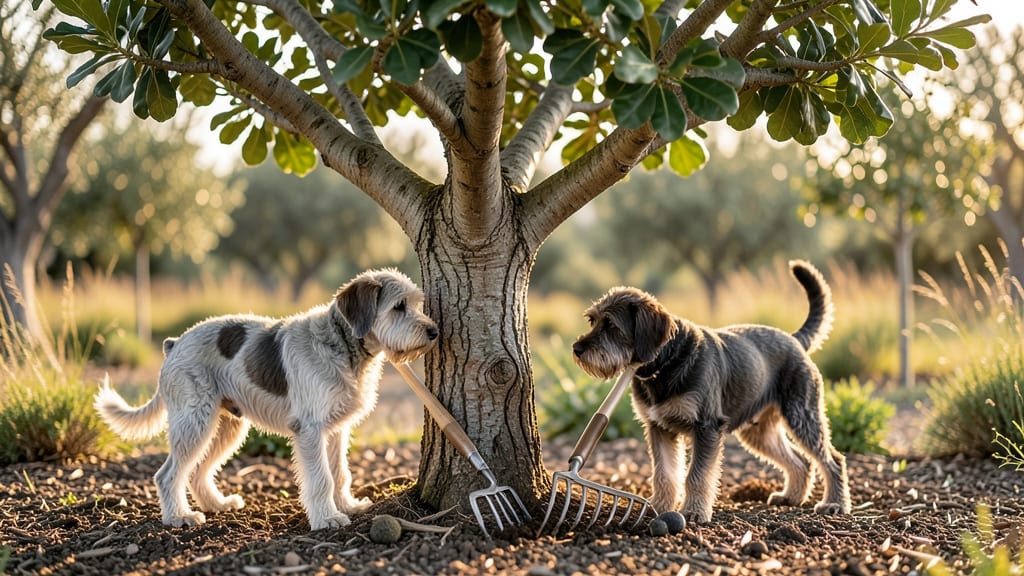
Growing truffles with trees isn’t just a fantasy—it’s a rewarding project that starts with the right late-winter pruning. ✨ I’ve watched my own truffle orchard transform from bare branches to lush canopies capable of hosting these prized fungi, and the secret lies in strategic cuts made when the tree is still dormant.
The timing matters because winter pruning minimizes stress on the tree while encouraging vigorous spring growth, which is exactly what truffle mycorrhizal fungi need to establish.
The right tree species makes all the difference—hazelnut, oak, or beech are classic choices because they naturally host truffles. You’ll also need well-draining soil, a sunny spot with partial shade, and patience (truffles take 3-5 years to fruit).
Start by inoculating the roots with truffle spores at planting, then focus on maintaining healthy soil and consistent moisture. The payoff? A fragrant, earthy harvest that turns your yard into a gourmet goldmine.
By late winter, you’ll be shaping your truffle tree’s future—cutting back dead wood and opening the canopy to sunlight. This isn’t just about aesthetics; it’s about creating the ideal environment for truffle growth.
Think of it as giving your tree a fresh start before the fungi do. The result? Stronger branches, better air circulation, and a tree primed for truffle production when the time comes.
This method works for both backyard growers and larger orchards, though smaller trees are easier to manage. Whether you’re starting with saplings or established trees, the late-winter approach sets you up for success.
Ready to turn your garden into a truffle treasure? Let’s get those pruners out and plan your cuts.
📚 In This Guide
- What you need
- Instructions
- Tips and common mistakes
- Wrapping up and next steps
What you need
- ● Pruning shears: Sharp, bypass-style shears (20–24" length) for clean cuts on small branches.
- ● Loppers: 1 pair (24–32" handles) for thicker branches (up to 2" diameter).
- ● Pruning saw: Folding handsaw (8–10" blade) for branches over 2" thick.
- ● Disinfectant: 70% isopropyl alcohol or a pruning sealant (like Tanglefoot Pruning Seal) to prevent disease.
- ● Gloves: Heavy-duty gardening gloves (cut-resistant for safety).
- ● Work boots: Sturdy, ankle-supporting boots (truffle trees can be tall and sprawling!).
- ● Pruning paint: Tree wound dressing (like TreeHelp) to seal large cuts (controversial but some swear by it!).
- ● Extension pole: 6–10' adjustable pole pruner for high branches.
- ● Notebook & pen: To sketch a pruning map of your tree’s structure.
- ● Cleanup bag: Heavy-duty contractor bags (30–50 gallon) for debris.
- ● Safety goggles: To shield eyes from flying sap or debris.
- ● Confirm your truffle tree is dormant (late winter, before bud break—typically January–March, depending on climate).
- ● Check local pruning regulations if your tree is near power lines or in a HOA area.
- ● Have a clear day (no rain/snow) for safety and visibility.
- ● Review your tree’s growth habits (e.g., Tuber melanosporum vs. Tuber aestivum) for species-specific tips.
Step-by-step guide to late-winter pruning for truffle trees
Here’s how to shape your truffle trees for a fuller, healthier canopy—just in time for spring growth.
⏰ Step 1: Time Your Cuts for Maximum Growth
Late winter is the ideal window—right after the last hard frost but before buds swell. In most climates, this falls between mid-February and early March. You’ll know it’s the right moment when the tree is still dormant but the air feels noticeably warmer. Cutting too early risks frost damage; waiting too long encourages new growth that can’t survive spring frosts.
I like to mark the date on my calendar the year before. Truffle trees respond better to pruning when they’re not stressed by summer heat or winter cold. If you missed the window, wait until early spring—just avoid pruning after buds break.
✂️ Step 2: Remove Dead, Diseased, or Crossing Branches
Start by inspecting the canopy for deadwood—branches that snap when bent or have no bark. Use sharp, clean pruners to cut these back to the trunk or a healthy lateral branch. Next, look for crossing branches that rub against each other; these create wounds where disease can enter. Remove the smaller of the two to maintain the tree’s natural shape.
For diseased branches, sterilize your pruners with rubbing alcohol between cuts to prevent spreading pathogens. You’ll see healthy wood as smooth, greenish-brown bark, while deadwood feels brittle and may crumble. If a branch is larger than ½ inch thick, make the cut just outside the branch collar—the swollen area where the branch meets the trunk.
☀️ Step 3: Thin the Canopy for Better Airflow
Truffle trees thrive with open, airy canopies that allow sunlight to reach the lower branches. Focus on removing 10-20% of the total branches, prioritizing those growing inward or upward. Start at the outer edges and work inward, cutting back to a lateral branch or bud that faces outward. This encourages a rounded, balanced shape.
I aim for a sunlight-to-shade ratio of about 60:40 by midday. If you’re unsure, step back and look at the tree from all sides—gaps should let light filter through to the center. Avoid heavy pruning in one area; distribute cuts evenly to prevent stress. You’ll notice new buds forming along the remaining branches within weeks.
🌱 Step 4: Shape for Future Truffle Production
Truffle trees produce best when their canopies are well-aerated and evenly distributed. After thinning, step back and visualize the tree’s future shape. For young trees, focus on creating a central leader—the main vertical trunk—with evenly spaced lateral branches. Mature trees benefit from selective pruning to maintain a rounded form, which maximizes truffle-producing soil contact.
Here’s the thing—truffle trees reward patience. If you prune too aggressively, you’ll delay fruiting. Instead, aim for moderate cuts that stimulate growth without overwhelming the tree. After pruning, water deeply to help the tree recover. You’ll see fresh, vibrant growth by early spring—a sure sign your cuts were successful.
Tips & tricks for perfect late-winter pruning of truffle trees
Late-winter pruning transforms your truffle trees from dormant to thriving—here’s how to maximize your effort.
Timing Tip: The mid-February to early March window is critical for truffle trees because this is when they’re fully dormant but about to wake up. I check my local frost dates and mark the calendar a year ahead—this ensures I’m ready when the moment arrives. If you’re in a warmer climate, wait until late February to avoid encouraging premature budding that could be damaged by late frosts.
Branch Selection Strategy: When removing crossing branches in Step 2, always cut the smaller of the two—this maintains the tree’s natural shape while reducing competition for nutrients. For branches over ½ inch thick, make your cut just outside the branch collar (that swollen area where the branch meets the trunk) to promote faster healing. I’ve seen pruning wounds heal dramatically better when this technique is followed.
Canopy Balance: That 10-20% thinning target in Step 3 might seem vague, so here’s my trick: stand back and visualize sunlight filtering through. You should be able to see light reaching the center of the canopy by midday. If you’re unsure, remove every other branch growing inward—this automatically creates that open, airy structure truffle trees love. Think of it as creating a natural trellis for sunlight.
Pro Tips for Truffle A Tree
- Late-winter pruning transforms your truffle trees from dormant to thriving—here’s how to maximize your effort.
- Timing Tip: The mid-February to early March window is critical for truffle trees because this is when they’re fully dormant but about to wake up.
- Branch Selection Strategy: When removing crossing branches in Step 2, always cut the smaller of the two—this maintains the tree’s natural shape while reducing competition for nutrients.
Frequently asked questions
Got questions about truffle trees and late-winter pruning? You’re not alone—growing these prized fungi hosts can be tricky! Here are answers to the most common queries to help you cultivate a thriving truffle tree with confidence.
What’s the best time of year to prune a truffle tree for canopy growth?
Late winter (just before buds swell) is ideal—typically January to early March in most climates. This timing promotes vigorous spring growth while minimizing stress. Avoid pruning in fall or early winter, as the tree’s energy is focused on dormancy. Pro tip: Prune on a dry, frost-free day to reduce disease risk.
Can I grow truffles without a dedicated truffle tree, like using oak or hazelnut?
Truffles thrive on host trees like oak, hazelnut, or even pine—just ensure the species is compatible with your climate. For example, Tuber melanosporum (black truffle) pairs best with oak, while Tuber aestivum (summer truffle) loves hazelnut. Start with nursery-grown truffle-inoculated trees for guaranteed success.
How much of the tree should I cut back during late-winter pruning?
Aim to remove 15–25% of the canopy, focusing on:
- Dead, diseased, or crossing branches
- Suckers (shoots from the base)
- Overcrowded growth to improve airflow
Why aren’t my truffle trees producing truffles yet? What’s going wrong?
Patience is key—truffle trees take 3–10 years to mature! Common delays include:
- Insufficient mycorrhizal colonization (test soil or replant with inoculated roots)
- Poor drainage or acidic soil (pH 7.5–8.5 is ideal)
- Inconsistent moisture (keep soil evenly damp, not soggy)
Are there any low-maintenance alternatives to traditional truffle trees?
Yes! Consider:
- Truffle sausage kits: Pre-inoculated wood chips for DIY planting (great for beginners).
- Container-grown truffle trees: Dwarf varieties like Tuber borchii (white truffle) thrive in pots.
- Native mycorrhizal networks: Plant companion species (e.g., thyme, lavender) to boost fungal activity.
Wrapping up and next steps
Growing a truffle tree is a rewarding journey that combines patience, care, and a touch of culinary magic! 🌱 By mastering late-winter pruning techniques, you’ll encourage a stronger canopy, healthier roots, and—eventually—those coveted truffles. Whether you’re a seasoned gardener or just starting, every snip brings you closer to success.
Ready to take the next step? Start small:
- Research the best truffle tree variety for your climate.
- Gather your tools and mark your calendar for late winter.
- Join a local gardening group for tips and inspiration!