
Pruning
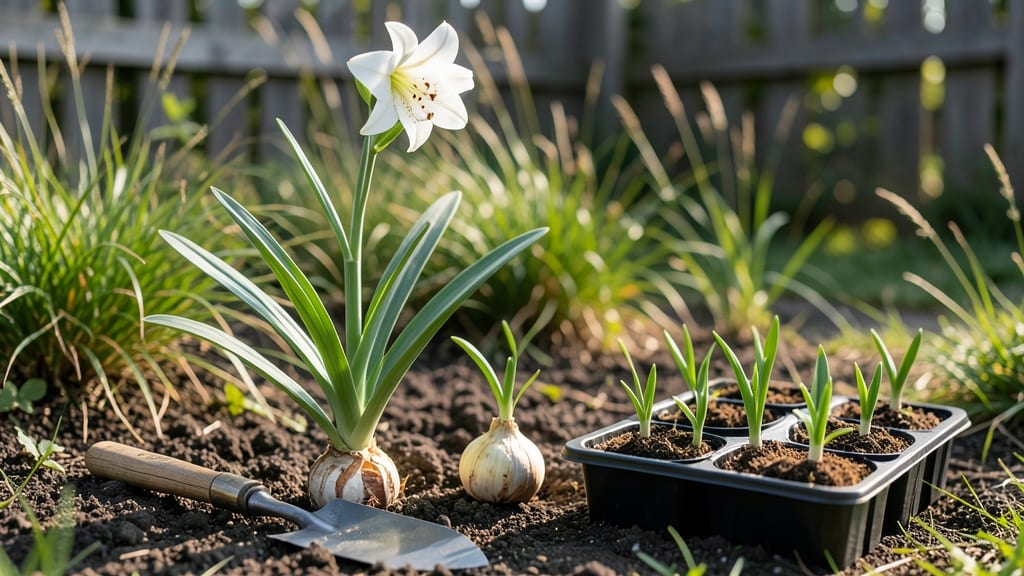
Planting tree lily bulbs in the Pacific Northwest means you can finally stop worrying about frost damage and start enjoying their bold, tropical-looking blooms every summer.
I’ve planted these hardy beauties in my own yard for three seasons now, and they’ve become my go-to for adding drama without the fuss of tropical plants that won’t survive our winters.
The key is timing—get them in the ground at just the right moment, and they’ll reward you with sword-like foliage and striking flowers that emerge even when other perennials are still sleeping.
You’ll need well-draining soil, a sunny spot, and patience—tree lilies take a year or two to really establish, but once they do, they’ll spread and multiply on their own.
The bulbs themselves are surprisingly tough, handling our wet winters and dry summers with ease, though they do appreciate a little extra moisture during their first growing season. I’ve found that planting them in clusters of three to five mimics their natural growth patterns and creates a more impressive display.
By late summer, you’ll be rewarded with clusters of vibrant, bell-shaped blooms that look like they belong in a jungle rather than your garden. The foliage alone is striking—long, strappy leaves that add texture even when the flowers aren’t in bloom.
And because these bulbs are frost-resistant, you can plant them in early fall or even late winter without fear of losing them to a cold snap.
If you’ve ever struggled with finicky tropical plants or wanted to add some wow factor to your garden without the high maintenance, tree lilies are your answer. They’re perfect for borders, woodland gardens, or even containers if you’re working with limited space.
Let’s get those bulbs in the ground so you can enjoy their beauty for years to come.
📚 In This Guide
- What you need
- Instructions
- Tips and common mistakes
- Wrapping up and next steps
What you need
- ● Tree lily bulbs: Choose high-quality, firm bulbs (e.g., Lilium superbum or Lilium philadelphicum). Quantity depends on your garden size—aim for 3-5 bulbs per 10 sq. ft. for a lush display.
- ● Well-draining soil: A mix of native soil, compost (50%), and perlite/sand (20-30%) to prevent rot. Test soil pH (ideal: 6.0-7.0).
- ● Garden trowel or bulb planter: A 6-8 inch blade for digging holes (2-3x the bulb’s width).
- ● Organic mulch: 3-4 inches of shredded bark, straw, or wood chips to retain moisture and regulate temperature.
- ● Watering can or hose with a gentle spray nozzle: For deep watering (1-1.5 inches per week) after planting.
- ● Garden gloves: To protect your hands from thorns (some tree lilies have mild ones!).
- ● Planting calendar reference: Mark your Pacific Northwest frost dates (typically October-November for fall planting or March-April for spring).
- ● Bulb fertilizer: A low-nitrogen, phosphorus-rich formula (e.g., 5-10-10) to encourage root growth. Apply 1 tbsp per bulb at planting.
- ● Soil moisture meter: To check if your tree lilies need watering (ideal soil moisture: 60-70%).
- ● Frost cloth: Lightweight fabric to protect young shoots if an unexpected late frost hits (common in PNW!).
- ● Stakes or cages: For tall varieties (e.g., Lilium superbum), use 4-5 ft stakes to support stems as they grow.
- ● Compost tea or mycorrhizal fungi: Boosts soil microbes for healthier bulbs (1 cup per planting hole).
How to plant tree lily bulbs for a reliable Pacific Northwest display
Here’s the foolproof schedule I’ve used for years to get vibrant tree lilies thriving through PNW winters.
Choose the Right Planting Window for Your Zone
Tree lilies (Fritillaria uva-vulpis) in the Pacific Northwest handle cold beautifully, but timing matters. Plant bulbs in late summer to early fall, ideally 6-8 weeks before your first hard frost. For most of the PNW (Zones 7-9), that means mid-August through September. The bulbs need time to establish roots before winter, but planting too early can trigger premature growth.
I always check the USDA frost map for my exact location—Seattle’s first frost often hits in mid-November, so I aim to finish planting by late October. If you’re in a cooler mountain zone (like the Cascades), shift planting to late August to avoid early frosts catching tender shoots.
Prepare the Soil and Planting Site
Tree lilies love well-draining soil—they rot easily in soggy ground. Amend your soil with 2-3 inches of coarse sand or perlite mixed into the top 6 inches of soil. If your yard has heavy clay, dig a 6-inch-deep trench filled with a mix of 50% garden soil and 50% gritty sand for perfect drainage.
Choose a spot with partial shade—morning sun and afternoon shade work best in hotter inland areas, while coastal zones can handle full sun. Avoid low spots where water pools. I mark the planting area with wooden stakes to keep track, since tree lilies multiply slowly and you’ll want to avoid disturbing them once established.
Plant Bulbs at the Correct Depth and Spacing
Tree lily bulbs are small and round, about the size of a golf ball. Plant them 3-4 inches deep—deeper in sandy soil, shallower in clay. Space bulbs 4-6 inches apart in rows 12 inches apart to allow for future clumping. I use a trowel to dig holes, then gently place each bulb with the pointy end up (though they’ll often right themselves).
Cover the bulbs with soil and water lightly to settle everything. Don’t overwater now—you’re not trying to germinate them yet, just helping them settle. If your soil is very dry, give it a deep soak, but avoid soggy conditions. Mulch with 2 inches of straw to protect against winter heaving and retain moisture.
Water and Monitor Through Winter
After planting, water once every 2-3 weeks until early November to encourage root growth, but stop once the ground freezes. Tree lilies are drought-tolerant once established, but young bulbs need consistent moisture. You’ll know they’re happy when you see new leaves in early spring—that’s your sign the roots took hold.
In winter, leave the mulch in place—it insulates bulbs from temperature swings. If you get heavy snow, a light dusting is fine, but shovel deep accumulations to prevent rot. By late winter, you’ll spot pink or white flower spikes emerging—this is the moment you’ll know your timing paid off.
Maintain and Enjoy Year After Year
Once established, tree lilies need minimal care. Water only during dry spells in summer, and remove spent flower stalks after blooming to redirect energy to bulb growth. Fertilize lightly in early spring with a balanced 10-10-10—too much nitrogen makes them floppy. I’ve had the same clumps thrive for 10+ years with zero division.
Here’s the thing—tree lilies naturalize slowly, so don’t expect a forest of them overnight. But after 3-4 years, you’ll get clumps of 5-10 bulbs, and they’ll spread gradually. The real reward? Fewer pests than tulips or daffodils, and longer bloom times in partial shade.
Tips & tricks for perfect tree lily planting in the Pacific Northwest
These practical pointers will help you avoid common pitfalls and get your frost-resistant tree lilies off to the best possible start.
Timing is Everything: The 6-8 week window before your first hard frost is critical for root establishment. If you're unsure about your exact frost date, use the USDA frost map and add 6 weeks to get your planting window. For example, if your first frost typically hits November 15th, aim to finish planting by October 1st. This gives roots just enough time to anchor before winter dormancy begins.
Soil Preparation Secret: When amending your soil with the 2-3 inches of coarse sand or perlite, mix it into the top 6 inches—not just the surface. This creates a well-draining layer throughout the root zone. For heavy clay soils, I've found that creating a 6-inch-deep trench filled with equal parts soil and gritty sand works even better than mixing. This prevents water pooling right at the bulb level where it could cause rot.
Planting Depth Visual: Remember that tree lily bulbs should go 3-4 inches deep—about two knuckles deep if you're using your fingers as a guide. In sandy soil, you can plant slightly deeper (up to 4 inches), while clay soils should get the shallower end (around 3 inches). The pointy end should always face up, though they often right themselves if planted upside down. This orientation helps prevent water from pooling around the bulb's growing point.
Winter Care Strategy: That 2 inches of straw mulch you apply after planting serves double duty—it protects against winter heaving AND retains moisture during those critical early weeks. In particularly snowy winters, I've found that a light dusting of snow actually helps insulate the bulbs, but deep accumulations should be shoveled away to prevent compaction. The mulch should stay in place until early spring when you'll see those first green leaves emerge.
Pro Tips for Tree Lily Bulbs
- These practical pointers will help you avoid common pitfalls and get your frost-resistant tree lilies off to the best possible start.
- Timing is Everything: The 6-8 week window before your first hard frost is critical for root establishment.
- Soil Preparation Secret: When amending your soil with the 2-3 inches of coarse sand or perlite, mix it into the top 6 inches—not just the surface.
Frequently asked questions
Got questions about planting, caring for, or troubleshooting tree lily bulbs? You’re not alone! Here are answers to the most common queries from gardeners—especially those in the Pacific Northwest—so you can grow these stunning perennials with confidence.
When is the best time to plant tree lily bulbs in my region?
For the Pacific Northwest, aim to plant tree lily bulbs in early fall (September–October), about 6–8 weeks before the ground freezes. This gives roots time to establish before winter. If you miss this window, spring planting (March–April) works too—just water deeply to help them settle in.
Are tree lilies truly frost-resistant? How do I protect them in harsh winters?
Yes! Tree lilies (Notholirion spp.) are hardy to USDA Zones 5–8 and handle frost well. However, in Zone 5 or colder, mulch heavily (4–6 inches) with straw or shredded leaves after the ground freezes. Avoid heavy mulch in wet climates to prevent rot. Their foliage often dies back in winter—just leave it until spring!
How deep and far apart should I plant tree lily bulbs?
Plant bulbs 6–8 inches deep and 8–12 inches apart for mature clumps. Dig a hole twice as wide as the bulb to encourage root spread. In heavy clay soils (common in PNW), mix in compost or sand to improve drainage. Pro tip: Orient the bulb with the pointed end up for best growth!
My tree lilies aren’t blooming. What’s wrong?
Common culprits: too much shade (they need partial sun), overcrowded bulbs (dig up and divide clumps every 3–4 years), or poor soil. Amend soil with phosphorus-rich compost to boost blooms. If leaves appear yellow, check for overwatering—tree lilies prefer well-draining soil.
Can I grow tree lilies in containers? What’s the best setup?
Use a large pot (12+ inches deep) with fast-draining mix (cactus/succulent blend + perlite). Plant 2–3 bulbs per container and place in bright, indirect light. In winter, move pots to a garage or insulated porch (above freezing) if temps drop below 20°F. Drainage holes are a must—root rot is their #1 enemy!
Wrapping up and next steps
Growing tree lily bulbs in the Pacific Northwest is a rewarding journey—especially when you align planting with the region’s unique climate! 🌿 With the right timing, soil prep, and a little patience, you’ll enjoy their striking foliage and fragrant blooms for years.
Whether you’re a seasoned gardener or just starting, these frost-resistant beauties make a stunning addition to any landscape.
Ready to take the next step? Mark your calendar, gather your supplies, and dive in! Start small with a few bulbs, experiment with placement, and watch your garden transform. Happy planting—your future tree lilies are waiting! 🌱✨