
Pruning
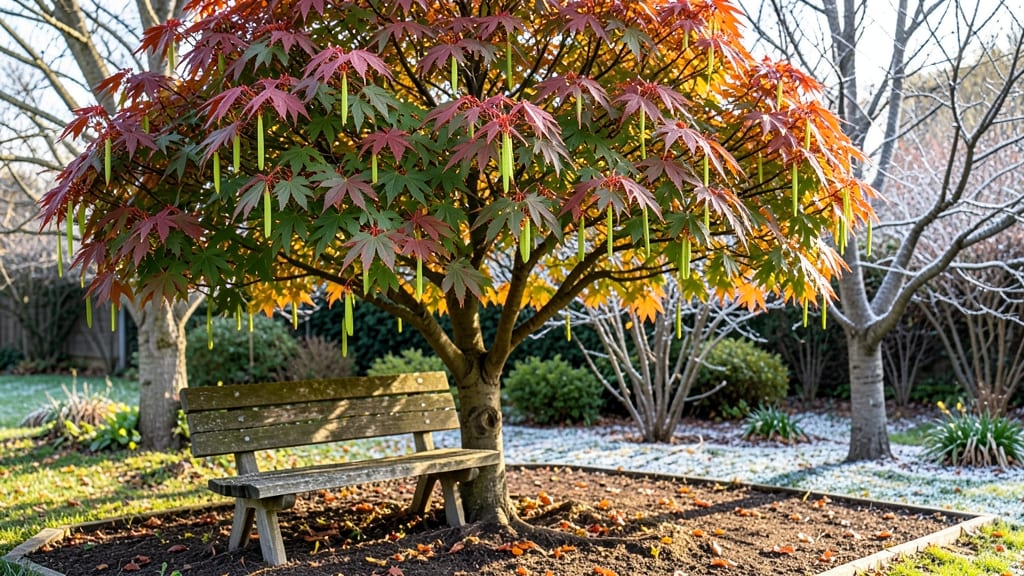
A tree in different seasons reveals nature’s most dramatic show—from delicate spring blossoms to fiery autumn foliage. 🌿 I’ve watched my Pacific Northwest dogwood shift from pink buds to crimson leaves, and each season demands a different kind of care.
The key isn’t just pruning; it’s understanding how growth cycles shape your tree’s health and beauty.
Spring is all about cleanup: remove dead branches before new growth starts, and shape the canopy to encourage airflow. Summer’s the time to trim for form, while autumn’s vibrant hues signal a final pruning to prepare for winter’s dormancy.
Winter, though quiet, is when you plan—studying branch structure and identifying next year’s growth points.
You’ll end up with trees that thrive year-round, their branches heavy with seasonal interest. The dogwood’s spring blooms return more vibrant, the maple’s fall colors deepen, and the evergreen stays lush even in Pacific Northwest’s damp winters. This isn’t just pruning; it’s a year-long conversation with your trees.
Whether you’re working with a young sapling or a mature oak, the same principles apply. The Pacific Northwest’s mild winters and wet summers create unique conditions—knowing how to adapt your pruning makes all the difference. Let’s get started with the seasonal blueprint that keeps your trees stunning in every month.
📚 In This Guide
- What you need
- Instructions
- Tips and common mistakes
- Wrapping up and next steps
What you need
- ● Bypass Pruners: 1 pair (for cuts up to ½ inch thick)
- ● Anvil Pruners: 1 pair (for thicker branches, ¾ inch or less)
- ● Loppers: 1 pair (for branches 1–2 inches thick)
- ● Pruning Saw: 1 (for branches 2+ inches thick, with a curved blade for smooth cuts)
- ● Extension Pole Saw: 1 (for high branches, 6–10 feet reach)
- ● Gloves: 1 pair (cut-resistant, like those rated for gardening or landscaping)
- ● Safety Glasses: 1 pair (to protect against debris)
- ● Work Boots: 1 pair (with sturdy soles for uneven terrain)
- ○ Pruning Sealant: 1 small bottle (optional, for large cuts to prevent disease)
- ● Disinfectant: 1 bottle (70% isopropyl alcohol or a commercial pruning spray)
- ● Heavy-Duty Trash Bags: 2–3 (for debris disposal)
- ● Rake or Leaf Blower: 1 (to clear fallen leaves and small debris)
- ● Measuring Tape: 1 (for assessing branch thickness and spacing)
- ● Notebook & Pen: 1 (to sketch pruning plans or track seasonal changes)
- ● Rain Gear: 1 lightweight jacket and pants (for unpredictable weather)
- ● Slip-Resistant Socks: 1 pair (wet moss and roots can be slippery!)
- ● Local Tree Guide: 1 printed or digital copy (to identify native PNW species like Douglas fir, maple, or cedar)
- ● Ladder: 1 (aluminum or fiberglass, 12–16 feet, with stabilizers)
- ● Tree Stake & Ties: 1 set (for supporting young or newly pruned trees)
- ● Camera: 1 (to document seasonal changes or share progress!)
- ● Hot Chocolate or Coffee: 1 thermos (because PNW mornings are chilly! ☕)
How to prune trees through all four seasons in the Pacific Northwest
Here's the seasonal rhythm I've perfected for keeping trees healthy and thriving in our wet, mild climate.
🌱 Step 1: Winter Pruning (Late Dormancy, January-February)
This is the best time to remove dead, diseased, or crossing branches. The tree's energy is dormant, so it won't bleed sap excessively. Look for branches that are completely bare, have no green tissue when cut, or intersect with others at sharp angles—these are your targets.
Use sharp, clean pruning shears to make cuts just outside the branch collar (that swollen area where the branch meets the trunk). I like to make a small undercut first to prevent bark from tearing, then a top cut following the branch's natural angle. For larger branches over 2 inches thick, use a pruning saw instead.
After pruning, sterilize your tools with rubbing alcohol to prevent spreading disease between cuts. In the PNW's damp winters, fungal spores can linger on tools and infect fresh wounds. I always wipe down my shears between each cut to stay safe.
☀️ Step 2: Early Spring Pruning (March-April, Before Bud Break)
Focus on shaping the tree and removing any water sprouts that appeared over winter. These are the fast-growing, vertical shoots that steal energy from the main structure. You'll spot them easily—they're thin, upright, and often appear in clusters.
This is also when you should thin the canopy by removing branches that grow inward. I aim to create an open center that allows sunlight to reach the inner branches. For each branch I remove, I look for one growing in the opposite direction to maintain balance. Never remove more than 25% of the tree's foliage in one season.
Watch for bud swell as a signal that spring is approaching. Once you see buds beginning to plump up, it's time to stop pruning. Pruning after bud break stresses the tree and can lead to excessive sap flow or dieback.
✂️ Step 3: Summer Pruning (June-August, After New Growth)
Light summer pruning focuses on removing only the most problematic branches—those that are rubbing against others, growing at odd angles, or showing signs of disease. The goal here is minimal intervention. I typically remove no more than 10% of the tree's foliage during summer months.
Look for branches that have grown too long and are now blocking sunlight from reaching lower branches. These can be trimmed back to a lateral bud that faces the direction you want growth to continue. Always make cuts just above a leaf node or bud to encourage proper regrowth.
In our wet summers, keep an eye out for fungal infections like anthracnose. If you see dark, sunken spots on leaves or branches, remove and dispose of infected material immediately. I always wear gloves during summer pruning to protect against both fungal spores and potential insect bites.
🍂 Step 4: Fall Pruning (September-October, Before Leaf Drop)
Late fall is the time to remove any suckers that have appeared at the base of the tree. These are the vigorous shoots growing from the roots or trunk. They compete with the main structure for nutrients and should be cut at ground level with a clean cut.
This is also when you can do some light structural pruning to prepare the tree for winter. Remove any branches that are dying back or showing signs of stress. I look for branches that have lost most of their leaves early or have deadwood at the tips. These are clear candidates for removal.
Stop pruning completely once you see leaves beginning to change color. Pruning after leaf drop can stimulate new growth that won't harden off properly before winter. The tree needs time to prepare for dormancy, and late pruning disrupts that process.
Tips & tricks for seasonal tree pruning in the Pacific Northwest
These practical insights will help you prune like a pro while keeping your trees thriving year-round in our unique climate.
Tool Preparation: Always sharpen your pruning shears and saws before each season—dull tools crush branches instead of making clean cuts. I test my shears by cutting a piece of paper; if it tears instead of cleanly cutting, it's time to sharpen. For larger branches, a pruning saw with a fine-toothed blade prevents splintering. Remember, the cleaner the cut, the faster the wound seals and the less stress on the tree.
Seasonal Timing Secrets: In Step 1 (winter), don't rush—wait until late dormancy when temperatures consistently stay below freezing at night. For Step 2 (early spring), mark your calendar for March 15th as your cutoff date for finishing pruning before bud break. I've learned the hard way that pruning too early in spring can stimulate weak growth that won't survive our wet winters. The key is working just before the tree wakes up but hasn't started growing yet.
Visual Cues for Healthy Cuts: When making cuts in Step 3 (summer), look for the branch collar—the swollen area where the branch meets the trunk. Your cut should be just outside this collar, following the branch's natural angle. For branches thicker than 2 inches, make a small undercut first to prevent bark from tearing when you make the top cut. This technique is especially important in our wet climate where wounds take longer to heal.
Disease Prevention: After each cut, especially in our damp summers, immediately wipe your tools with rubbing alcohol. I keep a small bottle in my pruning kit and sterilize between every 3-4 cuts. For infected branches, seal the wound with tree wound sealant (available at garden centers) to prevent fungal entry points. The PNW's high humidity makes fungal infections like anthracnose particularly aggressive—don't skip this step!
Pro Tips for Tree In Different Seasons
- These practical insights will help you prune like a pro while keeping your trees thriving year-round in our unique climate.
- Tool Preparation: Always sharpen your pruning shears and saws before each season—dull tools crush branches instead of making clean cuts.
- Seasonal Timing Secrets: In Step 1 (winter), don't rush—wait until late dormancy when temperatures consistently stay below freezing at night.
Frequently asked questions
Got questions about keeping your Pacific Northwest trees thriving through every season? We’ve got answers! Whether you’re a new pruner or a seasoned gardener, these FAQs will help you navigate the year-round care your trees deserve.
When is the best time to prune trees in the Pacific Northwest?
The PNW’s mild, wet climate means pruning can happen year-round, but timing matters! Late winter to early spring (Feb–March) is ideal for most trees—it removes winter-damaged branches and promotes healthy growth before summer. Evergreens can be pruned lightly in summer (June–August) to avoid stressing them. Avoid heavy pruning in fall, as it can stimulate late-season growth vulnerable to frost.
Should I prune trees in winter?
Light pruning in winter (Dec–Jan) is safe for dormant trees—just avoid extreme cold snaps. Focus on removing dead, broken, or diseased branches. Never prune in freezing temps (below 20°F), as it can harm the tree. Winter pruning also makes it easier to spot issues like cankers or pest damage. Pro tip: Clean tools with rubbing alcohol after winter pruning to prevent spreading fungal spores!
Can I prune trees in summer?
Summer pruning is best for shaping evergreens and fruit trees, but do it carefully! Prune on cool, overcast days (June–August) to reduce stress. Avoid heavy pruning—stick to light shaping or deadwood removal. Never prune in heatwaves (above 85°F), as it can shock the tree. Water deeply before and after pruning to help recovery.
What if I accidentally prune at the wrong time?
Don’t panic! Minor mistakes won’t kill a healthy tree. If you pruned too late (fall/winter), monitor for signs of stress (yellowing leaves, slow growth). For summer pruning mistakes, water thoroughly and avoid fertilizing until spring. Severe over-pruning (more than 25% of foliage) may require professional help—but most trees bounce back with proper care!
Are there trees I should never prune myself?
Yes! Large or mature trees (especially near structures), diseased trees, or species like Douglas firs or bigleaf maples often need professional pruning. If your tree is over 50 feet tall, has rot or large cavities, or is near power lines, call an ISA-certified arborist. Safety first—PNW storms can turn pruning hazards into emergencies!
Wrapping up and next steps
From the vibrant greens of spring to the quiet beauty of winter, your Pacific Northwest garden thrives when you embrace the year-round rhythm of pruning. 🌿 Each season offers a unique opportunity to nurture your trees—whether it’s shaping growth in summer, preparing for dormancy in fall, or protecting against winter’s chill.
Remember, the key is consistency and care, not perfection.
Ready to transform your garden? Grab your tools, step outside, and start small—one tree at a time. Watch as your hard work blooms into healthier, more resilient trees that stand tall through every season! 🌳✨