
Pruning
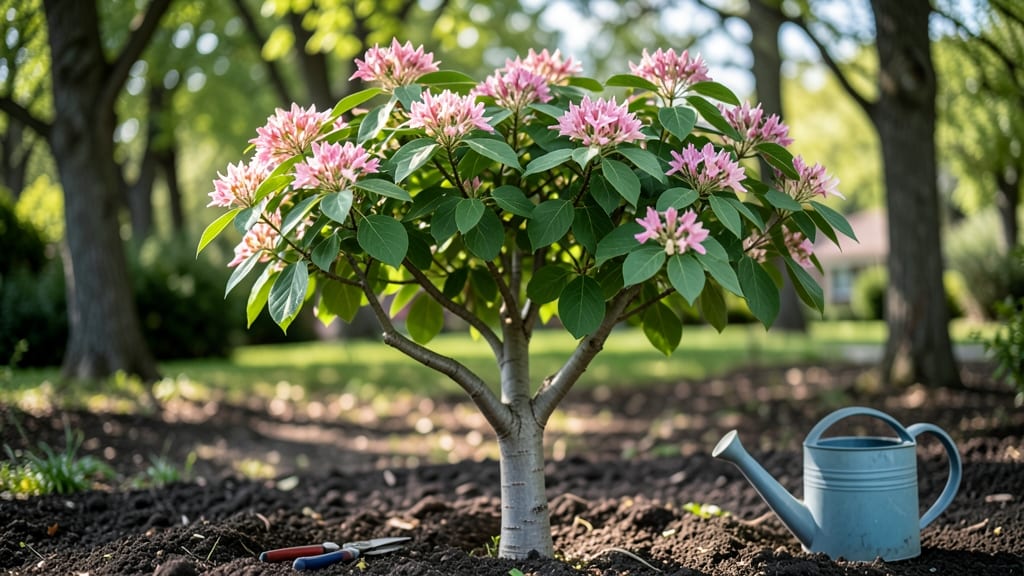
These pink dogwood tree images capture how their breathtaking blooms defy winter’s chill and transform Pacific Northwest gardens. I’ve watched mine stand tall after frost, their branches heavy with blossoms when other trees still sleep.
The secret isn’t luck—it’s knowing when and how to prune for resilience, so you get more of that showstopping color year after year.
These trees thrive as focal points in any landscape, whether planted alone as a statement piece or grouped with ferns, rhododendrons, or early-blooming bulbs. Their velvety foliage turns a rich bronze in fall, adding another layer of seasonal drama.
The key? Pruning in late winter to encourage strong growth while keeping the tree’s natural shape—no fancy tools or expertise required.
Imagine your garden in late spring, when the air hums with bees and the tree bursts into soft pink clouds of blooms. With the right pruning, you’ll get thicker branches, more flowers, and a tree that outshines neighbors’ landscapes.
The best part? These trees handle our region’s damp winters like champs, so you won’t be replanting every few years.
We’ll cover how to time your cuts, which branches to keep (and which to trim), and how to pair dogwoods with other plants for year-round interest. Whether you’re designing a new garden or refreshing an old one, this tree is your secret weapon for effortless beauty.
📚 In This Guide
- What you need
- Instructions
- Tips and common mistakes
- Wrapping up and next steps
What you need
- ● Pruning shears – Bypass pruners (for small branches, 2–4 inches thick) or anvil pruners (for thicker branches, up to 1 inch). Choose sharp, high-quality tools for clean cuts. 🌿
- ● Loppers – Bypass loppers (for branches 1–3 inches thick). Look for long handles (24–36 inches) for better leverage.
- ● Pruning saw – A folding pruning saw for branches thicker than 3 inches. Opt for a fine-toothed blade to avoid tearing.
- ● Extension pole – A 3–6 foot telescoping pole with a pruning saw or shears attachment for high branches.
- ● Garden gloves – Heavy-duty, cut-resistant gloves (e.g., 12–14 gauge) to protect your hands from thorns and rough bark.
- ● Disinfectant – Rubbing alcohol (70% isopropyl) or a commercial pruning sealant to sterilize tools between cuts and prevent disease spread.
- ○ Pruning sealant – Tree wound paint (optional for dogwoods, as they heal well without it, but useful for larger cuts).
- ● Ladder – A stable, extendable ladder (if your tree is over 10 feet tall). Ensure it’s rated for your weight and secured on level ground.
- ● Work boots – Waterproof, slip-resistant boots for comfort and safety, especially in wet Pacific Northwest conditions.
- ● Safety glasses – To protect your eyes from debris, especially when using a pruning saw.
- ● Notebook & pen – To sketch a simple pruning map of your tree’s structure before you start.
- ● Timing – Prune during the dormant season (late fall to early spring) to avoid stressing the tree and attracting pests. Ideal time: February–March in the PNW.
- ● Weather check – Choose a dry, calm day (no rain or wind) to work safely and efficiently.
- ● Tree health assessment – Inspect your dogwood for signs of disease (e.g., powdery mildew) or pests (e.g., borers) before pruning.
How to prune pink dogwood trees for frost-resilient Pacific Northwest growth
Here's how I keep my Pacific Northwest dogwoods thriving through winter—healthy branches, vibrant blooms, and frost protection.
Time Your Pruning for Late Winter Dormancy
Prune your pink dogwood between late February and early March while the tree is still dormant but before new growth begins. This timing ensures you won't accidentally cut off next year's flower buds, which form on last year's wood. Look for bare branches with no sign of swelling buds—those are ready for shaping.
If you wait too long, you risk removing flower buds that have already formed. I mark my calendar with the last frost date in my area and prune 2-3 weeks after, giving the tree a buffer. The goal is to clean up winter damage while preserving the tree's energy for spring blooms.
Remove Dead, Diseased, or Crossing Branches First
Start by identifying dead wood—branches that snap easily, have no bark, or ooze sap when cut. Use sharp pruning shears to make clean cuts just outside the branch collar (the swollen area where the branch meets the trunk). This prevents unsightly stubs and reduces disease entry points.
Next, remove any branches that cross or rub against each other. These create wounds that invite pests and diseases. I also look for water sprouts—those fast-growing vertical shoots—and cut them back to a lateral branch. These energy vampires drain the tree when you need it focused on blooms.
Thin the Canopy for Better Air Circulation
Step back and visualize your tree's shape. Pacific Northwest dogwoods benefit from an open vase shape that allows sunlight to reach all branches. Remove 10-20% of the smallest branches from the center, starting from the bottom and working upward. This improves air flow and reduces frost pockets where cold air collects.
Make cuts just above an outward-facing bud or lateral branch. Avoid leaving stubs—these are entry points for disease. If you're unsure about a cut, hold the branch in place and imagine how it will look in 6 months. The goal is to create a balanced silhouette that still lets light filter through to the lower branches.
Shape the Tree for Frost Resistance
Dogwoods in the Pacific Northwest face hard freezes, so structural integrity matters. Round out the tree's outline by shortening overly long branches to maintain a natural, balanced shape. Never remove more than 25% of the tree's total canopy in one season—this stresses the tree and makes it vulnerable to winter damage.
Focus on branches that grow inward or downward, as these create weak points. Cut back to a strong lateral branch or bud that faces outward. After pruning, step back and check for symmetry. A well-shaped dogwood recovers faster from frost and produces more vibrant pink blooms in spring.
Clean Up and Protect the Tree
Rake up all pruned branches and dispose of them in yard waste. Never leave cuttings on the ground—they harbor diseases that can reinfect your tree. I also sterilize my pruning tools with 70% isopropyl alcohol between cuts to prevent spreading pathogens.
Apply a 2-inch layer of mulch around the base (but not touching the trunk) to insulate roots during winter. Water deeply before the first hard freeze to ensure the tree has moisture reserves. This final step is what keeps my dogwoods standing tall through Pacific Northwest winters.
Tips & tricks for perfect Pacific Northwest dogwood pruning
Here's what I've learned after years of pruning my dogwoods through Pacific Northwest winters—these tricks make all the difference for healthy growth and stunning spring blooms.
Timing is Everything: The late February to early March window is critical because that's when dogwoods are still dormant but haven't yet started pushing new growth. I check for swelling buds—if you see any, you've waited too long. For extra safety, I prune exactly 2-3 weeks after my last frost date. This timing ensures we're not cutting off next year's flower buds while still removing winter-damaged branches. Confession: I skipped this precision once and ended up with half my blooms missing!
Branch Collar Matters: When removing branches in Step 2, the branch collar (that swollen area where the branch meets the trunk) is your guide. Make your cut just outside it—never flush with the trunk. I've seen too many pruning jobs leave ugly stubs that become disease entry points. Use sharp pruning shears and make clean cuts at a 45-degree angle. This might seem like a small detail, but proper cuts mean faster healing and fewer problems down the road.
Canopy Visualization: For Step 3's canopy thinning, I find it helps to step back and visualize the tree's shape in 6 months. Imagine how sunlight will filter through in spring—you want that open vase shape to let light reach all branches. When thinning, I start from the bottom and work upward, removing about 10-20% of the smallest branches. This creates better air circulation and prevents frost pockets where cold air collects. I think of it like giving my tree better ventilation for winter survival.
Frost Resistance Strategy: In Step 4, focus on creating a balanced silhouette that can handle our Pacific Northwest hard freezes. I look for branches growing inward or downward—these are weak points that can snap under ice weight. Cut back to strong lateral branches that face outward. After pruning, I always check symmetry from multiple angles. A well-shaped dogwood recovers faster from frost and puts more energy into vibrant pink blooms each spring. Between us, this is what separates healthy dogwoods from those that struggle through winter.
Pro Tips for Pink Dogwood Tree Images
- Here's what I've learned after years of pruning my dogwoods through Pacific Northwest winters—these tricks make all the difference for healthy growth and stunning spring blooms.
- Timing is Everything: The late February to early March window is critical because that's when dogwoods are still dormant but haven't yet started pushing new growth.
- Branch Collar Matters: When removing branches in Step 2, the branch collar (that swollen area where the branch meets the trunk) is your guide.
Frequently asked questions
Got questions about pruning your pink dogwood tree in the Pacific Northwest? You’re not alone! Here are answers to the most common queries—from timing to troubleshooting—so you can keep your tree thriving and stunning year after year.
When is the best time to prune a pink dogwood tree in the PNW?
The ideal window is late winter to early spring (February–March), before buds swell. This timing minimizes stress and disease risk. Avoid pruning in fall or winter when the tree is dormant—it’s more vulnerable to frost damage. Pro tip: Wait until after heavy frosts to ensure safety!
Can I prune a pink dogwood after a hard frost?
Yes, but with caution! If frost has damaged branches, prune dead or broken wood immediately to prevent disease. For healthy pruning, wait until late winter when the ground thaws and new growth signals safety. Never prune in deep freeze—it stresses the tree and invites pests. Think of it like trimming hair after a haircut: patience pays off!
How do I know if I’m over-pruning my pink dogwood?
Over-pruning shows up as sparse blooms, weak growth, or yellowing leaves. Stick to the “one-third rule”: Never remove more than 1/3 of the canopy in a single season. If your tree looks leggy or flowers are fading, you’ve likely pruned too much. Less is more—focus on shaping, not shearing!
What’s the best alternative if my dogwood won’t bloom?
If your pink dogwood skips flowers, it might need balanced pruning or better sunlight. Try these fixes:
- Thin out dense branches to improve airflow.
- Ensure 6+ hours of sunlight daily (dogwoods hate shade!).
- Fertilize lightly in early spring with acidic, phosphorus-rich soil amendments.
- Consider a companion plant like serviceberry or azalea for pollinator support.
Why are my dogwood leaves turning brown after pruning?
Brown leaves post-pruning usually mean stress or fungal infection. Check for:
- Dull or ragged cuts—use sharp, sterilized tools!
- Overwatering after pruning (let soil dry slightly).
- Powdery mildew (white fuzzy spots)—spray with neem oil if needed.
How can I capture the best images of my pink dogwood blooms?
For show-stopping photos, time your shoot for:
- Golden hour (early morning or late afternoon light).
- Backlighting to highlight petals (shoot toward the sun).
- Include texture—add mossy bark or dappled shade for depth.
- Wide-angle lens for dramatic shots; macro for close-ups of stamens.
Wrapping up and next steps
The pink dogwood tree isn’t just a stunning addition to Pacific Northwest landscapes—it’s a resilient, low-maintenance star that thrives even after frost! 🌸 With the right pruning techniques, you’ll keep its blooms vibrant and its structure strong for years.
Whether you’re a seasoned gardener or just starting, now’s the perfect time to roll up your sleeves and give your tree the care it deserves.
Ready to transform your yard? Grab your tools, follow your pruning plan, and watch your dogwood shine brighter than ever. Happy gardening!