
Pruning
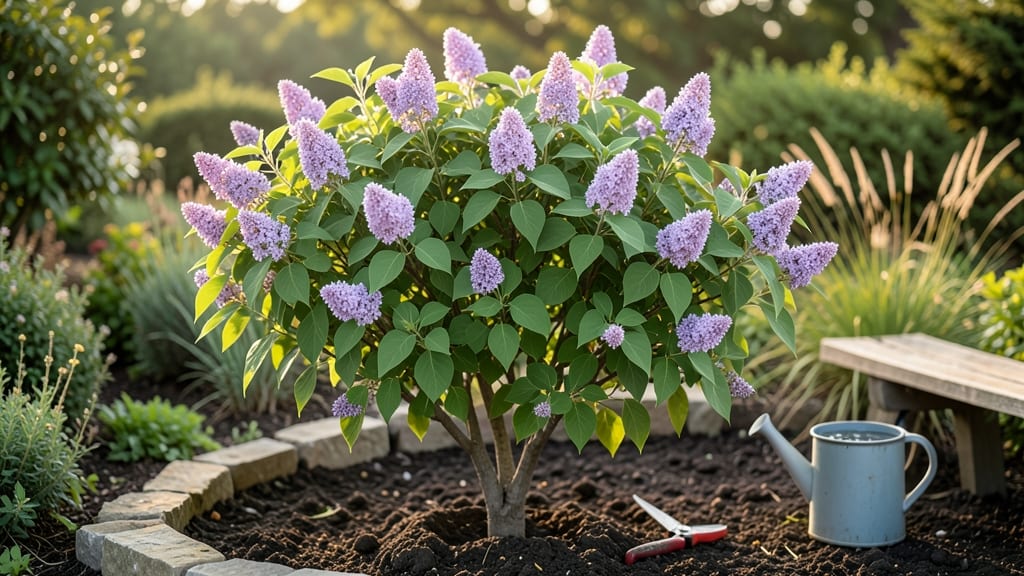
The Tinkerbelle lilac tree (Syringa meyeri 'Tinkerbelle') is the compact, fragrant powerhouse that turns any small yard or patio into a cloud of purple perfume. I planted mine three years ago, and every spring, the scent floods my morning coffee routine—no garden center needed.
What makes this lilac special isn’t just its dwarf size (6-8 feet tall) but how it blooms reliably even in tight spaces, unlike its sprawling cousins.
Pruning this lilac isn’t just about shaping—it’s about unlocking next year’s blooms. Most gardeners wait until spring, but I’ve found that light pruning in late winter (when buds swell) and again after flowering keeps it bushier and more fragrant.
The key? Never cut into old wood—always shape from new growth. Even beginners can master this in 10 minutes with the right tools, and the payoff is blooms that perfume your yard for weeks.
What you’ll end up with is a lilac that stays neatly contained, blooms like a showstopper, and even produces edible (though bitter) lilac nectar for pollinators. The flowers are so dense they create a lavender fog when the breeze kicks up—something you won’t get from larger varieties.
Plus, its disease resistance means fewer headaches than traditional lilacs, making it the low-maintenance star of small gardens.
Whether you’re dealing with a cramped urban lot or just want a lilac that doesn’t need a chainsaw to prune, this tree delivers. The secret to its success? Pruning with the plant’s natural rhythm, not against it. Let’s get those shears ready—your fragrant garden is closer than you think.
📚 In This Guide
- What you need
- Instructions
- Tips and common mistakes
- Wrapping up and next steps
What you need
- ● Pruning shears: Bypass pruners (sharp, clean, and sterilized with rubbing alcohol to prevent disease). Recommended: Felco or Fiskars (for precision cuts).
- ● Loppers: For thicker branches (1–2” diameter). Look for: Long handles (24–30”) for leverage.
- ○ Hand pruners: For smaller stems (optional but handy for detail work).
- ● Gloves: Heavy-duty gardening gloves (protects from thorns and sap).
- ● Disinfectant: 1 part bleach to 9 parts water (for sterilizing tools between cuts).
- ○ Pruning sealant: Optional but helpful for large cuts (e.g., Tanglefoot Tree Wound Pruning Sealer).
- ● Bucket or bag: For collecting pruned branches (5–10 gallon capacity).
- ● Ladder or stool: If your tree exceeds 6 feet in height (ensure it’s stable!).
- ● Timing knowledge: Familiarize yourself with lilac pruning seasons (late winter/early spring for major cuts; light trims after blooming).
- ● Weather check: Prune on a dry, calm day (avoid rain or wind to prevent sap splatter).
- ● Tree health: Inspect for pests/diseases (e.g., borers, powdery mildew) before pruning. Treat if needed!
- ● Safety first: Wear long sleeves/pants to avoid scratches from thorns.
- ● Pruning saw: For stubborn, woody branches (if loppers aren’t enough).
- ● Extension pole: For high branches (e.g., 3–4 ft. reach with a pruning hook).
- ● Sharpener: File or honing tool to keep blades in top shape.
- ● Notebook: To track pruning dates and tree responses (great for long-term care!).
Step-by-Step year-round pruning for your Tinkerbelle lilac tree
Here's how to keep your fragrant Tinkerbelle lilac thriving with seasonal pruning.
⏰ Step 1: Late Winter Cleanup (Before Bud Break)
Start pruning in late winter—right after the last frost but before buds swell. This is your tree's natural dormant period, so it handles cuts best. I like to time it with the first signs of spring, usually around mid-February to early March in most climates. Remove any dead, diseased, or crossing branches first—they're easy to spot against the bare wood.
Use sharp, clean pruning shears to make 45-degree cuts just above an outward-facing bud. Avoid cutting too close to the trunk or you'll leave a wound that invites rot. If a branch is thicker than your wrist, use loppers instead. You'll see a clear difference in the tree's structure after this step—it opens up the canopy for better airflow and sunlight.
☀️ Step 2: Light Summer Pruning (After Blooming)
Wait until after your lilac finishes blooming in late spring—typically June or July—before doing any summer pruning. This ensures you don't accidentally remove next year's flower buds, which form on old wood. Focus on shaping the tree by trimming back any overgrown branches by one-third of their length.
Look for branches that are growing inward or rubbing against others—these should come out first. You can also thin out crowded areas to improve air circulation, which prevents fungal diseases. Avoid heavy pruning now; just light shaping keeps the tree healthy without stressing it. If you notice any suckers at the base, remove them immediately—they drain energy from your main tree.
✂️ Step 3: Fall Maintenance (Light Trimming)
In early fall, do a final light pruning to remove any dead growth or weak branches that appeared over the summer. This is a gentle touch—just tidying up—not a major structural pruning. The goal is to keep the tree clean and healthy as it prepares for winter. Work on a dry day when temperatures are mild, ideally in September or October before the first frost.
Pay special attention to any branches that look diseased or have holes from pests. These should be pruned out and disposed of properly. Avoid heavy cuts now—the tree needs time to heal before winter. If you notice any new growth at the base, trim it back to encourage stronger growth next year. This step keeps your Tinkerbelle looking neat and sets it up for another year of beautiful blooms.
🌱 Step 4: Winter Inspection (No Pruning Needed)
Winter is the time to observe, not prune. Check your tree occasionally for any storm damage or broken branches that need immediate attention. If you find any, remove them as soon as possible—even in winter, fresh cuts heal better than old ones. However, avoid heavy pruning during this time unless absolutely necessary.
This is also when you can plan your pruning strategy for the next year. Take notes on where branches grew too much or where the tree looks crowded. You'll use these observations to guide your late winter pruning. A well-maintained Tinkerbelle lilac will reward you with fragrant blooms year after year—just keep up with these seasonal checks.
Tips & tricks for perfect Tinkerbelle lilac tree pruning
Here's what I've learned after years of keeping my Tinkerbelle lilacs blooming beautifully—these little details make all the difference.
Timing is Everything: In Step 1, when you're pruning in late winter, check your local frost dates first. If you're in a warmer zone where buds swell earlier, you might need to adjust that mid-February to early March window. I've seen lilacs start budding as early as late January in southern climates—watch for those first green tips on the branches.
The Right Tools Matter: For Step 1, invest in good pruning shears and loppers—cheap tools can crush branches and create jagged cuts that heal poorly. I like to clean my tools with rubbing alcohol between cuts to prevent spreading disease. When making those 45-degree cuts, use a sharp tool so the cut is clean rather than tearing the bark.
Summer Pruning Strategy: In Step 2, when you're trimming back overgrown branches by one-third, focus on the oldest growth first. The outer third of each branch is usually the newest growth, which will be more vigorous. This approach maintains the tree's natural shape while encouraging new blooms from last year's wood.
Fall Cleanup Checklist: During your early fall maintenance in Step 3, make it a habit to examine the undersides of leaves for signs of pests like aphids or spider mites. These often hide there until fall. Remove any branches with holes or sawdust-like frass (insect droppings) immediately—don't leave them in your yard where pests can overwinter.
Pro Tips for Tinkerbelle Lilac Tree
- Here's what I've learned after years of keeping my Tinkerbelle lilacs blooming beautifully—these little details make all the difference.
- Timing is Everything: In Step 1, when you're pruning in late winter, check your local frost dates first.
- The Right Tools Matter: For Step 1, invest in good pruning shears and loppers—cheap tools can crush branches and create jagged cuts that heal poorly.
Frequently asked questions
When is the best time to prune a Tinkerbelle Lilac Tree?
The ideal window is late winter or early spring (just before buds swell but before new growth starts). Avoid pruning after mid-summer—this can cut off next year’s flowers! For light shaping, you can also prune right after blooming to maintain size.
How much can I trim back my Tinkerbelle Lilac?
For rejuvenation pruning, you can remove up to one-third of the oldest wood to the ground, but do this gradually over 2–3 years. For routine maintenance, trim back dead or crossing branches and shape lightly—never cut more than 25% of the canopy in one year.
Why isn’t my Tinkerbelle Lilac blooming as much as it used to?
Over-pruning, cutting back too late in the season, or lack of sunlight (they need 6+ hours of sun daily) are common culprits. Also, lilacs bloom on old wood, so avoid heavy summer pruning. If the issue persists, check for pests or disease (like borers or powdery mildew).
Can I grow a Tinkerbelle Lilac in a container or small yard?
Yes! This compact variety (typically 6–8 feet tall) thrives in large containers (20+ gallons) with well-draining soil. Just ensure it gets full sun and regular watering during dry spells. For small spaces, prune aggressively in early spring to control height.
What’s the difference between Tinkerbelle and regular lilacs?
Tinkerbelle is a dwarf, compact hybrid (Syringa × hyacinthiflora) bred for smaller gardens. It blooms earlier and more abundantly than traditional lilacs, with fragrant, purple-pink flowers and fewer thorns. It’s also more disease-resistant than some older varieties!
Pro Tip:
Feed your Tinkerbelle Lilac in early spring with a balanced fertilizer (10-10-10) to encourage healthy blooms. Mulch around the base (but keep it 3 inches away from the trunk) to retain moisture and deter weeds.
Wrapping up and next steps
The Tinkerbelle lilac tree is a showstopper in any garden, and with the right pruning techniques, you can enjoy its fragrant blooms year after year! 🌸 By following seasonal guidelines—like light pruning in late winter and shaping cuts in early summer—you’ll keep this beauty thriving.
Remember, patience and consistency are key to maintaining its health and fragrance.
Ready to elevate your garden game? Grab your pruners and get started! If you’re new to pruning, consider watching a few tutorials or joining a local gardening group for hands-on tips. Happy pruning—your lilac’s future blooms will thank you! ✂️🌿