Flowers
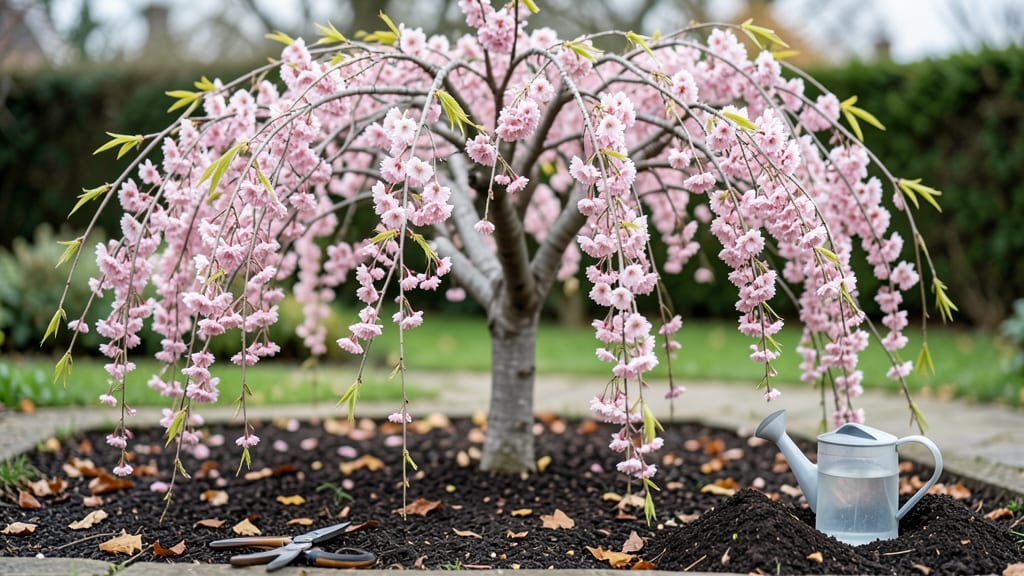
That first blush of pink flowers cascading like a waterfall—weeping cherry trees with pink blooms transform any garden into a springtime masterpiece. 🌸 I still remember the first time I saw one in full bloom: the way the branches sagged just enough to frame the flowers like a living chandelier, and how the scent lingered in the air long after the petals fell.
This isn’t just a tree; it’s a statement piece that turns heads and softens hard edges in any landscape.
The magic happens in how you place it. In a Japanese garden, it becomes the focal point, its delicate branches echoing the curves of a nearby koi pond. In a cottage garden, it drapes over a stone path, spilling color onto the walkway below.
Even in tight urban spaces, its graceful form fits like a glove—just give it room to stretch its arms. Pair it with hostas for shade-loving companions or boxwoods for structured contrast, and you’ve got a scene that feels both timeless and effortlessly chic.
Spring isn’t the only season this tree shines. When the pink flowers fade, the lacy foliage takes over, turning golden in autumn before the branches go bare—each phase offering its own kind of beauty. The real secret?
It’s low-maintenance once established, thriving in full sun with just enough water to keep its roots happy. You’ll spend more time admiring it than fussing over it, and that’s the kind of tree every garden deserves.
Whether you’re designing a tranquil retreat or brightening up a city courtyard, this tree adapts. Just pick your spot, give it space to grow (those branches can spread 15-25 feet wide), and let it work its magic.
The rest is just waiting for spring to arrive—and when it does, your garden will be ready to welcome it in style.
📚 In This Guide
- What you need
- Instructions
- Tips and common mistakes
- Wrapping up and next steps
What you need
- ● Weeping cherry tree (Prunus serrulata 'Kanzan' or similar): Choose a pink-flowering cultivar (e.g., 'Kanzan,' 'Shirotae,' or 'Shidarezakura'). Ensure it’s 2–3 years old for best establishment.
- ● Planting hole: 3x wider and as deep as the root ball, with well-draining soil.
- ● High-quality potting mix or native soil: Amend with compost (50%) and perlite/sand (20%) for drainage.
- ● Mulch (3–4 inches): Use wood chips or pine straw to retain moisture and regulate temperature.
- ● Garden shovel or spade (for digging)
- ● Pruning shears (to trim dead branches or shape the tree)
- ● Garden hose or watering can (with 1–2 gallons of water per week during dry spells)
- ● Gloves & knee pads (for comfort and protection)
- ○ Soil pH tester (optional): Ideal range is 5.5–7.0.
- ● Fertilizer: Slow-release balanced fertilizer (10-10-10) in early spring.
- ● Tree stakes & ties: For young trees in windy areas.
- ● Drip irrigation system: Automates watering for consistent care.
- ● Pest/disease monitor: Look for aphids, borers, or fungal signs (treat with neem oil if needed).
How to plant and care for a weeping cherry tree with stunning pink blooms
Here's how to create a showstopping spring display with minimal fuss.
🪴 Step 1: Choose the Perfect Planting Spot
Weeping cherry trees need full sun for those signature pink flowers, so pick a location with at least 6 hours of direct sunlight daily. I always look for a spot where the branches can gracefully arch without hitting structures or power lines—think open lawns or large patio areas.
The soil should drain well. If your yard has heavy clay, amend with 2-3 inches of compost before planting. A slight slope helps water run off roots, preventing soggy soil that can rot them. Test the spot by digging a hole—if water pools after 10 minutes, you’ll need to improve drainage.
🌱 Step 2: Plant at the Right Time and Depth
Spring or early fall are the best times to plant. Dig a hole twice as wide as the root ball but only as deep—the top of the root ball should sit 1-2 inches above ground level. This prevents water from pooling at the base and suffocating roots.
Gently remove the tree from its container and loosen any circling roots with your fingers. Place it in the hole, backfill with native soil, and water deeply to settle everything. I like to add a 2-inch layer of mulch (but keep it 6 inches away from the trunk) to retain moisture and regulate soil temperature.
☀️ Step 3: Water Consistently for Strong Growth
Newly planted weeping cherries need 1-2 inches of water per week, especially in their first year. Water deeply 2-3 times per week until the soil is 6-8 inches deep and moist. You’ll know it’s right when water drips from the hole you dig to check—no puddles, just dampness.
After the first year, they’re more drought-tolerant, but deep watering once a week keeps the branches lush and the flowers vibrant. Avoid overhead sprinklers during bloom—they can damage delicate petals. Instead, use a soaker hose at the base.
✂️ Step 4: Prune for Shape and Health
Prune in late winter or early spring before buds swell, but after the worst cold snaps. Remove any dead, crossing, or rubbing branches first—these compete for energy and can invite disease. I also trim back any branches that grow too upright to maintain that graceful weeping shape.
Never cut more than 25% of the tree’s foliage in one season. Use clean, sharp pruners to make cuts just outside the branch collar (the swollen area where the branch meets the trunk). Seal larger cuts with pruning sealant to prevent pests from entering.
🌿 Step 5: Fertilize for Vibrant Blooms
Feed your weeping cherry in early spring with a balanced, slow-release fertilizer (like 10-10-10) spread 6 inches away from the trunk. Lightly scratch it into the top 2 inches of soil and water deeply to activate it. This gives the tree the nutrients it needs for bold pink flowers the following spring.
Skip fertilizer in the fall—it encourages late-season growth that won’t harden off before winter. Instead, focus on removing fallen leaves to reduce disease risk. A healthy tree with proper care will reward you with dramatic blooms for decades.
Tips & tricks for perfect weeping cherry tree pink blooms
Here's what nobody tells you about keeping those dreamy pink blooms coming back year after year.
Sunlight Secret: That 6-hour minimum of sunlight is non-negotiable for pink blooms, but here's the thing: morning sun is more important than afternoon. East-facing locations give you gentle morning light without the harsh afternoon heat that can stress the tree. If you're planting near a west-facing window, consider a sheer curtain to filter the intense afternoon rays during summer.
Drainage Test: The 10-minute water test in Step 1 is your best friend. If water pools after 10 minutes, you're dealing with poor drainage. My trick? Dig a 6-inch deep trench around the planting area and fill it with gravel before backfilling with soil. This creates a natural drainage path that prevents soggy roots—critical for those delicate weeping branches.
Watering Wisdom: Those 2-3 deep waterings per week in the first year aren't just about quantity—they're about technique. Use a trowel to poke holes around the base of the tree before watering. This creates channels for water to reach deeper roots. I also like to water in the morning so the tree can absorb moisture before the heat of the day.
Pruning Pro Tip: When you're trimming those upright branches in Step 4, here's what I learned the hard way: cut just outside the branch collar but at a 45-degree angle. This prevents water from pooling at the cut site, which can lead to rot. And if you're dealing with larger branches, make your cut about 1/4 inch above a bud or side branch—this encourages new growth in the right direction.
Pro Tips for Weeping Cherry Tree Pink Flowers
- Here's what nobody tells you about keeping those dreamy pink blooms coming back year after year.
- Sunlight Secret: That 6-hour minimum of sunlight is non-negotiable for pink blooms, but here's the thing: morning sun is more important than afternoon.
- Drainage Test: The 10-minute water test in Step 1 is your best friend.
Frequently asked questions
Got questions about nurturing your weeping cherry tree with its stunning pink flowers? Here are the answers to common queries—so you can enjoy that dreamy spring canopy without the guesswork!
When do weeping cherry trees with pink flowers bloom?
Most Prunus serrulata varieties (including weeping types) bloom in early to mid-spring, typically between late March and early May, depending on your climate zone. Cooler regions may see later blooms, while warmer areas might enjoy earlier bursts of pink. Choose a variety like 'Kanzan' or 'Shirofugen' for reliable timing!
How much water do pink weeping cherry trees need?
Newly planted trees need 1–2 inches of water weekly (deep watering 2–3 times per week). Mature trees are drought-tolerant but still appreciate 1 inch of water weekly during dry spells. Avoid soggy soil—ensure proper drainage to prevent root rot. Mulch around the base (but not touching the trunk) to retain moisture.
Can a weeping cherry tree grow in full sun or partial shade?
These trees thrive in full sun (6+ hours daily) for optimal blooms and vibrant pink flowers. However, they tolerate partial shade (4–6 hours of sun), especially in hot climates. If planting in shade, expect fewer flowers and slower growth. South-facing locations (in the Northern Hemisphere) are ideal for maximizing sunlight exposure.
Do weeping cherry trees need pruning after flowering?
Yes! Prune immediately after blooms fade (late spring) to shape the tree and remove dead/diseased branches. Avoid heavy pruning in fall/winter—it can stimulate weak growth vulnerable to frost. Focus on opening the canopy for airflow and thinning crowded branches to maintain that graceful weeping form. Never prune in late summer—it may reduce next year’s flowers!
Why aren’t my pink cherry blossoms as vibrant this year?
Duller pink flowers often signal nutrient deficiencies (try a balanced fertilizer in early spring), overwatering (check soil drainage), or stress from pests/disease (inspect for aphids or fungal spots). Late frosts can also damage buds—protect young trees with frost cloth if your area is prone to sudden cold snaps. A soil test can pinpoint specific issues!
Wrapping up and next steps
The weeping cherry tree with its stunning pink flowers is more than just a springtime spectacle—it’s a living masterpiece that brings elegance, shade, and joy to any garden. Whether you’re drawn to its graceful branches, vibrant blooms, or low-maintenance charm, this tree promises beauty with minimal fuss. 🌸
Ready to invite this dramatic yet serene focal point into your outdoor space? Start by researching local nurseries or trusted suppliers, then sketch a planting plan that highlights its natural allure. With a little care, your weeping cherry tree will reward you with years of breathtaking color and tranquility!