
Pruning
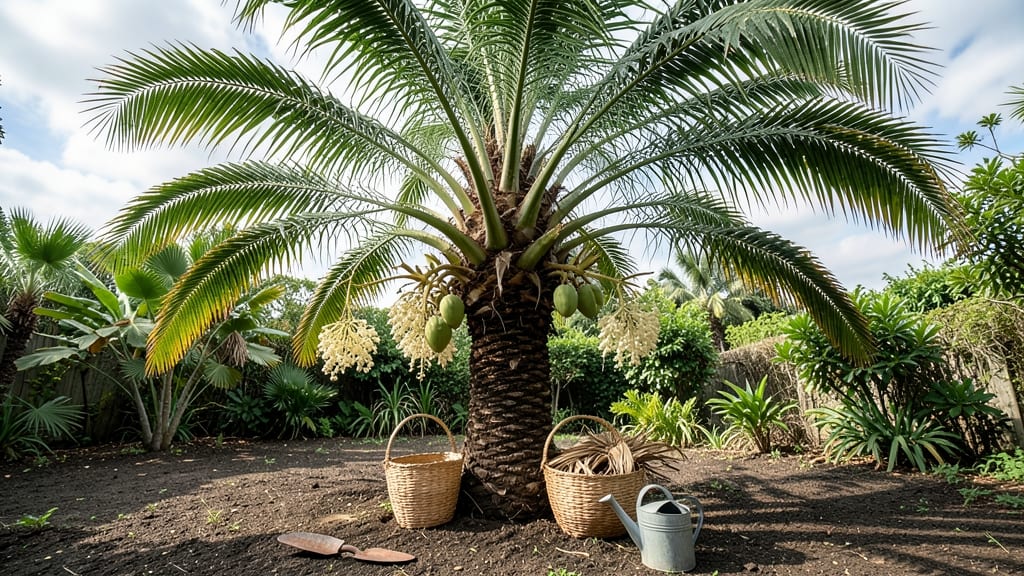
Pruning a thick palm tree isn’t just about shaping—it’s about survival when winter winds howl through the Pacific Northwest. 🌿 I’ve watched my Canary Island Date Palm survive three winters by trimming the right way, and the secret lies in understanding how cold stress affects those broad fronds.
The key isn’t just cutting back—it’s doing it at the right time, with the right tools, and leaving enough foliage to protect the trunk from frost damage.
You’ll need sharp pruners or a handsaw for thicker fronds, plus a ladder if your palm stands taller than your reach. The goal is to remove only the dead, yellowing, or damaged fronds—never more than a third of the crown at once.
This keeps the tree strong enough to bounce back from winter’s chill. I’ve learned that patience here pays off: a palm that’s been pruned correctly will push out fresh fronds by early spring, while one that’s been over-pruned might struggle to recover.
What you end up with is a palm that looks like it belongs in a tropical paradise, even when frost clings to the ground.
The trunk stays sturdy, the fronds grow back vibrant and green, and you avoid the common mistake of leaving dead fronds hanging—those become magnets for pests and disease. The result? A palm that not only survives the Pacific Northwest winters but thrives through them, year after year.
This method works for outdoor palms in zones 8-10, but with a little adjustment—like moving potted palms indoors before the first frost—you can extend these techniques to indoor palms too.
The principles stay the same: less is more, and timing is everything. Let’s get those pruners out and keep your palm standing tall through winter.
📚 In This Guide
- What you need
- Instructions
- Tips and common mistakes
- Wrapping up and next steps
What you need
- ● Pruning shears: Bypass pruners (sharp, clean, and rated for 1.5–2.5-inch cuts)
- ● Loppers: Heavy-duty (rated for 2–3-inch cuts, extendable if needed for tall fronds)
- ● Pole saw: 10–12-foot reach (for high fronds; never stand on ladders with this tool!)
- ● Safety gear: Heavy-duty gloves (cut-resistant, 12–14 inches long)
- ● Safety goggles (ANSI-rated for debris protection)
- ● Closed-toe boots (steel-toe recommended)
- ○ Hard hat (optional but wise for tall palms)
- ● Disinfectant: 70% isopropyl alcohol or bleach solution (1 part bleach to 9 parts water) for sterilizing tools between cuts
- ● Heavy-duty trash bags: 30–50-gallon (for frond disposal; palms produce a lot of debris!)
- ● Ladder (if needed): 24–32-foot extension ladder (only for stable palms; never lean against the trunk!)
- ● Rope or harness: For two-person lifts on very large fronds (safety first!)
- ● Pruning saw: Curved-tooth for thick stalks (if your palm has woody stems)
- ● Hose or spray bottle: To rinse tools and reduce sap buildup
- ● Compost bin: If you plan to chop and mulch fronds for garden use
- ● First-aid kit: For minor cuts or scrapes (palm fronds have serrated edges!)
Step-by-step guide for pruning thick palm trees safely
Here's how I trim palms without harming their growth—key for PNW winters.
✂️ Step 1: Assess the Tree and Identify Dead Fronds
Start by examining your palm from all sides. Look for brown, crispy fronds that hang limply—these are dead and should be removed first. Healthy fronds are green with some yellowing at the edges. I always check the base of the trunk for any signs of rot or insect activity, as these can spread if not addressed.
Use your hand to gently tug on each frond. If it comes away easily, it's dead. If it resists, leave it alone—removing live fronds weakens the tree. Mark the dead fronds with a piece of twine or flagging tape so you don’t miss any during trimming. This step ensures you only remove what’s necessary, keeping the palm strong.
✂️ Step 2: Gather Tools and Prepare for Trimming
You’ll need a sharp pruning saw for thick fronds, clean pruning shears for smaller ones, and gloves to protect your hands. I always sanitize my tools with rubbing alcohol before starting—this prevents spreading disease between cuts. For tall palms, a pole saw or harness system makes the job safer and easier.
Wear long sleeves and eye protection, too. Palm fronds can be razor-sharp, and sap can irritate skin. If your palm is particularly large, consider calling a professional arborist—this isn’t a job for DIYers without the right gear. Safety first, especially in the PNW’s windy conditions.
✂️ Step 3: Cut Dead Fronds at the Base
Start trimming from the outermost dead fronds and work your way inward. Use your pruning saw to cut the frond as close to the trunk as possible—this prevents unsightly stubs and reduces the risk of pests hiding in leftover debris. For smaller fronds, shears work fine, but always make clean cuts to avoid tearing the tissue.
After cutting, pull the frond away from the trunk to expose any hidden dead material. If you see blackened or mushy areas, these need removal too. Dispose of all cut fronds immediately—leaving them on the ground can attract pests or fungi. I like to bundle them and toss them in the trash or compost bin right away.
⏰ Step 4: Time Your Trimming for Frost Resilience
The best time to prune palms in the PNW is late winter or early spring, just before new growth begins. This gives the tree time to heal before summer heat arrives. Avoid trimming in fall or winter, when frost can damage exposed tissue. If you must prune in cooler months, do it on a mild, dry day to reduce stress on the tree.
After trimming, give your palm a deep watering to help it recover. Mulch around the base with 2-3 inches of organic mulch to retain moisture and protect roots from temperature swings. This step is crucial for frost-prone areas—healthy roots mean a stronger tree come spring.
🌿 Step 5: Monitor and Maintain Year-Round
Check your palm monthly for new dead fronds, especially after storms or heavy winds. PNW weather can be unpredictable, and fronds may dry out quickly. If you notice yellowing leaves in summer, it could signal overwatering or nutrient deficiency—adjust your care routine accordingly.
Fertilize in early spring with a balanced palm fertilizer to support new growth. Avoid heavy fertilizing in late summer or fall, as this can encourage tender shoots that won’t survive frost. With consistent care, your palm will stay thick, healthy, and resilient through PNW winters.
Tips & tricks for perfect palm tree pruning
Let me share what I’ve learned after years of trimming palms in the PNW—these tricks will keep your tree thriving through winter.
Tool Selection Matters: Don’t just grab any old saw—use a sharp pruning saw with a curved blade for thick fronds, as it cuts cleaner and reduces tearing. For smaller fronds, clean shears work best, but make sure they’re sanitized first to prevent disease spread. I’ve ruined tools by using dull blades, which crush rather than cut, leaving ragged edges that invite pests.
The Right Time Makes All the Difference: Late winter or early spring is non-negotiable for PNW palms. This timing gives your tree time to heal before summer heat arrives, preventing frost damage to fresh cuts. If you must trim in cooler months, pick a mild, dry day—never when frost is forecasted. I’ve seen palms struggle after fall trimming, so plan ahead!
Clean Cuts Prevent Future Problems: When cutting, aim for a clean slice right at the trunk—no stubs left behind. These stubs trap moisture and attract pests like palm weevils. After cutting, pull the frond away to check for hidden rot or blackened areas—these need removal too. I bundle and dispose of all cut fronds immediately to prevent fungal growth.
Post-Trimming Care is Critical: After pruning, give your palm a deep watering to help it recover, then add 2-3 inches of organic mulch around the base. This protects roots from temperature swings and retains moisture. I’ve seen palms recover faster with this simple aftercare—don’t skip it!
Pro Tips for Thick Palm Tree
- Let me share what I’ve learned after years of trimming palms in the PNW—these tricks will keep your tree thriving through winter.
- Tool Selection Matters: Don’t just grab any old saw—use a sharp pruning saw with a curved blade for thick fronds, as it cuts cleaner and reduces tearing.
- The Right Time Makes All the Difference: Late winter or early spring is non-negotiable for PNW palms.
Frequently asked questions
Got questions about pruning your thick palm tree in the Pacific Northwest? You’re not alone! Here are some of the most common concerns—plus quick, actionable answers to keep your tree healthy and frost-resilient.
When is the best time to prune a thick palm tree in PNW’s frost-prone climate?
Prune your palm tree after the last frost in late spring (May–June) to avoid damaging new growth. If you’re in a microclimate with earlier frosts, wait until temperatures consistently stay above 40°F at night. Never prune in winter—cold stress weakens the tree and invites pests.
How do I safely trim thick fronds without hurting the tree?
Use a sharp pruning saw or pole pruner to cut fronds at the base of the trunk, leaving a small stub. Avoid tearing—this creates entry points for disease. For dead or brown fronds, remove them first to prevent sap buildup. Pro tip: Wear gloves and eye protection—palm fronds can be razor-sharp!
Will pruning help my palm tree survive PNW frosts better?
Yes! Pruning thick, dense fronds improves air circulation, reducing frost pockets where cold air lingers. Focus on removing overlapping or dead fronds—these trap moisture and slow warming. However, don’t over-prune; leave enough foliage to protect the growing tip (the "heart") from cold damage.
Are there alternatives to pruning if my palm tree is too large or dangerous?
If DIY pruning feels risky, hire a certified arborist experienced with palm trees—especially in PNW climates. For smaller palms, consider drop cloths to protect nearby plants from falling fronds. If your tree is structurally unsound, partial removal (with professional help) may be safer than full pruning.
Why does my palm tree have brown tips after pruning, even though it’s not frost season?
Brown tips often signal underwatering, over-fertilizing, or pest damage (like spider mites). Check soil moisture—palm trees in PNW’s acidic, clay-heavy soil need well-draining conditions. If pests are the culprit, treat with neem oil or insecticidal soap. Pro tip: Mulch around the base to retain moisture without suffocating roots.
Can I use frost cloth or blankets to protect my palm tree instead of pruning?
Frost cloth works for young or small palms (under 10 feet), but it’s impractical for thick, mature trees. For larger palms, focus on pruning + strategic mulching. If you must use cover, wrap the trunk loosely (not tightly) and secure edges to avoid wind damage. Remove covers immediately after frost to prevent overheating.
Wrapping up and next steps
Pruning your thick palm tree in the Pacific Northwest doesn’t have to be intimidating—especially when you focus on frost-resilient techniques and seasonal timing. By using the right tools, understanding growth patterns, and prioritizing safety, you’ll keep your tree healthy and stunning year after year. 🌿✨
Ready to take action? Start by scheduling your next pruning session during the dormant season (late fall or early winter) and gradually tackle smaller sections to avoid overwhelming your tree. With patience and practice, your palm will thrive—and so will your green thumb!