
Pruning
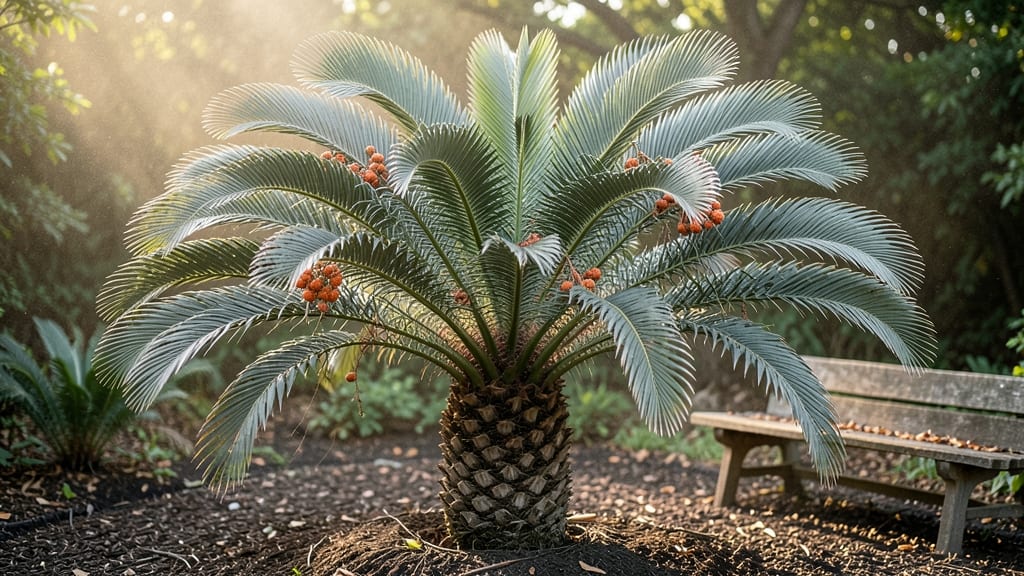
Growing a Pindo jelly palm tree in the Pacific Northwest means you can finally have a tropical look without the heat—this cold-hardy palm thrives where others freeze. ✨ I planted mine last spring, and even after our 20-degree nights, it’s still standing strong with bright green fronds.
The secret isn’t just its frost tolerance; it’s how well it adapts to our damp, cool summers too.
This palm loves well-draining soil mixed with sand or gravel to prevent soggy roots, and it handles partial shade better than most tropicals. Water it deeply once a week unless we’re in a dry spell, then cut back in winter when growth slows.
Pruning is simple: just remove dead fronds at the base with clean shears—no fancy techniques needed.
What you’ll love most is how it fills space with minimal fuss. By summer, your Pindo will have a 6-foot spread of arching fronds, and it even produces edible jelly-like fruit (though it’s more ornamental than productive).
The only real challenge is watching for yellowing fronds—usually a sign of overwatering or poor drainage.
Perfect for urban yards, patios, or even large containers. Once established, it’s nearly indestructible—ideal for gardeners who want drama without the fuss. Let’s get yours growing!
📚 In This Guide
- What you need
- Instructions
- Tips and common mistakes
- Wrapping up and next steps
What you need
- ● Pindo Jelly Palm Tree: A healthy, 1- to 3-year-old sapling (3–5 ft tall) from a nursery specializing in cold-hardy palms.
- ● Well-draining soil: Mix 1 part potting soil with 2 parts coarse sand or perlite (improves aeration and drainage).
- ● Container (if potted): A 5-gallon or larger pot with drainage holes (use fabric grow bags for outdoor winter protection).
- ● Slow-release fertilizer: A balanced 10-10-10 or palm-specific formula (apply 2–3 times per year).
- ● Pruning tools: Bypass pruners (for clean cuts on fronds).
- ● Loppers (for thicker stems).
- ● Sterilized pruning saw (if removing large, woody fronds).
- ● Mulch: 3–4 inches of pine bark or straw mulch (insulates roots in winter).
- ● Watering can or hose with adjustable nozzle (for deep, infrequent watering).
- ● Burlap or frost cloth: 50–60% shade cloth (wrap loosely around the trunk and fronds in fall/winter).
- ○ Christmas lights (optional but helpful): Incandescent string lights (wrapped around the trunk) to add 5–10°F of warmth on cold nights.
- ● Anti-desiccant spray: Wax-based coating (like Dormant Oil Spray) to prevent frond drying in winter.
- ● Soil moisture meter (to avoid over/under-watering).
- ● Palm fertilizer spikes (for slow, steady nutrient release).
- ● Windbreak: Temporary bamboo fence or lattice (protects from PNW windburn).
- ● pH test kit (ideal soil pH: 5.5–6.5).
How to establish a thriving Pindo palm in the Pacific Northwest
This palm thrives where others falter—here's how to give it the cold-hardy care it needs.
🌱 Step 1: Select the Perfect Planting Site
Choose a location with partial shade to full sun—the Pindo palm handles both better than most tropical palms. In the Pacific Northwest, morning sun with afternoon shade works best, especially in areas with cooler summers. Avoid spots where frost collects, like low-lying areas or near north-facing walls.
Here's the thing—this palm doesn't like soggy roots. Amend heavy clay soil with 3-4 inches of compost to improve drainage. If your soil drains poorly, consider planting in a large container (at least 18 inches deep) that you can move indoors during extreme cold snaps. The roots will thank you.
🪴 Step 2: Plant with Proper Spacing and Soil Prep
Dig a hole twice as wide as the root ball but no deeper. This encourages roots to spread outward rather than settle into a tight pocket. Gently loosen the roots if they're circling—they'll establish faster when free to explore the native soil.
Mix the excavated soil with 50% compost and a handful of slow-release fertilizer (10-10-10 works well). This gives the palm a nutrient boost without overwhelming it. Water the hole thoroughly before placing the palm in—this prevents air pockets that can suffocate roots.
☀️ Step 3: Water Strategically for Cold Resistance
The Pindo palm's frost tolerance improves when its roots stay consistently moist but never waterlogged. Water deeply once a week during the first growing season, then reduce to every 10-14 days once established. Check moisture by sticking your finger 3 inches deep—if it feels dry, it's time to water.
Real talk: Overwatering is the fastest way to kill this palm. The fronds will yellow if roots sit in cold, wet soil. In winter, cut back to monthly watering unless we have an unusually dry spell. Mulch with 3-4 inches of wood chips to insulate roots and retain moisture.
✂️ Step 4: Prune for Health and Winter Prep
Remove any dead or yellowing fronds by cutting them at the base with clean, sharp pruners. Never leave stubs—this invites disease. Healthy fronds should be a vibrant green; brown or brittle ones need to go. I prune in early spring to encourage fresh growth before summer heat arrives.
In late fall, apply a 2-inch layer of mulch around the base (but not touching the trunk). This acts like a blanket, protecting roots from temperature swings. If you're in Zone 7 or colder, consider wrapping the trunk with burlap or frost cloth during the coldest months—this prevents sunscald when winter sun hits frozen roots.
⏰ Step 5: Monitor and Adjust for Year-Round Success
Watch for new fronds emerging in spring—they should unfurl tightly and be a bright, glossy green. If they're pale or slow to open, the palm needs more sunlight. In summer, a light feeding with balanced fertilizer every 6-8 weeks keeps it growing strong for winter.
Here's where it gets fun—watch the palm's response to your care. A happy Pindo will grow 1-2 feet per year and develop that iconic jelly-like fruit. If fronds start browning at the tips in winter, it's likely a sign of salt buildup from road spray or over-fertilizing. Flush the soil with water to cleanse it.
Tips & tricks for perfect Pindo jelly palm tree establishment
A few key strategies will help your Pindo palm thrive in the Pacific Northwest's challenging climate. These are the details that separate a struggling palm from one that thrives year after year.
Site Selection Wisdom: When evaluating potential planting locations in Step 1, pay special attention to microclimates within your property. South-facing slopes get more heat retention, while north-facing areas stay cooler. I've found that even a 10-foot difference in elevation can create a noticeable temperature variation—this matters for winter survival. Also, avoid planting near large trees that will compete aggressively for water and nutrients during establishment.
Soil Preparation Strategy: For Step 2's soil amendment, don't just toss compost on top—thoroughly mix the 50% compost ratio into the excavated soil. The goal is to create a uniform growing medium where roots can spread easily. I've seen many gardeners make the mistake of creating a compost "pocket" that roots grow into, then struggle to transition to native soil. Another pro move: Add a handful of perlite to the mix if your soil is particularly dense—this improves aeration without compromising moisture retention.
Winter Protection Technique: The late fall mulching in Step 4 deserves special attention. That 2-inch layer should extend out to the drip line (the edge of the palm's canopy), not just the trunk. This creates a thermal blanket effect that protects the entire root zone. For container-grown palms, move them to a sheltered location against a south-facing wall—this provides both wind protection and passive heat absorption from the wall during cold snaps.
Fertilizer Timing: When Step 5 mentions summer feeding every 6-8 weeks, time your applications carefully. The first feeding should go on in early spring as new growth begins, and the last one should be applied by mid-August. This prevents new growth from developing that won't have time to harden off before winter. I've had success using a slow-release fertilizer with micronutrients—this supports the palm's natural cold resistance mechanisms.
Pro Tips for Pindo Jelly Palm Tree
- A few key strategies will help your Pindo palm thrive in the Pacific Northwest's challenging climate.
- Site Selection Wisdom: When evaluating potential planting locations in Step 1, pay special attention to microclimates within your property.
- Soil Preparation Strategy: For Step 2's soil amendment, don't just toss compost on top—thoroughly mix the 50% compost ratio into the excavated soil.
Frequently asked questions
Got questions about growing and caring for your pindo jelly palm (Butia capitata)?
You’re not alone—this frost-hardy palm has unique needs, especially in the Pacific Northwest. Here are answers to the most common queries to keep your tree thriving!
How cold can a pindo jelly palm tolerate?
A mature pindo jelly palm can survive brief dips to 15°F (-9°C), but young trees (under 3 years) need protection below 25°F (-4°C). In the PNW, mulch heavily, wrap the trunk with burlap, and group plants together to share warmth. Pro tip: Avoid coastal areas where windburn worsens cold damage!
When and how should I prune my pindo jelly palm?
Prune only in late winter or early spring (before new growth starts) to remove dead fronds or overly crowded leaves. Use sterilized pruners to cut at the base of the frond where it meets the trunk. Avoid heavy pruning—this palm grows slowly, and over-trimming stresses it. Warning: Never prune in fall, as wounds heal poorly before winter.
Can I grow a pindo jelly palm in a container?
Yes! Start with a 15–20 gallon pot for young trees, using a well-draining mix (cactus/succulent soil + perlite). Ensure the container has drainage holes to prevent root rot. Move pots indoors or to a sheltered garage if temps drop below 20°F (-7°C). Pro tip: Rotate the pot occasionally for even growth!
What pests should I watch for on my pindo jelly palm?
Common PNW pests include spider mites, scale insects, and palm weevils. Check fronds for sticky residue (aphids) or sawdust-like frass (weevils). Treat mites with neem oil; for weevils, contact an arborist immediately—infestations are fatal. Prevention tip: Keep your palm healthy with balanced fertilization to deter pests!
Why aren’t my pindo jelly palm’s fronds turning green?
Yellowing or brown fronds often signal overwatering, nutrient deficiency, or cold damage. Check soil moisture—pindo palms hate soggy roots. Amend soil with iron or magnesium if fronds are pale. If tips are crispy, it’s likely winter burn; trim damaged areas in spring. Quick fix: A light layer of compost can boost soil health!
Wrapping up and next steps
The Pindo Jelly Palm is a stunning, frost-tolerant gem that can thrive in the Pacific Northwest’s unique climate—with the right care! 🌿 From selecting the perfect spot to mastering pruning techniques, these steps ensure your palm stays healthy, vibrant, and resilient.
Whether you’re a seasoned gardener or just starting, this guide gives you the confidence to nurture a thriving Pindo Jelly Palm.
Ready to level up your garden? Start by observing your palm’s growth this season—note any new fronds or signs of stress. Then, plan your next pruning session with the tips you’ve learned. Happy gardening! 🌱