Pruning
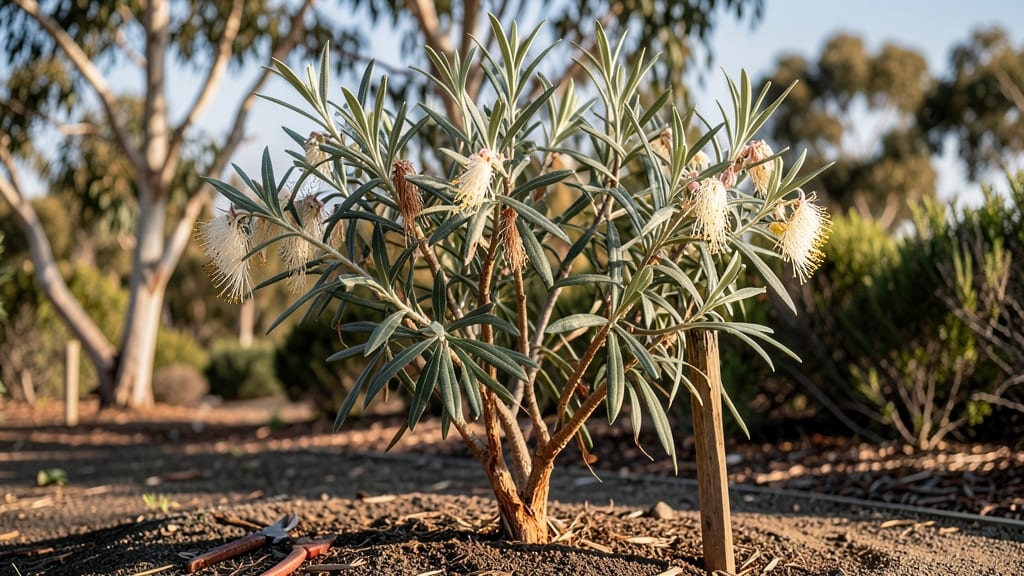
Pruning tea tree for Pacific Northwest winters isn’t just about shaping—it’s about survival. ✂️ I’ve watched my Melaleuca alternifolia bounce back from near-frost damage by trimming strategically, and the key is timing. The right cuts prevent dieback while encouraging dense, resilient growth that thrives in our damp, cool climate.
You’ll need sharp pruners, a clean workspace, and a clear day—no soggy branches here. The goal is to remove dead wood first, then thin out crowded stems to improve airflow.
Tea trees reward patience: a well-pruned plant can live for decades, producing fragrant leaves year after year. Just avoid heavy cuts in late fall, or you’ll risk winter stress.
After pruning, your tea tree will send out fresh green shoots by spring, with a glossy sheen that’s impossible to resist. The foliage becomes thicker, the branches stronger, and the plant far more resistant to the kind of frost that used to blacken mine.
It’s like giving your tree a second chance every year.
Works just as well for coastal gardens, urban yards, or even large containers. The same principles apply whether you’re shaping a hedge or keeping a single specimen healthy. Let’s get those shears ready—your tea tree’s best years are ahead.
📚 In This Guide
- What you need
- Instructions
- Tips and common mistakes
- Wrapping up and next steps
What you need
- ● Bypass pruners (sharp, clean, and sterilized with rubbing alcohol or bleach—no rust or dull blades!)
- ● Loppers (for thicker branches, 20–30-inch handles for leverage)
- ● Hand pruners (for fine trimming, ergonomic grips recommended)
- ● Garden gloves (cut-resistant, nitrile-coated for grip)
- ● Disposable pruning bags (to collect clippings—10–15 gallon capacity)
- ● Rubbing alcohol (70%+) (for sterilizing tools between cuts)
- ● Sharpie or pruning marker (to label cuts if needed)
- ● Extension pole saw (for high branches, 10–12 feet)
- ● Pruning sealant (for large cuts, latex-based)
- ● Wheelbarrow or tarp (for hauling heavy clippings)
- ● Safety glasses (if dealing with thorny varieties)
- ● Tea tree fertilizer (low-nitrogen, acidic blend for post-pruning boost)
Step-by-step guide for pruning tea trees in cold climates
Here's how to keep your tea trees thriving through Pacific Northwest winters with smart cuts.
✂️ Step 1: Time Your Pruning for Frost Resistance
Prune tea trees in late winter or early spring, just as buds begin to swell but before new growth starts. This timing ensures the plant has time to harden off before cold snaps. In the Pacific Northwest, aim for February or March when temperatures consistently stay above 35°F during the day.
Wait until after the worst frosts have passed—you'll know it's time when you see tiny pink buds forming along the branches. Pruning too early leaves fresh cuts vulnerable to frost damage, while waiting too long removes potential blooms for the season. I always check the local frost-free date and prune 2-3 weeks before to give the tree recovery time.
✂️ Step 2: Use the Right Tools for Clean Cuts
Grab your sharp bypass pruners and sterilized hand pruners—dull tools crush stems and invite disease. Clean blades prevent bacterial spread between cuts. I wipe mine with rubbing alcohol between each branch to keep tea trees healthy, especially in damp Pacific Northwest climates where fungal issues thrive.
Make cuts at a 45-degree angle, just above an outward-facing bud. This encourages new growth to branch outward rather than inward. Avoid leaving stubs—cut ¼ inch above the bud—or you'll slow down healing and risk dieback. For larger branches, use your bypass pruners and cut flush to the branch collar where it meets the trunk.
🌿 Step 3: Shape for Airflow and Sunlight
Tea trees need good airflow to prevent mildew, so remove any crossing or rubbing branches first. These are the ones that chafe against each other and create wounds where pathogens enter. Look for branches growing toward the center of the plant—these block sunlight and create shaded, damp conditions perfect for fungal growth.
Thin out 20-30% of the canopy by removing the oldest, thickest branches first. These are the ones that take the longest to heal and often harbor pests. Step back frequently to check your progress—you want to see light filtering through to the lower branches. In Pacific Northwest gardens, this open structure helps snow slide off easily during winter storms.
⏰ Step 4: Clean Up and Protect for Winter
Rake up all pruned branches and dispose of them in yard waste—not your compost pile. Tea tree debris can harbor pests and diseases that might overwinter. I like to burn or chip the larger branches immediately to eliminate any hidden threats. For smaller trimmings, seal them in a plastic bag before disposal.
After pruning, apply a 2-inch layer of mulch around the base (but not touching the trunk) to insulate roots. Pacific Northwest winters can bring sudden freezes, and this extra layer helps maintain soil temperature. Water the tree deeply before the first hard frost to ensure it enters dormancy with full moisture reserves.
Tips & tricks for frost-resilient tea tree pruning
Here’s what I’ve learned after years of pruning tea trees in Pacific Northwest winters—these tricks keep your trees healthy and thriving.
Timing is Everything: The February or March window is critical because it balances frost risk and bud development. If you’re unsure about your local frost-free date, check with your local agricultural extension service—they’ll give you precise timing for your microclimate. I’ve seen trees suffer frost damage when pruned too early, so don’t rush! The tiny pink buds are your best indicator—wait until you see them forming before you start cutting.
Tool Maintenance Matters: Sterilizing your pruners between cuts isn’t just a suggestion—it’s essential in damp Pacific Northwest climates. Fungal spores can hitch a ride on dirty blades and infect your tree. I keep a small bottle of rubbing alcohol in my tool belt and wipe down blades after every 3-4 cuts. For larger branches, consider using a saw for clean cuts without crushing the wood, then finish with your pruners at the branch collar.
Airflow Over Density: When shaping your tea tree, focus on creating an open canopy rather than just removing dead branches. The 20-30% thinning recommendation isn’t arbitrary—it’s about balance. Step back every few minutes to check your progress. In my garden, I’ve noticed that trees with proper airflow recover faster from winter storms and have fewer fungal issues. Aim for sunlight to reach all branches, even the lower ones.
Mulch Depth and Placement: That 2-inch layer of mulch around the base (but not touching the trunk) is your tree’s winter blanket. In our wet winters, proper mulching prevents soil temperature fluctuations that can stress roots. I’ve seen trees with mulch piled against the trunk develop rot, so always keep it at least 2 inches away. For extra protection, consider adding a layer of straw over the mulch during the coldest months.
Pro Tips for Tea Tree Tree
- Here’s what I’ve learned after years of pruning tea trees in Pacific Northwest winters—these tricks keep your trees healthy and thriving.
- Timing is Everything: The February or March window is critical because it balances frost risk and bud development.
- Tool Maintenance Matters: Sterilizing your pruners between cuts isn’t just a suggestion—it’s essential in damp Pacific Northwest climates.
Frequently asked questions
When is the best time to prune tea trees in the Pacific Northwest?
The ideal time to prune tea trees is late winter or early spring (February–March), just before new growth starts. This timing helps avoid frost damage while encouraging healthy spring regrowth. If you missed this window, light pruning can still be done in early summer—just avoid heavy cuts during hot spells.
Can I prune tea trees if frost is forecasted?
Avoid pruning 2–3 weeks before a hard frost, as fresh cuts are more vulnerable to cold damage. If frost is imminent, delay pruning until temperatures stabilize. Tea trees are frost-resistant, but new growth is delicate—wait for a mild, dry day to trim. If you must prune in cold weather, do so in the late afternoon to minimize stress.
How much can I trim back a tea tree without harming it?
Tea trees are resilient and can handle moderate pruning—up to one-third of the foliage in a single session. For shaping, remove no more than 25% of the canopy at a time to avoid shock. Focus on dead, crossing, or overcrowded branches first. Over-pruning may stress the tree, so space heavy cuts over 2–3 years if needed.
What should I do if my tea tree’s leaves turn brown after pruning?
Brown leaves after pruning are often normal as the tree adjusts, especially if cut in dry or hot conditions. Water deeply post-pruning to reduce stress. If browning persists or spreads, check for pests (like spider mites) or fungal issues (like powdery mildew). Prune in cooler weather and avoid wetting leaves when watering to prevent fungal growth.
Are there alternatives to traditional pruning for tea trees?
Yes! For minimalists, selective pruning (removing only dead or diseased branches) works well. You can also use topiary techniques for shaping without heavy cuts. Another option is pinching (trimming new growth tips) to encourage bushier growth. Just avoid shearing, as tea trees thrive with natural, layered canopies.
Wrapping up and next steps
Pruning your tea tree in the Pacific Northwest doesn’t have to be intimidating—it’s all about timing, technique, and a little patience! 🌿 By following the right steps, you’ll encourage healthier growth, boost frost resilience, and keep your garden thriving year after year.
Whether you’re a seasoned gardener or just starting out, every trim brings you closer to a lush, vibrant tea tree.
Ready to take the next step? Grab your pruners, mark your calendar for late winter or early spring, and give your tea tree the care it deserves. Your garden—and your future cups of tea—will thank you! 🍵✨